Directions
 Call Us
 Email Us


Key Takeaways
- Fat absorption, asymmetry, contour irregularities, volume dissatisfaction, and weight fluctuations are among the top reasons worldwide for a BBL touch up procedure.
- Fat survival rates, skin elasticity and exact fat placement in the primary procedure can all play a big role in potential revision needs and overall results.
- Good BBL touch up candidates should give ample time to heal from the initial operation, have sufficient donor fat, and manage expectations.
- There are various revision techniques such as fat grafting, liposuction, and combined methods customized by seasoned surgeons to meet patients’ specific requirements.
- Patients need to be mindful of the emotional and financial aspects, establish realistic objectives, and find support during this revision journey.
- Adhering to post operative guidelines and selecting an experienced surgeon can reduce risk factors and enhance your chances of a smooth recovery.
BBL touch up procedures address some of the most common reasons for revision, such as minor shape tweaks, volume loss, or small uneven spots after your first surgery. Most people opt for touch ups to maintain results that look smooth and even over time.
First BBL results can change as the body heals or weight fluctuates. Understanding the reasons for touch ups can help you establish realistic goals and expectations. Next, we will discuss these reasons in more detail.
Why Revisions Happen
BBL touch-up surgeries are required when the initial surgery does not provide the desired outcome or when body transformation occurs. These revisions target both physical changes in the body and technical issues with the original procedure. Below are the most common reasons patients seek BBL revisions:
- Fat being absorbed by the body causes loss of volume.
- Visible or uneven asymmetry in buttock shape.
- Contour irregularities, such as dents or lumps.
- Dissatisfaction with the achieved volume.
- Weight fluctuations changing the original outcome.
- Complications from liposuction or fat transfer, such as scarring or fat necrosis.
- More severe swelling or bruising than expected.
- Desire for improved proportion or silhouette.
1. Fat Absorption
Fat absorption is a key component of the BBL process. Following fat injection to the buttocks, your body will absorb some of it naturally. Roughly 40 to 60 percent of the transferred fat, on average, survives for the long term.
How much fat remains depends on blood supply, technique, and each patient’s physiology. Uneven fat absorption can leave the buttocks appearing lumpy or flat in areas. This is a frequent cause of revisions.
Skin elasticity is important. If the skin is loose, liposuction absorption may be greater and the end result may not appear as desired. For most people, knowing that not all transplanted fat will make it through is a great way to manage expectations and lessen the shock if a touch-up becomes necessary.
2. Asymmetry
Some asymmetry is natural, but it can become more evident post-BBL. If the fat does not settle evenly or the surgeon’s placement is off, one side may appear fuller or rounder than the other.
Surgical mistakes or variations in how fat heals can cause these problems. So it’s key to use strategic positioning from the beginning. Even with the best technique, some patients will observe irregularities as swelling subsides.
Revision can hit these areas with some extra fat or shaping to balance things back out.
3. Contour Irregularities
Contour problems can appear as dents, bumps, or an irregular surface. These can be from how the fat was grafted, the healing, or liposuction scarring. If fat is too near the skin or in uneven layers, lumps can develop.
Sleek body lines are the objective, so any ridge or dip that shows is maddening. Initial swelling can obscure these imperfections, but as healing completes, they sometimes become more obvious.
Patients should feel comfortable sharing all concerns with their surgeon so that together they can plan a fix that matches their goals.
4. Volume Dissatisfaction
Some individuals just desire more volume than they received during the initial procedure. Factors include body type, how much fat was available for transfer, or what was lost in healing.
You can always add more fat in a revision, but modesty is a virtue. Honest conversations with a good surgeon help sync your ambitions with what can be done safely.
Not everyone will be a good candidate for a big size increase, especially if we do not have enough donor fat.
5. Weight Fluctuations
Weight changes can affect BBL results. Weight loss can reduce the size of your booty as fat cells disappear, and weight gain can make the area appear less sculpted.
Weight that is stable before and after surgery provides the greatest opportunity for sustained outcomes. Patients should maintain healthy habits and a stable weight prior to considering revision surgery.
This aids in maintaining the new shape and minimizes the potential for additional modifications.
Ideal Candidacy
BBL touch up candidates want to make their initial results better or fix what time altered. The optimal candidates are those with sufficient donor fat, a consistent weight and a willingness to adhere to aftercare instructions. They understand what the procedure is capable of and what it is not, and they know what their objectives are.
Nonsmokers or individuals who occasionally use nicotine but can quit before and after surgery tend to heal well and maintain their results. Patients who are still losing or gaining a significant amount of weight or those not prepared to adhere to long-term aftercare may be poor candidates for revision surgery. Age, while a factor, is less important than overall health and preparedness, so 20- or 40-somethings with stable weight and reasonable expectations can be good candidates.
Surgical Timing
- Most surgeons recommend waiting 12 to 18 months post initial BBL before contemplating a touch-up. This allows swelling to subside and the final shape and size to shine through.
- Your body needs time for the fat cells to settle and live in their new location. If you’re hurrying into a revision, you can end up with more fat loss or patchy results.
- It takes months to heal. Your skin, tissue, and fat all shift during this period. Touch-ups too soon can actually fail to repair the problem and create new ones.
- Everyone is healing at their own speed. The optimal timing varies based on how your body reacts, so consulting with your surgeon remains crucial. They can monitor your healing and assist in determining when a revision is safe and likely to be successful.
Donor Fat
Sufficient donor fat is essential for a successful BBL touch-up. Without sufficient fat, the surgeon can’t add volume or contour. Typical regions for fat extraction are the abdomen, waist, thighs, and back. These areas are selected since they frequently contain excess fat that can be safely extracted and re-injected.
Not all fat deposits are created equal. A few will need to put on some pre-surgery pounds, while others have an ample supply. A prudent body fat check is necessary before scheduling a rewrite. Maintaining a healthy and stable body fat level keeps the transplanted fat cells happy.
Realistic Expectations
Being a good BBL revision candidate is about setting realistic goals. Surgery can accentuate shape and size, but it can’t create perfection or fulfill every wish. Patients need to understand what is doable and what is not.
Your surgeon is instrumental in this. They lead patients, describe the probable outcome, and assist them in understanding what is achievable. Straightforward discussions about what you desire and what can be accomplished help prevent frustration down the road.
Open communication establishes confidence and allows the patient and surgeon to collaborate on realistic objectives.
Revision Techniques
Revision BBL surgery is typically more intricate than the initial operation. Almost 30% of patients request a touch-up, primarily due to dissatisfaction with shape, uneven fat, or less lift than expected. Your technique can make a difference in the result, healing time, and complication risk. Each patient has a unique body and objective, so we tailor the appropriate approach to the specific requirement.
Revision journeymen surgeons, such as myself, use our discretion to select what will work best. Patients who understand the fundamentals of each approach are in a stronger position to discuss with their doctor and make informed decisions.
Common surgical techniques for BBL revision include:
- Fat grafting to add new fat or fix shape
- Liposuction to remove excess fat and smooth out lumps
- Ultrasound-assisted liposuction for correcting contour issues
- Combined approach mixing fat grafting and liposuction
Fat Grafting
Fat grafting is a staple for BBL touch-ups. It means harvesting fat from other areas of the body, such as the thighs or abdomen, purifying it, and reprocessing it. Step two is reinjecting that fat into the buttocks.
Surgeons use small syringes and precise technique to inject the fat where it is needed most. The objective is a natural appearance and sensation, deriving from balanced application and an appropriate amount. Many patients require this to fill in lost volume, which is a frequent concern as up to 40 percent of transferred fat can dissipate in as little as six months.
Talk about the surgeon’s fat grafting experience. Skill is crucial for good results and for minimizing the risk of lumps or unevenness.
Liposuction
Liposuction is a piece of a BBL revision. It assists by trimming excess fat or evening out spots where too much was left. Occasionally, ultrasound-assisted liposuction is applied, particularly in the event of contour issues that traditional liposuction cannot resolve.
Meticulous technique counts. Too much suction in one area can cause bruising or sagging skin. Patients should understand how liposuction complements the overall strategy, because it can make the buttocks look more shapely by sculpting adjacent areas.
Combined Approach
A hybrid strategy often yields the best outcome for complicated BBL revisions. By combining fat grafting and liposuction, surgeons are able to correct volume loss, reshape the buttocks and contour the body’s silhouette simultaneously.
Every patient’s plan should be different, informed by the body’s requirements and the patient’s desires. Good surgeons will talk you through all the options, discuss risks, and assist in establishing realistic goals.
Recovery can be extended. Swelling can persist for four to six months, so it’s advisable to wait at least six months from your last surgery before attempting again.
The Patient’s Perspective
BBL touch-ups, from the patient’s perspective, are complicated concoctions of vanity, emotions, and reality. Among the factors that motivate patients to seek revision is uneven fat distribution, volume loss, or dissatisfaction with symmetry. Every leg of the journey, from decision to destination, carries its own unique burdens and blessings that extend beyond medical minutiae.
Emotional Journey
Initial disappointment with your BBL results can be emotionally taxing, particularly when your hopes and reality don’t align. A lot of patients feel defeated, guilty, or just plain frustrated, and it impacts quality of life. Pre-op anxiety is normal before a revision. Not knowing what to expect or anticipating another poor result can be unsettling.
Reach out to mental health counselors or patient support groups to navigate these feelings. Feeling alone is common, but connecting with others who have had similar procedures often alleviates loneliness. Self-acceptance and realistic expectations go a long way. According to studies, 70% of women and 40% of men face issues with body image.
Recognizing these common struggles is the first step toward a more positive self-perception. Even after a triumphant BBL, patients must understand that perfection is not on the table and progress, not perfection, is the aspiration.
Financial Reality
How much does BBL revision cost? Various factors determine BBL revision cost, including location, surgeon experience, complexity, and aftercare needs. Fees vary between €3,000 and €8,000 or more, excluding pre-surgery tests, anesthesia, and facility. There are extra fees if you require additional touch-ups.
It’s important to plan financially for the procedure and aftercare. There are sneaky additional expenses such as time away from work, travel, and aftercare supplies that can really add up. If you can’t afford it upfront, look into financing plans, medical loans, or staged payments. This makes the process more approachable for a lot of folks.
Knowing that it’s generally worth paying more to have a talented surgeon and good care around you, patients can resist the temptation to look for a deal.
Setting Goals
Establishing clear targets directs the polishing efforts. Patients should be explicit about what they want to change, such as symmetry, volume, and contour, so the surgeon knows what they value. Keeping these ambitions in line with what is surgically feasible avoids heartbreak. Some of what you want might not be possible because of anatomy or safety constraints.
Surgeons are instrumental in shaping these objectives with truthful input given their knowledge. Post-surgical check-ins continue to assist with tracking patients’ progress and provide space to express any concerns. Transparent dialogue fosters confidence and guarantees contentment, particularly as outcomes continue to develop.
Recovery Comparison
Recovery after a BBL touch up has a lot in common with the original procedure. Subtle differences can make a difference in the healing process. It lays out the key steps for both types of recovery, so you can compare timelines and key challenges side by side.
| Recovery Aspect | Initial BBL Procedure | BBL Touch Up Procedure |
|---|---|---|
| Sitting Restrictions | 2–8 weeks, no direct sitting | 2–6 weeks, no direct sitting |
| Sleep Position | Only stomach or sides for 8 weeks | Only stomach or sides for 8 weeks |
| Return to Light Activity | About 1 week | About 1 week |
| Exercise Restrictions | No intense workouts for 8–12 weeks | No intense workouts for 8–12 weeks |
| Return to Work | Usually after 2 weeks | Sometimes sooner, depends on scope |
| Full Activity Resume | After 8–12 weeks | After 8–12 weeks |
Both the original BBL and touch-up procedures require attentive recovery. The initial two weeks are tough, as you need to be strict. Patients are unable to sit or place any pressure on the buttocks for up to 8 weeks.
Even small habits, like desk work or driving, require major alterations. Many use special pillows or are on their feet for weeks to not mess up the results. Sleeping on the stomach or side can be tough for boys and girls accustomed to other sleep positions.
Exercise is scarce. Strolling post-surgery is okay, but running, lifting, and yoga are off the table for 8 to 12 weeks. Recovery is not a race. Some recover more quickly and others take their time.
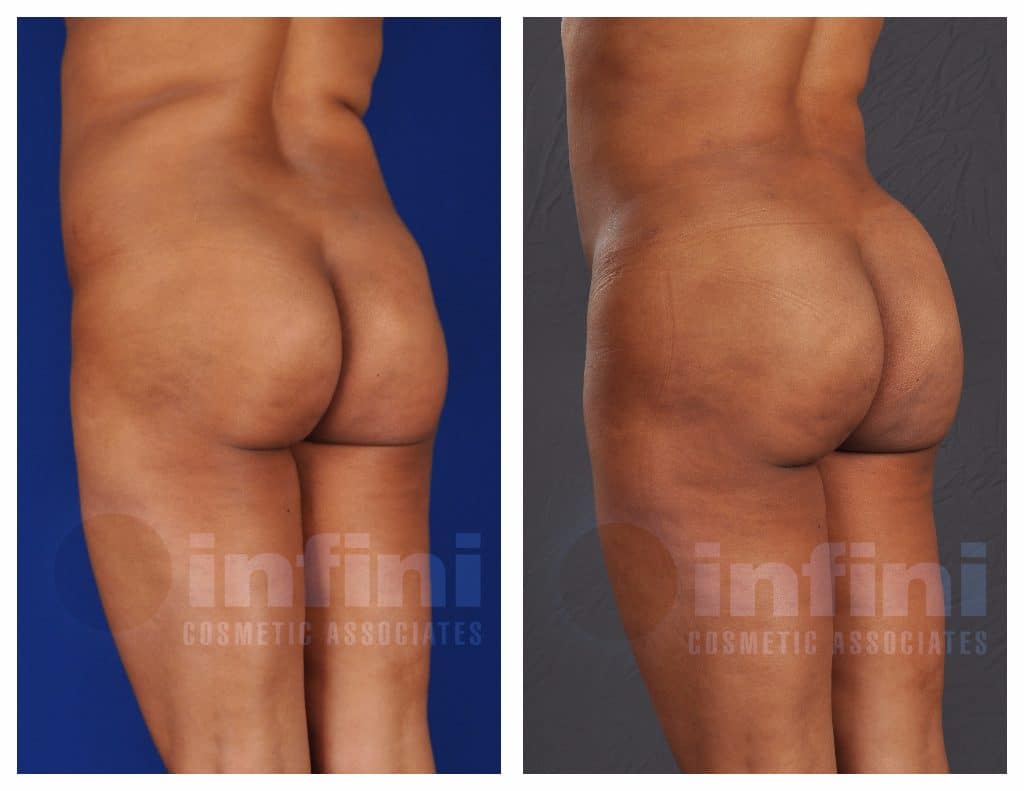
BBL touch up procedures typically have less downtime, but the same harsh restrictions apply, particularly for sitting and moving. Lite chores or desk work might be earlier for touch ups, but full exercise or heavy lifting needs to wait until cleared by a doctor.
Return to all normal activities, including work, exercise, and travel, at least 8 weeks for both procedures. Adhering to all aftercare instructions is crucial to optimal outcomes.
Even little rules, like sitting up too early or missing follow-up appointments, can cause complications. This can sometimes mean more touch-ups or less satisfying results. Patients, prepare yourself.
It helps to think ahead — setting up work-from-home options, purchasing special pillows, or even simply asking friends to help with chores. Being prepared makes recovery less harried.
Mitigating Risks
BBL touch up procedures may produce superior results but pose risks that are not always transparent to patients. A lot of the issues that occur after these surgeries can be mitigated with the proper measures. Knowing what is most common, choosing the right surgeon, and adhering to pre- and post-operative care can all help keep things safer.
| Common Risk | How to Minimize It |
|---|---|
| Fat embolism | Pick a surgeon with board certification, use safe methods |
| Seroma (fluid build-up) | Go to follow-up visits, use drains if needed |
| Infection | Use sterile techniques, take prescribed antibiotics |
| Poor fat survival | Follow post-op care, avoid sitting on the area |
| Asymmetry or unevenness | Choose a skilled, experienced surgeon |
The choice of surgeon is the most critical aspect. Clinics with current licenses and practitioners with appropriate licensing are more inclined to adhere to safety standards. Board certification is very important. Statistics indicate that approximately three-quarters of BBL fatalities are caused by non-certified practitioners.
Checking a surgeon’s track record and looking at patient reviews does help. A few clinics these days use ultrasound-guided fat injections to improve precision and reduce complications.
Preoperative checks are essential. Good clinics do comprehensive pre-surgical health checks. They seek out things such as labile blood pressure, clotting disorders or other potential risks that may increase the chances of a poor result.
Full informed consent means your doctor tells you all the risks, like seroma or infection, so you know what to expect and you can plan for it. This allows folks to make informed decisions regarding their treatment.
Postoperative care is just as important. Patients have to adhere to each direction, no shortcuts. This includes not sitting or lying on the buttocks for weeks, maintaining cleanliness, and taking all medications on schedule.
Hard exercise, lifting, or anything that could move the fat should be avoided as that helps the results last and reduces complications. Follow-up visits allow physicians to identify issues early, such as infection or accumulation of fluid, and be treated before they progress.
Applying sterile dressings and washing your hands prior to touching wounds reduces the risk of soft tissue infections. As long as all parties stick to these measures, large-scale risks can be reduced by up to 80%.
They’re easy habits, but they truly impact healing and result longevity.
Conclusion
BBL touch up work helps a lot of folks achieve smoother, fuller contours post the initial pass. Minor alterations solve typical problems such as uneven fat, shape shifts, or volume loss. Physicians employ secure, easy methods that conform to each physique. For the vast majority of patients who adhere to doctor recommendations, they heal quickly and have excellent outcomes. Open communication with your care team and transparent goals reduce stress and complications. While the majority of BBL touch up patients feel satisfied with their appearance and how garments fit, to find out more or inquire about your own situation, contact a reputable clinic or schedule a consultation with a board-certified physician. Good data and wise decisions provide you the optimum opportunity for a great result.
Frequently Asked Questions
What are common reasons for a BBL touch up procedure?
Typical causes are uneven fat reabsorption, asymmetry, or a desire for additional volume. Other patients get touch ups to enhance contour or fix small inconsistencies post-procedure.
Who is a good candidate for a BBL revision?
The best candidates are healthy adults with reasonable expectations. They need sufficient donor fat for an additional transfer and have completely healed from their initial BBL.
How soon after my initial BBL can I get a touch up?
Most surgeons suggest waiting for a minimum of six months. This gives swelling a chance to subside and results reveal themselves before potentially opting for a revision.
What techniques are used during a BBL revision?
Procedures could involve extra fat-grafting, contouring with liposuction, or asymmetry correction. The technique varies according to the patient’s requirements and the surgeon’s experience.
Is recovery from a BBL touch up faster than the first procedure?
Recovery is often similar, sometimes a bit faster if less fat is injected. Most patients return to everyday life within two weeks, depending on the revision.
What risks are associated with BBL touch up procedures?
Risks include infection, fat absorption, asymmetry, and contour irregularities. Selecting a skilled, seasoned surgeon can help reduce these risks.
How can I reduce the chance of needing a BBL revision?
Adhere to your surgeon’s pre- and post-operative instructions. To preserve your results for the long term, it is important to maintain a stable body weight and avoid putting pressure on your buttocks during healing.