Directions
 Call Us
 Email Us


Key Takeaways
- Best Donor Sites For BBL Fat Harvest. BBL best donor sites for BBL fat harvest.
- The best donor sites for BBL fat harvest provide high-quality fat with optimal adipocyte viability and stem cell concentration, which are necessary for effective grafting and sustained results.
- Meticulous evaluation of your body composition, fat distribution, and skin elasticity assists in selecting the optimal donor site and guarantees harmonious body contours.
- Expert, minimally invasive harvesting and the proper cannula selection enhance fat quality, lower the risk of complications, and promote quicker recovery.
- With the right fat processing, graft survival increases because the harvested fat is purified and debris is removed prior to transfer.
- Great post-operative care, monitoring, and follow-ups are essential to maximize recovery and satisfaction.
Typically, the best donor sites for BBL fat harvest include the abdomen, flanks, thighs, and lower back. Each region possesses a layer of fat that responds well to liposuction and subsequent transfer to the buttocks.
Selection of the donor site varies based on body type, fat volume, and skin quality. Physicians commonly utilize multiple sites for evenness.
The following sections deconstruct each type and what to consider prior to treatment.
Ideal Donor Sites
About: Optimal Donor Sites When considering a BBL, selecting the optimal donor site is paramount for both fat graft survival and body contour. Every donor site presents different benefits regarding fat quality, quantity, and harvesting.
The most common donor sites include:
- Abdomen: Often rich in fat with good vascularity and supports higher graft survival.
- Flanks: Noted for pinchable fat, minimal morbidity and natural body shaping. Effective for patients with stubborn fat. It adds upper body sculpting.
- Thighs: Inner and outer areas offer quality fat and versatility.
- Arms: Suitable for patients with upper arm fullness. This site provides extra graft volume.
1. Abdomen
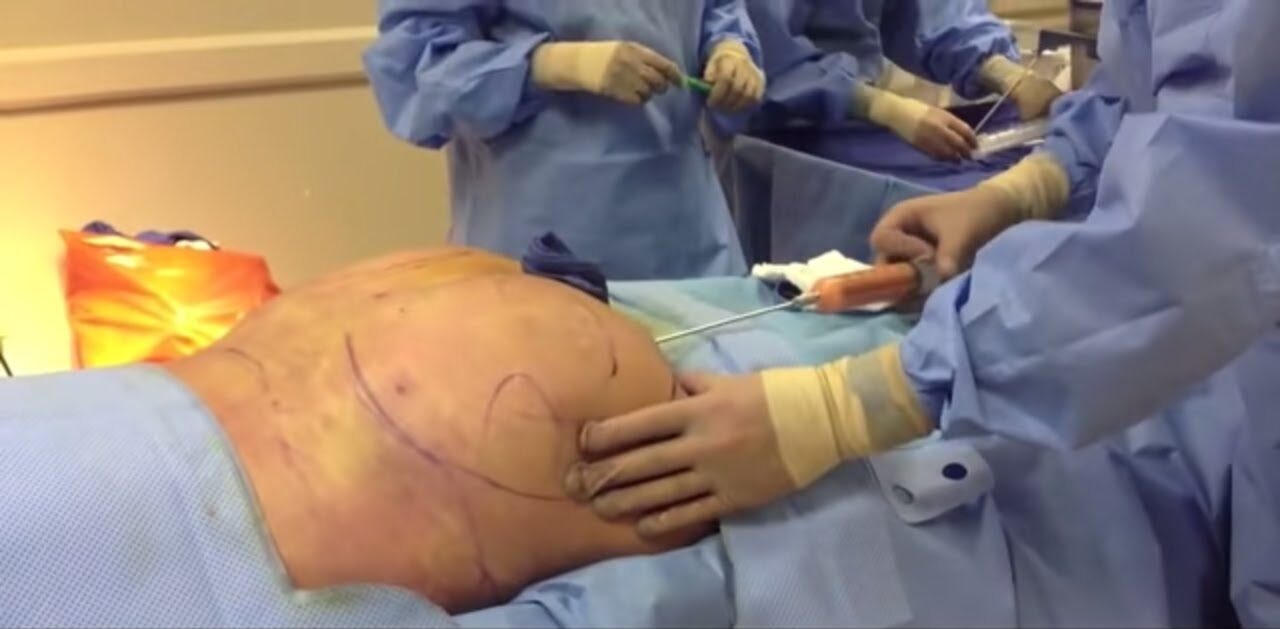
The abdomen is a premier donor site because of its generous fat stores and excellent blood supply. This vascularity aids fat to survive better after transfer, which is crucial, as only around 50 to 80 percent of fat lingers long-term, depending on technique and care.
Abdominal fat is usually soft and can provide healthy viable cells if carefully harvested. Surgeons tend to use smaller cannulas, around 2 to 3 millimeters, in order to reduce trauma. Aggressive harvesting can destroy as many as 90 percent of fat cells, so a light touch is preferred.
Planning is required. Each patient’s body and goals matter. By harvesting small volumes from the abdomen, among other sites, surgeons don’t leave dents and help maintain a smooth appearance.
2. Flanks
Flanks, or love handles, are a favorite place to harvest fat, particularly when it’s pinchy and easy to suck out. This region usually offers a nice equilibrium between fat volume and body contour.
Harvesting here can help shape the waist, giving the buttocks a fuller look by comparison. The skin there is stretchy, which means you recover more smoothly and scars are less prominent if treated gently.
Patient comfort is key, as the area can be fussy. The surgeon’s technique should preserve skin laxity and prevent over-harvesting, which results in a patchy appearance.
3. Back
The back, particularly the lower or bra-line area, is a great donor site for those with persistent fat. This fat is typically soft and grafts beautifully.
When the back is utilized as a donor site, this can help to sculpt the upper body so it’s a two-in-one approach. If harvesting from the back, use sophisticated liposuction to minimize danger.
Excessive removal can make the skin loose, so moderation is essential.
4. Thighs
Inner and outer thighs are sources of great fat. They provide sufficient volume for grafting and aid in refining shape. Surgeons frequently aim for the inner thighs for soft, user-friendly fat.
This spread allows you to keep legs even and balanced. Methods count—a light touch allows the site to mend quicker. Thigh fat can even be used for breast augmentation, demonstrating the versatility of this donor site.
5. Arms
For others, the upper arms are a great option, particularly if you have some excess fat to donate. When these fat deposits are removed, it can help trim the arms and contribute to the overall fat required to transfer.
With careful technique, harvested fat is usually of excellent quality for grafting. Trauma and scars are reduced by the use of a small cannula.
Arm fat is frequently blended with fat from other sites to satisfy larger volume demands and keep the final appearance soft and organic.
Fat Quality Factors
Fat quality factors are essential to successful and permanent fat grafting, such as in BBL. Good fat is more likely to live and produce consistent results. Several core factors shape the quality of harvested fat from any donor site:
- Adipocyte (fat cell) viability and health
- Stem cell concentration and regenerative potential
- Balance between fat and fibrous tissue
- Harvesting technique and cannula size
- Purification methods (e.g., centrifugation, filtration)
- Storage temperature (ideal: about 4°C)
- Donor site selection (abdomen, thighs, flanks, etc.)
Adipocyte Viability
When fat is harvested for grafting, the technique used must preserve fat cells that are viable and thriving. Delicate suction with tiny cannulas (2 to 3 mm) inflicts less damage, meaning that more cells are alive post-harvest. Good fat cells are less likely to fall apart after transfer, which is critical for lasting volume and contour.
If the fat is subjected to excessive shear or heat, cell membranes rupture and this causes necrosis and graft loss. Fat needs to be handled with care as well. Oil and blood can be removed by centrifugation and simple washing, which allows for the retention of more viable cells.
Thigh or abdominal fat may yield better results, as these areas have larger, healthier fat cells. How fat is stored prior to transfer also matters. Keeping it cool, around 4°C, slows cell breakdown. Research indicates survival rates for grafted fat range from 50 to 90 percent when these steps are followed.
Stem Cell Concentration
Fat quality factors: Stem cells found in fat, called adipose-derived stem cells (ASCs), are powerful players in healing and integration after grafting. These cells facilitate the sprouting of new blood vessels, sustaining fat in its new home. The more stem cells in a fat sample, the greater the likelihood of long-term durable results and enhanced skin quality.
Checking and boosting stem cell concentration during the process can be done by gentle handling and careful filtering. More sophisticated techniques attempt to preserve as many stem cells as possible, increasing the likelihood that the transplanted fat will survive and remain plump.
Fat from the belly tends to have more stem cells, which is why it’s a preferred location for a lot of surgeons. Using these cells has been shown to help with healing and can even improve skin texture post-surgery.
Fibrous Tissue
Fat can have bits of fibrous tissue running through it, particularly in areas such as the flanks or back. Fibrous tissue is tough and can make fat more difficult to extract and process. Excess fibrous tissue can diminish the fat’s integration with surrounding tissues following transfer and can decrease the graft’s long-term survival.
A happy medium between soft fat and fibrous tissue proves optimal. Low suction, small cannula extraction techniques prevent overharvesting of fibrous tissue. You want to keep tabs on the amount of fibrous tissue that has been built up, because it impacts the texture and appearance of the area post-surgery.
If there is too much fibrous tissue, some of the fat will not survive, causing lumpy or less fullness.
Patient Anatomy
Studying patient anatomy is crucial for a safe and efficient BBL fat harvest. Surgeons must balance factors such as body type, fat distribution, and skin condition to select the optimal donor sites. Everyone’s bone structure, fat composition, and skin quality contribute significantly to both the fat harvesting and the end appearance.
All of these tips direct the strategy, circumvent issues, and increase the probability of permanent success.
Checklist for Assessing Patient Anatomy:
- Map out fat distribution across the body
- See body fat content and quality in probable donor areas.
- Evaluate skin elasticity and texture in target areas
- Review any weight changes in the past year
- Ask about smoking status and overall health
- Consider the volume needs of the recipient area
- Factor in patient age and healing history
Body Composition
Body fat percentage dictates donor site preference. Patients with a moderate or higher fat percentage usually have a greater availability of safe fat harvest, particularly from the abdomen, flanks, or thighs. Patients with low body fat may require a more targeted strategy, occasionally utilizing less typical locations such as the upper arms or back.
Fat is not equally distributed among patients. In some, it accumulates primarily in the stomach or love handles, while in others, it resides on the outer thighs or lower back. Mapping these patterns helps to match donor area to recipient area needs, enhancing graft quality and volume.
The surgery has to suit the patient’s physique. Pear-shaped bodies tend to provide more from hips and thighs, whereas apple-shaped patients tend to carry more fat in the abdomen. Weight fluctuations during follow-up can alter results, so pre-operative stable weight is imperative. Patients should be at a stable weight for at least six months prior to their procedure.
Fat Distribution
Fat distribution is a big factor in donor site selection. Surgeons target areas with ample soft, manageable fat, such as the lower abdomen, inner thighs, or flanks. Imaging tools like ultrasound or 3D mapping can show where to harvest from, making the process safer and more precise.
Even fat renderings maintain a harmonious appearance. Scoop too much away from one area and it can form a death trap of uneven shapes. Remember, we aren’t just shifting fat; we’re shaping bodies! Plenty of good sites are pinchable fat with good skin quality.
Volume, it turns out, matters. If the recipient site requires a significant volume, the surgeon can harvest from multiple donor sites in order to obtain the necessary fat without depleting any one site and creating contour irregularities.
Skin Elasticity
Skin elasticity is a good predictor of donor site healing. Younger patients or those with taut skin tend to heal quicker and with less noticeable scarring. Older patients or those with skin laxity might require smaller volume harvests from each area to prevent loose skin.
Surgical technique counts as well. By employing gentle liposuction techniques, you can minimize trauma to the skin and tissue. This in turn promotes improved healing and keeps the skin supple post-recovery. Smokers and recent quitters should know that their skin might heal more slowly.
Following fat harvest, mild soreness, drainage, bruising, and swelling are typical. Patients rest flat and shouldn’t put direct pressure on donor sites for two weeks and should use specialty pillows. Monitoring skin during healing is essential to catch problems early and inform aftercare.
Surgical Technique
Selecting the appropriate surgical approach for fat harvesting is critical to the success of a BBL. Aspects of the surgical technique can impact fat cell survival, donor site healing, and results. From how the fat is removed to the instruments used and how it’s processed before transfer, all of it plays a role in both safety and results.
Harvest Method
Minimally invasive liposuction, like tumescent or power-assisted, helps restrict trauma to donor sites. That translates to faster recovery and a reduced risk of long term issues like scarring or contour abnormalities. Cutting edge liposuction techniques maintain fat cell viability, which is essential for the graft to survive.
Aggressive suction can destroy as much as 90% of harvested cells, making gentle techniques imperative. Surgeons sometimes observe fat color, texture, and flowability, as these may indicate cell viability. Harvesting techniques influence more than just viability. The surgical technique of how fat is harvested impacts how it appears and feels post-transfer.
A gentle, cautious technique reduces edema at the donor site and the risk of lumpy hillsides. Surgeons will have patients report on comfort and recovery to tune their technique with the goal of increasing satisfaction of both the donor and recipient sites.
Cannula Choice
The cannula size and type are a major factor in fat quality. Slim cannulas measuring 2 to 3 mm reduce cell damage by reducing shear forces. This maintains more fat cells viable through harvest. Thin cannulas, particularly 3 mm, are great for accessing tight or tricky areas, so surgeons can harvest sufficient viable fat even from small zones.
Selecting the appropriate cannula translates into less tissue trauma, which reduces swelling, bruising, and pain. The surgeon’s experience with specific cannulas makes a difference. Experienced hands can extract and inject fat more delicately, reducing the chance of lumpiness.
When transplanting fat, a smooth, gentle motion through an appropriate cannula ensures layer-by-layer placement and more durable results.
Processing Fat
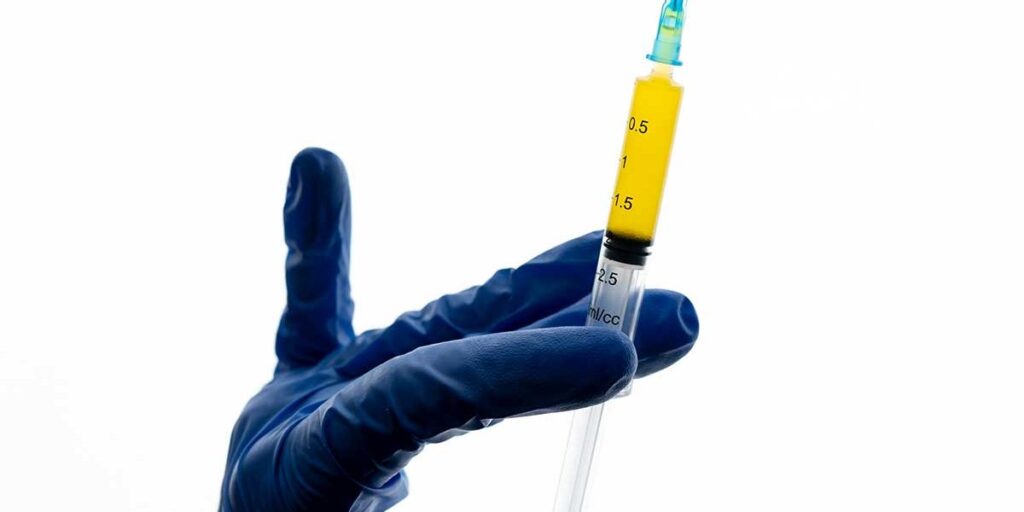
Purification of harvested fat is next. Centrifugation at 2000 rpm for three minutes is popular because it extracts excess fluids and debris without damaging delicate fat cells. The processing steps are done rapidly to maintain cell viability. The goal is to eliminate blood, oil, and dead tissue while preserving the living adipocytes that will thrive in the new location.
Others employ gravity filtration or washing rather than spinning. All are concerned with keeping the fat as pure and healthy as possible. Once processed, fat is loaded into small syringes for injection.
Transfer-ready fat should appear smooth and creamy, indicating it has been cleared of impurities and is primed for engrafting. Research indicates that gentle treatment in this area is critical, as much as 40% of the injected volume can be absorbed within six months as the fat settles and recovers.
The Sculpting Effect
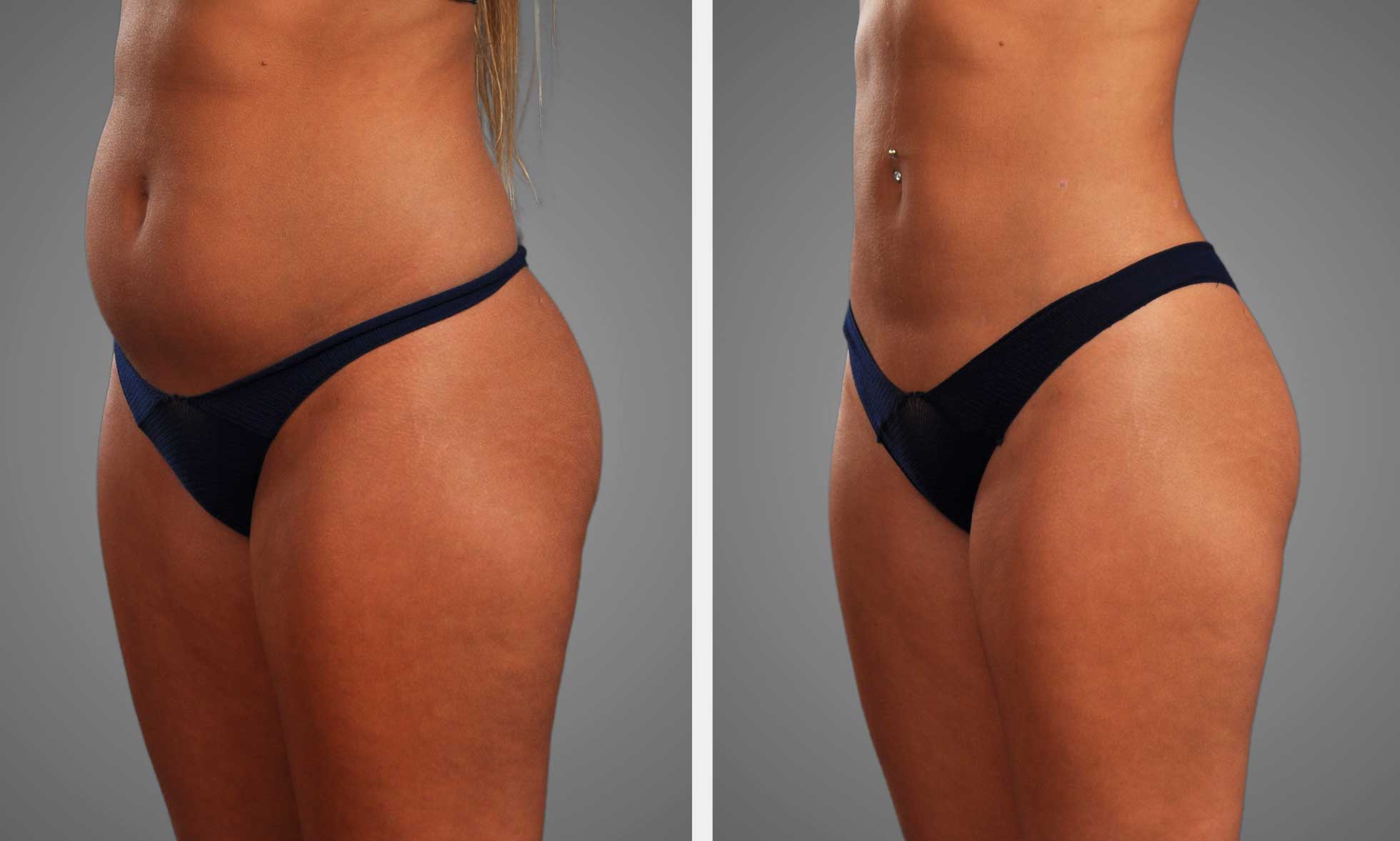
Fat transfer, or fat grafting, sculpts more than one zone. It does so by transferring fat from donor locations — like the abdomen, flanks, or thighs — to areas where extra volume is desired, like the buttocks. The sculpting effect arises from both the subtraction of fat and the artistic positioning of it. Every step transforms the body’s silhouette.
How the fat is transferred and deposited dictates how much volume endures and how natural it appears. Surgeons employ unique techniques to enhance fat survival and maximize the sculpting effect. Injecting fat in thin, small layers helps blood vessels grow into the new fat. This process, known as vascularization, starts within 48 hours from the margins of the graft.
When fat is implanted in large lumps, much of it will perish and be absorbed. Research indicates that as little as 50 to 80 percent of the fat that’s injected remains after several months. Sometimes as much as 40 percent of the new volume dissipates within six months. That’s where the planning and skill come in.
Surgeons remember that the body continues sculpting for months after surgery. Adipogenesis, or new fat cell creation, continues for up to three months, while the body eliminates dead fat cells for weeks. It may take up to six months before we’re able to notice what contour will endure.
Fat transfer can be linked with other procedures. Doing so can produce even better results. A few patients experience enhanced curves from liposuction at the donor site, with the fat being transferred to a new location. By addressing both, surgeons are able to sculpt the figure in a more harmonious manner.
Fat grafting assists in repairing small depressions or bumpy areas, as can occur after weight loss or previous surgery. The donor site selection impacts not only how much fat is accessible but how the remainder of the body appears post-procedure. Good post-op care is just as important.
Fat love — adhering to aftercare rules can help retain more of the transferred fat. Patient goodwill hangs on these measures, and feedback allows surgeons to modify their techniques to achieve superior, more durable outcomes.
| Fat Transfer Technique | Average Fat Retention | Volume Stability Timeline | Outcome on Body Shape |
|---|---|---|---|
| Micro-droplet injection | 60-90% | 4-6 months | Smooth, natural contour |
| Large-volume, single-bolus transfer | 50-60% | 6 months | Higher risk of fat loss |
| Combined with liposuction | 60-80% | 6 months | Enhanced curves, balanced look |
Recovery Insights
BBL with fat harvest recovery. How you care for the donor and graft sites during the initial weeks defines both comfort and outcome. Final results are not immediately obvious. For most, three to six months is required before swelling subsides, grafts settle and full shape reveals.
Volume loss of up to 40% during this time is normal but can still catch the unprepared by surprise. Fat resorption is high, as 40% to 60% of the injected fat may not survive. Early shifts do not always mirror the final outcome.
Post-operative care is your primary instrument to assist graft survival and healing. Recovery Insights About Simple steps matter most. No sitting or lying on your buttocks for at least 4 weeks. This safeguards the new fat cells and aids them attach to blood supply.
Compression garments assist donor sites to shrink and heal, and wearing them as recommended can reduce swelling and contour the site. Hydrate, nutrify and skip toxicity. These steps maintain cells healthy and circulation solid, giving the graft the best chance at survival.
Even with optimal care, just 50% to 90% of fat cells will survive. There’s technique, there’s aftercare, there are body factors. Recovery insights – because recovery counts – and both for comfort and final appearance. A bit of swelling, bruising and tenderness is normal in the initial weeks.
Be vigilant about detecting infection or asymmetric swelling, both of which require prompt intervention. It’s helpful to maintain a basic journal or snap photos so subtle shifts become apparent over time. Research indicates that as much as 40% of new volume can be lost, so these sorts of minor shifts are typical and nothing to be concerned about.
Adipose-derived stem cells in the fat can help skin recover and may increase long-term results, with survival rates ranging from 50% to 80% months down the line. Reduce issues by keeping pressure off your grafts, adhering to light activity and following all care guidelines from your physician.
Brutal fat harvesting can kill up to 90% of cells, therefore gentle liposuction and cautious fat processing is ideal. Providers now employ fat purification techniques that increase graft survival, demonstrating how post-harvest steps are just as important as those during surgery.
Follow-up checks are crucial as you recover. These appointments provide an opportunity to check the appearance, confirm that the graft survived, and discuss any issues. Early feedback assists providers in detecting problems before they expand. Catching concerns early can translate to easier repairs and more comfort through recovery.
Conclusion
To achieve ideal BBL results, select optimal donor sites and understand how your body contours. Surgeons will typically utilize the belly, flanks, or thighs as these locations contain fat that remains stable post-transfer. How firm or loose your fat also factors in. Good prep and good technique help preserve more fat, which means longer-lasting shape. Every body is its own individual case, so consult with your provider about your anatomy and goals. Inquire about the immediate stages and post-operative expectations. For additional tips or trusted sources, consult with licensed clinics or medical boards. Be educated and be in control of your decisions for a safe, silky BBL ride.
Frequently Asked Questions
What are the best donor sites for BBL fat harvest?
Best donor sites for bbl fat harvest. These zones typically contain sufficient fat for harvest and deliver excellent contour outcomes.
Why is fat quality important in BBL procedures?
Good fat equals a higher likelihood of successful transfer and long-lasting results. Fat from low fibrous areas is generally favored because it is easier to process and tends to survive better.
How does a patient’s anatomy influence donor site selection?
Doctors take into account your body shape, fat distribution, and health. The best donor sites are the areas with enough preserved fat that provide a safe harvest and natural-looking results.
Does surgical technique affect BBL fat survival?
Yes. Gentle liposuction and fat handling safeguard fat cells. They employ a meticulous technique to maximize fat survival and safety.
Can the fat harvest process help sculpt the body?
Yes. Taking fat from strategic areas can make your body look amazing. This double whammy does a great job of fueling an overall more balanced, attractive appearance.
How does recovery differ after fat is taken from various donor sites?
Recovery time is comparable among most donor sites. There can be more swelling and bruising in areas with bigger fat removal, but most patients heal within a few weeks.
Is the fat harvested from all body areas equally suitable for BBL?
Not necessarily. Abdomen and flanks fat is usually favored given that it survives better post-transfer. Some areas like the inner thighs can have a higher water content and lower survival.