


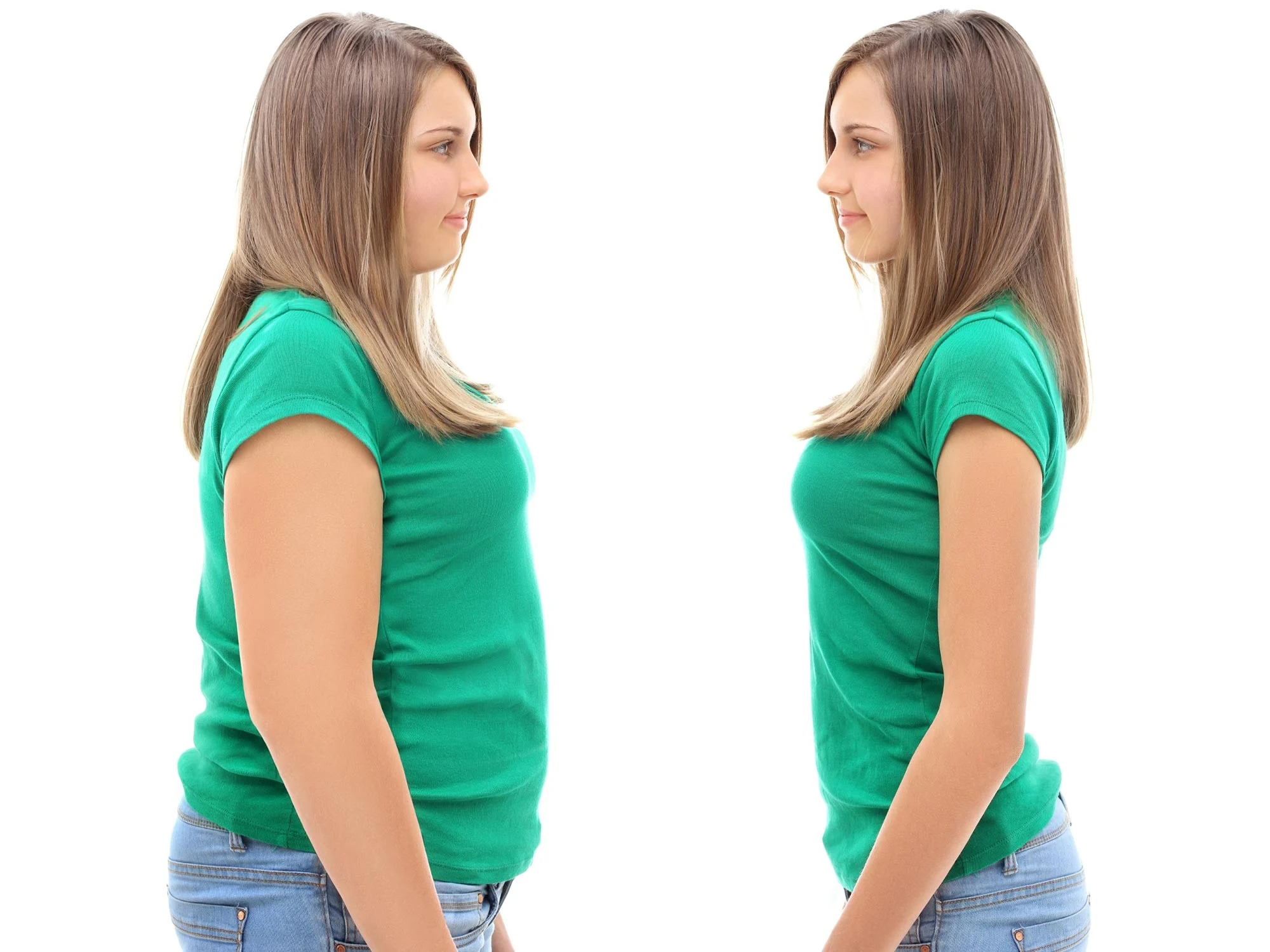
Key Takeaways
- Skin elasticity, fat distribution, and muscle tone all impact body contouring after weight loss. Tracking these elements guides achievable goals.
- With both surgical and non-invasive contouring options available, a tailored approach can optimize results and balance benefits and downtime.
- To be a candidate, you need to be at a stable weight and healthy, so it is important that you are at a place where you have reached a solid, steady weight before looking into body contouring.
- Recovery involves following post operative instructions diligently, easing back into activities, and maintaining consistent communication with your doctors.
- To maintain your results, we advise long-term healthy habits such as good nutrition, exercise, and follow-up care.
- Emotional preparation and support make the experience a positive one and aid you in coping with the changes and maintaining healthy habits.
Real results body contouring after weight loss shot Most people experience less loose skin, a smoother shape, and improved body contouring.
Clinics use safe, non-surgical methods that adapt to different body types. Our treatments are most effective when clients maintain a consistent weight post-shot.
Here, we cover the facts surrounding options, results, and what to expect in the process.
The New Body
Significant fat loss from GLP-1 meds or lifestyle transformations typically alters the appearance and sensation of the body. Fat, muscle, and skin changes influence your comfort, daily movement, and self-image. Body contouring treatments can assist in sculpting these changes. However, results can vary based on personal health, genetics, and the body’s natural healing process.
Below, we examine what sculpts the new body after weight loss shots, as well as options for smoother, longer-lasting results.
Skin Elasticity
| Factor | Impact on Skin Elasticity | Implications |
|---|---|---|
| Age | Lower with age | Older adults may see more sagging |
| Genetics | Inherited differences | Some have more natural resilience |
| Weight loss speed | Rapid loss stretches skin | Faster loss means more loose skin |
| Sun exposure | Breaks down collagen | Greater risk of long-term laxity |
| Smoking | Reduces skin repair | Slower healing and more wrinkles |
| Hydration and nutrition | Supports skin health | Poor status slows recovery |
Sagging or loose skin is typical after you lose a significant amount of weight. This can make it difficult to find clothes that fit well, restrict exercise options, and impact self-confidence. Watching your skin quality helps you set realistic goals.
For mild to moderate laxity, non-invasive treatments such as radiofrequency skin tightening or ultrasound can help increase firmness. If there is an abundance of loose skin, procedures like a lower body lift might be necessary. This surgery targets the tummy, love handles, front of the thighs, and buttocks in one treatment.
Recovery requires patience. Swelling, bruising, and soreness last one to two weeks, with a full recovery taking six to twelve months. Compression for six to eight weeks controls swelling, and covering scars keeps the sun away.
Fat Distribution
Weight loss rearranges where fat sits, not evenly. Places like your stomach, inner thighs or arms can stubbornly cling to fat despite weight loss injections. Genetics have a significant effect on these patterns. Different people may carry fat in different places because of genetic disposition.
GLP-1 medications aid in fat loss, albeit with differing body zone results. Some zones still shrink while others are stubborn. For unlevel areas, solutions such as liposuction or non-invasive fat reduction can target particular zones.
Planning such procedures with a care team allows you to align your goals to realistic outcomes.
Muscle Tone
Workout makes your muscles more sculpted post weight loss. Strength training and resistance workouts can tighten and build muscle, which gives the body a firmer appearance. Muscle tone is key for function and shape. Strong muscles hold up loose skin and maximize body contouring results.
Extreme weight loss can take muscle along for the ride as well. Evaluating muscle definition pre and post weight loss determines if additional treatment is necessary. Surgical muscle tightening, as in abdominoplasty (tummy-tuck), can sometimes enhance shape even further.
Contouring Options
Body contouring after weight loss shots sculpts your body by eliminating loose skin and persistent fat that typically cannot be resolved with exercise alone. As you all know, people want that natural, athletic look rather than something obviously surgical. It’s generally advised that you wait 12 to 18 months after achieving a stable weight before undergoing any procedures.
Some contend with multiple zones simultaneously, while others go piece-meal, targeting what irritates them the most.
- There are several forms of body contouring, from surgical lifts and liposuction to less invasive options like coolsculpting or radiofrequency. Each carries its own recovery time, risk level, and anticipated outcomes.
- Compare surgical and non-surgical options based on recovery, risk, and desired degree of change. Surgical lifts and liposuction are great options for those with significant excess skin or fat that is resistant to diet and exercise, whereas less invasive treatments are better suited to those with mild to moderate loose skin or fat.
- Mix and match for targeting multiple concerns at once, giving a more even natural appearance. For instance, you can do a surgical lift for loose skin and supplement that with non-invasive options for little pockets of fat.
- It’s crucial to consult with a plastic surgeon. Surgeons will walk you through what options align with your goals and body type, help temper expectations and create a plan that feels right for you.
Surgical Lifts
| Surgical Lift | Areas Treated | Recovery Time | Main Risks | Aesthetic Benefits |
|---|---|---|---|---|
| Abdominoplasty | Abdomen | 2–6 weeks | Infection, scarring | Flat, tight abdomen |
| Brachioplasty | Upper arms | 2–4 weeks | Swelling, nerve damage | Slimmer arms |
| Thigh Lift | Inner/outer thigh | 2–6 weeks | Blood clots, asymmetry | Toned legs |
| Lower Body Lift | Hips, buttocks | 4–8 weeks | Wound separation | Lifted lower body |
| Mastopexy | Breasts | 2–4 weeks | Loss of sensation | Firmer, lifted breasts |
Post-surgery, compression garments are typically worn for six weeks to help manage swelling. Recovery can be mildly painful, bruising and limited movement may occur. The majority of readers experience significant transformation between three and six months, as inflammation subsides and scars begin to fade.
Of course, scarring is to be expected, but scars are often fadeable and manageable with creams or silicone sheets. The main advantage is a more contoured shape where skin suits the body better.
Liposuction
Here’s the difference: traditional liposuction sucks out fat, whereas vaser liposculpture employs ultrasound to liquefy fat for more detailed definition. If you’re one of those lucky individuals who have stubborn pockets of fat and good skin tone, you’re a perfect candidate.
Liposuction isn’t for weight loss; it’s for contouring trouble spots like your stomach, thighs, or flanks. Contour lines available are great for home use and satisfaction rates are high with realistic expectations. For most patients, you see your best results within six months as swelling subsides.
Non-Invasive
Coolsculpting freezes fat, and radiofrequency tightens skin by using heat. These techniques are ideal for individuals with minor fat or lax skin who desire limited recovery. They are not as dramatic as surgery, but results can be seen after a few sessions.
The downtime is typically just some swelling or redness for a couple of days. Non-invasive treatments can help preserve or adjust results post-surgery, delivering a subtle, natural enhancement.
Realistic Outcomes
Body contouring after weight loss shots can transform your body’s shape and skin in realistic outcomes. Results are always dependent on your individual health, weight lost, and surgery of choice. A significant weight loss typically results in loose skin, and a lot of people require multiple procedures to achieve their desired appearance.
Stable weight for 12 to 18 months prior to surgery is key. This helps you achieve the best possible result and reduces the likelihood you’ll require more work down the road. Remember, it’s a process to achieve full recovery. Anticipate 6 to 12 months for swelling, bruising, and soreness to dissipate.
It’s crucial to understand that outcomes don’t happen immediately and to maintain patience. Complications can occur, like scarring, infection, or hematoma, so establishing realistic expectations and being prepared makes a difference.
1. The Scars
There are visible scars in body contouring. Surgeons attempt to nestle them into less noticeable locations, but some are bound to pop up. Scar management begins immediately post-operation. You could apply silicone sheets or creams, stay out of the sun, or massage scars while they heal.
Others attempt laser treatments or steroid shots if scars remain raised or red. Scar placement can alter the appearance of your results. A scar along the bikini line is easy to cover up compared to one on the stomach or arms.

Surgeons sometimes employ sophisticated stitching techniques and incision planning to help some scars fade, but not all scars fade alike. Most scars become lighter and more pliable in a year. Others remain firm or hyperpigmented. Healing times differ by skin type and genes.
It turns out scars fade but do not ever really leave.
2. The Shape
Body contouring sculpts the body by removing residual skin and tissue. This causes the body to appear more toned and sleek. Natural results in balanced proportions are more important than merely size. Surgeons strive for a natural appearance that complements your frame.
Each surgery—tummy tuck, arm lift, thigh lift, etc.—contours the body differently. Your own biology restricts how much change you will experience. Establishing realistic goals with your surgeon prevents disappointment.
3. The Feel
Following surgery, the skin in affected areas may feel tight, numb, or bumpy. It could even take months for normal feeling to return. Nice skin leads to nicer, smoother outcomes.
Certain surgical techniques aid in maintaining skin that feels supple and natural. Numb patches or tingling can linger and certain areas will forever seem a tad altered.
4. The Timeline
Recovery begins with swelling and bruising, then shifts to slow healing. You might not have results for six months or more. Adhering to your doctor’s care advice — rest, minimal movement, and wound care — is critical.
Most folks are back to normal life in 4-6 weeks! Complete healing requires more time and therefore patience.
5. The Permanence
Body contouring results are permanent, provided you maintain a stable weight. Drastic weight fluctuations or pregnancy can wipe results away. Occasionally, touch-up surgeries are required.
A healthy lifestyle and consistent weight maintain your new contour. Long-term maintenance, including exercise and nutrition, sustains enduring results.
Candidacy Factors
Physical, mental, and practical factors all mold post-weight loss shot body contouring candidacy. Before proceeding, let’s check your weight stability, health, mental readiness, and pre-surgery needs. Thoughtful preparation and a realistic self-evaluation assist in priming you for results that align with reality.
Weight Stability
Weight must be stable for months prior to even considering body contouring. Most clinicians recommend waiting until weight has remained stable for at least six months, fluctuating no more than 2 to 3 kilograms. This stability reduces the chance of requiring additional surgeries down the line.
Large weight fluctuations can stretch the skin once more or alter the outcome, which is why it is ideal to maintain a healthy BMI prior to surgery. Surgery when you are still in the process of either losing or gaining weight might complicate your results or compromise your final result.
For instance, if someone continues to lose weight after surgery, this can create loose skin once again in the same or new areas. For most people, it’s simply about adhering to sound lifestyle habits, such as exercising three to four times per week and eating a balanced diet full of nutrient-dense foods.
These habits not only maintain stable weight but indicate that someone is prepared for the dedication needed pre and post body contouring. Going into surgery with some clear, attainable weight targets in mind really assists. Candidates reach that point where their abdominal workouts have stalled with the lower belly or their thigh workouts have stalled.
That’s when body contouring can come to the rescue, only if weight maintenance is ensured.
Health Status
A full health check is the first step. Chronic conditions such as uncontrolled diabetes, heart disease, autoimmune disorders, clotting problems, or being less than six months postpartum may render surgery unsafe or necessitate special attention. Active cancer treatment is yet another reason to hold off.
A medical exam and history review are required. Doctors might request lab work, a medication review, and an exam of target areas. Regular medical check-ups and screenings help identify risks early.
Lifestyle adjustments might be required. Consider quitting smoking, reducing your alcohol intake, drinking a minimum of eight glasses of water a day, and eating the right stuff. Factoring these into your candidacy can make a difference in healing and complications.
Mental Readiness
Mental health is equally as important as physical health. Candidates need to be mentally stable and not suffering from body dysmorphic disorder. A candidacy factor helps you avoid disappointment by having a realistic understanding of what body contouring can and cannot do.
It is not a solution for weight loss but a method for dealing with persistent regions. It helps to have family or friends support. Counseling or talking to providers can relieve anxiety and set expectations.
Surgery can be a bittersweet experience in terms of how you look. Preparation for this emotional ride is the secret. It’s better to have optimism during convalescence.
Establishing tangible, attainable targets like easier curves or easier fit clothes can make the journey more gratifying. Willingness to visit follow-ups and recover is essential.
The Recovery Path
Body contouring post-weight loss shot injects excitement and anticipation for what’s next. The recovery path can look different for everyone, but there’s a general progression most experience. Understanding what to expect and how to behave at every step can help set realistic expectations and direct a smoother recovery.
The following checklist offers a comprehensive outline:
- Anticipate swelling, bruising, and soreness in the initial one to two weeks.
- Wear compression garments as instructed, typically for six to eight weeks.
- Watch for infection.
- Followed by a course of pain pills, transitioning later to over-the-counter medications.
- Avoid driving for at least two weeks.
- Restrict lifting to less than one gallon of milk.
- Aim to resume desk work within two or three weeks. Take four to six weeks off for physically strenuous occupations.
- Resume only light activity like slow walking until your surgeon clears you for heavier exercise.
- Attend all follow-up appointments and communicate concerns early.
First Week
Week #1 – The Recovery Path – is about giving your body the opportunity to mend. Swelling and bruising are at a high point during this time and pain is prevalent. Prescribed pain medication manages most of it, but some patients switch to the milder, store-bought variety by week’s end.
Compression garments aid in decreasing any swelling and support tissues as they heal, so wearing them precisely as prescribed is essential. Rest comes first. Brisk, controlled walks reduce blood clot risk and keep circulation flowing. All exercise should be suspended.
Most people simply stay away from driving and lifting anything heavier than a few kilos. Daily care includes changing the dressings and keeping the incisions clean. If you observe redness, fever, or strange pain, get hold of your surgeon immediately.
First Month
At the end of the first month, swelling has begun to subside but remains. Activity picks up gradually. Many could head back to the office within two or three weeks. You might need as much as six weeks off if your job is more physical.
Walking and light stretching feel more comfortable. Lifting and cardio should still be on hold for at least six to eight weeks. Routine visits allow your surgeon to monitor healing and tailor your care.
Open dialogue about pain, swelling, or any concerns keeps small problems from becoming bigger. Preparing for lifestyle changes, such as steady eating and exercise, begins here. Now is the time to concentrate on easy-to-attain goals so you can sustain long-term progress.
Long Term
Long term recovery is about results maintenance and habit formation. Swelling may persist for several months, with final results appearing three to six months after surgery. Scars begin to fade and mature, but will vary in appearance based on genetics, care, and sun exposure.
Regular check-ups with your surgeon catch any late complications. Lifestyle becomes a much larger factor now. Maintaining a stable weight and being physically active are key for maintaining your new physique.
Clear, realistic fitness and weight goals keep progress on track. Routine walks, nourishing meals, and hydration are integrated into the day.
Beyond The Scalpel
Real results after weight loss shots and body contouring surgery go much deeper than what shows in the mirror. Surgery assists with loose skin that diet and exercise can’t repair, but what comes after is really shaped by daily decisions and habits. Waiting until weight has been stable for at least 12 to 18 months is typical prior to surgery.
This helps guarantee the body is prepared, nutrition is consistent, and the results are here to stay. It requires time to heal, with swelling cresting within the first few weeks and then subsiding over months. The majority of them experience their real results three to six months out, once swelling subsides and scars start to heal.
Some might require multiple procedures spaced out for safety and optimal results. The road doesn’t stop in the OR. Embracing new habits and support is equally critical for sustainable change.
Mindset Shift
A healthy perspective begins with embracing the new body and acknowledging the effort it took to arrive there. For most, dropping significant weight is one of the most significant transformations they will undertake. It’s so easy to fixate on what’s still not perfect, whether with scars or residual skin.
Instead, turning your attention to your sense of self-worth and self-respect for your body can help foster a more resilient identity. Establishing new targets, such as better fitness, sleep, or mind, maintains your motivation and momentum.
Taking a moment to think about how far you’ve come, not only on the outside but inside too, can keep things in perspective. Transformation isn’t just about appearance; it’s about feeling stronger and more self-assured in the everyday.
Lifestyle Habits
- Opt for whole foods, fresh fruits, vegetables, lean proteins, and whole grains to satisfy your daily nutrition requirements.
- Cut back on processed foods that are high in sugar, salt, and unhealthy fats.
- Meal plan to prevent mindless munching and maintain steady weight.
- Track portions to maintain a healthy balance.
Consistent exercise builds strong muscles and maintains the body’s newly shaped form. Even modest habits, like a quick walk or bike ride, count. It’s not so much about intensity as it is about moving most days.
Be sure to drink plenty of water. It helps your body heal and promotes healthy skin. Tender skin care, moisturizing, and sun protection make scars fade and skin heal.
Because you’re setting little achievable goals, your progress remains consistent. Whether that’s stepping up your step count each week or experimenting with a new healthy recipe, it all adds up.
Support Systems
- Connect with friends and family who respect your goals.
- Find community groups or online forums for shared experiences.
- Seek support and advice from professionals, such as dietitians or trainers.
Having an accountability partner makes it easier to maintain new habits, particularly when it gets hard. Discussing slip-ups or celebrating victories, however minor, establishes camaraderie and a common cause.
Support systems can be the difference between quitting and advancing. By sharing our struggles along with our victories, we’re helping others as well, creating a community where we can all strive for wellness.
Conclusion
If you want to see real results after a weight loss shot, real changes, most people turn to body contouring. Options span from surgical to non-surgical solutions. Each has its advantages and considerations. We see best with clear goals, steady habits and candid conversations with professionals. They see more defined curves and tighter contours in the mirror. Some require more time to recover, and some rebound quickly. The majority concur that the mood uplift feels genuine. To maximize the benefits of body contouring, consult a trusted physician, know your alternatives and set realistic goals aligned with your lifestyle. For tips or stories, read more guides or connect with clinics that suit you.
Frequently Asked Questions
What is body contouring after weight loss shots?
Body contouring is a term used to describe the medical procedures that contour and tone your body in the wake of major weight loss. These surgeries assist in the removal of loose skin and the diminishing of your figure.
Are the results of body contouring permanent?
Yes, results are often long-lasting if you maintain a stable weight and overall healthy lifestyle. The hands of time and fluctuating weight might take their toll.
Who is a good candidate for body contouring?
The best candidates are adults who have reached weight stability, are in good health, and have realistic expectations. You need to be free from major medical illness that can affect healing.
What recovery time should I expect after body contouring?
Recovery is different for each procedure, but generally, most individuals require a few weeks to heal. Listen to your doctor’s instructions to reduce complications and help ensure the optimal result.
Are there non-surgical options for body contouring?
Sure, there are non-surgical treatments such as cryolipolysis (fat freezing) and radiofrequency. These are less invasive and can provide more subtle results than surgery.
What risks are involved with body contouring procedures?
Complications may involve infection, scarring, and changes in skin sensation. Selecting a qualified, experienced provider minimizes these risks substantially.
How soon after weight loss shots can I have body contouring?
It’s best to wait until your weight is stable for six months before body contouring. This ensures lasting safe results.
