Directions
 Call Us
 Email Us


Key Takeaways
- Prepare for a recovery timeline that transitions from significant swelling and bruising in week one to more defined contour enhancements by month three and near-final results at six months and beyond. Follow your surgeon’s timeline to minimize complications.
- To do’s such as wear compression garments as instructed, check incisions and drains daily, and reach out to your surgical team promptly for signs of infection or abnormal pain.
- Customize expectations to your procedure and body by following a recovery calendar. Larger excisions and multi-area surgeries tend to take longer to heal than minimally invasive approaches.
- Support healing with concrete lifestyle steps like being at a stable weight, eating protein-rich meals, avoiding smoking and excess alcohol, and progressively increasing your activity from walking to structured exercise when cleared.
- Handle scars and long-term results with continued scar care, sunscreen or protection, and occasional self-checks to determine if nonsurgical touch-ups are desired.
- Mentally recover by establishing reasonable beauty expectations, participating in community support if beneficial, capturing your transformation using imagery or a diary, and nurturing self-care rituals during recovery.
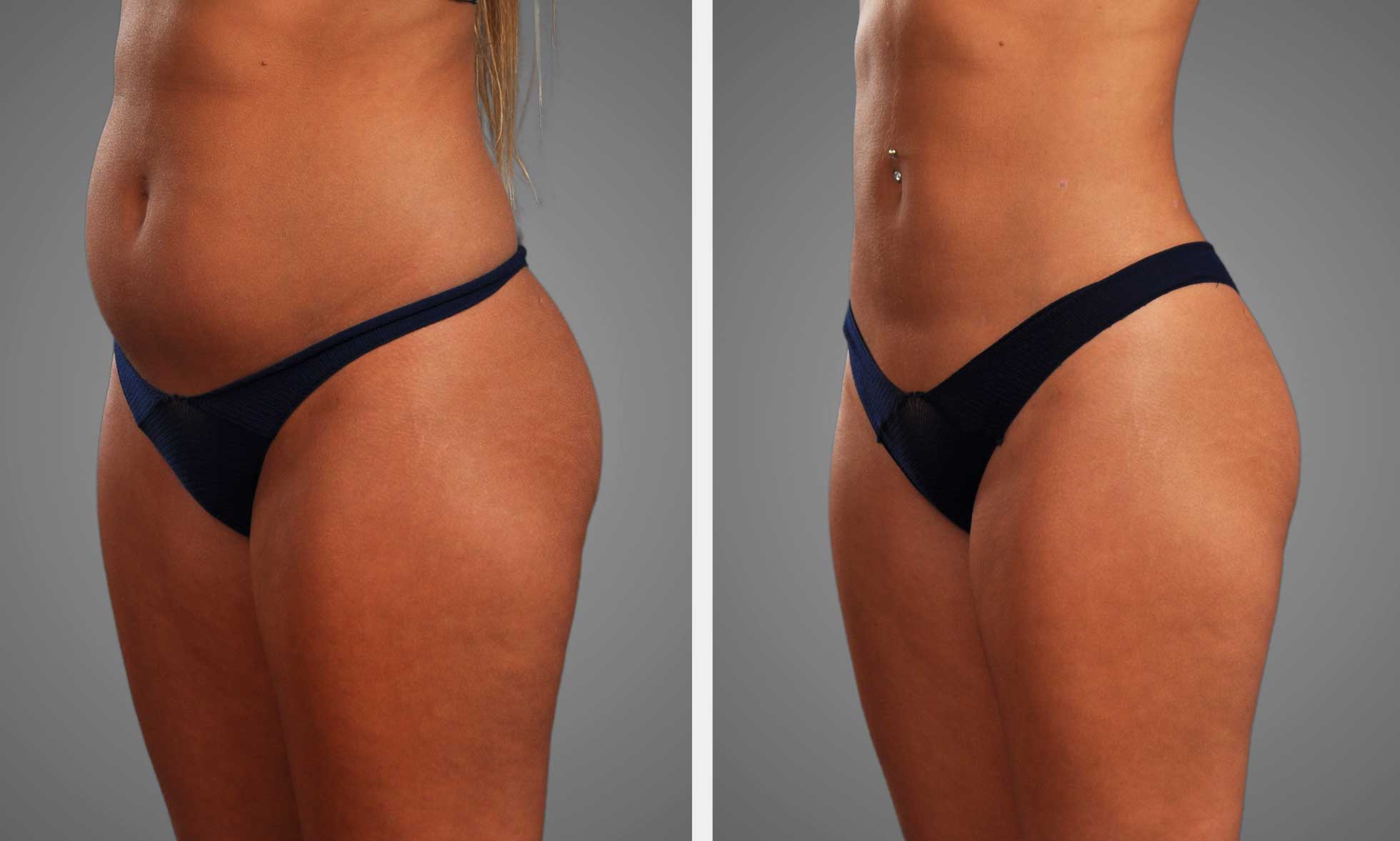
A body contouring recovery timeline provides an overview of the average healing process following liposuction, a tummy tuck, or non-surgical fat reduction.
It covers immediate recovery, activity restrictions, how long swelling and bruising last, the longer-term shape settling timeline, and beyond.
Details like procedure type, patient health, and surgeon technique impact timing.
The sections below provide week-by-week expectations, common symptoms, and practical tips to help schedule work, care, and follow-up.
The Healing Journey
Healing after body contouring comes in waves. The body initiates tissue repair immediately, and visible and palpable shifts persist for weeks to months as tissues remodel and the final contour emerges. The subsections that follow outline typical timelines, symptoms, and actions to support healing and reduce the risk of complications.
1. The First Week
Anticipate swelling, bruising and pain as the body begins healing tissues. Cold packs on and off the first 48 to 72 hours assist in minimizing swelling and numbing soreness. Pain control commonly involves uncomplicated protocols like 400 mg every four hours when suitable and recommended by the surgeon.
Seromas, or pockets of fluid beneath the skin, can develop following liposuction. Keep an eye on the area for new bulges or lingering fluid and notify us immediately.
Keep an eye on surgical drains, dressings, and incision sites every day for more redness, foul drainage, fever, or spreading of the wound. Gentle manual massage, when allowed, increases circulation and eases pain. Research and clinical reports demonstrate it can reduce distress by up to 44% in affected regions if initiated at the optimal window.
Dressings should remain clean and dry, with clinic instructions regarding drain care and stitch removal. Restrict activity to gentle moves. Light walking is okay within days and helps reduce clot risk.
Steer clear of heavy lifting and intense workouts to avoid putting pressure on incisions and to mitigate the risk of exacerbating swelling or seromas. Wear compression garments as directed to aid in skin tightening and minimize fluid accumulation.
2. Weeks Two to Four
Begin to add light activity like slow walks or short, gentle yoga sessions as tolerated. Most are back to normal light activity within 1 to 2 weeks. Major healing occurs in 4 to 6 weeks. Swelling and bruising usually take a significant dip and incisions begin scarring up.
With ongoing compression and incision care to promote even skin retraction and to assist in controlling stubborn fluid. Scar care includes silicone sheets, sun protection, and massage once wounds are closed and helps with better long-term appearance.
Emotional whiplash abounds here; you’re euphoric one day and frustrated by sluggish progress the next. Discuss with your provider if the mood swings are intense.
3. The First Three Months
Excellent contour becomes apparent as any residual swelling subsides and tissues settle. More defined exercise, such as core and upper-body work, can begin if cleared, assisting in shaping and functional refinement.
Scars continue to mature. Topical care and targeted massage help improve their texture. Determine if residual skin laxity requires secondary treatment or noninvasive touch-ups.
4. Six Months and Beyond
Final results are evaluated as the skin settles into texture, tightness, and overall harmony. Return to normal routines and balanced eating to preserve your results. Ongoing minor sagging can be treated non-surgically or by revision if preferred.
Your Personal Timeline
Recovery after body contouring ranges significantly. Your timeline is based on the procedure, your anatomy, and health. Follow milestones and schedule a recovery calendar connected to your surgical schedule. Anticipate early changes within days to weeks, but contour and scar maturation require months.
Procedure Type
Different surgeries lead to different timelines. Liposuction typically requires 2 to 3 weeks before normal activity and a complete resumption of function after approximately 6 weeks. Abdominoplasty usually demands longer downtime and support, often 4 to 6 weeks before core work returns.
Arm and thigh lifts require more skin to be excised and can increase your downtime and scar care. Bigger excisions or merging zones extend recuperation. One-site liposuction bounces back quicker than combined abdominoplasty and flank work.
Minimally invasive alternatives, like RF-assisted liposuction (BodyTite), tend to accelerate healing and reduce inflammation. However, outcomes continue to require weeks to settle.
Quick reference list:
- Liposuction: 2 to 3 weeks of light activity, 6 weeks of stronger activity, bruising lasts 2 to 3 weeks.
- Abdominoplasty (tummy tuck) requires 4 to 6 weeks of limited activity and months of scar remodeling.
- Arm lift (brachioplasty): Gradual use over 3 to 6 weeks. Scar care is long term.
- Thigh lift: Limited weight-bearing movements for 4 to 8 weeks. Lymphatic drainage is significant.
- BodyTite/laser-assisted lipo: 1 to 2 weeks reduced swelling and quicker return to work.
Your Health
Stable weight and good health hasten recovery. Try to be at or close to your ideal weight prior to elective sculpting. Lean protein and good fats support collagen development, so maintain a consistent intake rather than sporadic crash dieting.
Hydration matters: target about 2 to 3 liters of water per day during recovery. Manage any chronic conditions such as diabetes and thyroid before surgery. Low inflammatory markers, specifically c-reactive protein (CRP), correlate with fewer complications.
Age plays a role; skin and muscle lose elasticity with age, causing older skin to potentially take longer to retract and scars to mature more slowly. Anticipate bruising and swelling, which you will experience in the initial days and weeks.
Most bruising disappears in 2 to 3 weeks. Most patients see full results by 3 months, but some require 6 months for maximal change.
Lifestyle Choices
Quit well in advance of surgery – tobacco restricts blood flow and tissue healing. Quit smoking. Even mild use impedes healing. Gradually resume exercise: light walking early, then progressively increase intensity.
Wait about 4 to 6 weeks before resuming core or demanding exercises. Dress in loose, airy fabrics and wear compression pieces to minimize chafing and provide shape. Drain stress with techniques like breath work or progressive muscle relaxation to lull you to sleep and reduce cortisol that promotes healing.
Document with a recovery calendar, record swelling, pain, mobility, and wound changes. Shift expectations as tissue remolds. Early shifts show in weeks, but final contour can take three to six months.
Optimizing Recovery
Optimizing recovery starts with clear expectations and a plan around pain control, garments, activity pacing, nutrition, wound care, and daily routines. By adhering strictly to the operative instructions, patients minimize their surgical risk. Schedule a caregiver for at least the initial three days and avoid any lifting or straining for the first two weeks.
No smoking tobacco or weed three weeks prior to and post surgery. Avoid soaking incisions in baths or pools for a minimum of three weeks.
Pain Management
Take your prescribed pain meds as directed and keep doses on time for the first 48 to 72 hours so that you don’t get peaks of pain that slow down mobility. Apply cold packs on treated areas for 15 to 20 minutes every couple of hours the initial week to reduce swelling and alleviate bruising, but NEVER directly on skin; wrap in cloth.
Monitor for abnormal pain that is sharp, worsening, or associated with fever or increased redness. These can indicate infection or hematoma and require immediate contact with your surgical team. Move gently. Short, frequent walks reduce stiffness and lower clot risk, while avoiding sudden stretches or heavy lifting keeps the surgical sites from pulling.
Garment Care
Wear compression garments religiously. I’ve often heard to wear them for 8 to 12 weeks or more to keep swelling at bay and allow the tissues to set. Check fit once a day. A too-tight piece of clothing can hinder healing by disrupting circulation and a too-loose garment won’t provide support to the body’s curves.
Wash with care following directions and alternate between a minimum of two to ensure maximum sanitation and dry skin. Change dressings as your surgeon directs and check incisions during dressing changes. Observe for drainage, separation of edges, or increased redness and communicate fluctuations promptly.
Activity Levels
Take small walks starting the day after surgery, extending them as you feel able. Gentle movement promotes circulation and recovery. No heavy lifting, intense cardio, or ab workouts until your team gives you the green light, usually 4 to 6 weeks for deep work and longer for extensive surgeries.
Introduce light stretching and incremental core work only after incisions have properly healed and pain is near absent. Begin with foundational breathing exercises and pelvic tilts. Maintain a recovery journal, noting pain, swelling, drain output if applicable, and activity milestones to track your progress and inform decisions about returning to work and exercise.
Tailor meals with diverse protein, vitamins, and low sodium for a minimum of two weeks to reduce fluid buildup and enhance tissue healing. Consume water consistently all day, increasing in hot climates or with exercise.
Include scheduled check-ins with friends or the care team to minimize isolation and catch problems early.
The Mental Recovery
Body contouring alters more than silhouette. Mental recovery includes mood changes, changing self-perception and the effort required to embrace a new body during physical healing. Here are actionable takeaways to help you prepare for and navigate the emotional aspect of recovery.
Managing Expectations
Clarity: Make sure you set goals that are achievable and in line with your starting body and the scope of the procedure. Discuss with your surgeon practical results and timing. The final shape frequently emerges while collagen remodels over months.
Accept that scars and little contour irregularities are part of the course with big surgery and typically fade and soften over time with tender loving care. Track milestones and setbacks so you stay informed and calm.
- Week 1–2: Peak swelling and pain, and need for help with daily tasks.
- Weeks 3 to 6: Reduced pain, beginning light activity, visible but changing shape.
- Months 3–6: continuing collagen remodeling, scars begin to mature.
- Months 6 to 12: final contour becomes more apparent. Leftover swelling will dissipate.
- Possible setbacks: seroma, delayed healing, or temporary numbness.
- When to call clinician: sudden fever, increasing pain, heavy drainage, or wound changes.
Maintaining a scrubbed list of HOPE well directed toward likely timelines keeps disappointment at bay on low-energy days.
Body Image
Anticipate highs and lows. Patients are euphoric one day and depressed the next due to swelling or delayed visual transformation. Accept incremental differences in ratios as a form of recovery.
The steadier skin and improved garment fit are tangible indicators of improvement. Mark small victories like squeezing into a new outfit or having a low-swelling day to cultivate consistent confidence.
Avoid comparing your recovery to others. Healing speed, scar type, and final shape vary widely. Reframe scars and blemishes as badges of honor. They are markers of a huge life milestone like massive weight loss or health change, not something to conceal.
Patience and Progress
Monitor shifts in skin texture, tightness and muscle tone to observe gradual improvements. Maintain a recovery log accounting for pain, swelling, drainage, sleep quality and activity level.
This allows you to detect patterns and provides your clinician with valuable information. Take pictures in consistent light and position to notice progress that you may miss from day to day.
Stay patient. Swelling can mask results for months and scars need time to mature. Back your mental recovery with hydration, light daily movement as permitted, restful sleep and a dependable care person for chores and emotional support.
When to Call
I’ve made this section very clear — when you should call your surgical team or emergency services during body contouring recovery. Know what to watch, why it matters, where to seek help, and how to act.
Be alert to signs like increasing or spreading swelling, significant redness at incision sites, fever greater than 38 degrees Celsius, or pain not relieved by medication. Swelling that gets worse after the first week or pain that intensifies rather than diminishes can be signs of bleeding, infection, or other complications.
When to call: If prescribed pain medications cannot control severe pain, call your surgeon or go to urgent care so providers can reassess and treat the cause. Report any abnormal drainage, incision separation, or signs of infection immediately. Foul-smelling, green, or bloody drainage requires immediate care.
Red streaks that emanate from an incision or a persistent fever over 38C are classic infection warning signs and should be checked out by a doctor. Clear drainage is to be expected, but thick, colored, or smelly fluid is not.
Call your surgical center for shortness of breath, chest pain, or leg swelling. Trouble breathing, chest pain, or fainting or loss of consciousness are medical emergencies. Call local emergency services immediately.

Leg swelling, sudden calf pain, or redness can indicate a deep vein thrombosis that can result in a pulmonary embolism and needs immediate care. Save your surgeon’s after hours number, the clinic address, and local emergency numbers.
If you go home after surgery, know where the closest emergency department is and have a plan to get back should it be required. Particular complications to look out for are seromas, or fluid pockets under the skin post-liposuction, which require a clinician to aspirate.
Sudden numbness, a bluish hue, or coldness in an arm or leg can indicate bad perfusion and require urgent evaluation. Lingering stiffness or pain a few weeks past the anticipated timeline should be called in, as lingering issues may indicate nerve irritation, scar tissue, or other problems that respond well to early intervention.
When in doubt, call. Early contact often avoids escalation. Write down your symptoms, when they began, any medication or activity changes in preparation for when to call. This assists clinicians in determining if phone triage, a clinic visit, or emergency care is required.
Long-Term Success
Long-term success after body contouring depends on consistent habits and realistic expectations. Complete recovery may take three to six months, with most patients seeing significant transformation at three months and final results appearing at six to twelve months as swelling reduces and scars soften. Remember that scar maturation extends well past the visible healing and chart your care and follow-up accordingly.
To retain surgical contouring, keep weight stable and exercise regularly. Most surgeons recommend waiting 12 to 18 months post-goal weight to major contour. Once surgery is complete, strive to maintain weight in a tight range. Even minor gains can stretch skin and change contour lines, while consistent loss creates new laxity that sometimes requires touch-up procedures.
A practical approach is to follow a calorie-balanced diet that you can sustain. Combine resistance training two to three times weekly to keep muscle tone, and include 150 minutes per week of moderate aerobic activity for overall health. For instance, a patient who maintains weight within 2 to 3 kilograms of their post-op baseline generally holds onto results better than someone with big swings.
Long-term success also involves keeping up on scar care and skin health. Scarring will happen, but early wound care, massage, silicone sheets or gels, and sun protection minimize redness and hypertrophy. Begin gentle scar massage once incisions have completely closed and apply silicone products per instructions.
Avoid UV exposure or apply SPF 30 or higher on healed scars to limit darkening. For individuals with a history of bad scarring, talk about steroids or laser treatments with the surgeon.
Plan occasional check-ins with yourself about body shape, firmness, and satisfaction. Establish three, six, and twelve month checkpoints to record contour, mobility, scar quality, and clothing fit. Try to keep photos at the same angle and lighting to objectively measure change.
If you had massive weight loss before surgery, be on the lookout for areas that still exhibit excess laxity. These frequently require secondary procedures to achieve the goal.
Anticipate emotional fluctuations and support accordingly. Emotional whiplash is common. One minute you’re excited, the next you’re flipping to doubt in moments of swelling or sluggish progress. Assume realistic timelines, discuss with your care team, and maybe peer support groups for reassurance.
Enjoy your new body and if you want, set new goals. Small goals, such as adding a 10-minute walk each day, attempting a strength milestone, or scheduling a non-surgical skin treatment, keep motivation high and shield long-term results.
Conclusion
Body contouring recovery rolls along in distinct steps. Swelling and soreness subside within weeks. Strength and shape tone over months. Follow wound care, compress, and maintain light activity to expedite healing. Capture your progress in photos and notes. Anticipate good days and slow days. Discuss emotions with friends or a therapist. Contact your surgeon for high fever, heavy bleeding, or acute pain. Hold reasonable expectations and shield your skin from the sun. Protein, hydration, and good night’s rest are your body contouring recovery timeline best friends. For body contouring in general, most people begin to see lasting results by three to six months. For a plan that fits your body and life, schedule a follow-up with your clinic and request a personalized timeline.
Frequently Asked Questions
What is the typical recovery timeline for body contouring procedures?
Most patients see significant improvement in 4 to 6 weeks. Swelling and bruising frequently continue for 3 months. Final results may take up to 12 months as tissues settle and scars mature.
How long before I can return to light daily activities?
You can typically return to light activities and deskwork within 3 to 7 days. Adhere to your surgeon’s specific limitations and avoid heavy lifting for a minimum of 4 to 6 weeks to safeguard healing tissues.
When can I safely exercise after body contouring?
Low-impact cardio often begins at 4 to 6 weeks. Gentle reintroduction of strength training typically commences about 6 to 8 weeks. Certainly get your surgeon’s clearance before resuming intense exercise.
What steps speed up recovery and improve outcomes?
Adhere to wound care instructions, wear compression garments, control pain, hydrate, consume protein, and return for follow-ups. These measures decrease swelling, mitigate infection, and assist the scar in healing.
How do I manage scars and swelling long term?
Sunscreen, silicone sheets and gentle massage once wounds close. Keep a healthy weight and adhere to your surgeon’s scar-care regimen. Swelling and scars may continue to improve for up to a year.
When should I contact my surgeon after surgery?
Contact your surgeon in case of escalating pain, fever, profuse bleeding, expanding redness or signs of infection. Report sudden shortness of breath or chest pain right away.
Can mental health affect my recovery from body contouring?
Yes. Worry or unrealistic expectations slow emotional recuperation. Reach out to your surgeon, counselor, or support groups to stay grounded with goal setting and accelerate healing overall.