Directions
 Call Us
 Email Us


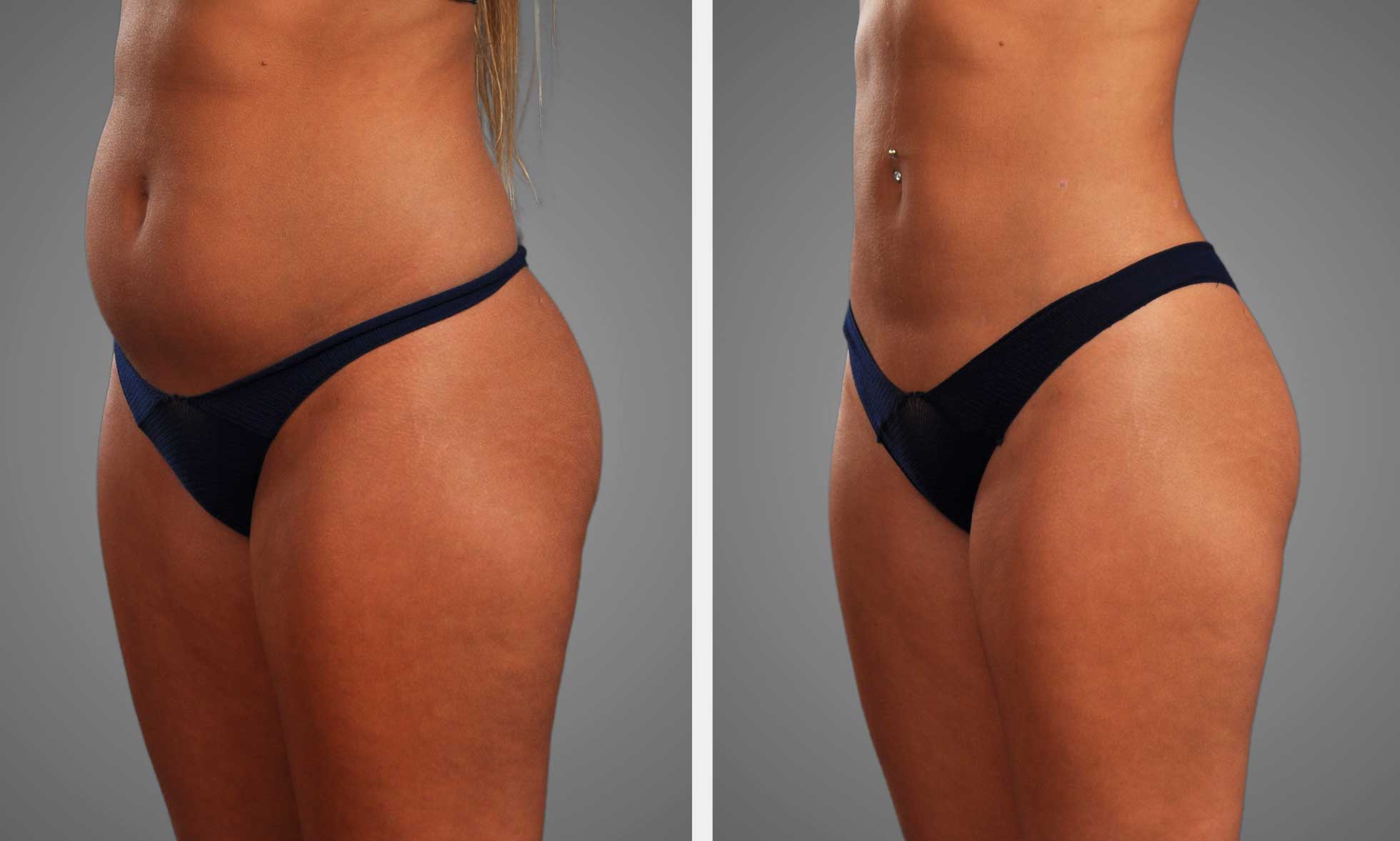
Ever wondered how celebrities achieve those perfectly sculpted bodies? Body sculpting procedures are the secret. These advanced techniques, including plastic surgery procedures, help contour and shape your body, giving you the look you’ve always dreamed of. Whether it’s reducing stubborn fat or tightening loose skin, body sculpting and weight loss surgery offer effective solutions. With options like liposuction, CoolSculpting, tummy tucks, weight loss surgery, and skin removal surgery, there’s a cosmetic surgery procedure for everyone.
You’ll learn what each procedure involves, such as weight loss surgery, body sculpting surgery, and lift, and how it can benefit you. Ready to discover the best way to achieve your ideal physique, including weight loss surgery? Let’s get started!
Understanding Body Contouring
Definition
Body contouring reshapes and refines the body. It is often needed after significant weight loss or due to aging. The goal is to improve the body’s appearance and comfort through weight loss surgery.
Addressing Excess Skin
Body contouring can remove excess skin. This is common after weight loss. Procedures like a tummy tuck can help. They remove surplus skin around the abdomen.
Reducing Fat
Body contouring also targets fat bulges. These are areas where fat collects under the skin. Techniques like liposuction remove subcutaneous fat. This helps create a new body shape.
Cosmetic vs Medical Necessity
e people choose body contouring for cosmetic reasons. They want to improve their body shape. Others need it for medical reasons. Excess skin can cause hygiene issues and limit mobility.
Common Procedures
Several procedures fall under body contouring:
-
Tummy tuck: Removes abdominal skin and tightens muscles.
-
Liposuction: Removes fat from specific areas.
-
Arm lift: Removes excess skin from the upper arms.
Benefits
Body contouring can boost self-esteem. It helps people feel better about their bodies. It also improves physical comfort by removing extra skin and fat after weight loss surgery.
Surgical vs Non-Surgical Methods
Surgical Methods
Surgical methods for body sculpting include abdominoplasty, breast reduction, weight loss surgery, and brachioplasty. Abdominoplasty, also known as a tummy tuck, is a weight loss surgery that removes excess skin and fat from the abdomen. It tightens the abdominal muscles. Breast reduction surgery reduces the size of large breasts by removing excess fat, glandular tissue, and skin. Brachioplasty targets the upper arms, removing loose skin and fat.
These procedures are effective for those who have considerable weight loss or want dramatic changes. They offer permanent results when paired with a healthy lifestyle. However, they involve significant recovery times and risks.
Non-Surgical Options
Non-surgical methods include cryolipolysis and laser therapy. Cryolipolysis, often called CoolSculpting, freezes fat cells. The body then eliminates these cells naturally over time. Laser therapy uses heat to target fat cells, breaking them down for natural removal.
These treatments are less invasive than surgery. They require little to no downtime. However, multiple sessions may be needed to see results. They are best suited for individuals with minor fat reduction needs.
Effectiveness Comparison
Surgical methods are generally more effective at removing large amounts of excess skin and fat. Abdominoplasty can result in a flatter stomach immediately after recovery. Breast reduction provides immediate relief from physical discomfort caused by large breasts.
Non-surgical methods offer gradual fat reduction. Cryolipolysis can reduce fat by up to 25% in treated areas after several weeks or months. Laser therapy offers similar results but requires consistent sessions.
Recovery Times
Surgical procedures have longer recovery times. Abdominoplasty recovery can take 2-6 weeks before resuming normal activities. Breast reduction patients may need 1-2 weeks before returning to work.
Non-surgical treatments have minimal recovery times. Patients can often resume daily activities immediately after treatment. Some may experience mild swelling or redness.
Risks Involved
Surgery carries more risks than non-surgical methods. Complications can include infection, scarring, and anesthesia reactions. Long-term risks include changes in sensation and dissatisfaction with results.
Non-surgical treatments have fewer risks but are not risk-free. Possible side effects include temporary discomfort, swelling, and bruising. Rarely, patients may experience uneven results or skin damage.
Expected Outcomes
Surgical methods provide dramatic and lasting outcomes for those with significant body contouring needs. Results are visible soon after recovery but require maintenance through a healthy lifestyle.
Non-surgical options provide more subtle changes over time. They are ideal for those looking to fine-tune their physique without extensive downtime.
Preparing for Contouring
Consultations
Scheduling consultations is the first step. Meet with a board-certified plastic surgeon. Discuss your goals and concerns. The surgeon will explain different body sculpting procedures. They will assess your suitability for the procedure.
Health Evaluations
Health evaluations are critical. Undergo a full medical check-up. Ensure you are in good health. Conditions like diabetes or heart problems can affect surgery outcomes. Blood tests, physical exams, and medical history reviews are common.
Lifestyle Adjustments
Make lifestyle adjustments before surgery. Maintain a stable weight. Avoid smoking and limit alcohol consumption. Eat a balanced diet and stay hydrated. Exercise regularly to improve overall fitness.
Realistic Expectations
Have realistic expectations about the results. Understand that body contouring is not a weight-loss solution. It aims to remove unwanted skin and reshape areas of the body. Results vary from person to person.
Understanding Risks and Benefits
Understand the potential risks and benefits. Complications can include infection, scarring, or prolonged recovery time. Benefits include improved body shape and enhanced self-esteem. Discuss these thoroughly with your surgeon.
Choosing the Right Time
Choose the right time for the procedure. Consider personal health, support systems, and recovery periods. Plan for at least 2-4 weeks of downtime post-surgery. Make sure you have help at home during recovery.
Support Systems
Having a support system is essential. Arrange for someone to drive you home after surgery. Have friends or family available to assist you during recovery. Emotional support is also important.
Recovery Periods
Plan for recovery periods carefully. Follow all post-operative care instructions from your surgeon. Attend follow-up appointments to monitor healing progress. Take time off work if necessary.
The Contouring Process
Surgical Steps
Body sculpting surgeries start with anesthesia. General anesthesia is common, putting the patient to sleep. Local anesthesia numbs the specific area.
Surgeons make incisions in strategic places. This minimizes visible scars. They remove excess skin and fat. Techniques vary based on the procedure, like a breast lift or tummy tuck.
After removing extra skin, they close the incisions. Stitches or surgical tape keep the skin together. The process ends with bandages to protect the wounds.
Non-Surgical Methods
Non-surgical treatments use advanced technology. These methods don’t require cuts or stitches. They focus on fat reduction and skin tightening.
Laser treatments are popular. They heat fat cells, causing them to break down. CoolSculpting freezes fat cells, which then die and get absorbed by the body.
Radiofrequency devices tighten skin by heating it. Ultrasound waves target deep fat layers, breaking them down without harming the skin surface.
Impact of Area
The treatment area affects duration and complexity. Larger areas like the abdomen take longer than smaller ones like the chin.
Different methods have different timescales. Surgical procedures can last several hours. Non-surgical sessions usually take less than an hour but may need multiple visits.
Recovery time also varies. Surgery requires weeks of healing, while non-surgical methods have minimal downtime.
Technology’s Role
Technology plays a key role in modern contouring. Advanced machines ensure precision and safety. For example, laser devices adjust to different skin types automatically.
These technologies reduce risks of permanent disfigurement and complications. Patients often choose non-invasive options for their convenience and lower risk factors.
Aftercare Insights
Wound Care
Proper wound care is crucial after body sculpting procedures. Clean the incision sites daily with mild soap and water. Avoid using harsh chemicals. Pat the areas dry gently with a clean towel. Apply prescribed ointments to prevent infections. Keep the wounds covered with sterile bandages.
Activity Restrictions
Limiting physical activity helps in recovery. Avoid strenuous activities for at least two weeks. Light walking is encouraged to improve circulation. Refrain from lifting heavy objects. Follow your surgeon’s advice on when to resume normal activities.
Follow-Up Appointments
Regular follow-up appointments ensure proper healing. Schedule your first follow-up within a week post-surgery. Your surgeon will check for signs of infection or complications. Subsequent visits will monitor your progress and address any concerns.
Stable Weight Maintenance
Maintaining a stable weight is essential for lasting results. Fluctuations in weight can alter the effects of body contouring. Adopt a balanced diet rich in fruits, vegetables, and lean proteins. Regular exercise helps keep your weight consistent.
Common Side Effects
Expect some common side effects after body sculpting procedures. Swelling and bruising are typical and should subside within a few weeks. Pain and discomfort are manageable with prescribed painkillers. Itching around the incision sites is normal but avoid scratching.
Managing Side Effects
Managing side effects ensures a smooth recovery. Use cold compresses to reduce swelling and bruising. Take pain medication as directed by your doctor. Wear compression garments to support healing tissues and minimize swelling.
Emotional Well-being
Emotional well-being plays a role in recovery too. It’s normal to feel anxious or impatient during the healing process. Talking to friends or joining support groups can help manage these feelings.
Choosing a Specialist
Board Certification
Ensure the specialist has board certification. This guarantees they meet high standards. The American Board of Plastic Surgery is a reliable certifying body.
Board-certified surgeons have extensive training. They complete at least six years of surgical training. This includes three years specifically in plastic surgery.
Experience
Look for specialists with significant experience. They should have performed many body sculpting procedures. Experience ensures better outcomes.
Ask how many procedures they have done. Specialists with more experience are likely to handle complications better.
Before-and-After Photos
Review before-and-after photos of actual patients. These photos show the specialist’s skill level. Look for consistency in results.
Photos should be clear and unedited. They help set realistic expectations about the outcome.
Reviews
Read reviews from previous patients. Reviews provide insights into the specialist’s reputation. Look for comments on:
-
Skill and expertise
-
Bedside manner
-
Office environment
-
Post-surgery care
Reviews can be found on medical websites and forums.
Consultations
Consult multiple specialists. This allows comparison of approaches, costs, and rapport. Each consultation offers a chance to ask questions.
Prepare a list of questions beforehand. Discuss the procedure details, risks, and recovery time.
Cost Comparison
Costs can vary widely among specialists. Compare prices during consultations. Ensure you understand what is included in the cost.
e factors that affect cost include:
-
Surgeon’s fee
-
Anesthesia fee
-
Facility fee
-
Post-surgery garments
Rapport
Choose a specialist you feel comfortable with. Good rapport is crucial for a positive experience. You should feel heard and respected.
Trust your instincts during consultations. A good specialist will answer all your questions patiently.

Selecting a Facility
Accreditation
Check if the facility has proper accreditation. Accredited facilities meet high standards. They are regularly inspected. Look for certifications from recognized organizations. For example, the Joint Commission or AAAASF.
Cleanliness
Inspect the cleanliness of the facility. A clean environment reduces infection risks. Ensure that all areas are well-maintained. This includes waiting rooms, operating rooms, and recovery areas.
Advanced Technology
Advanced technology ensures better results. Ask about the equipment they use. Modern tools can provide safer and more effective procedures. This is crucial for complex surgeries like a lift.
Supportive Staff
A knowledgeable staff is essential. They should be able to answer all your questions. Supportive staff can make you feel comfortable. Look for a team that is experienced in body sculpting procedures.
Emergency Protocols
Ask about their emergency protocols. Knowing how they handle complications is important. A good facility will have clear plans in place. This ensures your safety during unexpected situations.
Patient Satisfaction Rates
Inquire about patient satisfaction rates. High satisfaction rates indicate good service. Ask for testimonials or reviews from past patients. This can give you an idea of what to expect.
Key Questions to Ask
When visiting a facility, ask these key questions:
-
Is the facility accredited?
-
What advanced technology do you use?
-
How do you maintain cleanliness?
-
What are your emergency protocols?
-
Can you share patient satisfaction rates?
Scheduling Consultations
Preparing Questions
Before scheduling a consultation, prepare a list of questions. This helps ensure you cover all concerns. Ask about the surgeon’s experience with body sculpting procedures. Inquire about their certification and training.
Bring up any specific areas you want to target. Knowing what you want will help guide the conversation.
Discussing Desired Outcomes
During the consultation, discuss your desired outcomes. Be clear about what you expect from the procedure. Show pictures if that helps explain your goals.
Ask how long it will take to see results. Some procedures show immediate changes, while others take weeks or months.
Understanding Potential Risks
Every surgical procedure has risks. Talk about these with your surgeon. Ask what complications may arise and how they handle them.
Knowing the potential risks helps you make an informed decision. It also prepares you for any unexpected episodes during recovery.
Evaluating Surgeon’s Experience
Evaluate the surgeon’s experience with similar cases. Ask how many times they have performed the procedure you are considering.
Also, inquire about any before-and-after photos of previous patients. This gives insight into their skill level and consistency.
Transparency About Medical History
Be transparent about your medical history. Share any past surgeries or cosmetic procedures you’ve had. This information is crucial for planning a safe and effective treatment.
Honesty ensures the surgeon can provide the best advice and create a tailored treatment plan for you.
Timing and Logistics
Discuss the timing of the procedure. Find out how many minutes each session will take. Plan around your schedule to ensure ample recovery time.
Ask about follow-up visits and any additional treatments that might be necessary.
Closing Thoughts
Body sculpting offers you a path to achieve the physique you’ve always dreamed of. By understanding the differences between surgical and non-surgical methods, preparing adequately, and following proper aftercare, you can maximize your results. Choosing the right specialist and facility is crucial to ensure your safety and satisfaction.
Ready to take the next step? Schedule consultations with top-rated professionals to discuss your goals and options. Your ideal body is within reach—start your transformation journey today!
Frequently Asked Questions
What is body sculpting?
Body sculpting refers to procedures that reshape and improve the body’s appearance. These can be surgical or non-surgical methods aimed at removing fat, tightening skin, and enhancing contours.
How do surgical and non-surgical body contouring differ?
Surgical methods involve incisions and recovery time, like liposuction. Non-surgical methods use techniques like lasers or coolsculpting to target fat without surgery. Each has different benefits and risks.
How should I prepare for a body contouring procedure?
Preparation involves consulting with a specialist, following pre-procedure guidelines, and maintaining a healthy lifestyle. Your doctor will provide specific instructions based on your selected method.
What happens during a body contouring session?
The process varies by method. Surgical procedures require anesthesia and incisions. Non-surgical methods involve applying devices to target areas. Sessions can last from 30 minutes to several hours.
What aftercare is needed post-contouring?
Aftercare includes following your doctor’s instructions, managing swelling or discomfort, avoiding strenuous activities, and attending follow-up appointments. Proper aftercare ensures the best results.
How do I choose the right specialist for body sculpting?
Look for board-certified specialists with experience in body contouring. Check reviews, ask for before-and-after photos, and ensure they understand your goals.
What should I consider when selecting a facility for body contouring?
Choose a facility with a clean environment, advanced technology, and positive patient reviews. Ensure it’s accredited and staffed by qualified professionals who prioritize safety and comfort.