Directions
 Call Us
 Email Us


Key Takeaways
- Compression garments minimize post-liposuction swelling and fluid accumulation by providing support for lymphatic drainage which decreases the risk of seromas and accelerates healing.
- Garments properly fitted to stabilize your skin and tissues to prevent contour irregularities, improve skin retraction, and decrease discomfort during recovery.
- Use staged garments that match recovery phases: higher compression immediately after surgery, then more comfortable maintenance garments as swelling subsides.
- Go with breathable, hypoallergenic, moisture-wicking fabrics and a fit that’s snug but not too tight, rechecking size as swelling fluctuates.
- Adhere to garment wearing instructions – most of the day and night in the initial weeks, and watch for pressure points, irritation, or any indications of complications.
- Pair garment wearing with a nutritious diet, light movement, and lymphatic massage to help heal, deflate swelling and maintain your contour results over time.
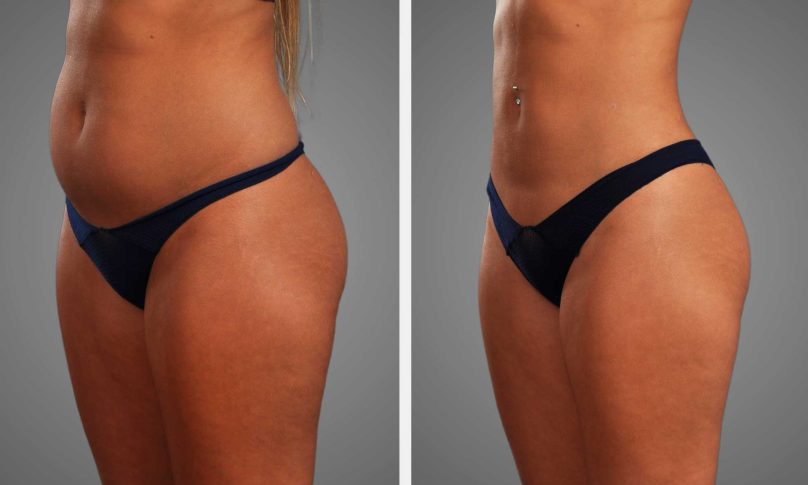
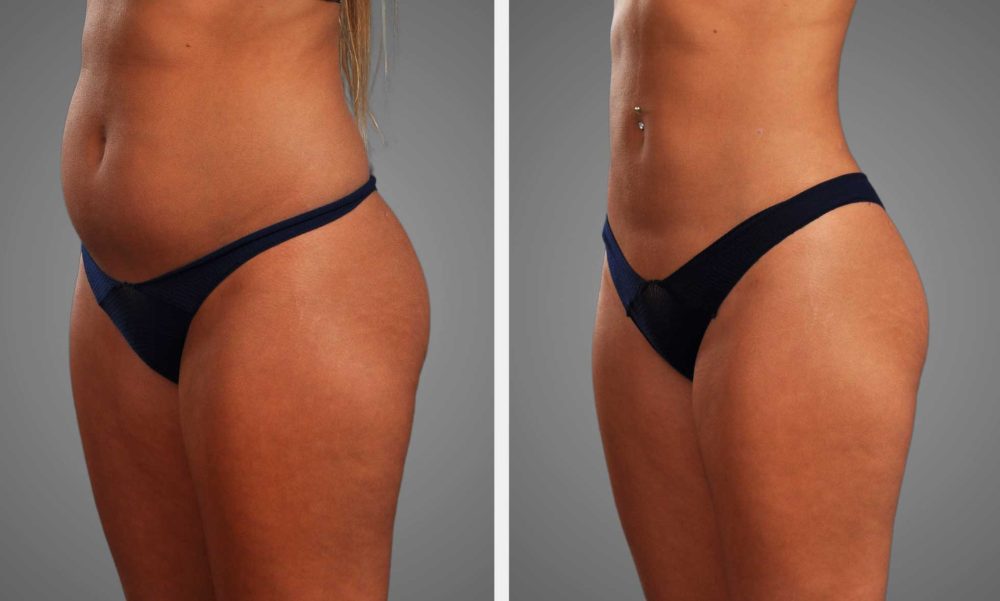
Liposuction garment and swelling explained resolves the question of how compression garments influence post-operative fluid accumulation and tissue settlement. These garments provide consistent compression to decrease post-surgical swelling, facilitate skin retraction, and assist comfort during the healing process.
Garment selection, fit and wear time influence results and can reduce bruising and seromas. Recovery schedules typically combine garments with light exercise and aftercare to monitor swelling variations and avoid side effects.
Why Compression?
Compression garments reduce swelling and fluid accumulation following liposuction, providing an environment that promotes healing and helps form your desired contour. They compress the skin and soft tissues against the underlying fascia, which shrinks the potential space available to fluid accumulation and decreases the risk of seroma.
Surgeons suggest you wear them, without fail, as steady pressure accelerates lymphatic drainage and reduces extended inflammation, particularly during those initial 72 hours when swelling tends to be at its worst.
1. Fluid Control
It inhibits the upward flow of any superfluous fluid to the treated area by evenly compressing the dead space which remains after fat extraction. This helps your body shift fluid through lymph channels faster and reduces the chance of fluid pockets under the skin.
Effective fluid management decreases the length of time that tissues are edematous and facilitates quicker wound healing, thereby diminishing the potential for infection. Patients who pair garment use with easy steps — such as a low-sodium diet for a couple of weeks and resting with legs elevated post-activity — tend to notice more immediate results in diminished inflammation.
2. Tissue Support
Clothes provide an external corset, binding skin and fat down so they don’t slide around or pull apart during that delicate initial healing period. That stabilization keeps unnecessary movement that can create bruising and microtrauma, and minimizes the risk of contour irregularities that require later revision.
Proper support aids skin to retract and contract over the new form, enhancing cosmetic results. Compression additionally soothes pain by reducing tissue swing and offering a constant feeling of security as movement gradually normalizes.
3. Contour Shaping
Constant compression directs tissues into the new liposuction-formed silhouette, avoiding minor lumpiness or fat migration as tissues heal. Shape-holding is particularly beneficial following work on thighs or the stomach where movement and gravity can impact results.
Selecting the right garment stage — 1 or 2 for gentle-moderate support during the earlier phases, 3 for more intensive, long-term shaping — has a quantifiable impact on your ultimate smoothness. They find patients that wear their garments as prescribed between 3 weeks and 3 months notice more defined contours.
4. Comfort
Mild, uniform compression decreases discomfort from swelling and bruises, and a well-fitted piece of compression wear can simplify life in those first few days of recuperation. Greater comfort means more consistent wearing that reinforces all the other healing benefits.
A good fit reduces rubbing at incisions and decreases irritation that can impede healing.
5. Scarring
Compression decreases tension on incision lines, allowing scars to both lay flatter and soften over time. Constant pressure assists scar treatment regimens and reduces the chance of elevated, hypertrophic scarring, enhancing cosmetic outcome.
The Swelling Timeline
Liposuction swelling has a timeline that is consistent and generally early worst. Familiarity with what to expect helps you set realistic goals, plan time off work, and identify symptoms in need of attention. Here’s the key stages, what they feel like, things that affect their timing, and how to monitor progress so you can distinguish typical healing from an issue.
Initial swelling (first 48-72 hours)
Swelling from liposuction increases consistently during the initial 72 hours and typically attains its maximum within that period. Pain, swelling, and bruising are at their peak between day three and day seven. Anticipate hard, tight skin and a fullness where fat was extracted.
There can be some fluid accumulation that leaves a puffy appearance outside of the treated region. Rest in the first few days helps. If you had complete rest, by one week you should see a noticeable drop in pain and soreness.
Wear compression as instructed to help minimize any excess fluid and provide support while the tissue heals.
Moderate swelling (first 2 weeks)
Bruising and swelling can worsen during the initial two weeks as your body clears blood and fluid. By the end of week 1, most patients experience less pain, but still have puffiness and some bruises.
Stay in it and obey drainage or massage instructions, if your surgeon does so recommend. Monitor changes with same-time-of-day photographs and straightforward measurements with a tape measure.
If swelling is asymmetric, rapidly worsening, very painful, hot or accompanied by fever, call your provider. They can be signs of infection or seroma.
Residual swelling (up to several months)
Most swelling and bruising will have resolved by six weeks. After a month most swelling, numbness and tingling dissipate significantly, and by the second and third months swelling is near-completely gone.
There are a few individuals who continue to experience minor puffiness up to four months, and a very small percentage will have subtle residual swelling beyond that. Results become more apparent as swelling subsides and tissues calm.
Things that increase the duration of swelling are higher amounts of fat suctioned, larger liposuction regions, liposuction surgical techniques, increased body mass, and slower lymphatic systems.
Lighter activity, lymphatic massage, hydration and ongoing use of a well fitted compression garment can accelerate the reduction of swelling.
Follow your progress with baseline and weekly photos as well as easy girth measurements. Look for general trends, not daily variations. If nothing moves for weeks or new symptoms develop, get a clinical review.
Garment Selection
Selecting the proper compression garment is key to controlling inflammation and supporting tissue post-liposuction. The garment MUST correspond with the treated zone, surgical method and healing phase in order to compress effectively, diminish swelling and increase comfort.
Here’s a focused breakdown of material, fit and staging to help guide your selection for thigh liposuction, abdominal contouring, arm lipo, neck sculpting or combo body-contouring work.
The Material
Choose airy, hypoallergenic materials to reduce chance of skin irritation and promote healing. Natural-fiber blends or medical-grade synthetic knits that brag about being hypoallergenic cut down on contact reactions.
Top-quality materials apply consistent, uniform compression without hindering regular movement. Quality fabrics retain their compression for longer so patients don’t lose compression benefit as swelling subsides.
Moisture-wicking properties are important. Garments made of moisture-wicking fabrics reduce the risk of dampness around incisions and maintain dry dressings. This comes in handy in hot environments or for active patients.
Hard-wearing fabrics hold form despite everyday abuse and frequent washings. Longevity keeps you from losing your compression in that 4–6 week window most surgeons recommend, and beyond as patients slowly wean out.
The Fit
A close but not tight fit provides both powerful compression and pain relief, while enabling circulation and lymphatic flow. Too tight creates pressure points and can inhibit healing.
Measure the body carefully, including the full circumference of treated zones: hips, waist, thigh at multiple levels, upper arm, and neck base as needed. Check the brand’s sizing chart rather than take a guess.
Bad fit can cause uneven compressive pressure, inhibit blood circulation, or hinder the skin from uniformly contracting — all of which can contribute to lumpy contours. Check for bunching/slipping.
Plan to go down size, as swelling lessens. Numerous regimens require 2–4 weeks of consistent wear followed by a wean over 3–6 months. Keep an extra outfit in another size, just in case!
Key features to consider when selecting compression garments:
- Correct coverage area for the specific procedure
- Graduated compression levels and even pressure distribution
- Breathable, hypoallergenic, moisture-wicking fabric
- Seams and closures placed away from incision lines
- Ease of donning and doffing, especially after surgery
- Durability and clear washing instructions
- Availability of different sizes or custom options
The Stages
Initial post-op garments deliver stronger, firmer compression for the first 1–3 weeks to restrict swelling and provide immediate tension relief so everyday activities feel easier within days.
Intermediate garments drop compression but maintain support; typically worn weeks 3–6. End-of-cycle clothing emphasize coziness and care and can be worn here and there for 3–6 months.
Checklist for garment stages and transitions:
- Immediate (day 0–14): high compression, continuous wear
- Early (week 2–4): still firm, can remove briefly for hygiene
- Intermediate (week 4–8): switch to lighter garment as swelling subsides
- Maintenance (2–6 months): optional support during activity
Proper Usage
Compression garments manage swelling and sculpt the liposuction site. Wear as instructed to reduce fluid retention, provide tissue support, and assist skin in conforming to new shapes.
Wear compression garments around the clock as instructed, usually 24/7 for the initial weeks post-surgery. This initial garment is worn immediately following surgery and stayed in place day and night for one to two weeks to manage early swelling and support tissues.
After that, transition to a second-stage garment for approximately two to eight weeks. Most surgeons suggest at least six weeks compression in total; some need 6-8 weeks depending on healing. Check with your surgeon before transitioning from one stage to the next.
Take your clothes off only for short periods, like when you’re showering, and immediately put them back on. Quick pit stops for hygiene or skin check are good, but extended gaps allow swelling to come back and increase the possibility of seroma.
Own at least two so you can wear one while cleaning the other! Machine wash gentle or hand wash per tag, rinse thoroughly and air dry to maintain elasticity. Swap out items that bag or lose elasticity as they won’t provide uniform compression.
Adhere to sleeves in operation for washing and replacing. Surgeons tend to prescribe particular brands and sizes and donning methods that impact fit. Request a fitting prior to surgery if you can.
Proper care makes clothes last and keeps the pressure even over the treated areas. Keep an eye on fit and skin condition every day. An overly-tight garment can cause excess pressure, numbness or skin erosion.
Too loose and it won’t tame swelling or mold the zone. Indicators of bad fit are hard lines of imprint, lingering pain, fresh numb spots, bruising beneath the cloth, or intensified redness. If you notice skin irritation, chafing, or open sores — discontinue use of the garment and reach out to your provider.
Tighten straps or opt for another size as recommended instead of squeezing into something. Opt for pieces of breathable, stretchy material that provide consistent compression without leading to heat rash or irritation. Wicking materials prevent skin maceration.
For instance, a lymphatic sleeve in a robust knit can manage thigh swelling while a lighter abdominal binder can provide midsection support. Inquire about staged garment systems so that you transition from firmer to lighter compression as swelling subsides.
Ceasing use prematurely can cause more swelling, seroma pockets and less desirable contour outcomes — adhere to timelines and surgeon recommendations carefully.
Beyond The Garment
Reclaiming your post-lipo body is about more than a garment. While the garment manages early swelling and shape, diet, motion, and massage are all critical factors in healing, decreasing edema, and optimizing final contours. Pain, swelling and bruising typically peak within the initial 3–7 days.
Swelling rises for the initial 72 hours then gradually falls. While the majority of swelling subsides after approximately one week, mild swelling or the sensation of lumps can persist for up to four months and the final results may take 6-12 months to manifest.
Diet
A nutritious diet that promotes tissue healing, a strong immune system and skin restoration is essential. Focus on lean proteins to assist with tissue repair and wound healing. Vitamin C & A, along with zinc & iron all support the formation of collagen and minimise infection risk.
Restrict salty and fatty foods as sodium and processed fats cause the body to retain fluids and exacerbate swelling. Drink water continually; hydration supports lymphatic flow and flushing of anesthesia byproducts and waste.
Include anti-inflammatory foods to help manage postoperative swelling and discomfort:
- Fatty fish (salmon, mackerel)
- Leafy greens (spinach, kale)
- Berries (blueberries, strawberries)
- Nuts and seeds (walnuts, flaxseed)
- Turmeric and ginger
- Olive oil and avocados
Movement
Soft, easy movement begins NOW and reduces the risk of DVTs while assisting lymphatic fluid to drain from tissues. Gentle walking is recommended the day following surgery, with a slow build in length and speed.
No vigorous exercise or lifting until your surgeon gives you the all clear — doing too much too soon will increase bleeding risk and swelling.
Recommended activity progression and goals:
- Day 1–3: Short, frequent walks around the home to stimulate circulation.
- Week 1–2: Increase walk time to 20–30 minutes daily as tolerated. Return to desk work if comfortable.
- Weeks 3–6: Add low-impact cardio and light strength work, avoiding heavy lifting.
- After 6 weeks: Gradual return to full activity when cleared by the surgeon.
Depending on the physicality of their job, patients can frequently return in one to two weeks. Anticipate mild soreness 3–6 weeks; moderate to severe pain typically subsides by around day five.
Massage
Lymphatic drainage massage helps fluid evacuation and quickens reduction of stubborn swelling. Soft, targeted strokes assist shift lymph away from cared for locations, lowering the risk of sustained fluid sacs.
Massage can help soften lumps and increase skin retraction by busting up small residual fat pockets and scar tissue. Book consistent appointments with a post-liposuction specialist therapist because the best contours are crafted through dedication.
Proper massage, along with movement and diet, reduces the risk of contour deformities and instead promotes smoother, more even end results.
Potential Pitfalls
Picking the wrong piece of clothing, missing it, or having a too aggressive treatment each pose obvious dangers. Poorly-fitting or cheap compression can chafe, pinch, or crease on healing skin, leading to irritation, pressure marks, and spots of ineffective compression that alter fluid circulation. Bad compression allows fluid or blood pockets to accumulate and causes uneven pressure on the underlying fat and skin, potentially resulting in surface irregularities or ripple.
Think riding up under your bra and making a ridge, or seams pressing into a thigh crease compressing lymphatic drainage. Tough, yet breathable fabrics and proper sizing will prevent these issues.
Taking it off too early or not wearing one at all causes swelling and slows healing. Compression controls postoperative swelling by supporting tissues and aiding lymphatic fluid to exit treated areas. If patients remove the garment prematurely, swelling can bounce back rapidly within the first two weeks and linger for even longer.
Persistent edema impacts contour and can be slow to abate. Approximately 1.7% of patients undergoing these procedures experience clinically significant persistent swelling, which can take months to resolve. If swelling recurs after temporary removal, donning the garment again and calling the surgeon is a reasonable course of action.
Heavy-handed liposuction or rough post-operative care increases dangers of tissue trauma and associated complications. Too-deep or too-wide suction can create surface irregularities, fibrosis with adhesions and over-correction. Over-correction occurs in about 3.7% and can produce visible deformity necessitating revision.
Over-aggressive trauma also increases the risk of seromas, which develop in approximately 3.5% of patients. These usually abate with basic steps like additional padding over the point inside the garment for 7–10 days, or aspiration if necessary.
Watch out for troubles and intervene early. Infection following liposuction is uncommon (<1%) but needs immediate attention, hygiene and antibiotics when necessary. Bleeding and hematomas can be small bruises or larger clots. Moderate hematomas can be allowed to liquefy and then aspirated with compression.
Large hematomas may require drainage via a port or repeat liposuction. Surgical hypothermia increases risks of heart attack, stroke, bleeding, infection, sepsis, and slow healing. Prevention includes patient warming and warmed infiltration fluids.
Skin laxity may remain regardless of technique. Loose skinned patients often require additional compression after the standard six weeks to assist skin with as much retraction as possible. Observe contour closely – any indolent deformity, sizable hematoma or suspected infection needs to be an early surgical consult to minimize chronic complications.
Conclusion
Liposuction swelling subsides over time. A good-fitting compression garment accelerates the descent. It reduces swelling, alleviates pain, and assists molding of the region. Choose your garment based on fit, material and compression amount. Wear it according to the schedule. Swab and change garments on schedule. Incorporate cold packs as early as possible, light walk sessions and a low salt diet to ward off swelling! Beware it for infection or bad fit and seek immediate assistance. Most notice definite contour improvements by week six and consistent contour improvements by three months. Take calculated steps, follow the care plan, measure with pictures and notes. For personalized recommendations, consult your surgeon or a qualified nurse.
Frequently Asked Questions
What does a compression garment do after liposuction?
Compression garment supports tissues, decrease fluid accumulation and promotes the skin to adjust to the new contours. It reduces bruising and controls swelling for a speedier recovery and improved shape retention.
How long will swelling last after liposuction?
Swelling generally peaks at 48–72 hours and typically decreases within 4–12 weeks. Mild residual swelling can persist for up to 6–12 months.
How do I choose the right compression garment?
Select a garment suggested by your surgeon that snugs you but doesn’t cut in. Choose the right size, coverage area, and medical-grade compression for your procedure and body type.
How often should I wear the garment each day?
Wear your garment nearly 24/7 for the duration your surgeon recommends, usually 23 hours a day for the initial 2–6 weeks. Adhere to distinct timing and rest guidelines from your care team.
Can improper use of a garment make swelling worse?
Yes. Garments that are too tight can restrict circulation and exacerbate swelling. Too-loose garments offer minimal compression. Follow sizing instructions and monitor for numbness, increased pain or abnormal discoloration.
When should I add other measures to control swelling?
Begin light walking and prescribed lymphatic massage once cleared by your surgeon. Elevation, cold packs in the early days and proper hydration assist. Be sure to consult your surgeon before incorporating additional therapies.
When should I contact my surgeon about swelling?
Contact your surgeon if swelling is sudden, asymmetric, painful, or accompanied by fever, severe redness, numbness, or drainage. These can indicate complications needing prompt evaluation.