Directions
 Call Us
 Email Us



Key Takeaways
- Think of a mommy makeover as a personalized, multi-regional strategy to recapture body shape and confidence for moms over 40. Chat about customized options such as mature or menopause makeovers with a board certified plastic surgeon.
- For the tummy, abdominoplasty and liposuction eliminate redundant skin and fat and tighten muscles. Lifestyle modifications like eating healthy and targeted exercise preserve results for the long haul.
- Lift, augmentation, or reduction breast procedures can correct changes from pregnancy and aging. Opt for implants or methods that complement body type and desired natural appearance.
- Body contouring and facial rejuvenation provide combined surgical and noninvasive techniques to enhance proportions and skin quality. Dual procedures minimize recovery time when fitting.
- Recovery planning, clear goals, and medical evaluation are essential. Assess overall health, prepare a home support system, and follow post-operative instructions to reduce risks and support healing.
- For moms who are 40+ seeking to restore your confidence, remember that realistic expectations and emotional well-being should come first.
Cosmetic surgery for moms over 40 regaining self assurance refers to surgical procedures aimed at restoring appearance and confidence after pregnancy, aging, or life changes.
Popular procedures are facelift, breast lift, liposuction, and eyelid surgery, with quantifiable recovery times and outcome ranges. Choices consider health, healing, and lifelong upkeep.
The following sections describe procedure details, risks, recovery timelines, and how to set clear, achievable objectives.
The Mommy Makeover
A Mommy Makeover is a combination of surgical procedures that targets areas transformed by pregnancy and age, most frequently a tummy tuck, breast surgery and liposuction. For moms over 40, the strategy is typically more customized, considering skin quality, hormonal shift, and muscle tone.
Eligibility revolves around general health and skin quality rather than age, as women in their 30s, 40s, 50s, or 60s can all be candidates when the method suits their physique and desires.
1. Tummy
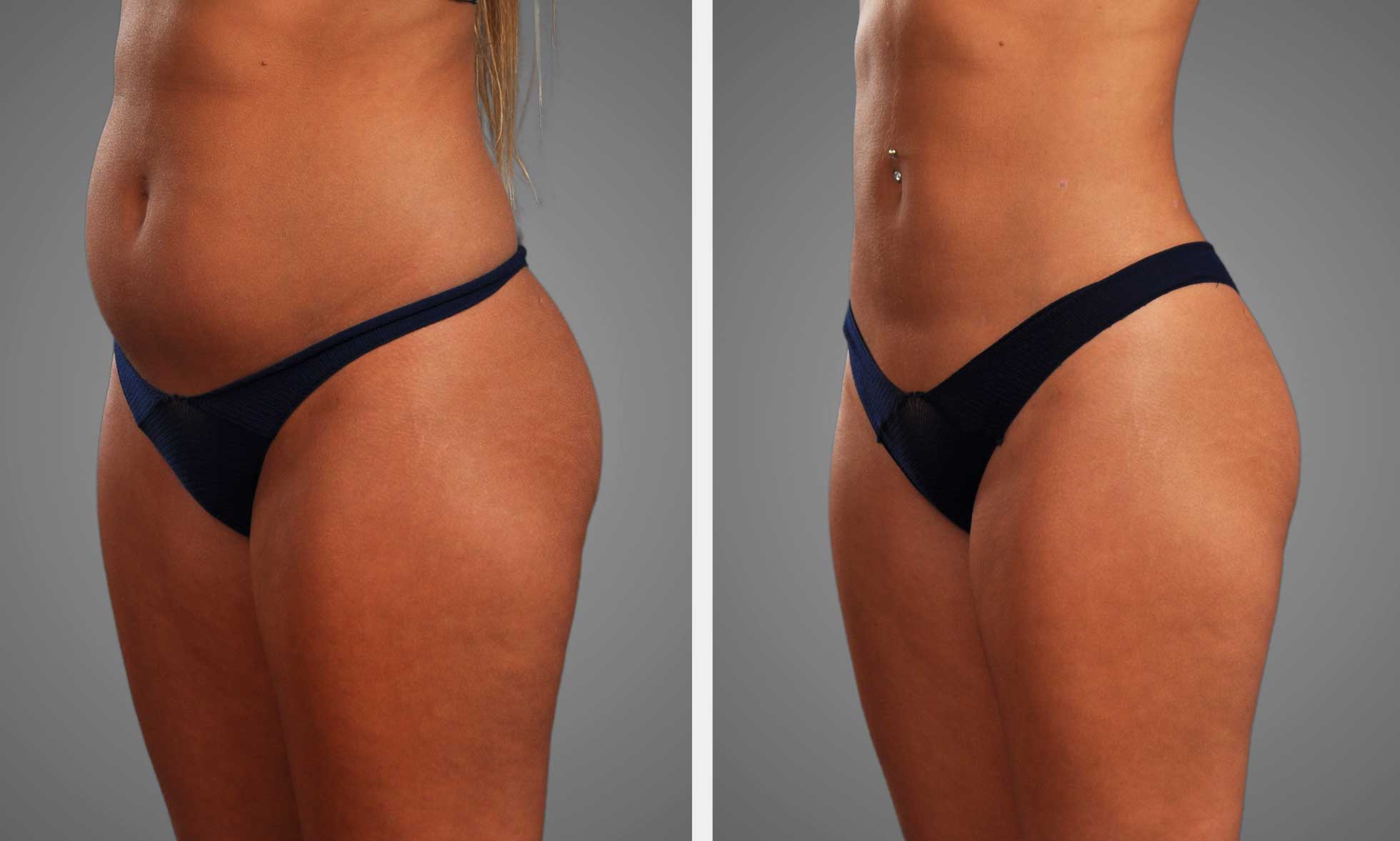
Abdominoplasty, or a tummy tuck, removes loose skin and tightens the abdominal wall muscles frequently stretched by pregnancy. The procedure has the ability to fix diastasis recti and contour the midsection to bring back a flatter, firmer stomach.
Liposuction can be incorporated to complement the procedure by eliminating those tough fat deposits around the waist and flanks, providing a sleeker, more contoured shape. Traditional and tumescent liposuction are the easiest to perform.
Surgeons prefer the method that best fits the tissue quality and expected fat quantity to remove. Less invasive options include minimal-scar techniques and smaller incisions for patients who desire less visible scarring.
Discuss incision placement and scar-care plans with the surgeon, because skin elasticity influences scarring and final contour. Lifestyle changes sustain results: a balanced, nutrient-rich diet, regular exercise such as yoga or strength training, and weight control help maintain muscle tone and prevent fat return.
2. Breasts
Breast surgery consists of augmentation, a mastopexy (lift), or reduction to return the shape and position. A lift repositions drooping tissue. Implants can restore volume lost to pregnancy and aging.
Reduction alleviates pain and recontours size. Implant choices vary: silicone, saline, and newer biocompatible materials offer different looks and feel. Implant exchange is available later in life if you want to change size or material.
Your choice is based on the type of projection you desire and the most natural result. Pregnancy, breastfeeding and age change glandular tissue and skin support, frequently diminishing firmness and altering volume.
Enhancements can reconstruct a youthful breast contour and help you fit into clothes better, something many women credit to increased confidence. Procedure selection should be in line with body type, lifestyle, and level of lift or volume desired.
A surgeon’s evaluation determines if lift, augmentation, or both are most appropriate.
3. Contouring
Body sculpting combines lipo, fat transfer, and body lifts to fix asymmetry and emphasize curves. Fat grafting can add volume to hips or buttocks while slimming other areas.
Thigh lifts, buttock augmentation and jawline liposuction expand the makeover beyond the essentials for a well-rounded appearance. Combining procedures usually shaves off total recovery time and produces more cohesive outcomes.
Noninvasive options, like injectables and skin-tightening devices, provide light refinements for patients avoiding downtime.
4. Rejuvenation
Facial steps like facelift, blepharoplasty, and chin work perk up the face and balance body transformations. Laser therapy, microneedling, and microinfusion treatments boost skin quality and collagen production.
Dermal fillers and mini-dose Botox smooth lines and replace soft volume. A personalized home skin care routine and sun protection provide long-term results and skin health.
Beyond The Physical
Cosmetic surgery may begin with a transformation on the outside. It spirals inward into more profound and pragmatic realms. For a lot of mamas over 40, the decision to go under the knife ties into self-image, who they are, and their everyday lives. Here are focused takes on how these shifts manifest and why they’re important.
Identity
Surgery can be a way to reclaim yourself after years of childbearing. Pregnancy, childbirth, and nursing leave your body altered. We help reverse those changes and bring you back to a pre-mommy silhouette or reinvent a new ‘you’ shape.
In the late 40s, many women experience their personal identity changing. A facelift or eyelid lift can minimize the aging associated with life transitions, and this physical transformation can help sustain a new or renewed identity.
Others say they’re craving a clean break away from being caretaker in perpetuity toward a new emphasis on making decisions for themselves. Create a little list of go-to outfits, things you adored pre-mommy or styles you want to experiment with. It can help direct choices and honor how a makeover integrates with real life.
Surgery can confirm emotions that have been set aside. When old insecurities subside, people tend to experience a more stable sense of who they are versus who they should have been.
Confidence
Looking more young or slim again can cause undeniable spikes in confidence. Better body proportions and facial symmetry can alter the way someone holds themselves, and that alteration comes through in social and professional settings.
There is something about subtle enhancement that honors natural features which not only leads to compliments but also a fresher, more energized look. Before and after pics serve as an easy way to document progress and keep tabs on how things are evolving beyond what you can remember.
These images can be a practical tool for reinforcing the emotional benefits. The small gains add up to a noticeable difference in self-assurance. Plastic surgery can address long-standing self-consciousness.
For many, the emotional benefits are life-changing: increased confidence, a more positive self-image, and a readiness to reengage with activities or clothing choices once avoided.
Motivation
Typical driving forces are loose skin following weight fluctuation, stubborn fat deposits or facial aging that affects your appearance. Clear goals help orient pragmatic decisions and establish benchmarks for progress and results.
Some motivators include:
- Restoring pre-pregnancy abdominal contour after multiple pregnancies
- Reducing sagging breasts or lifting after nursing
- Removing excess skin following weight loss
- Softening deep facial folds with a facelift
- Refreshing tired eyes with blepharoplasty
Social trends and industry standards do matter. Your aims should always come first. Mommy makeovers can bring back vitality and life to so many women!
Celebrate National Wellness Month in August, which serves as a reminder that self-care during menopause and midlife is valid.
Age-Specific Factors
Mature patients introduce unique biological and practical considerations to cosmetic surgery decisions. Skin quality, hormonal status, healing capacity, and life context all shape what procedures are safe and effective. The goal is to align practical objectives with interventions mindful of tissue boundaries, medical background, and longevity.
Health
Consider general health and medical history prior to any surgical or nonsurgical intervention. This would include cardiovascular checks, medication review, and screening for conditions like diabetes that slow wound healing.
Weight-specific factors: Stable weight matters. A major weight change after a procedure can sabotage results. A healthy lifestyle, including a balanced diet, limited alcohol, and quitting smoking, reduces complications. Chronic conditions should be managed preoperatively, as uncontrolled hypertension or diabetes poses an increased risk during anesthesia and infection.
Older mothers encounter greater risk with invasive surgery. A thorough preoperative evaluation reduces surprises. This includes lab work, imaging when needed, and clearances from primary care or specialists. Plans for recovery need to take into account caregiving responsibilities. Support at home facilitates healing.
Keep a good skincare regimen and workout routine before and after procedures to aid natural healing and tissue resilience.
Skin
Skin stretching, collagen loss, and decreased elasticity play a role in the outcome and recovery. By 40, most experience pronounced nasolabial folds, thinner skin, and reduced post-lift recoil. These shifts impact whether a facelift, neck lift, or skin-tightening device will produce the result you want.
Optimizing your skin preoperatively gives us a better chance of getting predictable, longer lasting results. Professional skin rejuvenation before and after procedures helps. Chemical peels, laser resurfacing, microneedling, and platelet-rich plasma can build collagen and smooth texture.
Employ medical-grade topicals with retinoids, vitamin C, and sunscreen to maintain the gains.
Common procedures for addressing excess skin include:
- Abdominoplasty to remove loose abdominal skin and repair muscles.
- Body lift for circumferential skin laxity after weight loss.
- Upper arm lift (brachioplasty) to address hanging skin.
- Thigh lift for inner or outer thigh laxity.
- Mastopexy (breast lift) when volume loss or sagging occurs.
Local: Home care routines are essential for daily upkeep. Use gentle cleansing, daily sun protection with SPF 30 or higher, and prescription serums. Follow surgeon and dermatologist recommendations regarding timelines for active treatments.
Hormones
Hormones during perimenopause and menopause impact where fat stores, skin elasticity and healing. Dropping estrogen can make skin thinner and shift fat distribution, which can change your breast size and stomach shape. These transitions decelerate collagen turnover, which can lengthen recovery periods.
Hormone therapy and lifestyle factors like weight-bearing exercise, sufficient sleep, and nutrition can complement a surgical result. Track hormones when applicable and modify cosmetic plans accordingly.
For example, breast cases may require timing if hormonal therapy is initiated or altered. Tissue regeneration is not the same between individuals, so customize approaches such as fillers, energy-based devices, and regenerative medicine.
The Recovery Journey
Recovery from cosmetic surgery is a journey with distinct phases and tangible requirements. Plan on being out of action, but continue to improve and creep back into life. The subheads below provide support, timelines, and expectations so readers can read on with clarity.
Support
Recovery is more effective with a plan and supportive others. Enlist a spouse, family, or close friend to be by your side the initial 24 hours and assist with personal care, medications, and that first meal. Schedule at least a night or two in hospital care when advised, particularly post abdominoplasty or breast work, and have a trusted adult drive you home.
Online mom groups and forums for moms who had similar surgery provided logistical advice like what to pack for the hospital and how to manage drains or compression garments. Peer groups help establish real expectations regarding pain, sleep disturbance, and mood swings.
Book childcare and household help two weeks in advance at the very least. Schedule who will do school runs, grocery runs, and pet care or chores. Make a checklist of supplies: prescribed pain medicines, wound care items, extra pillows for elevation, loose clothing, ice packs, easy-prep meals, and a simple first-aid kit. Include phone numbers for your surgeon, clinic, and emergency services. Save post-op instructions and follow-up dates in a single folder.
Timeline
Recovery timing varies by procedure and by person. Facelift swelling and bruising typically subside within a few weeks, and early recovery is often rapid. Most women return to desk work within a couple of weeks. Breast implants or lifts typically require a few weeks before the resumption of normal low-impact activity.
Tummy tuck healing generally needs a minimum of 6 weeks before more aggressive movement. Full recovery and the final results can take months. You’ll see results within weeks but anticipate subtle enhancement over time. Bed rest is rarely extensive, but you should anticipate at least a couple of weeks of concentrated zoning out post-majors.
Create a calendar with milestones: first clinic visit, suture removal, gradual exercise return, and long-term check-ins. Note variations: larger or combined procedures extend the timeline, and individual healing rates differ.
Expectations
Our results intend to enhance balance and self-assurance, not to reverse time or attain flawlessness. See what to expect by viewing patients’ before and after photos in your age group. Risks are scarring, infection, asymmetry, and delayed healing. Closely follow post-op instructions to reduce these risks.
Patience matters. Swelling, numbness, and firmness may persist for months. Scars from burns diminish as the years pass, but it is important to care for wounds and protect them from the sun. Stay in touch with your surgical team, report concerns early, and adjust plans as necessary.
Redefining Beauty
Redefining beauty starts with a brief perspective of why the topic is relevant for mothers 40+. A lot of the women in this circle deal with a shift in body shape, skin, and energy post-birth and years of being a caregiver. Cosmetic surgery can be one tool among many to help regain confidence, but the deeper shift is in how beauty is framed: as personal, changing, and tied to health and self-respect instead of a single youth-based ideal.
Beauty is personal and it changes as you get older, become a mom, and gain life experiences. In your 40s, lines, stretch marks, and softening contours may be speaking. Embracing those signs can allow you to focus on what is distinctive about your face and body.
Others opt for more understated surgery to accentuate a chiseled jaw, lift sagging tissue, or rejuvenate breast volume post-nursing. Think of them as mini enhancements, like a mini facelift with skin treatments or a mini breast lift with fat grafting to maintain a natural result. These choices seek to embellish instead of overwrite history.
To me, celebrating your natural beauty and subtle enhancement is about setting a realistic beauty ideal. A strategy could begin by consulting to chart realistic results, then selecting treatments with brief downtime and minimized risk that accommodate work and family life.
Non-surgical measures, such as fillers, laser skin care, and targeted muscle work, can fill in the gap before or in place of surgery. A mom seeking to recover her pre-baby figure may select a Mommy Makeover spaced out over months to accommodate downtime and childcare.
Embrace the different body shapes, facial structures, and flavors. Procedures are tuned to bone structure, skin quality, and lifestyle, not a one-size template. For instance, a cheek augmentation that looks right on one person looks odd on another.
Surgeons educated to embrace variability and patients who show up with crisp images of aspirational but achievable results help preserve uniqueness. Culturally inclusive care means talking about scarring, pigmentation, and healing differences across skin types.
Redefining beauty can be emotional and multilayered. Decisions provide relief, but there can be guilt or second-guessing. Support through counseling, realistic expectations, and talking with peers who had similar paths alleviates that burden.

A lot of people experience a renewed sense of ownership over their body once they make an active change in some form, which can enhance comfort and confidence every day. The idea that beauty equals youth is changing.
People appreciate health, kindness, resilience, and character beautifully etched on the face. Each woman should define for herself what feels right and honor that choice.
Consultation Checklist
A smart consultation checklist gets patients asking the right questions and making a wise decision prior to any plastic surgery. Let this checklist drive the visit, address the practicalities, and depart with a plan tailored to your goals and life needs.
Consultation checklist Write down key questions to ask at your menopause makeover consultation such as procedural options, risks, and recovery. Inquire which procedures align with your objectives and the rationale for recommending each. Ask about alternatives, such as nonsurgical options, and how they compare in terms of results, cost, and downtime.
Request the specific risks associated with each procedure and how frequently those complications arise in their practice. Inquire about typical recovery time in days and weeks, the anticipated pain, and restrictions on activity, travel, and lifting. Inquire regarding scarring, sensory change, and the duration of results.
Be sure to inquire about anesthesia type, location of surgery, and who will be caring for you postoperatively. Inquire about the anticipated schedule for follow-ups and when a revision may be taken into consideration.
Check the credentials and experience of the plastic surgeon (board certified plastic surgeons). Verify board certification with the appropriate national board, such as the American Board of Plastic Surgery, or your country’s equivalent. Inquire how many times the surgeon has performed your exact procedure and ask for their complication statistics.
Request to view before and after photos of previous patients with comparable physiques and age. Notice how frequently the practice does the procedure; the more they do it, the more polished they can be. Verify hospital privileges and if the surgeon collaborates with a certified anesthesiologist.
Suggest you bring a checklist of desired outcomes, concerns, and current medications to the meeting. Bring clear pictures or notes that demonstrate the appearance you’re aiming for and the features that are most important, like shape, symmetry, or firmness.
Detail all medications, supplements, and vitamins you’re taking, along with smoking or nicotine use, as these impact candidacy and healing. Let us know if you’ve shared any medical history like diabetes, clotting disorders, or previous surgeries. Discuss caregiving responsibilities, work obligations, and if you can arrange assistance with day-to-day living during your recovery.
This enables the surgeon to customize timing and guidance. Suggest asking for a personalized treatment plan and considering all surgical and nonsurgical options. Request a step-wise written plan with expenses in uniform currency, anticipated timeline in metric units where applicable, and explicit follow-up care remarks.
Inquire about the practice’s unhappy patient policy, revisions, and corrective care. Consultation Checklist – Use this to help prioritize recovery needs and plan time off work and help at home.
Conclusion
Cosmetic surgery for momagers recapturing confidence. Specific objectives make a difference. Select tweaks that suit everyday life and body type. Real talk: results take time. Recovery can strain patience, but little victories accumulate. Consult with a board certified surgeon, discuss medical history, and request before and after photos from like patients. Pair surgery with good sleep, consistent exercise, and a strategy for stress. Social support is huge. Consider surgery just one of many confidence tools. Stay realistic and emphasize indicators that are important to you, like how clothes fit and your energy level. Eager to know more! Do book a consult and bring with you your top three goals to the visit.
Frequently Asked Questions
What is a “mommy makeover” and who is a good candidate?
A mommy makeover is a personalized mix of procedures, typically breast and body, to combat post-pregnancy symptoms. Ideal candidates are healthy adults who have maintained a stable weight, possess realistic goals, and have been cleared by a surgeon following a medical review.
Can cosmetic surgery help regain self-assurance after 40?
Yes. Surgery can enhance curves and soften aging signs, which can give confidence a lift. Psychological benefits differ. Realistic expectations and supportive counseling enhance outcomes.
How does age affect surgical risks and results?
Post-40, skin elasticity and healing decelerate, and medical risks rise a bit. A surgeon would evaluate health, medications, and lifestyle to customize the plan and reduce risk.
What is the typical recovery timeline for a mommy makeover?
Recovery differs by procedures. Anticipate healing in two to four weeks and full recovery between six to twelve weeks. Follow-up care, rest, and avoiding heavy lifting are important for optimal results.
How should I choose a qualified surgeon?
Select a board certified plastic surgeon with mommy makeover experience. Check out before and after photos, verified patient reviews, hospital privileges, and transparent communication.
Will cosmetic surgery affect future pregnancies or breastfeeding?
Certain surgeries can affect nursing, while others won’t. If you intend to have additional pregnancies, talk with your surgeon about timing and procedure options to prevent undermining your results.
What non-surgical options help complement or delay surgery?
Non-invasive choices like skin tightening, fillers, lasers, and targeted exercise may enhance appearance with minimal downtime. However, they provide more restricted, ephemeral outcomes.