Directions
 Call Us
 Email Us


Key Takeaways
- Fat transfer is a surgical process used for breast reconstruction following a mastectomy. It provides a more natural alternative in that it utilizes the patient’s own body fat. This method is gaining popularity because it is minimally invasive and provides aesthetic benefits.
- The process begins with taking fat from areas such as the abdomen or thighs. Then, it injects that fat into the breast area. This process not only augments the breast tissue but also contours the donor site, leading to the best of both worlds.
- Patients can expect an easier recovery with fat transfer versus traditional methods of reconstruction. Knowing that it can take time before you see results — and that you may need multiple sessions to achieve optimal results — is key to setting realistic expectations.
- Following post-procedure care instructions is critical to achieving optimal results and minimizing risks. This may involve avoiding strenuous activities, wearing compression garments, and attending follow-up appointments with the healthcare provider.
- It is essential to stay in touch with a healthcare professional during the recovery period. Contact them right away if you see any signs of problems. This includes severe pain, infection, or significant changes in the appearance of your breast.
- If you’re considering fat transfer, talk to a qualified surgeon. They can help you understand if you’re a good candidate for the procedure, go over the potential risks, and evaluate your chances of achieving your desired results.
Curious about this breast reconstruction after mastectomy fat transfer? This isn’t just another procedure; it’s a game-changer. Fat transfer uses your body’s natural resources to restore and reshape. The process requires taking fat from one spot on your body and injecting it into the breast area. It’s a natural look and feel. Patients also find this method less invasive than traditional implants. Post-procedure, you’ll have some swelling and downtime, but the results are no joke. Follow your doctor’s care instructions closely and watch for any unusual signs.
What is Fat Transfer?
Definition of Fat Transfer
Fat transfer is an innovative medical procedure. Doctors remove fat from one part of your body and inject it directly into your breasts. This process is also known as autologous fat grafting. Typically, you harvest this fat from the abdomen, thighs, or buttocks with a process known as liposuction. Since we are using the patient’s own fat, the risk of rejection and complications is reduced significantly. That advantage makes the method especially attractive. This technique significantly improves the breast contour and symmetry. It’s especially useful after a mastectomy, as many patients care deeply about looking natural. Synthetic implants can also often feel foreign. When you use your own tissue, you create a more blended, natural look.
Purpose in Breast Reconstruction
Fat transfer is imperative for breast reconstruction, the main goal being to create a natural-looking breast after the surgery. After a mastectomy, restoring volume and shape is a top priority. Fat transfer solves this by feeling softer and more natural than traditional implants. It has a role in offering either full or partial breast reconstructions. This versatility allows it to cater to the specific needs of each patient individually. This technique is especially effective in smoothing over irregularities caused by previous surgeries like mastectomy or lumpectomy. It helps create a more balanced and symmetrical appearance. Fat transfer is gaining traction among breast cancer survivors. This trend showcases both its effectiveness and the habit of people wanting a more realistic option for reconstruction.
How Fat Transfer Works
1. Fat Harvesting Techniques
Fat transfer, an advanced method in breast reconstruction following mastectomy, first involves the harvesting of fat. The abdomen, thighs, or buttocks are common donor sites. This is where liposuction helps; it can collect fat cells precisely and gently to reduce the risk of damage. Using a minimally invasive technique is key. It accelerates recovery time and minimizes the chances of complications. It needs to be precise because the quality of the fat is critical for a successful transfer. The donor sites are often left bruised and swollen. Don’t fret; this swelling is part of the healing process and can last up to six months.
2. Purification Process
When harvested, the fat goes through a painstaking purification process, priming it for injection. This removes impurities and excess fluid and leaves only the most viable fat cells for grafting. We apply methods such as centrifugation to enhance the quality of the fat graft. This process helps preserve the cells so they are robust and ready to engraft. Part of the procedure’s success depends on maintaining healthy fat cells. If you do this, you can have softening benefits that last for months, even years. Even with careful preparation, there remains a 10% chance a patient could develop a lump requiring additional imaging. This scenario speaks to the very high importance of expertise in the equation.
3. Injection Procedure
The surgeons expertly inject the now-purified fat into the breast using specialized techniques. This expertise is key to success. The layering of fat injections is key for a smooth contour and natural look. Precision is key for the surgeon. They need to ensure even distribution, so that it doesn’t cause problems and integrate smoothly with the tissue that’s already there. The procedure generally takes between one to five hours depending on its complexity. It usually requires several sessions using smaller quantities of fat to see the most effective results. Most of the swelling will go down within three weeks. However, the end results can take months to fully develop, which can lead to long-lasting positive effects.
Benefits of Fat Transfer
Natural Look and Feel
Fat transfer, in breast reconstruction, gives a more natural appearance and feel than implants. Because you use autologous fat taken from the patient’s own body, the reconstructed breasts are soft and supple. This method closely mimics natural breast tissue. This technique allows the surgeons to mold and shape the fat, creating a more natural breast contour. Fat grafting has an inherent ability to provide a natural upper pole slope. This technique greatly improves aesthetic results. Patients often report more satisfaction with the feel and appearance of their reconstructed breasts. The results often better match their body’s natural shape for a more harmonious appearance. This technique also camouflages rippling and decreases visibility of the implant — a problem with conventional breast reconstruction.
Minimal Scarring
The major benefit of fat transfer is that there’s little to no scarring involved with the procedure. The small incisions involved in liposuction create less noticeable scars than conventional implants. This minimally invasive approach is more visually pleasing and encourages better healing and scar management. Fat grafting is especially important for healing in patients who have received radiation therapy. This technique has one additional benefit that boosts recovery. Fewer scars on the breast area significantly improve aesthetics. This modification causes a more natural and seamless look after reconstruction.
Dual Benefit of Liposuction
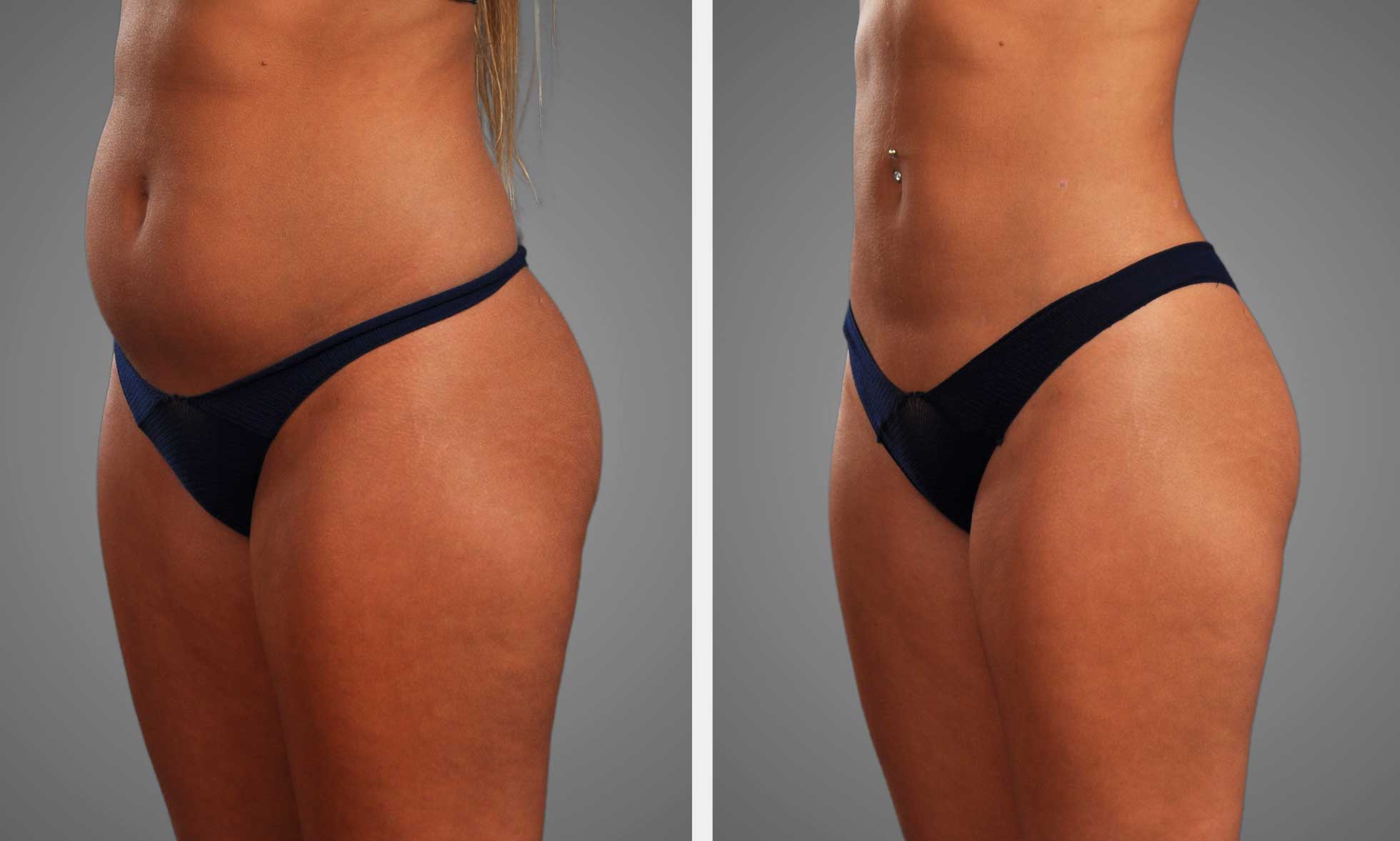
Fat transfer simultaneously improves breast reconstruction and stubbornly stores fat on the body. This reshapes the breasts but also provides body contouring benefits to improve the overall body look. They said blending fat harvesting with breast reconstruction offers the convenience of two concerns in one procedure. Patients might experience improved self-esteem through body reshaping, as they achieve a more desirable silhouette. Additionally, fat grafting can alleviate pain from capsular contracture, contributing to the procedure’s therapeutic benefits. Fat grafting maintains up to 60% of volume per session but typically requires at least two sessions. This technique minimizes the number of additional surgeries while also increasing patient satisfaction.
Expectations During the Procedure
Anesthesia and Comfort Measures
When it comes to fat transfer in breast reconstruction, anesthesia is an important part of keeping patients comfortable. Usually, patients are asleep during the surgery under general anesthesia, meaning they won’t feel anything throughout. In some cases, local anesthesia with sedation might be an option, particularly if the procedure is less extensive. This choice lets the patient be awake, yet relaxed, with minimal discomfort.
Comfort measures are another key aspect, designed to make the experience as pain-free as possible. This can include pre-operative medications to reduce anxiety and pain, as well as post-operative pain management strategies. Sedation comes into play — this calms nerves and makes the entire experience much easier for both the patient and the dental team. The surgical team continuously checks the patient’s comfort level throughout the procedure. They make any adjustments needed to ensure maximum comfort at all times.
Duration and Steps of the Procedure
A fat transfer procedure can take from two to four hours depending on the patient’s needs. This includes prep time, the actual procedure, and initial recovery. Your procedure then starts with fat harvesting. Surgeons gently suction out fat from areas like the abdomen or thighs. Once harvested, the fat is processed and purified, and then carefully injected into your breast area.
The complexity of the procedure can affect the total time required. More extensive reconstructions may need longer sessions or even several procedures to achieve the same results. Patients should expect this, knowing that multiple sessions may be required to achieve the desired results.
Immediate Post-Procedure Experience
The first few hours after the procedure, patients may feel a little swollen, tender, or slightly bruised in the targeted areas. Those are normal and anticipated parts of the recovery process. Rest and recovery at this moment are absolutely critical. They help your body heal and adapt after surgery.
Follow-up appointments are essential to track progress and ensure any concerns are addressed. The surgical team uses these appointments to make sure the healing process is going well. They also ensure that the patient is satisfied with the results.
Post-Procedure Care Instructions
Managing Swelling and Discomfort
After a fat transfer in breast reconstruction, you should manage swelling and discomfort. Cold compresses can help lower swelling. Apply them gently to the affected area for 15-20 minutes at a time. Be sure to take breaks in between, especially during the first 48 hours after the procedure. You might want to try over-the-counter pain relief, such as acetaminophen (Tylenol) or ibuprofen (Advil) to alleviate your discomfort. Always follow your surgeon’s guidance about which medications and dosages are optimum for you. It’s important to prop the upper body up while resting or sleeping, because this reduces swelling. If you listen closely to the surgeon’s guidance, you can manage symptoms effectively and support a prompt recovery.
Activity Restrictions and Guidelines
After fat transfer, following activity restrictions is crucial for proper healing. Initially, avoid heavy lifting and vigorous exercise. Avoid activities that place strain on your upper body for approximately 4 to 6 weeks. This allows the transferred fat to settle and integrate properly. Resuming normal activities gradually — beginning with light walking — helps to promote circulation without exerting yourself. Ultimately, patients need to listen to their bodies. They should avoid any activity that causes them discomfort or pain.
Skin Care and Hygiene Practices
Effective skin care around the injection sites is crucial for avoiding infection and facilitating healing. Gentle cleansing with mild soap and water is recommended to keep the area clean. Moisturizing practices should also include non-comedogenic and fragrance-free products to keep the skin hydrated. Stay away from harsh products like exfoliants and alcohol-based toners. They can irritate your sensitive skin after a procedure. Following these guidelines has the same effect as creating an optimal environment for healing and reducing the chance of complications.
When to Contact a Healthcare Provider
Recognizing Signs of Complications
Patients should become familiar with typical signs that could suggest problems after fat transfer in breast reconstruction. Persistent swelling that doesn’t dissipate over time along with fever can be a sign of something underlying. If a patient notices extensive bruising that does not fade, they should seek medical advice as soon as possible. Recognizing this issue is vital. These signs can be indicative of fat necrosis or absorption — when fat cells die or are reabsorbed. If you have any history of smoking, you should be especially watchful because this increases the risks. Immediate medical attention is essential should any complications arise.
Understanding Normal vs. Abnormal Symptoms
Learning how to distinguish normal healing symptoms from those requiring medical attention is important. After the procedure, swelling and bruising are normal, usually peaking within a week and then subsiding. If the swelling is accompanied by increased redness or severe pain, it could be cause for concern. Fever higher than 101.5°F (38.6°C) is another reason to call a doctor. Patients should trust their instincts. If they notice any unusual symptoms, such as a wound that isn’t healing properly or changes in breast shape or size, they should consult their provider right away. Reaching out to healthcare professionals can help clear up questions.
Maintaining Open Communication
Open lines of communication between patients and their surgical team are paramount. If they have questions or concerns, they shouldn’t hesitate to ask. This dialogue is critical for anyone who is going to get pregnant because sometimes TRAM surgeries can cause problems. Notify us immediately of any severe pain or unusual symptoms. This quick action helps your healthcare providers address possible complications sooner, which can improve your recovery. For one in five women, that can look like complications after surgery. Keeping the lines of communication open with these healthcare team members helps enormously in managing that post-operative journey.
Conclusion
Fat transfer in breast reconstruction opens new doors for many after mastectomy.
This technique marries science and artistry, providing a natural touch and appearance.
It takes fat from one area and moves it to another, so you get a double benefit.
It sounds complicated, but the right guides will help you move through the process seamlessly.
The body heals, and the changes show over time.
The results can help increase confidence and provide comfort.
It’s different for everyone, but the fundamental thing is a boost to well-being.
Wondering about this option? Chat with a specialist.
Your questions are important, and a professional will take you step by step through the details.
Explore, inquire, and determine if this is the right way for you.
Take action and ask for a little bit more personal advice.
It’s the next step you take that could truly impact your recovery and how you feel about yourself.
Frequently Asked Questions
What is fat transfer in breast reconstruction?
Fat transfer, or fat grafting, is a procedure that utilizes your body’s own fat. It helps reconstruct the breast after a mastectomy. It creates a natural look and feel by transferring fat from other body areas to the breast.
How does fat transfer work?
Fat transfer requires liposuction to remove fat from areas like the thighs or abdomen. The fat is then purified and injected into the breast area. This adds shape and volume to the reconstructed breast.
What are the benefits of fat transfer?
Fat transfer provides natural-looking results and a softer feel compared to implants. It also reduces the risk of rejection since it uses your own tissue. It can enhance body contour in the donor area.
What should I expect during the procedure?
The process is minimally invasive and usually done under local anesthesia. Liposuction is performed to harvest fat, which is then injected into the breast. The process takes a few hours, and you are typically able to go home the same day.
How should I care for myself after the procedure?
After the procedure, follow your surgeon’s instructions carefully. Wear compression garments, avoid strenuous activities, and keep the incision sites clean. Attend all follow-up appointments to promote proper healing.
When should I contact a healthcare provider?
If you have uncontrolled pain, redness, fever, or any other concerning symptoms, contact your doctor right away. You can make sure you are as healthy and safe as possible by taking action quickly. Prompt attention can prevent complications and ensure a smooth recovery.