Directions
 Call Us
 Email Us


Key Takeaways
- Fat grafting is a technique that moves fat from one area of your body to the area in need. By utilizing liposuction to safely harvest the fat, a more natural and compatible result is achieved. Popular destinations for fat transfer include the buttocks and breasts.
- Integrating fat grafting with liposuction is revolutionizing body contouring. It achieves the dual goal of removing unwanted fat, while adding volume to desired areas, all in one session!
- Fat grafting provides natural-looking results, and as a natural procedure, is a safer alternative to synthetic implants. When paired with appropriate post-surgery care, it improves skin texture and leaves you with longer-lasting results.
- First, we liposuction the fat and purify it to ensure the quality. Finally, we gently inject the fat into specific areas to create a smooth, tailored outcome.
- After surgery, recovery begins with an initial healing period. During the recovery period, you’ll be guided step-by-step back into your regular routine, focusing on reducing pain, limiting scarring, and avoiding potential complications.
- To ensure optimal fat grafting results, always select an experienced, board certified plastic surgeon. Beyond that, make sure you’re a good candidate with realistic expectations and sufficient donor fat.
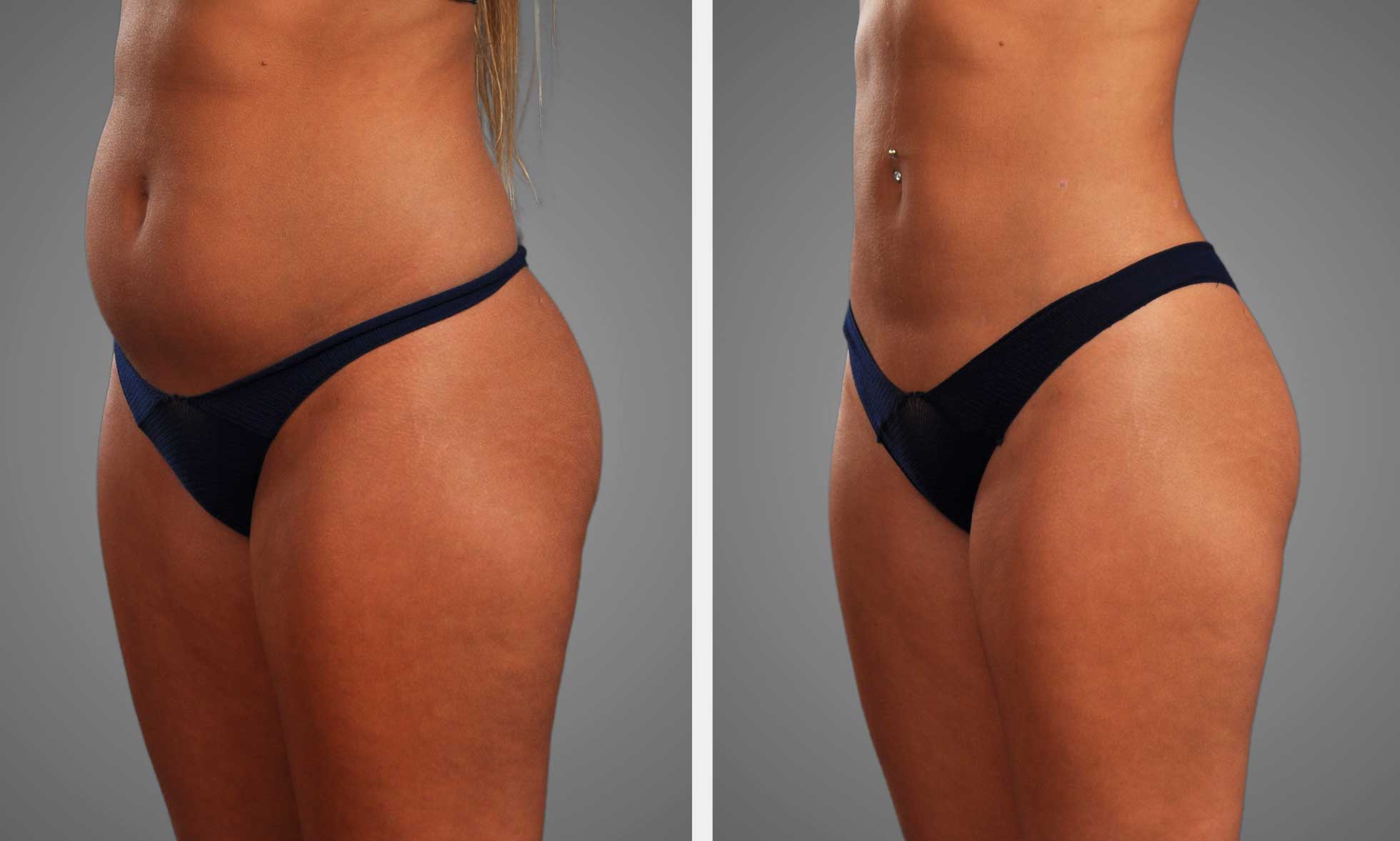
Creating impressive results with fat grafting and liposuction is all about reclaiming shape and definition to your body while adding volume where it’s needed most.
Fat grafting is the procedure that utilizes your body’s natural fat, harvested by liposuction, to augment areas such as the face, breasts or buttocks. This process ultimately contributes to a more balanced and natural appearance without the use of synthetic implants.
Liposuction removes stubborn fat deposits from areas such as the abdomen, thighs, or upper arms. This innovative procedure contours the entire body, producing attractive, sculpted lines and a slimmer silhouette.
Integrating these techniques together can achieve the best outcomes possible, delivering beautiful, natural-looking results customized to your unique goals. These two procedures go hand-in-hand to define, tone, and improve your body.
They offer a dynamic alternative for all those who seek a global strategy to improve body contouring and aesthetics.
What Is Fat Grafting
Fat grafting is a procedure that takes fat from one area of your body and injects it into another area. The aim might be to improve volume or shape. This procedure uses liposuction to remove fat from places where it has built up, like the stomach, legs, or hips.
The fat is then processed and injected into the targeted sites such as the buttocks, breasts, or face. Using your own body’s fat—known as autologous fat—eliminates any chance of rejection or negative reaction since the substance is entirely compatible.
Fat transfer is most often used to augment the buttocks, producing the trendy Brazilian Butt Lift (BBL) look. It puts special emphasis on the breasts, improving their shape and symmetry. Smaller transfers are often used for facial rejuvenation, restoring volume to areas such as the cheeks or under the eyes.
How Fat Grafting Works
The fat grafting process starts with donor site selection, in which the surgeon chooses where there is an excess of fat deposits. Through liposuction, fat is extracted using small cannulas—3 mm or smaller, usually.
The harvested fat is then processed to isolate the most viable fat cells from other impurities. After purification, the technician injects the fat into the recipient site with finesse and precision.
They employ very specific techniques to achieve an even distribution and to reduce cell death. Technique is key, as research indicates that more than half of the fat cells could die if not properly handled.
The newly transferred fat requires time to form its own blood supply. This process can take as long as six months before you see the end results.
Why Combine Fat Grafting With Liposuction
When fat grafting is performed in combination with liposuction, aesthetic benefits are maximized. Liposuction eliminates stubborn bulges, contouring the waistline, thighs, and more, while fat grafting takes this new-found fat and uses it to restore volume and definition in other places.
This two-pronged approach provides a complete body contouring solution that restores harmonious proportions. For instance, taking fat from the stomach and injecting it in the butt can create a dramatic hourglass shape.
Getting these procedures done in one session greatly increases the efficiency of the process, decreasing recovery time and making everything flow together seamlessly.
Benefits Of Fat Grafting With Liposuction
This fat transfer surgery with liposuction utilizes fat harvesting and redistribution techniques to create a more aesthetically pleasing body contour. This method effectively reshapes and contours your body by injecting collected fat into regions lacking volume, returning both cosmetic and restorative benefits.
Enhanced Body Contouring Results
Fat grafting offers beautiful, smooth transitions between treated areas, leaving you with a natural, sculpted appearance. For instance, fat taken from the tummy can be strategically injected to enhance the contours of the hips, creating an attractive symmetry.
Different from traditional processes, this technique can be tailored to each person’s goal, allowing for very specific contouring. Concerns like hollow cheeks or uneven thighs can be addressed with precision.
The end result frequently converts into favorable self-image and confidence, as patients feel more at ease with the shape of their body they have always wished for.
Natural-Looking Breast Augmentation
Having breast enhancement done with one’s own fat provides soft, natural, subtle results. Unlike synthetic implants, fat grafting eliminates risks associated with implants such as capsular contracture or implant displacement.
This method provides for more precise volume additions, yielding a more natural proportionality. In addition, it promotes a young appearance by restoring volume to sunken regions, providing a rejuvenated appearance.
Long-Lasting Effects And Results
With stable weight and proper maintenance and care, grafted fat has the ability to integrate permanently into tissues. Research indicates that as much as 85% of the transferred fat stays viable after the procedure.
These outcomes are upheld by lifestyle changes, including a healthy diet.
Improved Skin Texture And Appearance
Fat grafting is a perfect treatment to combat skin aging. Adipose stem cells inside grafts encourage collagen creation, smoothing wrinkles and improving complexion.
Eventually, over the course of treatment, patients experience improvements in texture and tone and overall skin health.
Fat Grafting Process Explained
Fat grafting, or fat transfer, is an exciting procedure. It is a two-step process that requires liposuction to harvest fat followed by fat injections to improve body contours or replace lost volume. This process is based on artistry and thoroughness, with an emphasis on achieving beautiful outcomes while protecting patient safety.
We’ve outlined every step of the fat grafting process to give you a better idea of what to expect.
1. Harvesting Fat From Donor Areas
The first step is to harvest fat from donor sites, usually the abdomen, thighs or flanks. Surgeons use minimally invasive liposuction techniques to remove fat through small incisions using a thin, hollow tube called a cannula.
Today, advanced techniques such as tumescent liposuction are designed to minimize discomfort and swelling while maintaining the integrity of the harvested fat cells. Choosing adequate donor fat is imperative, since the quantity harvested is what ultimately makes or breaks the success of the graft.
For instance, large volume fat grafting (100–200 mL) may necessitate wider donor zones compared with small volume transfers.
2. Purifying Extracted Fat
After it is harvested, the fat goes through a process of purification to separate impurities such as blood, oil and excess fluids. This step is important for enhancing graft survival rates, since the purified fat more effectively moves into the intended area.
Techniques including centrifugation and filtration produce high-quality fat, ensuring the highest level of regenerative potential. Adipose stem cells harvested in the process have been found to improve outcomes based on their regenerative qualities.
3. Injecting Fat Into Target Areas
This purified fat is then injected into the new chosen locations through ultra-fine cannulas. Surgeons meticulously layer the fat in small amounts to achieve a natural appearance and texture.
Precision in placement is key for optimal, uniform results, and multiple injection sites work to produce smooth, natural-looking contours. Highly trained injectors are imperative at this point in the process since a lack of technique can cause the graft to fail.
The fat cells soon begin to develop a blood supply of their own, with final, stabilized results seen at around six months.
Recovery Expectations And Tips
Knowing what to expect during recovery after fat grafting with liposuction is key to enjoying the best possible results. Recovery is a complex process with many phases, all of which need tenderness and time. You can help your body’s healing by understanding what to expect.
By adhering to these suggested guidelines, you’re setting yourself up to get the most benefit from the procedure.
Recovery Timeline After The Procedure
Recovery milestones typically follow a predictable pattern after fat transfer surgeries, as patients experience varying fat graft survival rates.
- Swelling and bruising are expected. Compression garments aid in swelling reduction as well as support the surgical areas. Rest is the most important thing right now.
- Patients can start with light activity, such as walking short distances, to encourage blood flow. Heavy lifting and exercise are still out of the question.
- The swelling goes away, and the energy comes back. Reintroduce daily activities gradually, but don’t push yourself past your limits.
- Final results, including fat graft retention, become noticeable. Follow-up appointments are important to track progress and address any concerns.
Managing Pain And Discomfort
Pain and swelling can be controlled with medications prescribed by your surgeon and by applying cold compresses. When resting, keeping your leg elevated prevents excess pain.
Make sure to have ongoing conversations with your provider about pain and if the dosage needs to be adjusted.
Tips For Minimizing Scarring
- Keep incision areas clean and hydrated.
- Use silicone-based products if recommended.
- Avoid direct sun exposure during healing.
When To Resume Daily Activities
Going back to work can be an option in two weeks. Steer clear of heavy lifting/exertion for 4–6 weeks, then ease back into physical activity according to your body’s signals.
Be mindful of your boundaries and don’t push yourself to avoid injury.
Risks And Considerations
When combined, fat transfer procedures and liposuction provide a powerful, effective, and customizable treatment for body contouring. As with all cosmetic surgery, it has its risks and considerations. Understanding these factors allows for better decision-making, along with being honest about the fat transfer results you can expect to achieve.
Potential Complications To Know
Complications Fat grafting procedures are considered safe, yet complications can still arise. Fat necrosis complicates up to 2.5% of patients. It occurs when transferred fat cells die, resulting in hardened lumps or bumps under the skin.
Infection, while rare at 1.8%, is still a risk and can need urgent medical care. Other potential risks include fat embolism, when fat globules enter the circulation, which can be fatal. Moreover, contour irregularities can result in irregular outcomes.
Many patients end up with chronic pain, seromas or hematomas. Even though these complications are uncommon, they may need further management to treat. Minor swelling and bruising are to be expected but can take weeks to go away, which can postpone visible results.
Importance Of Choosing Skilled Professionals
Selecting a skilled plastic surgeon plays a pivotal role in minimizing complications and achieving desired results. Experienced surgeons not only reduce the likelihood of adverse effects but ensure more predictable outcomes.
Reviewing their credentials, board certifications, and patient reviews offers insight into their expertise. Consultations allow patients to address concerns, evaluate trust, and understand procedural specifics.
Skilled professionals guide realistic expectations, highlighting that fat transfer might require multiple sessions and periodic touch-ups to maintain results.
Who Is A Good Candidate
Knowing who makes the ideal candidate for fat transfer surgeries with liposuction will help you achieve the best fat transfer results. The procedure involves a combination of fat extraction and redistribution to enhance body shaping contours. To determine if it’s the best choice for you, several factors require close examination.
Ideal Candidates For Fat Grafting
There are some specific traits that would indicate someone is an excellent candidate for fat transfer surgeries, particularly in achieving successful fat grafting outcomes.
- Maintaining a consistent weight is crucial. Large changes can make the outcome go in the opposite direction.
- A balanced diet and regular exercise support recovery and long-term outcomes.
- Sufficient donor fat: Adequate fat reserves in areas like the abdomen or thighs ensure successful grafting.
- It’s important that candidates know that only 50-70% of the fat we transfer usually survives, which sets up realistic expectations.
Factors That May Affect Suitability
Several factors influence suitability for fat transfer surgeries.
- Health issues like diabetes or poor circulation may impair healing.
- Younger patients or those with good skin elasticity tend to see better results.
- Scar tissue from past procedures can affect fat retention and placement.
- A thorough evaluation by a board-certified surgeon ensures safety and aligns goals with realistic outcomes.
Preparing For The Procedure
There are a few key steps you can take leading up to your procedure to promote optimal results. Knowing what to expect isn’t just important—it’s critical.

Preparing for the procedure involves making important lifestyle changes, which is just as crucial in helping you have a safer, more successful procedure. Communicate openly and regularly with your surgical team. Follow their advice to have an easy recovery and enjoy your new smile for years to come.
Pre-Procedure Consultation Steps
During your consultation, your surgeon will cover essential topics to evaluate your readiness and set clear expectations.
First, discuss any previous surgeries, medical history, and current medications to allow your surgeon to evaluate risks and make plans accordingly. Be clear about what you want to achieve, and give the surgeon the opportunity to modify the procedure to your goals.
Additionally, discover what to expect during the fat grafting procedure and how liposuction and fat transfer complement each other. Be clear about recovery timelines and requirements, like the need to wear compression garments for a few weeks and stay away from strenuous activity.
This detailed process is integral to creating a level of trust and ensuring you feel completely comfortable with each step.
Lifestyle Changes Before Surgery
By committing to a healthier lifestyle before your surgery, you can ensure a smoother recovery and better overall surgical outcome.
Surgeons universally advise smoking cessation at least four weeks prior to surgery. This important step leads to healthier healing once the procedure is done. Maintaining hydration and abstaining from alcohol in the days prior to your procedure leads to more positive results.
Nutrition and exercise are important stages to get your body ready. Eating a healthy diet full of vitamins and lean protein helps the body heal itself. Regular, moderate-level physical activity improves blood flow.
Mental preparation is just as crucial. Focusing on the exciting changes to come and keeping the mood upbeat will help make this transition smoother and manage expectations.
Conclusion
Fat grafting with liposuction is the intelligent way to contour your body. It provides volume exactly where you require it the most. This powerful combination marries precision with versatility to help you create a more balanced, natural appearance. It’s a pretty simple process and with the right preparations and post-op care, recovery can be quick and easy.
Whether you’re looking for the most natural enhancement or a more significant transformation, this procedure delivers customized outcomes that align with your aesthetic aspirations. Having honest discussions with your surgeon, preparing in advance, and adhering to post-recovery instructions will all contribute to your overall success.
Get started today by contacting a qualified provider you trust. A consultation will provide you with the information and assurance you need to feel confident in your decision to pursue this advanced treatment.
Frequently Asked Questions
What is fat grafting with liposuction?
Fat transfer surgeries utilizing liposuction are increasingly popular for their natural-looking results. This cosmetic procedure involves harvesting excess body fat from one area, processing it through advanced fat processing techniques, and injecting it into another area to enhance contours and create volume.
What are the benefits of combining fat grafting with liposuction?
Together, these fat transfer procedures create smooth, contoured body lines while delivering long-lasting, natural-looking volume. It’s a double whammy, targeting both fat reduction and successful fat grafting at the same time.
How long does recovery take after fat grafting with liposuction?
Most people can return to all normal activities in 1 to 2 weeks after fat transfer surgery. Final fat transfer results don’t appear until after a few months, when swelling has gone down and the transplanted fat has had time to settle in.
Are the results of fat grafting permanent?
So is fat transfer surgery worth it? It sure is, considering that the fat transfer results are long-lasting. It’s ideal to be at a stable and appropriate weight, as large weight changes will impact fat graft survival.
Is fat grafting safe?
Fat transfer surgeries, when performed by an experienced plastic surgeon, are generally safe procedures. Potential risks such as infection, bruising, or uneven fat absorption are uncommon when appropriate care and fat processing techniques are utilized.
Who is a good candidate for fat grafting with liposuction?
A good candidate for fat transfer surgeries is in overall good health and has clearly defined, realistic expectations. They may have excess body fat in one area that can be easily transferred through fat grafting techniques.
How should I prepare for a fat grafting procedure?
Quit smoking, eat a healthy diet, and adhere to any pre-operative instructions given to you by your surgeon to ensure optimal fat transfer results. Avoid blood thinners and any other medications as instructed by your physician.