Directions
 Call Us
 Email Us


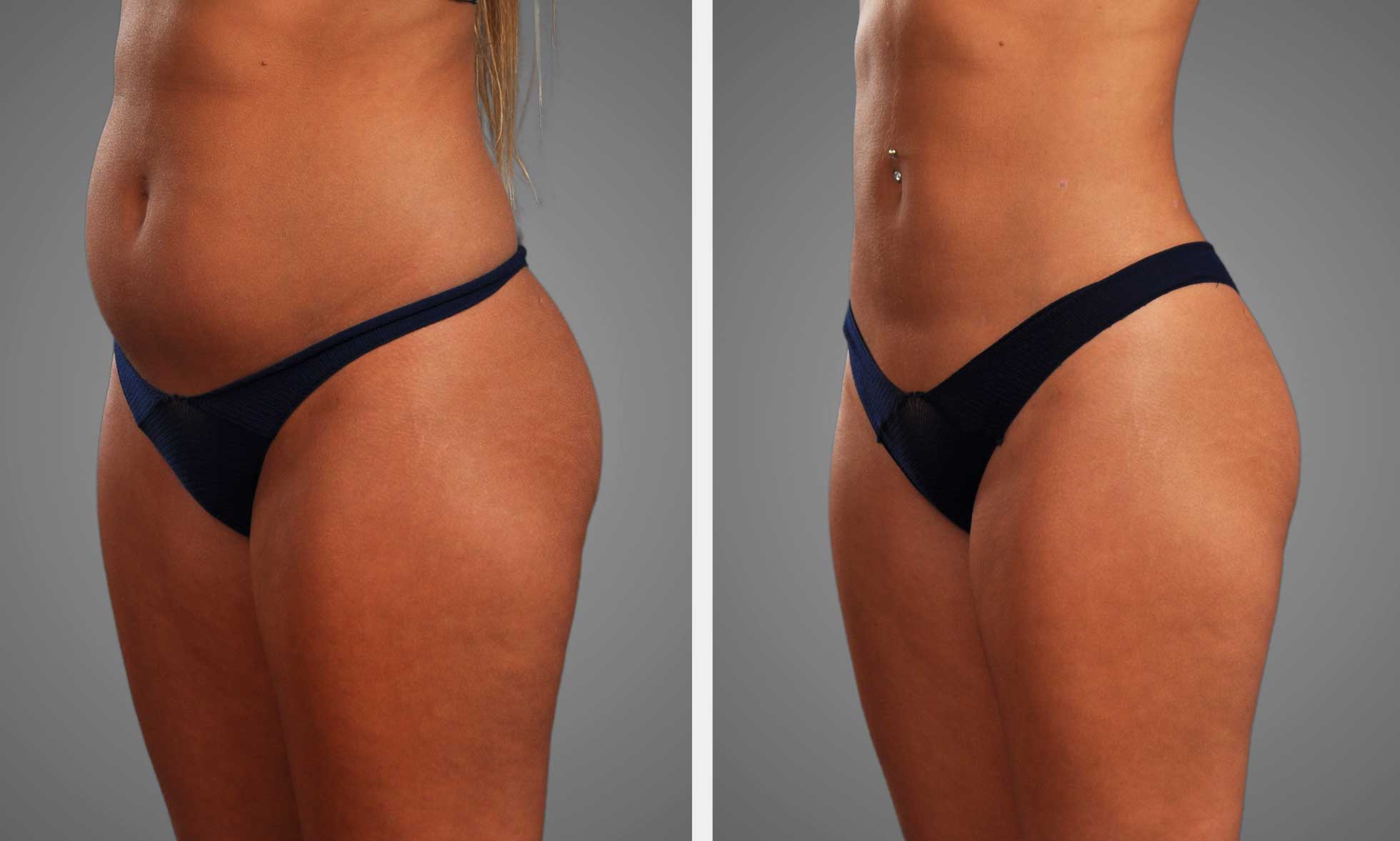
Around 30% of people experience irregularities after liposuction. These uneven results can be frustrating and disheartening. Fortunately, correcting liposuction irregularities with fat transfer in cases of varying size and number is a game-changer. This method not only smooths out those bumps but also enhances body contours.
Fat transfer uses your own body fat to fill in the gaps, creating a more natural look. It’s a two-in-one solution that improves both appearance and self-confidence. Patients often see significant improvements in their overall silhouette. With skilled hands, this technique can restore balance and harmony to your figure after botched liposuction or previous liposuction surgery, addressing any liposuction deformities and enhancing definition liposuction. If you’re dealing with post-liposuction issues, fat transfer may be the answer you need.
Key Takeaways
- Liposuction irregularities can occur, but fat transfer is an effective method for correction, improving the overall appearance of treated areas.
- Consider the benefits of fat transfer, such as natural-looking results and the dual advantage of body contouring and volume enhancement.
- Evaluate if fat grafting is suitable for you by consulting with a qualified surgeon who can assess your specific needs and health status.
- Prepare for your fat transfer procedure by following your surgeon’s pre-operative instructions to ensure a smooth process.
- Understand the different anesthesia options available to you, as this can affect your comfort during the procedure.
- Pay attention to recovery and aftercare tips provided by your surgeon to optimize healing and achieve the best results.
Understanding Liposuction Irregularities
Common Irregularities
Different liposuction irregularities can occur after surgery. Patients may experience uneven fat removal, leading to uneven liposuction results. This can create noticeable bumps or depressions on the skin. Dimpling is another common issue that arises from improper technique or uneven fat distribution. Contour deformities can also happen with structural fat grafting, where the body does not have a smooth and natural shape post-definition liposuction.
Causes of Irregularities
Surgeon inexperience often contributes to these problems. Many liposuction procedures require a skilled hand to ensure even fat removal. A poorly performed procedure can lead to botched liposuction results. Patient-specific factors can also play a role. For instance, skin elasticity, body type, and healing capacity vary among individuals. These factors may affect how the body responds after traditional liposuction.
Psychological Impact
The psychological effects of liposuction irregularities can be significant. Patients may feel disappointed or embarrassed by their appearance. They might struggle with self-esteem issues due to unexpected outcomes. Many individuals undergo liposuction to improve their confidence. When results are poor, it can lead to feelings of frustration and sadness.
Physical Impact
Physically, patients may experience discomfort from irregularities. Uneven surfaces on the skin can cause irritation or pain during movement. Some may need additional liposuction or corrective procedures to address these issues. Revision liposuction surgery becomes necessary for many who seek to correct poor liposuction results. This can involve more time in recovery and added costs.
Corrective Procedures
Corrective liposuction procedures aim to fix these irregularities. Surgeons use various techniques in corrective liposuction surgery to enhance contours and smoothen uneven areas. Fat transfer is one method used to fill in dimples or uneven spots left by previous surgeries. This process involves taking fat from another area of the body and injecting it into the affected regions.
Benefits of Fat Transfer for Correction
Smoothing Irregularities
Fat transfer plays a key role in liposuction correction surgery. It helps to smooth out the irregularities left behind after lipo procedures. These irregularities can include lumps, dents, or uneven skin texture. By using fat grafting, surgeons can fill in these areas effectively. This technique allows for a more even body contour.
Surgeons extract fat from areas with excess fat, such as the abdomen or thighs. They then purify and inject this fat into the irregular areas. The result is a smoother appearance. Patients often notice significant improvement in their overall shape.
Natural Look and Feel
The natural look and feel of fat grafting make it a preferred choice over synthetic fillers. Synthetic fillers can sometimes lead to an artificial appearance. In contrast, fat transfer uses the patient’s own tissue. This reduces the risk of rejection and provides a more authentic feel.
Fat cells integrate well into the surrounding tissues. This promotes a natural blend with existing body contours. Patients appreciate that the results look and feel like their own body. They experience less discomfort compared to synthetic alternatives.
Dual Benefit
Fat transfer offers a dual benefit during lipo repair treatment. It not only corrects irregularities but also removes unwanted fat from other areas. This means patients can achieve two goals in one procedure: improved contour and reduced fat.
For instance, if someone has stubborn love handles and uneven thighs, they can address both issues simultaneously. The surgeon can take fat from the love handles and use it to smooth out the thighs. This approach enhances body balance and proportions.
Long-lasting Results
Many patients enjoy long-lasting results from fat transfer procedures. Once the transferred fat establishes itself in the new area, it behaves like normal fat tissue. It can provide enduring improvements to body shape.
Patients should maintain a stable weight for optimal outcomes. Weight fluctuations can affect how the transferred fat looks over time. However, when managed correctly, patients often report satisfaction with their enhanced appearance.
Minimal Recovery Time
Recovery from fat transfer is generally quicker than other corrective surgeries. Patients usually experience mild swelling and bruising, which resolves within weeks. Most individuals return to daily activities within a few days.
Surgeons provide specific aftercare instructions to ensure smooth healing. Following these guidelines can help maximize results and minimize complications.
Is Fat Grafting Right for You
Ideal Candidates
Fat grafting can be a beneficial option for many individuals. Ideal candidates typically have adequate donor fat available for the transfer. This fat is often taken from areas like the abdomen, thighs, or flanks. Candidates should also be in good overall health. Conditions such as obesity or certain chronic illnesses can affect the outcome of the procedure.
Surgeons assess body composition before recommending fat grafting. They look for patients with stable weight and realistic expectations. A healthy lifestyle enhances recovery and results. Those who smoke may need to quit before surgery. Smoking affects blood flow and can hinder healing.
Realistic Expectations
Patients must have realistic expectations about the results. Fat grafting is not a miracle cure. It improves contour but does not create perfection. Understanding that some fat may be absorbed by the body after the procedure is essential. This absorption can lead to changes in volume and shape.
Discussing goals with a plastic surgeon helps set these expectations. Surgeons explain what results are possible based on individual circumstances. They provide before-and-after photos from previous patients to illustrate potential outcomes.
Commitment to Care
Post-procedure care is crucial for achieving desired results. Patients must commit to following their surgeon’s instructions closely. This care includes avoiding strenuous activities and wearing compression garments as advised.
Surgeons usually schedule follow-up appointments to monitor recovery. Attending these appointments is important. It allows surgeons to address any concerns promptly. Patients should report unusual symptoms, such as excessive swelling or pain.
Consultation Importance
Consultation with qualified fat grafting plastic surgeons is vital. During this meeting, surgeons evaluate individual suitability for the procedure. They review medical history and perform physical examinations.
Surgeons discuss potential risks and complications associated with grafting procedures. They also explain different techniques, including structural fat grafting, which focuses on restoring volume while maintaining natural contours.
Patients should feel comfortable asking questions during the consultation. Understanding the entire process reduces anxiety and builds confidence in decisions made about surgery.
Preparing for the Fat Transfer Procedure
Pre-Surgery Steps
Patients need to prepare carefully before undergoing a fat transfer procedure. Avoiding certain medications is crucial. Blood thinners, such as aspirin and ibuprofen, should be stopped at least two weeks before surgery. These medications can increase bleeding risks during and after the liposuction procedure. Smoking cessation is also vital. Smoking can slow healing and increase complications.
Consult with your doctor about any current medications. They will provide specific instructions tailored to your health needs. Following these guidelines helps ensure a smoother recovery process.
Stable Weight Maintenance
Maintaining a stable weight is essential before the fat transfer. Significant weight changes can affect the outcome of the procedure. Patients should aim for a healthy lifestyle that includes balanced nutrition and regular exercise. This approach not only improves overall health but also enhances skin quality.
Many lipo procedures require a stable fat volume for effective grafting. Gaining or losing weight can alter the fat available for transfer, impacting results. A consistent weight allows for better planning and execution of the fat transfer process.
Post-Surgery Support
Arranging post-surgery support is an important step that patients often overlook. After the procedure, individuals may experience swelling and discomfort. Having someone to assist with daily tasks can make recovery easier. This support could include help with meals, transportation, and household chores.
Transportation is especially critical on surgery day. Patients should not drive themselves home after the procedure. Anesthesia effects can linger, making it unsafe to operate a vehicle. It’s best to have a friend or family member ready to assist.
Time Considerations
Understanding the time commitment for recovery is also necessary. The initial healing phase usually lasts one to two weeks. During this time, activities may be limited. Patients should plan their schedules accordingly to allow for rest and healing.
Follow-up appointments are essential after performing liposuction and fat transfer. These visits help monitor progress and address any concerns promptly.
Skin Care
Skin quality affects outcomes in fat transfer procedures. Healthy skin promotes better integration of transferred fat into the body. Patients should follow a skincare routine leading up to surgery. Hydration and proper moisturizing can improve skin elasticity.
After the procedure, continued attention to skin care will support healing and maintain results.
Overview of the Procedure
Fat Harvesting
The procedure begins with fat harvesting. Surgeons identify suitable areas on the body to extract fat. Common locations include the abdomen, thighs, or flanks. They use liposuction techniques to remove unwanted fat. This involves inserting a cannula through small incisions. The process typically takes about one to two hours.
After fat removal, surgeons prepare the harvested tissue for transfer. They place the fat in sterile containers for purification. This ensures that only healthy fat cells are used for grafting.
Centrifuge Use
A centrifuge plays a crucial role in this process. It spins the harvested fat at high speeds. This separates viable fat cells from unwanted fluids and debris. The result is a concentrated fat solution ready for injection.
Using a centrifuge improves the success rate of grafting. Healthy fat cells have a better chance of integrating into the target area. This step enhances overall results and patient satisfaction.
Precise Markings
Surgeons make precise markings on the targeted areas before grafting. These markings guide them during injection. They ensure even distribution of fat across the desired location. Proper sculpting is essential for achieving natural-looking results.
Surgeons often take time to plan the approach carefully. They consider the patient’s body shape and desired outcomes during this consultation phase. Each case is unique, and planning reflects individual needs.
Grafting Process
The surgery continues with fat grafting into the marked areas. Surgeons inject small amounts of purified fat using a syringe. They layer the fat strategically to create volume and contour.
Each injection requires careful attention to detail. Surgeons monitor how much tissue they add at each point. This helps avoid overfilling any section, which can lead to irregularities.
Recovery Timeline
Patients can expect some swelling after surgery. Swelling may last several days but usually subsides within two weeks. Doctors provide specific instructions for post-operative care to manage discomfort and promote healing.
Follow-up appointments help monitor progress and address concerns. Patients should adhere to their recovery plan for optimal results.
Final Thoughts
Correcting liposuction irregularities with fat transfer requires skill and precision. Each step, from harvesting to grafting, contributes to successful outcomes. Understanding this procedure helps patients feel more confident in their choices.
Anesthesia Options
General Anesthesia
General anesthesia involves rendering the patient completely unconscious. This type of anesthesia is commonly used for extensive procedures. During liposuction, a doctor administers general anesthesia through an intravenous (IV) line or inhalation. The surgical team monitors the patient’s vital signs closely throughout the procedure.
Patients often choose general anesthesia for larger areas being treated. It allows for a more comfortable experience since patients won’t remember anything from the surgery. However, recovery can take longer compared to other options.
Local Anesthesia with Sedation
Local anesthesia numbs only the targeted area. A surgeon injects a local anesthetic directly into the skin and tissues where fat removal occurs. Patients remain awake but may receive sedation to help them relax during the procedure.
This option is suitable for smaller areas of liposuction. Many patients prefer local anesthesia because it usually leads to quicker recovery times and fewer side effects. Some patients feel more in control when they are awake during the procedure.
Factors Influencing Choice
Several factors influence the choice of anesthesia for liposuction. The extent of the procedure plays a significant role. Larger liposuction areas often require general anesthesia for safety and comfort.
Patient preference also matters greatly. Some individuals may feel anxious about being awake during surgery, while others prefer to avoid the risks associated with general anesthesia. Discussing these preferences with the surgical team helps ensure that each patient receives appropriate care.
Importance of Discussion
Discussing anesthesia options with the surgical team is crucial. Patients should feel comfortable asking their surgeon questions about what to expect. This conversation can clarify doubts and allow patients to express concerns regarding pain management and recovery.
Surgeons assess each patient’s medical history before recommending an anesthesia type. They consider factors like allergies, previous surgeries, and overall health. Open communication fosters trust between patients and their doctors.
Patients should not hesitate to voice their preferences during consultations. Understanding different anesthesia types empowers patients to make informed decisions about their care.
Recovery and Aftercare Tips
Managing Bruising
Bruising is common after fat transfer. It usually appears around the grafted areas. This can last for several days to weeks. To help manage bruising, apply cold compresses. Cold packs reduce swelling and numb pain. Use them for 15-20 minutes at a time.
Elevating the treated areas can also help. Keep your body in an elevated position when resting. This minimizes blood flow to the area and reduces bruising.
Reducing Swelling
Swelling is another typical part of recovery. Expect it to peak around 48 hours post-procedure. To combat this, stay hydrated and follow your surgeon’s guidelines on fluid intake. Avoid salty foods as they can worsen swelling.
Wearing a compression garment is essential. This garment supports the grafted areas and helps control swelling. Follow the surgeon’s advice on how long to wear it each day.

Alleviating Soreness
eness may occur as well, especially in the first few days. Over-the-counter pain relievers can help ease discomfort. Always consult with your doctor before taking any medication.
Gentle movements are encouraged after a few days. Light stretching can improve circulation without putting pressure on grafted areas.
Avoiding Pressure
Avoid applying pressure on the grafted areas during recovery. This is crucial for ensuring the fat cells survive and integrate into the surrounding tissue. Direct pressure can lead to uneven results or loss of transferred fat.
Refrain from sitting or lying directly on treated areas for at least two weeks. Use soft pillows or cushions to support your body while resting.
Returning to Work
Most people can return to work within one week after the procedure. However, this depends on individual recovery rates and job demands. Those with physically demanding jobs may need longer off work.
Listen to your body and consult your doctor about when it’s safe to return.
Resuming Exercise
Light exercise can typically begin around two weeks post-op. Walking is encouraged as it promotes circulation without straining the body. Avoid high-impact workouts until cleared by your surgeon.
Gradually increase activity levels as healing progresses.
Expected Results and Improvements
Realistic Expectations
Patients should set realistic expectations for their results after fat transfer. Typically, the most visible changes occur between four to six months post-surgery. During this period, the body adjusts and the transferred fat settles into its new location. Initial results may vary due to swelling or bruising, which can obscure the final outcome.
Influencing Factors
Several factors can influence the success rate of fat grafting. The quality of the harvested fat plays a crucial role. Fat that is healthy and well-preserved leads to better results. The surgical technique used by the team also affects outcomes. An experienced surgeon can optimize fat survival rates through careful handling and placement.
Patient characteristics are equally important. A candidate’s overall health significantly impacts healing and fat retention. Lifestyle choices such as smoking or poor diet can hinder recovery. Patients must follow post-operative care instructions diligently to maximize their results.
Long-Term Improvements
Long-term improvements in body contour and symmetry are common after correcting liposuction irregularities with fat transfer. Many patients report enhanced body shape and more balanced proportions. These changes contribute to increased confidence and satisfaction with their appearance.
Photos before and after the procedure often show significant transformations. Candidates frequently express joy over their improved figures. It’s essential for patients to communicate openly with their surgeon about desired outcomes. This dialogue helps ensure that expectations align with potential results.
Managing Soreness
eness is a common experience following the procedure. Most patients experience some discomfort, especially during the first few weeks of recovery. Pain management strategies, including prescribed medication, help alleviate this issue. Following post-operative care advice minimizes soreness and supports healing.
Success Stories
Many patients share their positive experiences after undergoing this procedure. They highlight how fat transfer has helped them regain confidence in their bodies. Success stories often include testimonials about improved body image and satisfaction with results.
In summary, understanding what to expect from fat transfer is crucial for candidates considering this option. Results typically become clear within four to six months, influenced by various factors like technique and patient health. Long-term improvements in contour and symmetry can lead to greater satisfaction, making this procedure a viable choice for those seeking correction of liposuction irregularities.
Potential Risks and Considerations
Infection
Infection is a possible risk after any surgical procedure, including fat transfer. Bacteria can enter the body through incisions. This can lead to serious complications. Symptoms of infection include redness, swelling, and fever. If not treated quickly, an infection can worsen. Proper care and hygiene during recovery are essential to minimize this risk.
Fat Necrosis
Fat necrosis occurs when transferred fat cells do not survive. This can result in lumps or hard areas under the skin. These unwanted components may require further treatment or surgery to correct. Understanding that not all fat cells will thrive helps manage expectations. Surgeons often advise patients about the potential for fat necrosis before the procedure.
Asymmetry
Asymmetry is another concern with fat transfer procedures. Uneven results can happen if the surgeon does not distribute fat evenly. This might lead to one area appearing fuller than another. Correcting asymmetry often requires additional procedures. Patients should be aware of this possibility before undergoing surgery.
Choosing an Experienced Surgeon
Selecting a qualified surgeon is crucial for minimizing complications. An experienced surgeon understands the nuances of fat transfer techniques. They can assess individual needs and provide tailored solutions. Researching credentials and reading patient reviews is important. A good surgeon will discuss potential risks in detail and answer any questions.
Thorough Discussions
Before proceeding with fat transfer, patients should engage in thorough discussions with their healthcare provider. This conversation should cover both risks and benefits of the procedure. Understanding what to expect helps patients make informed decisions. Discussing personal health history is also vital, as it may influence outcomes.
Patients should feel comfortable asking questions about their specific case. Clarity on what to expect post-surgery is key for peace of mind. A well-informed patient is more likely to have realistic expectations.
Final Remarks
Correcting liposuction irregularities with fat transfer can transform your body and boost your confidence. Understanding the benefits, preparation, and recovery is crucial for achieving the best results. Fat grafting offers a natural solution to smooth out uneven areas, giving you a more balanced appearance. Knowing the potential risks helps you make informed decisions.
If you’re considering this procedure, consult with a qualified professional to discuss your options. Your journey to a smoother silhouette starts with the right guidance. Don’t wait—take the next step towards the body you desire today!
Frequently Asked Questions
What are common liposuction irregularities?
Common irregularities include uneven contours, lumps, and depressions. These can occur due to improper technique or healing issues.
How does fat transfer correct liposuction irregularities?
Fat transfer involves harvesting fat from another body area and injecting it into the irregular areas. This smooths out contours and enhances overall appearance.
Who is a good candidate for fat grafting?
Ideal candidates are those with noticeable irregularities after liposuction, in good health, and have realistic expectations about results.
How do I prepare for a fat transfer procedure?
Preparation includes consultations with your surgeon, discussing medical history, and following pre-operative instructions like avoiding certain medications.
What anesthesia options are available for fat transfer?
Patients typically receive local anesthesia with sedation or general anesthesia. Your surgeon will recommend the best option based on individual needs.
What is the recovery time after fat transfer?
Most patients can return to normal activities within one to two weeks. Full recovery may take several months as swelling subsides.
Are there risks associated with fat transfer?
Yes, potential risks include infection, uneven results, and fat absorption. Discuss these with your surgeon to make an informed decision.