Directions
 Call Us
 Email Us



Key Takeaways
- Noninvasive options such as cryolipolysis, ultrasound, and RF are gaining popularity for their ability to slim fat with minimal discomfort and downtime. This makes them great choices for individuals looking for targeted contouring without surgery.
- Minimally invasive and surgical options continue to play a vital role for truly dramatic transformations, treating excess skin, muscle separation, and high-volume fat removal. They tend to yield longer-lasting results when combined with appropriate aftercare.
- Mixing noninvasive, minimally invasive, and surgical approaches into tailored plans produces more nuanced, achievable results by aligning methods with an individual’s unique anatomy, objectives, and downtime requirements.
- There are some significant female-specific influences on body sculpting trends including hormonal changes, fat distribution and tissue changes following pregnancy, which can influence procedure choice and results. Practitioners should customize treatments and consider hormonal health in treatment planning.
- Lifestyle measures such as exercise, strength training, skincare, and weight management are necessary to sustain results. At-home devices can complement but generally do not substitute for in-office treatments.
- Whatever route you decide, check out the practitioner’s credentials, be realistic about what the results will provide and their upkeep, and consider short-term expense versus long-term investment to make the safest and best choice for you.
Female body sculpting trends are shifting to less invasive procedures and tailored treatment plans. There are recent shifts towards targeted fat reduction, muscle toning, and skin tightening using non-surgical methods like cryolipolysis, radiofrequency, and focused ultrasound.
Interest surges for female body sculpting programs that mix at-home regimens, coached strength workouts, and clinical treatments for tangible impact. They want defined timelines, achievable results, and recovery information now.
The bulk of the article details treatments, their advantages and disadvantages, and how to maintain results.
Current Trends
Body sculpting interest has expanded far past elite clinic clients to a wider, more varied audience. Cosmetic acceptance has blossomed, fueled by social media and a broader cultural emphasis on self-improvement. Demand is high: almost 47% of Americans express interest in undergoing body sculpting, and that interest fuels both noninvasive innovation and refinements in surgical care.
Here are the top trends in how women sculpt today.
1. Non-Invasive Tech
Noninvasive alternatives include cryolipolysis, ultrasound, and radiofrequency (RF) to reduce fat and firm skin. Cryolipolysis, marketed as CoolSculpting, freezes fat cells for the body to remove. Ultrasound devices destroy fat at specific depths. RF heats tissue to tighten skin.
It seeks out those stubborn pockets that won’t yield to diet and exercise. The appeal is clear: minimal discomfort, no cuts, and short visits. Most people feel like they can resume normal activities immediately after treatment.
Average treatments last between 30 and 60 minutes, and apparent transformation may require weeks to months. Several sessions are usual, and some effects occur as late as 6 months after therapy. Favorites are CoolSculpting, SculpSure (laser fat reduction), ultrasound fat reduction, and nonsurgical muscle-stim like CoolTone.
They are most effective for contour refining and circumference loss, not high-volume fat removal. They work for thighs, stomach, and arms when realistic targets are established.
2. Minimally Invasive Options
Minimally invasive methods represent a middle ground between noninvasive tech and full surgery. Laser lipolysis and injectable lipolysis use tiny entry points or injections to break down fat with less trauma. The recovery is briefer than with traditional surgery and the swelling is milder.
Developments in fat grafting allow surgeons to transfer tiny amounts of fat to mold hips, butts, or breasts with more precision. These steps are applicable to patients with stubborn pockets remaining after dieting or pregnancy and those seeking a subtle lift.
These types of options assist in skin quality through collagen stimulation.
3. Surgical Refinements
Surgical routes still reign when you need high-volume change or loose skin extraction. Today’s liposuction, tummy tuck, and body lifts are more exact. Surgeons intend to repair separated muscles, remove lax tissue, and reshape large areas all at once in a single operation when safe.
One surgery can provide dramatic contour change and long-lasting results. The risks and recovery are more significant, but surgical innovations minimize complications and enhance scarring. Many patients elect to couple surgery with postoperative noninvasive treatments to finesse tone.
4. Personalized Plans
We customize treatment plans based on body shape, goals, and medical history. Providers map target areas such as thighs, arms, and abdomen, then mix techniques: noninvasive for small areas, minimally invasive for medium, and surgery for large.
Continuous evaluation is important because strategies might change as outcomes develop.
5. Athletic Aesthetics
There’s a move toward athletic looks: clear muscle definition and tight skin. Nonsurgical muscle stimulators combine with strength training, such as squats, lunges, and core work, to enhance tone. A lot of ladies want slimmer lines and tight skin without mass.
Outcomes take time and sessions with realistic expectations.
The “Why” Behind Trends
Women’s body shaping trends come out of a blend of peer pressure, evolving aesthetics, and technological innovation. Historical patterns show the ideal female form has not been fixed. Art and fashion favored curvy, full-figured women in the 17th and 18th centuries, then shifted to the waif-like look of the 1920s, and swung back toward curvier shapes in the 1990s with celebrity influence.
These changes define what people want from surgical and nonsurgical body sculpting. Social media and longstanding beauty standards spur demand. Platforms present filtered, photoshopped pictures and celebrity bodies that are difficult to compete with offline. That visual pressure links to real harm: studies note peaks in disordered eating in the 1920s and 1980s, which were periods of very thin ideals.
Modern research finds nearly a third of children aged 5 to 6 in the US pick an ideal body that is thinner than theirs. Witnessing stricken ideals too soon and too frequently pushes certain individuals into interventions that offer quicker outcomes than diet or exercise alone. Pre-composed filters that slim waists or enhance curves then turn into the filter stencils that clients pull out during consultations.
Meanwhile, increasing emphasis on body confidence and positive body image fuels another aspect of demand. The 21st century media and fashion worlds have slowly embraced more body types. A lot of patients come in looking for sculpting, not necessarily to conform to one ideal, but to feel more at home in their wardrobe, eliminate stubborn areas that won’t budge, or reclaim their body after pregnancy.
Practical examples include a woman who may choose liposuction for a stubborn flank despite being generally fit, or who opts for noninvasive fat reduction to smooth a post-pregnancy silhouette. Those decisions are often driven by a desire for improved fit, movement, or confidence, not celebrity proportions.
Technological advancement expands possibilities. Surgical innovations deliver precision liposuction and safer contouring, whereas noninvasive modalities — cryolipolysis, RF, and ultrasound — provide lower-risk avenues to shift form with reduced downtime. Better safety, faster recovery, and more transparent results data still drive a lot of clients to more recent innovations.
For example, a person wary of general anesthesia might select a series of in-clinic, needle-less sessions to melt fat over months.
Comparing motivations for surgical versus nonsurgical choices:
| Motivation | Surgical (e.g., liposuction, body lift) | Nonsurgical (e.g., cryolipolysis, RF) |
|---|---|---|
| Degree of change wanted | Major, immediate | Moderate, gradual |
| Recovery tolerance | Accepts longer downtime | Prefers minimal downtime |
| Risk tolerance | Accepts higher risk for bigger gain | Prefers lower risk, repeatable sessions |
| Cost horizon | Higher one-time cost | Lower per-session cost, multiple visits |
| Long-term predictability | More predictable contours | Variable, needs maintenance |
Female-Specific Factors
Female bodies have unique patterns of fat distribution, skin texture and muscle configuration which impact how body sculpting is designed and administered. These variances are caused by anatomy, hormones, life events like pregnancy and cultural pressures that inform patient objectives. Treatments must align with those specifics to be safe and effective.
Hormonal Impact
Hormones dictate where and how fat accumulates and how skin reacts post-treatment. Estrogen, for instance, encourages fat storage around the hips and thighs, creating that classic “pear” shape of many women. In puberty, increasing estrogen and progesterone lay down lifelong fat storage patterns.
Pregnancy causes large shifts, including increased fat stores, stretched skin, and changes in abdominal muscle integrity from diastasis recti. Menopause deflates estrogen, redistributing fat to the belly and loosening the skin.
Scheduling treatments involves understanding a patient’s hormonal cycle. A recent pregnancy, breastfeeding, or perimenopause switches up both safety and outcome expectations. Keeping an eye on hormonal health through simple blood work or working with your primary care provider or endocrinologist helps time interventions and manage metabolic factors that drive fat regrowth.
Examples include delaying elective liposuction until postpartum weight has stabilized and advising hormone evaluation in women with rapid, unexplained fat changes.
Anatomical Nuances
Your unique anatomy determines where to take fat away, where to keep it, and how to sculpt underlying muscle. Women generally have thicker subcutaneous fat over hips and thighs and thinner fat over the abdomen than men. This influences energy parameters for laser-assisted lipolysis and where to avoid aggressive suction to prevent contour abnormalities.
Detailed mapping prior to therapy of natural curves, dimples, scar lines, and weak fascia directs surgical and non-surgical plans. Skin laxity and diastasis recti require more than just fat removal. A tummy tuck or focal radiofrequency may be required when there is no skin retraction.
Muscle plication closes separation and contours the waist. Examples include combining liposuction with a mini tummy tuck for localized loose skin or using ultrasound to tighten layers before fat reduction in cellulite-prone areas.
Long-Term Results
Long term results are contingent on your weight maintenance, lifestyle, and skin care. Surgical procedures often produce more durable change, but maintenance matters. Regain of 5 to 10 percent bodyweight can reveal new deposits or loose skin.
Non-surgical solutions provide less downtime and increasing popularity, though they sometimes require repeat visits. Post-treatment plans might include realistic timelines, skincare (sun protection, retinoids where safe) and weight management.
Follow progress with consistent before and after pictures and measurements to identify relapse early. Social factors matter. Media-driven ideals and unrealistic images can push patients toward repeated or risky interventions. Counseling and clear communication can lessen that burden.
Beyond The Clinic
Body contouring has moved away from quick surgical solutions toward a more holistic collection of options that integrate with daily life. Non-invasive and minimally invasive are the norm, and many of us blend therapies to achieve improved, longer-lasting outcomes. Affordability is still an issue and treatment planning is increasingly using AI to customize sessions.
Regenerative medicine and stem-cell research are new fields, particularly for skin rejuvenation and fat transfer. The global market reached $8.4 billion in 2023 and is growing, fueling more home devices, spa treatments, and hybrid care models.
Lifestyle Integration
Daily cardio and targeted weight training help maintain the form that surgeries sculpt. Strive to get strength sessions in two to three times a week, supplementing with specific moves such as hip thrusts for glutes, planks and Pallof presses for core, and single-leg work for balance.
Cardio choices vary: brisk walking, cycling, or interval sprints, depending on fitness and joint health. Skincare provides immediate results. A steady diet of gentle cleansing, daily SPF, and retinols or peptides at night helps maintain elasticity and tone.
Advanced in-office peels or laser maintenance can be spaced every few months to extend results. Dietary changes aid fat loss and muscle build by prioritizing protein, which should be 1.2 to 1.6 grams per kilogram for active adults, fiber, and balanced fats while reducing refined carbs. Hydration and sleep are nonnegotiables for healing.
Use a simple tracking table to spot gaps: days exercised, protein grams, sleep hours, skin routine complete, and mood rating. Minute trends indicate what to tune.
At-Home Devices
Consumer choices now encompass RF skin-tightening wands, low-level ultrasound applicators, cryolipolysis pads, and EMS muscle stimulation devices. These instruments may keep tone between clinic visits, but typically pack less dramatic punch than their professional counterparts.
DIY workouts and home devices are safe when used according to instructions. Expert treatments typically see quicker, bigger results. Combination therapies, such as combining in-clinic RF or ultrasound with at-home maintenance, mirror real life and generally yield the most comprehensive results.
Popular home tech includes monopolar RF for collagen tightening, high‑intensity focused ultrasound for focal fat heating, and EMS for muscle tone. Set realistic goals: expect maintenance and modest tightening, not surgical contour changes.
Consider cost‑benefit: some devices pay off over time and others may add expense without clinical gains.
Mental Wellness
Physical change and emotional health are intertwined. Many pursue contouring to boost confidence, but procedures can precipitate or expose body image issues. Screen for unrealistic expectations before treatment and consider professional support if obsessive checking or persistent dissatisfaction emerges.

Emphasize self-acceptance as much as optimizations. Here, journaling, therapy, or peer support can be beneficial in tracking shifts in your mood and body perception. Include simple measures in your plan: weekly mood notes, confidence scales, and checklists for satisfaction with specific areas.
Mental wellness care minimizes the risk of remorse and encourages long-term, healthy results.
Choosing Your Path
Body sculpting today ranges from noninvasive to surgery. Here, you map goals to treatments, weigh benefits and risks, and compare procedures by priorities so you can choose with clear information and fewer surprises.
Realistic Expectations
Make specific goals. Liposuction versus CoolSculpting. For fat reduction, liposuction and CoolSculpting both eliminate fat pockets, but liposuction sculpts more dramatically in a single surgery while CoolSculpting may require repeated sessions to create a mild transformation.
Other procedures, such as tummy tucks, address loose skin and muscle laxity, which noninvasive devices cannot. Be aware that outcomes differ by initial anatomy, age, skin quality, and lifestyle.
Significant difference occasionally demands a hybrid approach. One patient may employ radiofrequency to tighten skin after fat removal. Another may combine muscle-stimulating treatments with nutrition and exercise. If your aim is sculpted contours instead of a “perfect body,” you’re positioned for satisfaction.
Don’t anticipate that one therapy will wipe out all worries. Scarring, asymmetry, and partial relapse exist. Embrace these smaller victories, such as a tighter waist, smoother figure, or clothes hanging a different way, as legitimate results that contribute to your longer-term objectives.
Practitioner Vetting
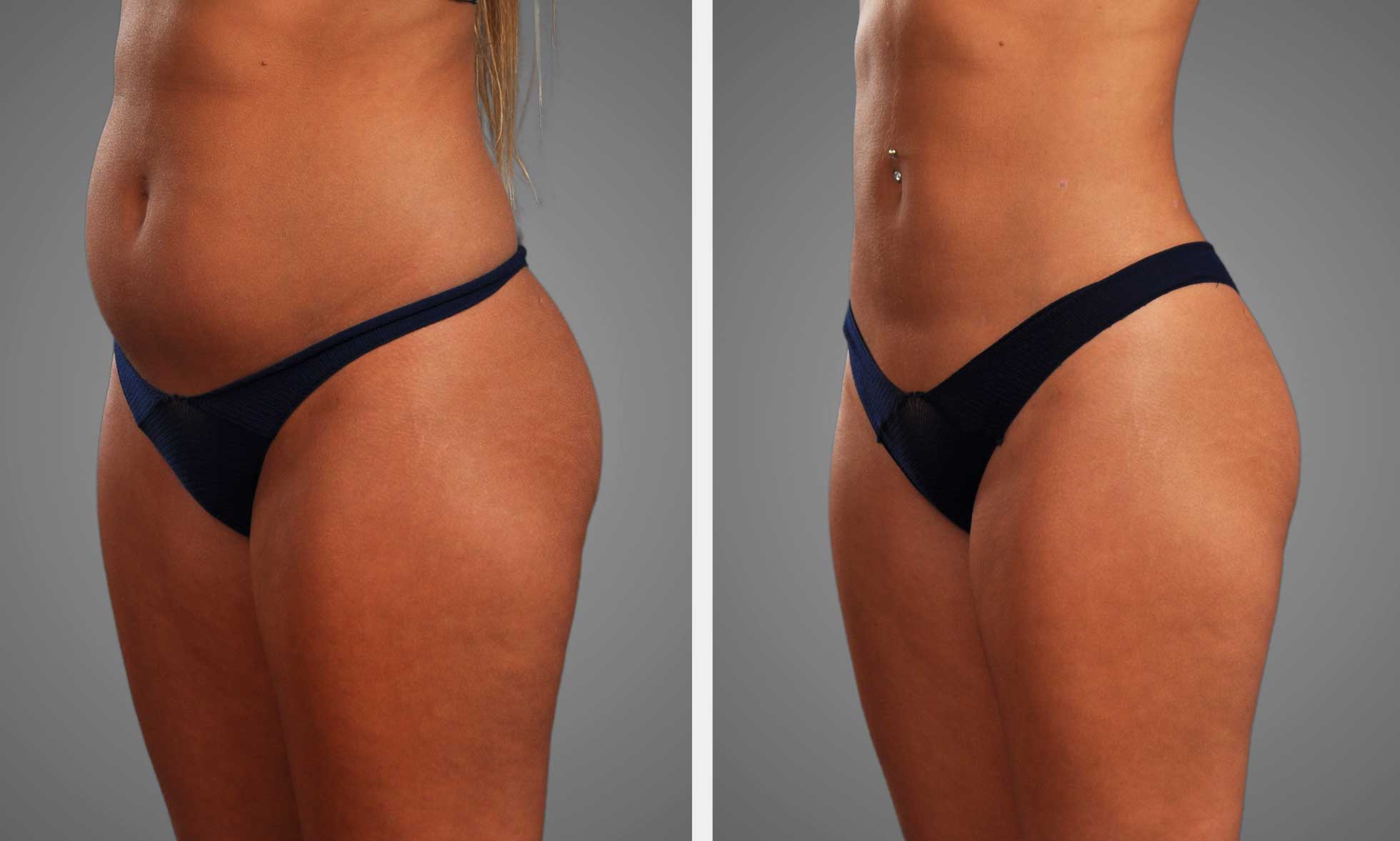
Credentials first. Verify that surgeons are board certified and noninvasive specialists have the proper certifications. Scan a few before-and-after galleries and patient testimonials to identify common outcomes and transparent complication reporting.
Inquire into art and technology. Contemporary body contouring employs a combination of ultrasound-assisted liposuction, power-assisted instruments, cryolipolysis such as CoolSculpting, and focused energy approaches. A practitioner should tell you why a particular tool suits your anatomy better than the others and demonstrate with case studies.
Visit the clinic in person when possible. Evaluate cleanliness, staff communication, and the thoroughness of pre-treatment assessment. Clinics with clear protocols for safety, emergency care, and follow-up usually indicate higher patient satisfaction.
Financial Reality
Costs vary widely by treatment, area treated, and location. Liposuction can go for $3,000 to $6,000 a pop. Noninvasive ones tend to run about $1,500 a pop, but usually require multiple visits.
Surgical options might require a single-fix investment, extended downtime, and a big upfront price tag, while non-surgical routes often translate to membership dues. Consider added expenses: pre-op tests, compression garments, medications, follow-up visits, and possible revision procedures.
Compare long-term value versus short-term price. A single effective surgery can be cheaper over years than repeated maintenance sessions for some people.
| Procedure type | Typical cost (USD) | Downtime | Notes |
|---|---|---|---|
| Liposuction | $3,000–$6,000 | Weeks | Strong contouring, surgical risks |
| Tummy tuck | $5,000–$12,000 | Weeks–Months | Removes skin, repairs muscles |
| CoolSculpting | ~$1,500 per session | Little–none | Multiple sessions often needed |
| Energy-based skin tightening | $800–$2,500 | Little | Best for mild laxity, maintenance |
The Future Lens
The future of female body sculpting will be characterized by a combination of innovative technologies, enhanced personalization, and continued emphasis on patient safety. Clinics will mix hardware and attention so individuals can achieve their contour objectives in safer, more permanent manners. This transition will rely on improved technology, more intelligent strategies, and a more transparent vision of holistic wellness over band-aids.
Forecast the emergence of even more groundbreaking treatments and cutting-edge techniques in the beauty world. Anticipate newer lasers and focused ultrasound systems to accomplish more with less downtime. Non-invasive devices like CoolSculpting and SculpSure will get smarter about targeting small pockets of fat. New platform designs will reduce session time and boost comfort.
Stem cell use will expand for skin tone and fat transfer, tapping into regenerative medicine to assist tissue in better integrating after reshaping. Today’s device makers will want to steer toward smaller, modular units that clinicians can tune for various body zones, ranging from underneath the chin to the inner thigh.
Look for more personalization and more precision in the body sculpting realm thanks to technology. AI imaging is already widespread in clinics and will become more so. Around 80% of clinics now use AI imaging to customize consultations and demonstrate probable outcomes.
That allows providers to map fat, tissue depth, and vascular layout prior to treatment, selecting the precise energy settings or cannula path. Minimally invasive procedures, such as newer liposuction techniques, will frequently take only 35 to 60 minutes depending on the vascular region addressed, reducing patient time under anesthesia and reducing risk.
Patients will receive treatment plans that display projected results, recovery timelines, and incremental choices instead of cookie-cutter proposals. Imagine treatment plans and smart devices with AI-driven decision-making to achieve the best possible outcomes.
Wearables and at-home devices will feed recovery data back to clinics, so teams can adjust compression, activity, and follow-up care on the fly. AI would flag issues earlier by tabulating swelling trends or temperature fluctuations. Imaging and machine learning will help select when a touch-up is actually required versus normal healing, minimizing unnecessary procedures.
Imagine if this trend extended into overall well-being, integrating body, mind and beauty for the supreme body makeover. Providers will combine sculpting with nutrition, physical and mental health care so outcomes endure.
Ethical issues will emerge, particularly regarding affordability, as access to sophisticated care could be constrained by price. Solving for price and equity will matter as much as the technology.
Conclusion
Women body sculpting gets a mix of mini, transparent objectives with fresh tech and safer treatment. Treatments emphasize shape and tone and follow natural lines. Lifestyle, hormones and culture influence decisions. At-home devices and improved follow-up provide more control and reduce clinic visits. Check for licensed staff, transparent before-and-after documentation and transparent pricing information. Sample one small shift initially, monitor effects in weeks, and select alternatives that complement lifestyle and well-being. Anticipate incremental tweaks over the next couple of years as instruments become more accurate and healing windows shrink. If you want assistance in weighing options or making a plan, get in touch for a quick consult and a customized step-by-step guide that works with your schedule.
Frequently Asked Questions
What are the most popular female body sculpting trends right now?
Non-invasive procedures such as cryolipolysis (fat freezing), radiofrequency skin tightening, injectable body contouring, and targeted muscle stimulations are among the top trends. They provide less downtime and more subtle, natural-looking outcomes.
How do female-specific factors affect body sculpting choices?
Hormones, pregnancies, fat distribution, and skin elasticity all play a role. Providers evaluate these factors to customize treatments and manage expectations.
Are non-surgical sculpting options effective long term?
They work wonders, mixed in with some healthy diet and exercise. Results can be long lasting but frequently require upkeep and lifestyle consistency.
What safety and certification should I look for in a clinic?
Select medical providers with board-certified physicians or qualified practitioners. Inquire about published results, before and after pictures, and complication rates.
How do I decide between surgical and non-surgical procedures?
Think about downtime, how fast you want results, cost, and risk tolerance. Surgical options provide more dramatic change, while non-surgical options minimize recovery and risk.
Can body sculpting help with post-pregnancy body changes?
Yes. It can address excess fat, loose skin, and muscle separation. Once cleared medically, a customized plan is the optimal approach.
What should I expect during the consultation?
Anticipate a detailed medical history, physical examination, an explanation of your options, a realistic discussion of results and risks, and a customized treatment plan including costs and timeline. Question and ask for credentials.