Directions
 Call Us
 Email Us



Key Takeaways
- Flank lipo was always for a bony flank with an ambiguous or somewhat flat nipple and an asymmetrically positioned nipple to sternum distance.
- Best candidates are healthy, near their ideal weight, and have reasonable expectations about results and downtime.
- You’ll start seeing changes within 1 to 2 weeks as swelling subsides. Final results may take up to 3 to 6 months as your body heals.
- Maintaining a healthy weight, adhering to aftercare guidelines, and embracing healthy lifestyle habits are crucial for enduring results.
- When you select a skilled plastic surgeon and remain informed throughout the process, you can increase your safety and satisfaction.
- By exploring both the risks and rewards, individuals can make informed decisions that align with their wellness journey.
Flank fat pocket lipo results
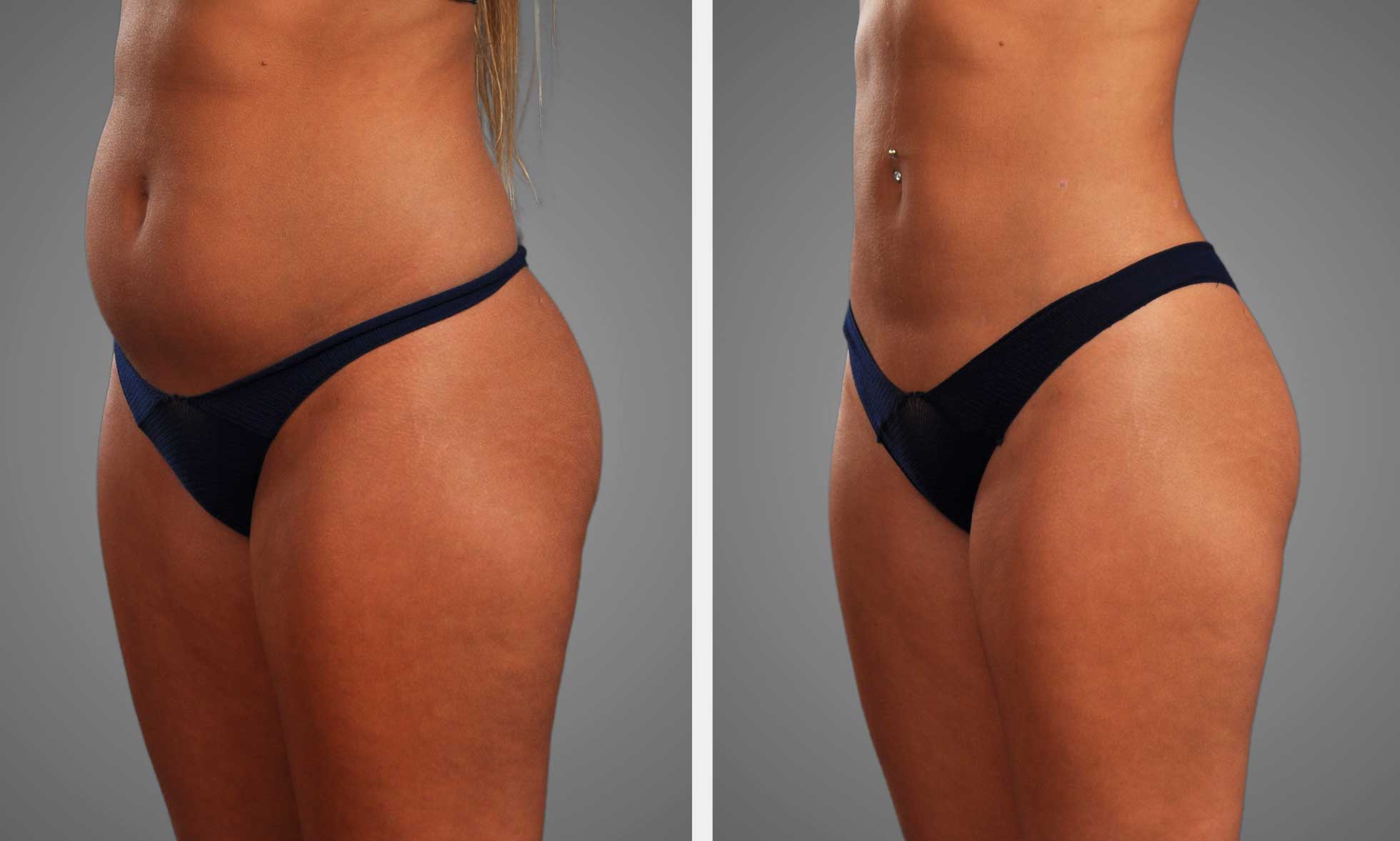
Smaller waists, smoother sides post-healing. Flatter flanks and less bulge under clothes is what many people experience.
While most changes will begin to show in a few weeks, the best results come over a few months as the swelling subsides. Results vary based on skin, body type and adherence to aftercare.
This guide outlines what to expect, typical results, and recovery hacks.
Understanding Flanks
Flanks or love handles are the soft areas on the side of the torso between the ribs and hips. We all have trouble losing fat here even with diet and exercise. This area is known to cling to pesky fat, causing body shape worries and self-confidence issues. Knowing how fat accumulates and how surgical extraction works helps establish reasonable objectives and expectations for anyone considering flank liposuction.
| Common Flank Concerns | Description |
|---|---|
| Bulging love handles | Fat deposits that spill over waistbands |
| Blurred waistline | Lack of definition between waist and hips |
| Tight clothing discomfort | Clothes fitting poorly around the midsection |
| Resistant to exercise | Fat persists despite regular physical activity |
| Uneven body proportions | Sides look larger compared to the rest of the torso |
Flanks liposuction is about more than looking good. The anatomy of this area and the way fat lies under the skin is important. Expert carving away can contour your waist for a harmonious, organic result.
The Anatomy
The flanks are the area between your lower ribs and the top of your hips, encircling each side of your torso. Beneath the skin, there is a layer of subcutaneous fat, overlaying muscles such as the obliques and lats. This fat layer is what provides the flanks their soft, rounded appearance.
How much fat stores here depends on genetics and body type. We all have our own personal flanks, genetically speaking, some being predisposed to store more fat in the sides, irrespective of weight. Some may not have much fat there. Age, hormones, and lifestyle all factor in as well.
Subcutaneous fat is the prime target of liposuction. Its width can alter the perception of your waist and hips. By extracting just these fat cells, the surgeon can spare deeper tissues and muscles from trauma.
Flank liposuction involves small incisions near the flank area. A skinny straw, known as a cannula, removes the fat. The surgeon contours the region to create a more sculpted, defined waistline. Results are permanent if the individual maintains a stable weight.
Ideal Candidates
They know their flanks. They should know what’s coming and not wish for flawless. Liposuction contours but doesn’t substitute for healthy living.
Skin that can rebound is crucial. Good elasticity allows the skin to contract after fat is eliminated. Younger individuals usually have the advantage of better skin bounce, but even older folks can experience nice effects if their skin is fit.
General good health is important. Diseases such as heart disease or diabetes could complicate surgery. Nonsmokers and individuals who heal well are perfect candidates. Age is less important than health and skin quality.
Active eaters have better result longevity. Maintaining a stable weight and staying active prevent new fat from accumulating. Liposuction is ideal for shaping, not weight loss.
Expected Outcomes
Flank fat pocket liposuction creates a more defined waist and a greater equilibrium to your body. Swelling and bruising are typical immediately after surgery. Most individuals experience initial shape changes very early. You’ll begin to see the results as the swelling decreases, typically within one to two weeks.
It can take three, six months, or even a year before the final look settles as the body heals. The emphasis is on trimming the waistline to create a more athletic or proportioned appearance. These outcomes are contingent upon postoperative care and variables such as your age, skin quality, and maintaining a consistent weight.
1. Immediate Aftermath
In the initial post-liposuction period, your waistline may already appear leaner even with swelling. Clothes may hang a little differently and some curves are now more prominent. Bruising and discomfort are to be expected, but these symptoms generally begin to subside after a few days.
Most patients experience mild to moderate soreness and the region may feel firm or numb. Care instructions are critical to follow, including keeping the area clean and wearing any suggested dressings. Initial gains can boost optimism, but time is required to heal.
2. First Few Weeks
Swelling and bruising subside gradually during the initial weeks. For most, a compression garment assists with this by minimizing swelling and holding the new shape. A few light activities, such as walking, are recommended to increase circulation and assist healing.

Any intense exercise should be deferred for a minimum of a month. The body’s shape continues to shift during this period. By the end of the first month, the waist frequently looks more defined and moving around feels smoother.
3. Three to Six Months
Healing continues over 3 to 6 months and the final results begin to reveal themselves. The waist may be way more defined and the silhouette looks sleeker. Durable success relies on maintaining a stable weight.
Many people are just happier with how they look as their targets are achieved. If the swelling remains, it can persist for as long as a year.
4. Long-Term Outlook
Flank liposuction can provide a permanent lift to self-esteem and body confidence. Results can be long-lasting if a healthy lifestyle is maintained. Weight gain can still alter the appearance of treated and untreated areas.
Good eating and moving habits keep those results firm. Visiting a surgeon for regular check-ups ensures recovery remains on course.
5. Influencing Factors
Skin elasticity, age, and overall health come into play. Post-operative care, such as following guidance and wearing compression garments, facilitates healing. It depends on your metabolism how quickly you recover.
A healthy lifestyle fuels sustained success by halting weight creep and maintaining the slim midsection.
The Procedure Journey
Flank fat pocket liposuction is a journey with milestones and control points. Each step influences the outcomes and the patient experience. It’s not just the surgery that determines the result, but planning and patient education and support pre- and post-op.
The process begins with research and locating a board certified plastic surgeon. Choosing a surgeon who regularly performs flank liposuction with a track record will guarantee not only a safer procedure but superior results.
Next up is the consultation, where the surgeon examines your health and discusses your objectives. Photos or imaging set expectations. Once we decide on a course, preparation involves eating right, staying away from some meds and setting up recovery.
For surgery day, small incisions are created in less visible areas. Depending on the technique, either tumescent or vaser, the procedure spans one to three hours. Recovery includes contending with swelling, bruising, and sensitivity. Most people are off light work for a week.
Results appear immediately. Complete transformations are evident one to two months later as swelling subsides and skin adjusts.
Consultation
Your initial consultation with a plastic surgeon prefaces the entire experience. Patients go over health history, prior surgeries, allergies, and medications. Surgeons frequently photograph or image potential outcomes, so expectations are grounded and transparent.
Here is where the Q&A time begins. Inquire about the method, the recovery process and what results to expect. A good surgeon invites your questions and provides candid, straightforward answers. This back and forth cultivates trust and patients become more comfortable with the procedure.
Preparation
- That’s quit smoking and drinking a few weeks before surgery.
- Adjust diet to support healing and minimize salt.
- Avoid blood-thinning medications and supplements.
- Have a driver to take you home and assist with your daily needs.
- Set up a comfortable recovery space at home.
Psychological preparation is critical. Understanding the experience can calm anxiety. Having the support of friends or family can aid as well. Organizing post-surgical care is essential. Recovery could take a week off work and a couple of weeks without anything strenuous.
Surgery Day
On surgery day, patients arrive at the clinic and walk through the plan with the team. We’ll talk anesthesia—local or general, depending on the procedure and patient comfort. The surgeon marks the flanks and makes tiny incisions, only a few millimeters long, in locations that are easy to conceal.
The procedure, tumescent or vaser, is selected depending on the volume of fat and skin laxity. It is a 1 to 3 hour procedure. Once the fat is removed, the incisions are closed and you wear a compression garment to aid with swelling.
Recovery starts immediately. Almost every patient experiences swelling, bruising, and soreness, but pain is controlled with medication. Have someone there to take the patient home and assist during those initial days.
After a week, the majority can go back to light work, but the harder stuff should wait about two to three weeks. Scars do occur, but they are small and sit in inconspicuous areas.
Recovery and Aftercare
Flank fat pocket liposuction recovery has some defined phases and needs continuous aftercare. Recovery is different for everyone, but certain steps and markers are universal. Adequate aftercare, early recognition of problems, and adherence to medical recommendations all contribute to improving the outcome and minimizing risks.
The Timeline
Swelling and bruising begin immediately after surgery and typically reach their peak within the first three days. Mild to moderate swelling is common, and the majority of patients feel some soreness or a burning sensation for a few days. Pain generally diminishes over time, but it can be prolonged for others.
It is normal to have fluid drainage from small incisions, which initially often appears bloody but later becomes clear. Bruising and swelling can persist for 10 to 14 days. You may notice early results within a couple of weeks, but the ultimate form and contour may not reveal itself until three to six months after the swelling subsides.
While most patients can return to work or normal activities within a week, rigorous exercise should be held off for two to three weeks, depending on how your body heals. Each recovery timeline is influenced by elements such as age, health, and adherence to aftercare instructions.
Essential Care
- Keep wounds clean and dry. No bathing for a minimum of 2 weeks or until cleared by a doctor.
- Wear compression garments as directed, usually for several weeks.
- Stay hydrated by drinking enough water every day.
- Consume a well-balanced diet that is high in protein, fruits, and vegetables.
- Avoid smoking and alcohol while healing.
- Be alert for infection or other issues such as fever, redness, or pus.
Compression garments reduce swelling and support skin as it heals. They reduce the risk of fluid retention. Eating right provides the body with the nutrients it needs to heal. Smoking and drinking can delay healing and increase the risk of complications, so doctors generally discourage both until you’ve fully recovered.
Follow-up visits allow physicians to ensure there aren’t any complications, answer concerns, and modify treatment as necessary.
Lifestyle Changes
- Keep a steady, healthy weight to maintain results.
- Stay active with regular exercise, like walking or swimming.
- Monitor your diet with an emphasis on whole foods and reduced sugar.
- Get enough sleep and manage stress.
Exercise and proper nutrition ward off fat’s return to the treated site. Fitness goals should be realistic, such as walking 30 minutes most days, and complementary to the results and general health. Little substitutions, such as stairs instead of elevators or fruit instead of candy, can add up.
These better habits do more than maintain the surgical result; they make you healthier overall.
Risks vs. Rewards
Flank fat pocket lipo, known as flank liposuction or ‘love handles’ liposuction, gives you a chance to transform your body through the extraction of resistant fat. Results can provide a more balanced aesthetic and make clothing fit better, which for some individuals can be a confidence boost. It’s wise to understand both the risks and the rewards before proceeding.
Selection and time of return also enter into each individual’s health, and goals and expectations play a big part in the result.
| Risks | Rewards |
|---|---|
| Infection (less than 1% of cases) | More defined waistline and body contour |
| Blood clots or fat embolism (rare, less than 1%) | Clothes fit better and more choices in styles |
| Persistent oedema (swelling) linked to low blood proteins, kidney, or anemia | Confidence boost, especially in social settings |
| Necrotising fasciitis (very rare, higher risk for some health conditions) | May motivate healthier lifestyle habits |
| Skin redundancy or laxity, especially if skin isn’t tight to start with | Long-lasting results if weight stays stable |
| Hypothermia during surgery (core body temp under 35°C) | Often little scarring, and scars are small |
| Significant scarring (not frequent, but possible) | Quick recovery time compared to other procedures |
| Over-correction (less likely with microcannulae, 3 mm or less) | Targeted fat removal where exercise may not help |
Transformative rewards can feel huge to most people. A more carved waist means looking more like the person you want to see in the mirror. For others, this translates to greater ease in bikinis or business suits. Better body shape can even assist movement or posture if excess fat was impeding it.
Frequently, they are more chipper in everyday life, at work, or even when encountering others. Others use the results as motivation to stay on track with clean eating and exercise, so the progress sticks.
On the flip side, there are risks even when surgery is safe and performed by expert hands. Infection is uncommon, occurring in under 1% of patients, but it can result in extended healing or additional clinic visits. Blood clots and fat embolism are uncommon, but require prompt attention if they occur.
Persistent swelling after surgery is more common in patients with low blood protein, anemia, or kidney problems. Rare issues like necrotizing fasciitis can occur, and the risk increases with some underlying health conditions, such as diabetes or IV drug use.
Skin in certain areas may not retract after the fat is removed and this can leave loose folds, particularly for those with less elastic skin. Hypothermia during surgery can occur if the body cools down too much, and while large scars are uncommon, they can appear for some.
Using such tiny instruments, microcannulae, keeps the risk of taking too much fat away lower. Understanding both sides helps establish realistic expectations. It’s wise to consider what you want, your health, and discuss with your physician any risks that resonate for you.
A Holistic Perspective
A holistic perspective on flank fat pocket liposuction transcends the immediate solution. It understands it as more than a transformation in form. For most, one of the largest profits is in self-perception. When people feel better about their appearance, it tends to lift their internal spirits as well. This mood lift can bleed into work, social life, and even sleep. The transformation isn’t merely cosmetic. It’s important to consider the whole body and mind, not just the region treated.
A great outcome begins with a healthy pre-surgery routine. Maintaining a consistent body weight in the weeks leading up to surgery helps prepare for a smooth recovery and balanced results. This translates to eating well, moving frequently, and steering clear of last-minute weight fluctuations.
It’s smart to prepare at home—arrange a place to cocoon, cook in advance, and request time off. These actions aid in physical healing and stress reduction.
Liposuction isn’t a panacea. It works best as the health component of a comprehensive strategy. Folks ought to consider surgery in the context of their overall health. That means considering food, exercise, sleep, and stress. What we do in the clinic is just one part.
Maintaining healthy habits post-surgery is what solidifies results. If old habits creep back, so can new fat pockets, even if the treated area remains smoother.
Risks such as seroma (fluid build-up), infection, or asymmetry are feasible. Most who select an expert surgeon have minimal incidence of these issues. We recommend you wear a compression garment for a few weeks as it does a great job at helping with the swelling and shape.
Most return to work within a week, although this is job-dependent. The complete transformation is time-consuming. Swelling can persist, and the ultimate result may not reveal itself until three to six months post-surgery.
Post-care is as important as pre-care. Keeping in contact with a care team or discovering a group of others facing the same situation can assist. It is this support that can keep motivation strong and help ride any waves of highs and lows.
It turns out that sharing tips, setbacks, and wins with others often greases the squeaky wheels on this journey.
Conclusion
Flank fat pocket lipo can trim the waist and contour the back. Most notice smoother lines post-healing. Clothes fall differently and movement feels weightless. The results from flank fat pocket lipo and smart food choices can vary. Some just feel more comfortable in daily life. Not all end up with the same appearance, but the vast majority experience significant transformation. Risks are minimal if you choose experienced hands and follow care advice. Massive changes begin with tiny actions. To find out more, see real stories and talk to care teams. Each route is different, so consider your own objectives and inquire about everything. Flank fat pocket lipo results.
Ready for next steps? Contact a reputable specialist and find out if this suits you.
Frequently Asked Questions
What are flanks and why do fat pockets form there?
Flanks, aka ‘love handles’, are your sides between your ribs and hips. Fat pockets can develop here because of genetics, lifestyle, or hormones.
How soon can I see results after flank fat pocket lipo?
Most people see a slimmer shape in a few weeks. Final results typically become apparent after two to three months as the swelling subsides.
Is liposuction for flank fat safe?
Flank liposuction is safe with a qualified provider. As with any surgery, there is a small risk of things like swelling or bruising. Severe complications are uncommon.
Will the fat return after flank lipo?
The fat cells that are removed do not grow back. You do want to stay healthy, as the remaining fat cells can still get big.
What is recovery like after flank lipo?
The majority of patients are back to their routine within a few days. Some mild swelling and bruising is expected and disappear in a few weeks. Adhere to your provider’s aftercare instructions.
Are the results of flank lipo permanent?
They’re permanent as long as you don’t gain weight. Major weight gain can impact the treated area and the results.
Who is a good candidate for flank fat pocket lipo?
Best candidates are those adults with stable weight and good skin elasticity. It is optimal for those looking to eliminate hard-to-lose fat, not for those looking to lose a lot of weight.