Directions
 Call Us
 Email Us



Key Takeaways
- Liposuction treats lipedema at the source by removing abnormal subcutaneous fat, reducing pain and limb heaviness, and improving mobility and limb contour.
- With early evaluation and a stage-based strategy, liposuction has a greater chance of stopping progression and reducing the risk of secondary lymphedema.
- These specialized approaches — water, tumescent, and power-assisted liposuction — are selected based on disease severity and the patient profile while prioritizing lymphatic preservation.
- Recovery involves compression, slow reintroduction to activity, and setting expectations about timelines and the potential for multiple procedures.
- Long-term success requires continued self-care with compression, nutrition, and customized movement to preserve results and minimize the risk of recurrence.
- Patients should weigh benefits and risks, seek thorough preoperative evaluation, and plan for lifelong monitoring to optimize outcomes.
How liposuction treats lipedema at the source by eliminating abnormal fat deposits and lowering pressure on the affected tissue. It addresses diseased fat layers under the skin, alleviates pain, and enhances limb contours and movement.
Contemporary approaches utilize tumescent or water-assisted methods to minimize bruising and protect lymphatic vessels. Recovery differs by treatment size and compression utilization.
The next sections discuss technique options, risks, and what you can expect.
Understanding Lipedema
Lipedema is a progressive fat disorder that primarily impacts women. It’s distinct from regular obesity in that it attacks the subcutaneous fat in a specific, symmetrical pattern, generally on the hips, buttocks, and legs. The disease is progressive and clinically important. Early evaluation enhances control and prognosis.
The Condition
It’s not just a matter of abnormal fat deposition. Lipedema is often accompanied by lymphatic dysfunction. Fat cells in these regions grow and increase in a manner that the body does not treat like typical weight gain.
Genetics and hormones, particularly estrogen shifts during puberty, pregnancy, or menopause, along with slight lymphatic flow disruptions contribute to its onset and progression. The outcome is tissue that is susceptible to fluid accumulation, capillary fragility, and persistent discomfort.
Lipedema is different from lymphedema, obesity, and other fat disorders in a few distinct ways. Unlike obesity, lipedema spares the trunk and is resistant to diet and exercise. In contrast to primary lymphedema, the swelling tends to be symmetric and the feet are spared until late stages.
These clinical signs should direct diagnosis, but approximately 90% of doctors have never heard of lipedema, so it is underdiagnosed. Patients can wait years for proper recognition and treatment.
The Symptoms
- Symmetrical limb enlargement typically occurs in the hips, thighs, and lower legs.
- Pain to touch and spontaneous tenderness.
- Easy bruising and fragile capillaries.
- Heaviness and reduced mobility.
- Resistance to weight loss through diet or exercise.
Symptoms increase with disease progression. Tenderness, heaviness, and cosmetic alteration are common and diminish quality of life. A common complaint is that many patients bruise easily and experience pain that impedes their activities of daily life.
Advanced cases can evolve into secondary lymphedema, known as lipolymphedema, where lymph drainage is clearly compromised and mobility is additionally restricted. Studies indicate liposuction decreases limb volume, pain, and bruising.
One hundred percent of treated patients regained their mobility in some studies, and eighty-six percent experienced marked or complete relief of impairment.
The Stages
Lipedema develops in four stages, from soft mild fat enlargement to advanced fibrosis and deformity. Each stage exhibits increasing fat hypertrophy, skin surface alteration, and functional loss, so care must align with stage severity.
Stage-specific planning is essential to achieve the best outcomes, including when to do liposuction.
| Stage | Key Features | Skin/Function |
|---|---|---|
| I | Smooth skin, enlarged subcutaneous fat | Mild functional issues |
| II | Uneven surface, nodules | Increased pain, bruising |
| III | Large deforming fatty masses | Reduced mobility, skin folds |
| IV | Lipolymphedema present | Marked swelling, lymph impairment |
Conservative care such as complex decongestive therapy (CDT) is helpful, though is typically less required post lipo. Approximately 30% discontinue CDT and 60% decrease its usage.
Long-term follow-up demonstrates benefits may persist for years, with improvements observed up to eight years after the procedure. Raising awareness and education continue to be key to minimizing late diagnosis and undertreatment.
Liposuction’s Role
Liposuction for lipedema removes the diseased subcutaneous fat causing symptoms instead of just addressing surface manifestations. It describes how surgical removal of this tissue functions at the source, why it is the primary surgical option, and what patients and clinicians can anticipate in terms of function, symptoms, and appearance.
1. Removing Diseased Tissue
Liposuction eliminates atypical fat deposits that resist diet or exercise. Specialized techniques like tumescent, water-assisted, or microcannular spare lymphatic vessels and reduce the likelihood of lymphatic injury. Extracting the fibrotic, painful fat reduces pressure in the extremity and alleviates discomfort.
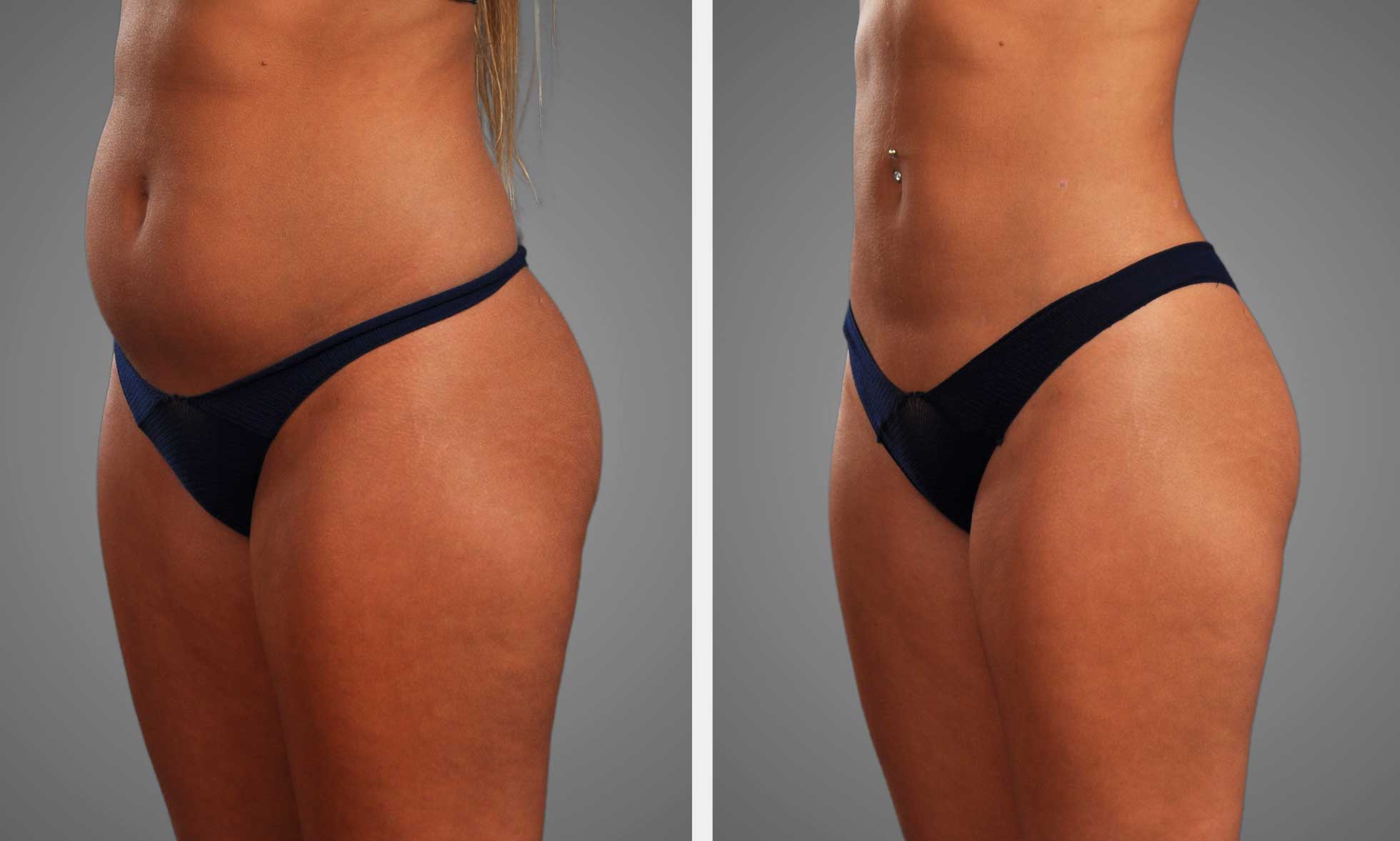
Patients note reduced bruising after slight impacts. Volume removed matters; larger total lipoaspirate correlates with bigger drops in symptom scores and clearer limb contours. In studies, average decreases hit around 8 centimeters in the thighs and 4 centimeters in the mid-calf, and numerous patients went down one to three clothing sizes.
2. Halting Progression
Early surgery removes fat before it can accumulate and prevents additional inflammatory swelling. By removing excess fatty tissue, liposuction reduces the risk of the lymphatic system becoming overwhelmed and progressing to advanced lymphedema.
Early intervention generally results in superior long-term control and less requirement for maintenance. Eliminating the inflammatory fatty tissue has the effect of breaking a cycle of chronic inflammation and lymphatic overload that otherwise drives continued progression.
3. Alleviating Symptoms
Pain and limb heaviness typically subside after surgery. There is a 58% improvement in total impairment scores objectively measured at six months after the operation. Mobility, activities of daily living, and quality of life increase for the majority of patients, and symptom relief can be quantified with lipedema symptom scores.
Many experience less bruising and swelling. At two years median follow-up, approximately 29.1% had complete or near-complete improvement in bruising and a further 20.9% had some improvement. Some patients decrease or cease conservative measures. About 22.4% no longer needed them post-treatment.
4. Restoring Proportions
By eliminating fat deposits from specific areas, liposuction sculpts, contours, and reshapes your figure. This results in aesthetic advantages, enhanced clothing fit and image, which can translate into downstream mental health improvements.
Functional benefits follow too. Reduced bulk makes exercise and daily tasks easier and reinforces physical gains after surgery.
5. Improving Mobility
Limb volume loss simplifies walking, climbing, and standing. It reduces wear on joints and the risk of secondary complications. More post-op activity promotes healthy living and weight control in the long term.
Mobility gains frequently mean increased independence and quality of life. There certainly can be complications, from simply bruising and burning sensations to rare issues like temporary methemoglobinemia. Long-term follow-ups demonstrate durable benefit with no relapses at a median of two years and sustained improvements even after eight years.
Specialized Techniques
Specialized liposuction approaches lipedema by specifically focusing on abnormal fat deposits while attempting to preserve lymphatic vessels and surrounding tissue. The method selected depends on the stage and distribution of the disease, the patient’s health, and the surgeon’s goals.
Below is a broad overview of the major specialized techniques, followed by sub-sections on three common techniques and comments on adjunctive care and outcomes.
- Water-assisted liposuction (WAL) uses a fine, pressurized saline stream to dislodge fat before suction, allowing gentle removal. WAL is selected for delicate zones and early to moderate stage patients where retaining lymphatic vessels is a key concern. Research indicates WAL can decrease limb circumference and enhance quality of life.
WAL tends to bruise less and hurt less, and patients can get back on their feet sooner. It is helpful when detailed contouring is required and when surgeons are looking to reduce tissue trauma.
- Tumescent liposuction involves infiltrating large volumes of dilute lidocaine and epinephrine to firm and numb the tissue. This minimizes bleeding and pain and permits safer, higher-volume extraction in a single visit. Because it reduces intraoperative bleeding, the tumescent technique is regarded by many as the gold standard in lipedema surgery.
I have heard numerous patients claim less bruising and better function post tumescent procedures. Paired with meticulous technique, this long-term follow-up demonstrated durable circumference reduction.
- Power-assisted liposuction (PAL) uses a mechanized, rapidly vibrating cannula to break up dense or fibrotic fat. PAL reduces operating time and can enhance uniformity of fat removal, rendering it suitable for late-stage lipedema with fibrosis. It can be integrated with tumescent or water-assisted techniques.
In cases of more extensive disease, PAL can facilitate the removal of a larger amount of volume per session. However, certain patients need multiple sessions to meet their targets.
- Adjunctive methods and conservative care include complex decongestive therapy (CDT), which pairs manual lymph drainage (MLD) with compression. This remains an important non-surgical strategy before and after liposuction to control swelling and aid lymphatic function. Compression garments assist in minimizing post-operation swelling and supporting tissues as they recover.
MLD can be applied much more frequently to enhance lymphatic flow and comfort. For certain patients, multiple liposuction procedures in addition to maintenance CDT are required for optimal effects.
- Risks, follow-up, and patient education involve potential complications such as wound infection, anemia requiring transfusion, and rare microscopic pulmonary fat embolism. This durability is generally measured in months to years, and some patients require repeat interventions.
Suggested for patient handouts is a technique comparison table that demonstrates differences in invasiveness, recovery time, lymphatic risk, and usual results.
Water-Assisted
Water-assisted liposuction employs a pressurized saline jet to dislodge fat cells, enabling suction with less violence. This minimizes traction on tissues and generally preserves delicate lymphatic vessels. It works well in sensitive areas like inner thighs and knees.
There is less bruising and quicker recoveries, and increased mobility often comes sooner.
Tumescent
The tumescent technique saturates tissue with diluted lidocaine and epinephrine to anesthetize and harden. Once firmed, that tissue bleeds less and sculpts more easily. It allows for bigger-volume extraction with fewer issues and is the go-to method for lipedema lipo.
Numerous studies describe enduring limb-size reduction and symptom relief following tumescent procedures.

Power-Assisted
Power-assisted liposuction employs a vibrating cannula to dislodge more tenacious, fibrotic fat encountered with later-stage lipedema. It accelerates tissue excision and provides uniform excision, which is beneficial in complicated cases.
Frequently combined with compression and manual lymph drainage, PAL may reduce operative time and enhance contour. Multiple sessions may be required for diffuse disease.
The Patient Journey
Lipedema treatment with liposuction starts with a roadmap connecting diagnosis, surgical strategy, and aftercare. The intent is to address the disease at its origin by eliminating pathologic fat while maintaining function and quality of life as a focal point in the decision-making process. Here are the patient steps and the corresponding important notes for clinicians and patients to capture.
Consultation
A complete evaluation begins with history and a targeted physical exam to diagnose lipedema and stage its severity. Clinicians take limb measurements and might map fat deposits with ultrasound or other imaging to rule out lymphedema. Discussing all treatment choices is essential: conservative care (compression, manual lymph drainage, exercise, diet), pharmacologic options, and surgical liposuction, with clear talk about risks and likely benefits.
Suitability for liposuction needs to consider health and possible comorbidities such as cardiovascular disease, diabetes, or clotting disorders. Set realistic goals: many patients seek pain relief and better mobility. Studies show a pooled improvement in quality of life with a mean difference of 2.93 and a 95% confidence interval of 2.43 to 3.44.
Remember, almost half of patients experience significant occupational disability from lipedema, so functional goals are just as important as aesthetic ones. Record baseline photos, measurements, and patient-reported limitations to inform shared decisions and future comparisons.
Procedure
Liposuction for lipedema is typically performed under tumescent or local anesthesia, occasionally with sedation or general anesthesia for larger volumes. Surgeons employ delicate, specialized cannulas to suction away abnormal subcutaneous fat in an effort to preserve lymphatics. The volume of fat suctioned and number of locations treated determine the duration of the procedure.
Smaller zones may require less than an hour, while larger multi-region cases can consume multiple hours and sometimes are staged. For advanced disease, several sessions are often required in order to minimize blood loss and edema and to facilitate tissue remodeling. Short-term side effects like bruising and burning have been noted, with one study citing burning in 82% of cases that cleared without treatment.
Bruising also appeared to subside post surgery in a number of reports.
Recovery
Anticipate swelling, bruising, and some discomfort that tends to subside in weeks. Compression garments are an important part of the recovery process as they minimize postoperative edema and support skin and soft tissue as it heals. Most are back to light activity within days but require weeks to return to full activity.
Full tissue remodeling takes months. Follow-up times in studies range from 3 months to 12 years, so long-term follow-up is critical. Some patients subsequently require conservative treatment. Minimal research followed this, but it can be needed.
Weight may change after surgery. One long-term study found that 43.3% of patients gained a mean of 7.9 kg over 12 years. Follow mobility, pain, work ability, and QoL scores to evaluate success.
Beyond Surgery
Lipedema treatment doesn’t stop in the OR. Surgery treats pathologic fat pockets at the source, but sustainable improvement rests on ongoing care that manages swelling, supports tissues, and prevents recurrence. By incorporating compression, nutrition, and movement into a long-term plan, you’ll be able to maintain your liposuction gains, reduce your risk of complications, and maintain quality of life, which research shows stays elevated for years post-surgery.
Compression
Wear compression garments to drape the flow of lymph. Compression decreases secondary swelling, contours limbs post-liposuction, and provides support as tissues mend. With regular use, it can restrict fluid retention and might reduce additional fat development associated with long-term edema.
Compression is essential pre-surgery for symptom control and post-surgery as an essential lifeline. Many clinicians view it as a cornerstone of both conservative and surgical lipedema care because it helps reduce pain and improves function. For others, daily compression with graduated stockings or custom sleeves is incorporated into lifelong care.
Nutrition
Eat a healthy diet to facilitate healing and maintain your BMI post-surgery. Anti-inflammatory foods like oily fish, vegetables, whole grains, and nuts can potentially decrease the type of chronic inflammation that lipedema frequently presents with. Restricting processed foods and excess salt aids in reducing fluid retention and edema.
Nothing goes better with physical treatments and surgery than good nutrition. Diet by itself won’t eliminate lipedema fat, but it promotes healing and decreases the burden on joints. Actionable items include small, frequent meals, monitoring calories and protein during recovery, and collaborating with a lipedema-experienced dietitian when possible.
Movement
Non-strenuous exercise increases lymphatic circulation and keeps joints flexible. Activities like walking, swimming, and biking help with weight control and put less stress on knees and hips. Exercise will help prevent secondary issues such as osteoarthritis and venous insufficiency that can accompany chronic limb swelling.
Customize activity plans to personal boundaries and level of illness. Begin gently post-surgery and ramp up gradually. Lymphatic massage and guided physical therapy offer targeted methods to mobilize fluid and enhance function. Movement is the long-term tool that preserves surgical gains and minimizes the need for repeats.
While some patients do require multiple operations to debulk even further, surgery paired with continued conservative care provides the best opportunity for enduring benefit. Routine follow-up with symptom scoring and limb measurements aids in tracking outcomes and identifying complications such as tissue fibrosis, anemia, blood clots, or post-operative lymphedema early.
Liposuction does indeed eliminate volume and symptoms in the short and long term, with many patients experiencing durable relief. Regardless, a subset of patients pursue additional surgery, and diligent follow-up helps ensure optimal results.
Realistic Outcomes
Liposuction for lipedema seeks to extract the pathological fat and alleviate symptoms, not correct the underlying process. Patients should anticipate realistic outcomes, both good and bad, and prepare for continued care. Here’s a concise outline of possible outcomes.
- Positive outcomes include reduced pain, improved mobility, slimmer limb contours, easier fit for clothing, reduced bruising, and better response to physical activity.
- Neutral outcomes include a modest aesthetic change without significant symptom relief and the need for repeat procedures to reach goals.
- Negative outcomes include prolonged post-operative pain, temporary numbness, contour irregularities, seroma, infection, need for revision surgery, and rare worsening of symptoms.
- Long-term patterns: many patients report durable relief for years and some exhibit minor increases in impairment from years 4 to 8 and then plateau until year 12.
- Practical note: About 51% of patients still need conservative therapy after liposuction.
Long-Term Results
Most patients experience long-term improvements in pain, function, and limb contour. We have studies showing benefits out to 12 years when patients stay in follow-up.
Patient satisfaction varies: 32.1% are very satisfied, 14.3% are moderately satisfied, 5.4% saw no benefit, and 1.8% reported worsening.
Multiple operations are not uncommon; 30.36% had one, 28.57% had two, 28.57% had three, and 12.5% had four or more.
Regrowth of fat is rare with adequate post-op care, but disease can still progress, so regular long-term checkups are important.
Potential Complications
Checklist of risks and complications:
- Bleeding and hematoma
- Infection requiring antibiotics or drainage
- Seroma formation
- Nerve changes: numbness or dysesthesia
- Contour irregularities or asymmetry
- Persistent pain beyond 14 days in many patients
- Need for revision surgery
Risks increase with advanced lipedema, comorbidities, or inadequate technique. Early warning signs, such as fever, increasing pain, new swelling, and wound drainage, require swift intervention.
Suggested management table (conceptual): adverse event, likely time window, initial treatment, such as compression, antibiotics, or aspiration, and follow-up plan.
A Lifelong Commitment
Liposuction is one half of maintenance. Continued use of compression garments, MLD, exercise, and balanced nutrition is crucial.
Roughly half of patients remain on conservative treatment post-surgery. MLD and compression reduce the swelling and support tissue healing.
This regular monitoring with clinic visits can help catch late complications or symptom return early. A plan in advance, including planned check-ins, targeted rehab objectives, and realistic outcomes, provides the best opportunity for long-term quality of life.
Conclusion
Liposuction addresses lipedema at the source, slicing fat cells and relieving tension in the tissue. Intervention at the fat layer fights lipedema at its source. Specialized techniques protect lymph vessels and reduce the risk of fluid accumulation. Patients frequently feel less tenderness and experience better mobility within months. Rehab, compression, and consistent weight management maintain gains longer. Anticipate a slow transformation, not a magic solution. Actual results depend on expert teams and transparent aftercare. For action, consult with a provider familiar with lipedema and inquire about surgical maps, lymph-sparing techniques, and recovery times. Book your consultation to receive a customized plan that fits your body and lifestyle.
Frequently Asked Questions
What is lipedema and how does it differ from regular fat?
Lipedema is a chronic disease that causes a symmetric and painful accumulation of fat cells in the legs and arms. It’s not the same as regular fat; it’s associated with connective tissue and typically does not respond to diet and exercise. Diagnosis needs to be made by medical evaluation.
How does liposuction treat lipedema at the source?
Specialized liposuction removes abnormal fat and damaged connective tissue at the source. This alleviates pressure and pain, reduces limb volume, and increases mobility. It addresses the symptom-producing tissue, not simply superficial fat.
Which liposuction techniques are best for lipedema?
Tumescent and water-assisted liposuction are typical. They employ soft techniques to eliminate fat and safeguard lymph vessels. Selection varies based on disease stage and surgeon experience.
Will liposuction cure lipedema permanently?
Liposuction is a great way to reduce symptoms and tissue volume. It’s not necessarily a cure. Ongoing care, including compression, physiotherapy, and weight management, supports results and minimizes recurrence.
What can I expect during recovery after lipedema liposuction?
Anticipate swelling, bruising, and compression wear for weeks to months. A slow return to activity is advised. Recovery depends quite a bit on how much area was treated and your body’s own healing process.
Are there risks or complications specific to lipedema liposuction?
Risks encompass infection, contour irregularities, numbness, and infrequent lymphatic injury. Selecting a skilled lipedema surgeon reduces complications and maintains lymphatic flow.
How do I choose a qualified surgeon for lipedema liposuction?
Seek out surgeons who have specialized lipedema training, before and after case photos, peer-reviewed publications, and multidisciplinary care. Inquire about lymph-sparing technique experience and long-term follow-up.