


Key Takeaways
- This pre-surgical weight stability body contouring rule helps with surgical planning, reduces complications, and facilitates safer, more predictable outcomes.
- Fresh off the pre-surgical weight stability body contouring rule, consistent weight preserves your cosmetically sculpted outcome, prevents skin laxity and reduces the likelihood of additional procedures.
- Stabilizing your weight means an overall regimen of nutritional health, mind preparation, and body composition education.
- Realistic goals, sustainable diet, and regular activity go a long way toward long-term weight management.
- See your doctors, get professional opinions, and make sure you’re an appropriate choice for the procedure and it has a good chance of success.
- Taking note of different worldwide attitudes and practices regarding body image and weight control can aid you in locating strategies that fit with you.
The pre-surgical weight stability body contouring rule signifies individuals need to maintain a stable weight prior to undergoing body contouring surgery. While most surgeons require a minimum of six months of weight stability, this reduces risks in surgery, promotes healthier healing, and provides more even results.
This rule covers surgeries such as liposuction, tummy tucks, and other methods of shaping. To understand why this rule is important, the following sections provide key explanations and guidance.
Why Stability Matters
Weight stability prior to body contouring is not simply a preference. It is an essential element that influences surgical strategy, recovery, and lasting outcomes. A number of surgeons request patients to maintain a stable weight, typically anywhere from 2 to 5 kg (5 to 10 lbs) for three to six months or up to a year.
This stability helps ensure that we can predict the body’s contours and skin response, resulting in better, safer, and longer-lasting outcomes.
| Benefit | Description |
|---|---|
| Predictable Results | Steady weight helps surgeons map accurate body contours. |
| Lower Risk | Stable weight cuts down the risk of surgical and postoperative problems. |
| Better Healing | Consistent weight supports smooth healing and fewer complications. |
| Enhanced Skin Quality | Weight stability preserves elasticity, avoiding sagging or lax skin. |
| Fewer Revisions Needed | Maintaining weight reduces the chance of needing further corrective procedures. |
1. Surgical Precision
Going into surgery with a constant weight provides the surgeons with a defined and stable contour to sculpt. When a patient’s weight changes, their body curves change, rendering the surgical plan less precise.
For instance, putting on or dropping a few kilos can shift fat deposits and skin drape, making targeted fat extraction or sculpting significantly more difficult. Stable weight means surgeons can take precise measurements, which translates into better symmetry and more natural results.
If weight isn’t stable, bulges can come back or pop up in new, untreated zones, making surgeons recalibrate on the fly. Being within approximately 9 kg (20 lbs) of your ideal weight is often necessary, but narrower ranges are desirable.
2. Lasting Results
A stable weight is the foundation for lasting results. If you lose or gain weight after surgery, it will sabotage what was done and bulges or loose skin will return.
Patients with stable weight are less prone to require a secondary procedure, such as an additional lift or touch-up since the results are stable. Sustained results hinge on staying within the target weight limit.
Anything that changes your shape post-surgery can impact the appearance, particularly around typical trouble spots such as the abdomen or thighs. Research indicates fat can re-deposit as soon as a few months later, but maintaining a stable weight minimizes this risk.
3. Healing Process
Stable weight promotes improved healing. When weight is stable, circulation is constant, which is crucial for wounds to seal and scars to diminish.
Patients that remain in their target weight zone heal more quickly and easily. Weight swings can impede healing and increase the risk of infection or delayed healing.
Doctors sometimes establish a weight management program for post-surgery, assisting patients in maintaining their weight and increasing the likelihood of a stable recovery.
4. Skin Quality
Good skin elasticity is important for body contouring, and stable weight maintains skin tautness. If weight bounces up and down, skin expands and contracts, causing it to occasionally be saggy or thin.
People who maintain a stable weight have tauter, more youthful skin, which is less likely to require additional skin-tightening methods. Stable body weight translates to less stress on skin fibers, so they rebound more effectively post-surgery.
Over time, this results in improved skin tone, fewer stretch marks and a more natural appearance.
5. Overall Safety
Maintaining a stable weight reduces multiple surgical hazards. Anesthesia is easier and safer when body weight is stable.
The danger of blood clots, infections, or wound issues decreases when your weight is stable. Good preoperative screening means considering weight history, not just BMI.
As we discuss in Why Stability Matters, most surgeons like a BMI below 30, but they seek stability in habits. People with large weight shifts are at risk and may have more complicated recoveries.
The Ideal Timeline
Body contouring — after significant weight loss, not before it. Most specialists recommend patients maintain their weight for at least six months prior to considering surgery. Some go so far as to recommend waiting a little longer, up to 12 months, to ensure that the weight loss is genuine and sustainable.
This rule exists for a reason. If your weight fluctuates too much after surgery, the results can dissipate or new issues can arise. Waiting delivers more consistent outcomes and less danger. Sustained weight management isn’t a checkbox. It’s a mark that someone’s new routine is effective, and their body is not in upheaval.
This is important because body contouring is most effective on bodies that have settled. For example, after significant weight loss due to diet, exercise or surgery, people may be left with loose skin around the belly, arms or legs. If the weight continues to yo-yo, the skin can re-stretch, negating the effects of surgery. Surgeons like to see that your weight is down and holding before they proceed.
Giving weight enough time to settle before a procedure is about health and healing. Rapid shifts in weight can play a factor in the skin and tissue re-healing process. If you have surgery too early, the skin could sag again or not heal as optimally.
By waiting, the body gets time to rebound from weight loss and for skin to retract as much as it will naturally. This makes the surgery more prone to provide a good, lasting contour. It’s not merely about appearance. Loose skin can cause rashes, pain and even impede movement.
The Perfect Schedule
Nothing like making a timeline with markers to keep the process on track. They could begin by establishing a goal weight, then monitoring how long they maintain it. Monthly reminders can help.
Nothing like meeting a surgeon after six months of stability. They can talk about being ready and schedule the optimal time for the surgery. Patients have to consider work and life. They should schedule one to two weeks for recuperation.
Four factors help decide the right time: reaching a stable weight, keeping it for at least six months, having a good support system, and making sure work or home life can handle the downtime.
Procedure Specifics
Body contouring procedures are most effective when a patient’s weight has been stable for some months. Stable weight allows surgeons to plan for consistent results, decreases surgical risks, and promotes healing. Weight stability is particularly crucial for liposuction, tummy tucks, and body lifts. Every procedure is different, and knowing these can assist your patients in reaching their goal safely and effectively.
Liposuction
Stable weight is important for liposuction as this procedure is aimed at persistent fat that diet and exercise won’t shift. When the weight is stable, surgeons can better locate certain pockets of fat and remove them accurately. This results in a more seamless, organically contoured effect that endures.
If weight is not stable, it’s more risky. For instance, rapid weight fluctuations post-liposuction can produce uneven effects or fat relocation to untreated regions. Patients may have loose skin from losing weight after the operation. These problems may necessitate additional surgeries or touch-ups.
Liposuction is ideal for small, localized collections of fat. For example, it can recraft the thighs, hips, or stomach. Maintaining a stable weight before and after the operation allows your body to recover and adjust, promoting the best results possible.
Tummy Tuck
A stable weight is important for a tummy tuck, or abdominoplasty, as it eliminates excess skin and fat from the lower abdomen and can tighten weakened muscles. If weight fluctuations occur post-surgery, outcomes can be jeopardized. Skin can re-stretch and muscle repairs can become lax.
As weight shifts, excess skin and fat make it difficult to achieve a flat toned appearance. This is particularly the case for significant weight loss or post pregnancy. Better skin arrives with a stable weight and nutritional lifestyle.
Patients should schedule a weight control approach preoperatively, frequently with input from their medical team. This promotes optimal healing and allows scars to fade. Scars typically begin to flatten and fade over a 12 to 18 month period.
Body Lifts
Body lift procedures — such as the lower body lift or belt lipectomy — focus on skin sagging at the lower torso and upper thighs. Stable weight is important because significant swings can influence the skin’s elasticity and impact surgical outcomes. Post-surgical weight fluctuations can cause new loose skin, irregular contours, or unforeseen scarring.
Saggy skin problems need to be dealt with pre-op. For instance, patients who have lost significant weight may be left with skin folds that only surgery can take away. Healing from a body lift is gradual.
Most patients return to light work after 2 to 3 weeks, but complete recovery can take up to 6 to 8 weeks, with final results visible after 2 to 5 months.
Recovery Tips
Compression garments, surgical drains, and pain management are essential for recovery.
Beyond The Scale
Weight stability prior to body contouring surgery is about more than the scale. A closer examination of the path uncovers the elements that forge enduring outcomes and health.
- Mind and heart color the weight loss adventure. Stress, anxiety, and body image issues can alter the adherence of patients to weight regimens and even impact post-surgical outcomes. A great number of those who live with obesity endure stigma, discomfort, and quality of life issues. These problems tend to improve following bariatric surgery, but body dissatisfaction can persist. Psychological support, pre- and post-surgery, can help build confidence and habits that last.
- Not just weight loss, it’s about body composition. Lean muscle mass supports metabolism, surgical recovery, and keeps the body strong. When you’re just trying to lose kilos, you can inadvertently lose muscle too, and that can slow you down and impact recovery from surgery. Frequent body fat and muscle checks steer smarter decisions. These checks demonstrate whether weight loss is healthy and whether the body is prepared for surgery. BMI consistently under 30 for 6 months or more is broadly advised prior to body contouring.
- Good nutrition is both physically and mentally sustaining. Logging your food daily and eating nutrient-rich foods will allow your body to heal and maintain your weight. Healthy eating gives you better skin — that’s a big deal for surgeons. Many people find it useful to collaborate with a dietitian to develop a plan that suits their needs and lifestyle.
A holistic approach intermixes all of these components: mental toughness, body composition, and nutrition to lay the foundation for surgery and long-term success.
Mental Readiness
Mental preparedness is an important component to getting ready for body contouring surgery. Going into surgery with a stable mindset can support people in adhering to weight management plans and navigating stress or relapse. When stress or anxiety is elevated, it can decelerate the process or even cause weight to return over time.
Our self-image and confidence can play a huge role in how we approach weight loss and body transformations. Some research demonstrates that even following massive weight reduction, appearance concerns and body dissatisfaction can persist. Pre- and post-operative mental support can go a long way.
Asking for assistance from mental health experts or peer groups is a positive move. They can provide resources to manage difficult feelings, establish genuine objectives and maintain momentum.
Body Composition
Understanding the body’s composition of fat and muscle is more useful than just concentrating on weight. Muscle mass should be maintained during weight loss as it boosts metabolism and aids post-operative healing. If you lose too much muscle, you’re going to slow the process and potentially damage results.
Body composition checks can indicate whether weight loss is primarily fat and not muscle. These checks assist individuals in determining whether they are shedding pounds in a healthy manner.
Monthly check-ins are essential for future surgery patients. They inform shifts in diet or exercise and indicate when the body is ready for the next challenge.
Nutritional Health
- Opt for whole grains, lean proteins, and plenty of produce.
- Drink enough water every day.
- Limit processed foods, added sugars, and high-fat snacks.
- Log your food to identify patterns and stay on target.
Good nutrition not only aids recovery and helps maintain skin in higher quality. This is important when it comes to surgical outcomes. Good nutrition promotes energy and a good mood and facilitates long-term weight control.
A dietitian can help tailor a plan to your specific needs, considering health issues or food aversions. Smart eating is a lifestyle, not a quick fix.

Achieving Stability
Weight stability prior to body contouring surgery means maintaining your weight within a narrow range, typically 2 to 5 kg (5 to 10 lbs), for a few months. Most surgeons will want to see three to six months of stable weight before moving forward because big fluctuations can impact the end result and could even mean additional surgery down the road.
Being within 5 to 10 pounds of your goal keeps skin fitting and surgical contours enduring. Weight swings greater than 10 to 15 pounds can negate the effects of surgery, so think small, steady changes.
- Determine a reasonable goal weight, preferably near your natural or healthy weight.
- Monitor weight on a weekly basis. Try to maintain a 2 to 5 kg (5 to 10 lbs) range.
- Sow small, incremental changes. Don’t lose more than 0.5 to 1 percent of body weight per week.
- Modify your meals if your weight fluctuates beyond 2 to 3 kilograms (5 to 7 pounds).
- Plan meals ahead, focusing on balance and consistency.
- Drink 2–3 liters of water daily.
- Keep up routine physical activity that you enjoy.
- Check in with healthcare professionals regularly to assess progress.
Sustainable Diet
What’s most important is a diet you can STICK with for long-term weight stability. While crash diets deliver rapid outcomes, they deliver rapid rebounds when habits revert to type. Instead, think about balanced meals structured on whole foods, including veggies, fruits, lean proteins, grains, and healthy fats.
Pre-planning your meals ensures that you avoid impulse decisions. It helps maintain your diet stability week in and week out, month after month. Nothing beats small, steady weight loss or maintenance around your goal.
Consistent Exercise
Exercise does more than torch calories. It preserves muscle when you’re losing weight and sculpts your body. Strength training in particular helps fuel a healthy metabolism and improves post-surgical contours.
- Walking outdoors or on a treadmill
- Swimming or cycling at a moderate pace
- Group fitness classes like dance, yoga, or pilates
- Home bodyweight routines or light resistance training
Stirring in activities you love makes fitness a way of life instead of a temporary solution. Experiment until something clicks.
Professional Guidance
Collaborating with physicians is pivotal. A weight loss expert can help you establish attainable objectives and pair a strategy to your biology. Periodic check-ins with your surgeon keep your weight on track and any concerns are nipped in the bud early.
Dietitians and trainers offer additional assistance. They can educate you on how to tweak your meals or workout safely if your weight moves, making things sustainable long-term.
Global Perspectives
Body contouring after weight loss is influenced by numerous global trends. Culture is another significant factor in how patients view their bodies, and that influences how they attempt to maintain a stable weight pre-operatively. In certain cultures, a thin appearance is associated with wellness and attractiveness, potentially motivating individuals to control weight through rigid diets or fitness regimens.
Elsewhere, being a little heavier might be considered ‘healthy’ or a symbol of affluence, and therefore there may not be as much motivation to shed pounds or maintain stability ahead of surgery. These varying opinions require physicians to be aware not only of the medical aspect, but the social and cultural context of every patient.
What’s really vitally important is to know how they do it globally. Typically, the recommendation is to maintain weight for six months prior to body contouring surgery, with a three month minimum as a hard rule. This allows the body to acclimate and reduces the chance of complications during the procedure.
Take, for instance, those dramatic weight-loss patients — frequently post-bariatric surgery — who require body contouring on the abdomen, thighs or arms to shed excess skin. Not just for aesthetics, it contributes to both ease of living and ease of life. The drive for weight stability is about more than just appearances; it’s about health. Stable weight aids in wound healing and prolongs surgical results.
Global health groups are sharing best practices in fighting overweight. They emphasize the importance of proper nutrition, mental health resources, and regular visits. For instance, following significant weight loss, several require additional protein to support their bodies in the post-operative recovery process.
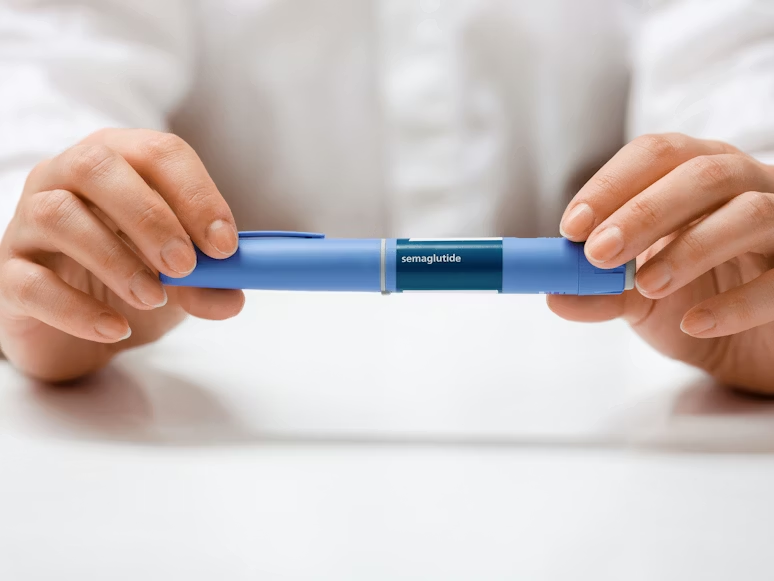
New drugs like semaglutide are used to facilitate weight loss, but they can lead to complications during surgery, such as regurgitation under anesthesia, so doctors must prepare for this. These health efforts are not the same in every country, but the goal is the same: to keep patients safe and help them reach a healthy, stable weight.
Certain locations have robust aftercare for significant weight loss patients, including screenings for stress and anxiety, which can impact maintenance of weight loss. Research indicates stress may alter weight loss patterns. The significant decrease in diabetes and blood pressure after bariatric surgery observed in numerous studies highlights why it’s so important to maintain stable weight prior to body contouring.
By sharing these lessons, doctors can select smarter moves for every patient, wherever they happen to reside.
Conclusion
Pre-surgical weight stability body contouring rule. Surgeons typically want patients to maintain their weight for a couple of months so healing goes smooth and results last. Many clinics, from the U.S. To Europe, adopt this as a golden rule. It decreases complications and primes for an optimal result. Weight that oscillates up and down can alter your body shape or skin fit and thereby ruin the scheme. If you’re interested in body contouring surgery, discuss the appropriate measures with your care team. Inquire into timelines and how to remain steady. For definitive answers, consult with a reputable clinic or physician in your area.
Frequently Asked Questions
What is the pre-surgical weight stability rule for body contouring?
The pre-surgical weight stability body contouring rule for most surgeons is 6 months. This gives you the best and safest results.
Why is weight stability important before surgery?
Weight stability minimizes surgical risks and contributes to more predictable outcomes. It is called the pre-surgical weight stability body contouring rule.
How long should I wait after weight loss before body contouring?
They recommend waiting until your weight has been stable for a minimum of six months. This gives your body time to adjust and provides you with permanent results.
Does the type of body contouring procedure affect weight stability requirements?
Yes. Liposuction, tucks, or lifts may have different standards. Of course, listen to your surgeon’s instructions.
What if I gain or lose weight after surgery?
Remember, major weight fluctuations post-surgery can impact your results, causing uneven contours or new problem zones. Stability fuels lasting advantage.
Are there global differences in weight stability guidelines?
The 6-month rule is typical. Some areas or surgeons might have slightly different guidelines. As always, check with a qualified local specialist.
How can I achieve and maintain weight stability before surgery?
Embrace clean eating and exercise, plus professional help. Being consistent helps ensure you are prepared for surgery and recovery.
