Directions
 Call Us
 Email Us


Key Takeaways
- J-Plasma, or Renuvion, is a noninvasive cosmetic treatment that rejuvenates skin texture and tightness through the use of helium plasma energy. It has advantages including little scarring and short recovery period.
- After a J-Plasma procedure, you should expect temporary redness, swelling, discoloration, and mild discomfort. Don’t stress—these side effects generally resolve in a few days to weeks.
- For swelling, apply cold compresses to the area to minimize swelling. Use soothing creams for itching and maintain a gentle skincare routine to help promote your skin’s healing.
- Regardless of the procedure, it is imperative to follow your surgeon’s aftercare guidelines to reduce risks and ensure the best recovery possible.
- Be watchful for signs that something is going wrong, such as extreme pain, heavy bleeding, infection or slow healing. If you are experiencing any of these problems, see a healthcare professional right away.
- By selecting a well-trained, experienced provider, communicating openly, and keeping follow-up appointments, you can help ensure a safer experience with the best possible outcomes.
Being aware of J-Plasma side effects, what’s normal and what’s not is the best way to have a safe experience. J-Plasma, a cosmetic procedure using cold helium plasma, offers significant benefits for skin rejuvenation, including tightening and improving skin texture.
It’s widely used to address issues like excess skin and acne scars, making it a popular choice for those seeking refined results. Although the procedure is relatively safe, it’s important to understand what the normal after-effects should be compared to complications in order to best prepare yourself and set few expectations.
This comprehensive guide will help you understand the most common side effects and discuss when to seek immediate medical attention. Beyond that, it demonstrates the value of informed choice. By learning about these particulars, you’ll be better prepared to approach this procedure with confidence and clarity.
What is J-Plasma?
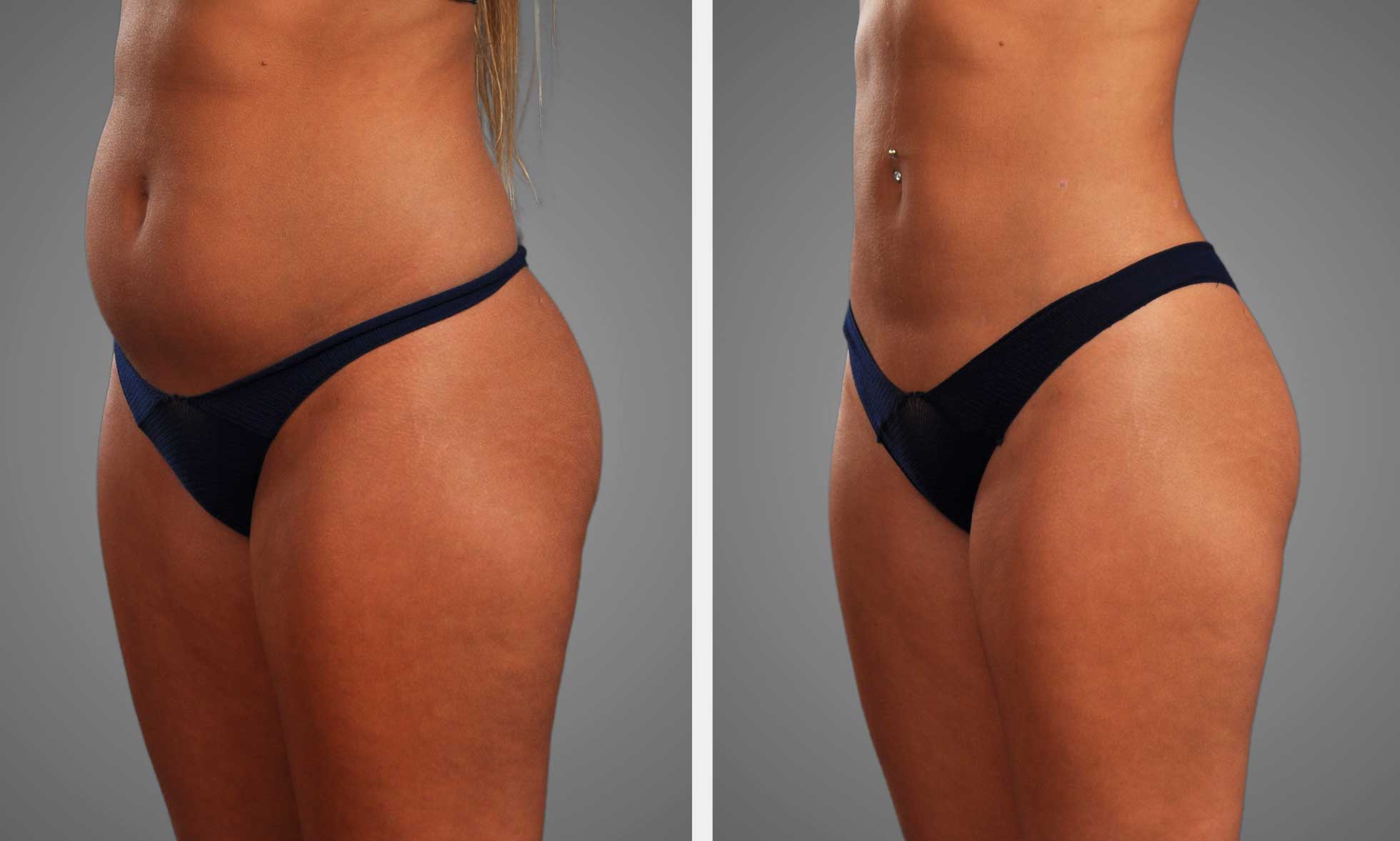
J-Plasma is a state-of-the-art, non-surgical cosmetic treatment. It improves the tone and texture of the skin and tightens the problematic lax areas due to aging or laxity. The treatment uses helium plasma energy to target skin imperfections while reducing tissue damage.
Since incisions are usually under one centimeter wide, the procedure results in discreet scarring and a faster recovery. Another benefit is that you or your patients will see an even skin rejuvenation, providing a desired effect for patients who want to achieve visible but natural-looking results.
How J-Plasma Works
The science of J-Plasma from Medtronic is based on the generation of a cold, non-coagulating helium plasma. In the office, a trained provider uses a specialized device to create the plasma energy by ionizing helium gas.
This energy is transmitted via a needle that goes through the skin allowing the helium gas to reach subcutaneous tissue. The plasma’s ionization jumpstarts the process of making more collagen.
This lays the groundwork to improve skin elasticity and reduce the appearance of fine lines. This precise approach gives illumination with excellent tightening while protecting the alternative tissue.
For example, using J-Plasma alongside liposuction takes body contouring to the next level by eliminating stubborn fat and skin laxity at the same time.
Common Uses of J-Plasma
J-Plasma can be used on almost any area of the body including the face, neck, abdomen, arms and thighs. It’s most often used for skin tightening procedures, scar revision and reducing acne scars.
It does a good job at correcting sun damage by resurfacing dark, blotchy and/or uneven skin tone. Of those, 85% of patients reported marked improvement in skin tightness immediately after treatment.
Whether your problem is wrinkles or sagging with age, it only takes about an hour to make a dramatic effect with J-Plasma that lasts for several years.
J-Plasma Side Effects: What’s Normal?
J-Plasma procedures, known for their transformative results in skin resurfacing and cosmetic enhancement surgeries, naturally come with some side effects that are part of the healing process. Understanding these effects will help you manage your plasma treatment recovery with confidence.
Immediate Post-Procedure Effects
Some discomfort might be normal at first while your body starts the healing process. Swelling typically happens because of the helium gas introduced during the procedure. It usually peaks in intensity during the first few days and goes away within one to two weeks.
Redness from anesthetic materials can persist for a short amount of time but this is normal.
Expected Skin Changes
It’s normal to experience temporary skin discoloration or texture variations as your skin gets used to treatment. These developments belong to the collagen remodeling process, which slowly improves skin tautness.
Most patients begin to see impressive improvements in their new appearance within a matter of weeks.
Swelling and Bruising
Bruising and swelling are common effects post-plasma treatment. Cold compresses can mitigate these side effects and increase comfort, too.
Discomfort and Pain Management
Tenderness and mild pain are normal within the first week after a plasma treatment, usually controllable by an over-the-counter medicine. When you stay ahead with the right approach, you receive the targeted relief you need.
Itching and Sensitivity
Itching and sensitivity may occur as the skin begins to heal after a skin resurfacing procedure. Applying dermatologist-recommended soothing creams or moisturizers regularly can help ease these irritations.
Duration of Normal Side Effects
While individual experiences vary, most side effects from aesthetic procedures, like plasma treatment, subside by the two-week mark, which aligns with the average recovery period. Only through consistent monitoring can you ensure your progress is heading in the right direction.
Managing Normal Side Effects
Gentle skincare, hydration, and rich moisturizers aid in healing after aesthetic procedures like plasma treatment. Even simple practices such as these can ensure the best possible outcome.
Importance of Following Aftercare Instructions
Following aftercare instructions is crucial for avoiding issues and ensuring the most optimal, long-term results from your plasma treatment. Routine, consistent follow-ups provide ongoing care and support from your surgeon.
J-Plasma Side Effects: When to Worry?
Knowing the potential side effects and what to expect after a J-Plasma procedure is important to ensuring an easy and happy recovery. Although most side effects are minor and resolve quickly, knowing when to look for signs that signal possible more serious issues is just as crucial.
This section will draw attention to what you should look out for to make sure your recovery remains smooth and uncomplicated.
Signs of Infection
Infection—this may appear as an increase in redness, warmth, swelling, or pus around the area of treatment. Mild redness or swelling may occur and often resolves within a week, but anything worsening should be evaluated urgently.
Fever or chills can be a sign of infection. To reduce the risk of infection, stay on top of your area’s cleanliness and aftercare instructions given by your surgeon.
Excessive Bleeding or Drainage
Little bits of bleeding or clear drainage are expected, particularly in the first few days. When bleeding is heavy or goes on for an extended period, it can indicate a more serious complication.
If you see unexpected drainage, like fluid that is discolored or has an odor, call your physician immediately.
Severe Pain
Some degree of discomfort as you heal is normal, typically worsening around the third or fourth day. Severe and unrelentless pain could indicate something wrong, such as with something being damaged.
Please consult with your physician as soon as possible if you feel this level of pain.
Changes in Sensation
Temporary numbness or tingling is common after certain aesthetic procedures, like plasma treatment, and usually resolves within a few days. Changes that persist, such as new decreased sensation or shooting pains, should be further evaluated to exclude accidental nerve injury.
Scarring Concerns
Scarring varies greatly based on individual factors and skin type; therefore, discussing possible results with your surgeon beforehand is crucial, especially if you are considering plasma treatment for skin resurfacing.
Allergic Reactions
Itching, hives, swelling, or breathing difficulties are significant red flags for allergic reactions related to certain aesthetic procedures. Get emergency medical attention if you experience any of these serious side effects.
Delayed Wound Healing
Delayed healing may be due to compromised circulation or infectious processes; however, incorporating plasma technology can enhance tissue repair. Continue eating a healthy diet and do not smoke to promote healthy healing.
Factors Influencing Side Effects
Understanding the factors that influence side effects from J-Plasma treatments, an innovative procedure for skin resurfacing, can help you set realistic expectations and prepare for recovery. The procedure is usually well-tolerated, but patient factors and procedural details are highly influential.
Patient Health and Lifestyle
Your overall health plays a significant role in how well your body absorbs and uses J-Plasma. People with robust immune systems heal more quickly. They experience diminished side effects, including redness or swelling that typically resolve within a few days.
Lifestyle habits, such as smoking or a poor diet, may hinder healing by compromising blood flow or nutrient supply. By focusing on a nutrient-dense diet full of vitamins and minerals, as well as drinking plenty of water, you help your skin’s natural healing process work quickly.
Nearly all patients are back to their regular activities within seven to ten days after surgery, with most recovering completely in three weeks.
Skin Type and Condition
The type of skin involved greatly influences how strongly patients experience side effects. Sensitive or dry skin will usually show the most redness or slight irritation. Conversely, those with oilier skin often respond to treatment with less noticeable adverse effects.
Evaluating the skin’s condition before starting treatment will help customize and maximize the results achieved. Your dermatologist or surgeon may suggest targeted pre-treatment skincare to prep your skin and reduce side effects.
Procedure Technique
The skill of the surgeon and the technique employed has a HUGE effect on side effects and outcomes. When applied with precision, many of the risks, such as uneven texture or over swelling, can be avoided.
Working with a knowledgeable, caring practitioner makes all the difference. On average, skin laxity is improved by 70% – 90% after a single treatment.
Device Settings
Customizing the J-Plasma device settings to your skin’s needs is key. Deeper treatment and greater energy use settings directly impact recovery time and outcomes.
Getting into the nitty-gritty with your provider helps create a tailored plan for your unique healing needs.
Comparing J-Plasma to Other Procedures
Here’s how J-Plasma, an innovative procedure utilizing plasma technology, compares to other popular cosmetic procedures. Its unique attributes set it apart in the race among aesthetic procedures, particularly for skin resurfacing and achieving a youthful glow. By knowing these differences, you’ll have a better idea of whether it’s the best option to meet your key skin-tightening requirements.
J-Plasma vs. Traditional Surgery
J-Plasma is significantly less invasive than surgical alternatives such as liposuction or tummy tucks. Most traditional surgeries require large incisions and general anesthesia.
Unlike traditional procedures, J-Plasma employs a focused energy stream to create a tightening effect without any incisions. As a result, this technique reduces scarring, which is one of the most significant benefits to patients looking for aesthetic corrections without noticeable reminders.
Compared to other procedures, J-Plasma provides a faster recovery time, usually only a few days to a week. In comparison, with traditional surgeries, patients face weeks of healing time, if not months.
Complications like infection or blood clots are much less likely with J-Plasma because of the noninvasive nature of the procedure.
J-Plasma vs. Laser Resurfacing
Unlike laser resurfacing, J-Plasma produces more prominent skin-tightening results – up to 60% contraction compared to the average 40–45%. Here’s why it’s become the go-to option to tighten loose skin on the neck or tummy.
During laser treatments, heat is directed to stimulate collagen production. In comparison, J-Plasma utilizes their patented helium plasma and radiofrequency energy to provide highly targeted rejuvenation with less thermal damage.
Patients are usually coming in with higher satisfaction known for the dramatic, but natural results accomplished with J-Plasma.
Risk Profiles Comparison
| Procedure | Common Side Effects | Recovery Time | Scarring Potential |
|---|---|---|---|
| J-Plasma | Redness, mild swelling | 3–7 days | Minimal |
| Traditional Surgery | Infection, blood clots | Weeks to months | Moderate to severe |
| Laser Resurfacing | Redness, pigmentation changes | 1–2 weeks | Minimal to mild |
Minimizing Risks and Complications
Undergoing a J-Plasma procedure can provide dramatic skin-tightening effects, but as with any invasive procedure, there are likely to be risks involved. Knowing how to minimize these risks fosters a more pleasant and productive experience with improved results. Selecting the appropriate provider will maximize your safety, comfort, and overall satisfaction. Each decision you make during the aftercare process, including considerations for skin resurfacing, goes a long way.
Choose a Qualified Provider
The expertise of your provider plays a huge role in the success of J-Plasma. Be sure to choose a board-certified plastic surgeon with many years of experience in this procedure. While credentials demonstrate their education, it’s the experience that hones their ability to navigate complexities and chart a course for the best outcomes.
Do your due diligence and read reviews, request before-and-after pictures, and check their certifications. A surgeon that is qualified and experienced will greatly minimize the risks and complications while ensuring permanent and positive results on your skin. Most patients see up to 80% visible tightening with only one treatment.
Pre-Procedure Consultation
An experienced, well-informed consultation leads, of course, to a safe and effective procedure. During this preoperative meeting, your surgeon will evaluate possible risks, go over your medical history and address your new goals with you, setting realistic expectations.
It’s equally a time, though, to air out concerns and questions, and get the lay of the land. At least eight weeks before surgery, smokers should quit smoking. This period of cessation is very important as smoking affects healing and increases the risk of complications following surgery.
Follow Aftercare Instructions Diligently
Care and attention in the post-procedure period are as critical as they were in the surgery itself. Your surgeon will provide guidelines tailored to your needs, such as avoiding exercise for two months but starting light walking the next day to promote circulation.
Regularly using sunscreen helps prolong the sunscreen investment for even longer-lasting results, up to 18 months.
Open Communication with Your Doctor
Maintaining an open line of communication with your physician will help you quickly identify and address any abnormal symptoms that arise during your plasma treatment recovery. Promptly reporting concerns can prevent complications and keep recovery on track.
Long-Term Considerations
When considering J-Plasma, particularly its plasma treatment recovery, it’s crucial to evaluate long-term results and maintenance needs. The incredible effects of this innovative procedure include skin tightening and increased elasticity, which contribute to a youthful glow. For optimal outcomes, having a clear understanding of what to expect is essential.
Potential for Skin Pigmentation Changes
J-Plasma may temporarily change skin pigmentation, leading to uneven tones or patches. Post-treatment factors like variation in the patient’s own skin type, sun exposure, and healing are relevant to the variability in these changes.
For example, individuals with lighter skin may observe fine changes in color, and people with more melanin may develop dark spots. To reduce such risks, daily application of a sunscreen rated SPF 30 or higher is essential.
Protective clothing and minimizing direct sun exposure are additional forms of protection to help the skin during recovery. In addition to minimizing the risk of pigmentation changes, these preventative measures help maintain the health and look of the skin after the procedure.
Scarring Management
Though scarring from J-Plasma is minimal, proper management is key. Doing your part, like carefully washing the area and applying any prescribed ointments, will ensure that your tattoo heals properly.
Consistent follow-up is key, both for scar evaluation and early treatment if necessary. Over-the-counter products, including silicone gel sheets or silicone scar creams, can help soften scars and minimize their appearance.
In the case of more noticeable scarring, your provider might prescribe treatments such as laser therapy.
Maintaining Results
An unblemished skincare game is a major player when it comes to maintaining J-Plasma results. Daily moisturizers help to hydrate the skin and sun protection from damaging UVA and UVB rays.
Frequent follow-ups with your practitioner will keep an eye on your results and any issues that arise, so all the long-term rewards—think smoother, tighter, wrinkle-free skin—stay in check.

Recovery and Aftercare
Knowing more about recovery and aftercare can help you get the best results possible following your J-Plasma procedure. Most patients should be back to their usual routine in a few days to a week. Good treatment during this period is key to the healing process and to being happy with your results in the long run.
Swelling and redness are normal but they last a very short time, usually going away in the first week or within a few weeks at most. Sticking to a defined recovery plan allows for a more natural healing process and reduces chances of injury recovery complications.
Wound Care Instructions
Effective wound care plays a significant role in preventing complications and promoting healing.
- Avoid irritating the treated area by being sure to cleanse sensitively with a calming formulation.
- Wash the area regularly and keep your incision clean and dry to help prevent infections.
Do not pick at or remove scabs or peeling skin, as doing so may cause scarring. Use physician recommended ointments or creams to help soothe and protect the skin.
Sun Protection
It is critical to shield the treated areas of skin from UV exposure. When skin is healing, it is extremely reactive and exposure to sunlight may either increase the duration of redness or even cause pigmentation.
To protect the skin underneath, apply a broad-spectrum sunscreen with SPF 30 or higher daily. Wearing protective clothing, like long-sleeved shirts and wide-brimmed hats, helps to reduce sun exposure.
Skincare Routine
A nourishing, gentle skincare routine not only protects the recovery process but improves the final results. Incorporate the following:
- A mild, fragrance-free cleanser to avoid irritation.
- A hydrating, non-comedogenic moisturizer to maintain skin elasticity.
Daily sunscreen to avoid UV damage, which can contribute to skin laxity and sunspots, and prematurely age results.
Conclusion
Utilizing this innovative technology, J-Plasma offers an advanced treatment for skin tightening and skin rejuvenation. With any procedure, though, it can come with potential side effects. Having a solid understanding of what to expect and identifying what’s normal will better equip you to be prepared. Serious side effects are rare, such as swelling or redness. Though uncommon, serious problems require immediate evaluation by your physician.
Despite the many factors involved in these new treatments, one thing remains true. Staying on top of aftercare and following your doctor’s instructions can prevent a lot from going wrong. Protect yourself by always evaluating the risks versus the benefits before proceeding with a purchase or hire.
If you’re thinking about undergoing J-Plasma, consult with a qualified and experienced physician. Keep reading, keep questioning, and make the decision that’s right for you. After all, your health and confidence should always come first!
Frequently Asked Questions
What is J-Plasma?
J-Plasma, called Renuvion, is a fairly new cosmetic procedure that uses a combination of helium plasma and radiofrequency energy. It achieves skin-tightening and wrinkle-reducing results with a fraction of the invasiveness. It’s commonly used as an alternative to Botox or fillers for facial rejuvenation, or skin tightening / body contouring.
What are normal side effects of J-Plasma?
Mild swelling, redness, and bruising are all normal with J-Plasma, a plasma treatment known for its skin resurfacing benefits. You might experience temporary numbness or skin sensitivity, but these symptoms typically resolve within the first few days to a few weeks.
When should I worry about J-Plasma side effects?
Call your provider if you experience uncontrolled pain, swelling lasting longer than 2 weeks, or symptoms of infection such as fever or drainage, as these could indicate complications related to certain aesthetic procedures and require immediate medical care.
How long does recovery from J-Plasma take?
With this innovative procedure, the recovery time is typically around 1 to 2 weeks, allowing patients to return to normal activities within a few days. Final results from the plasma treatment start to appear around 3 to 6 months as the skin continues to heal.
How does J-Plasma compare to other procedures?
J-Plasma, utilizing innovative plasma technology, is much less invasive than traditional surgical methods, allowing for a faster recovery. Unlike laser skin resurfacing, this plasma treatment effectively tightens deeper layers of the dermis while preserving the top layer, minimizing scarring.
Can I reduce J-Plasma risks?
Find a certified, experienced provider for your plasma treatment. Following aftercare instructions, refraining from smoking, and maintaining regular skincare, including sun protection, significantly enhance healing and support your cosmetic goals for smoother skin.
What are the long-term benefits of J-Plasma?
Book your consultation today and discover how J-Plasma, an innovative procedure utilizing plasma technology, can deliver long-lasting skin tightening and skin rejuvenation. With maintenance—which includes a healthy lifestyle and sun protection—results can last for years, making it a top choice for treating moderate skin laxity.