


Key Takeaways
-
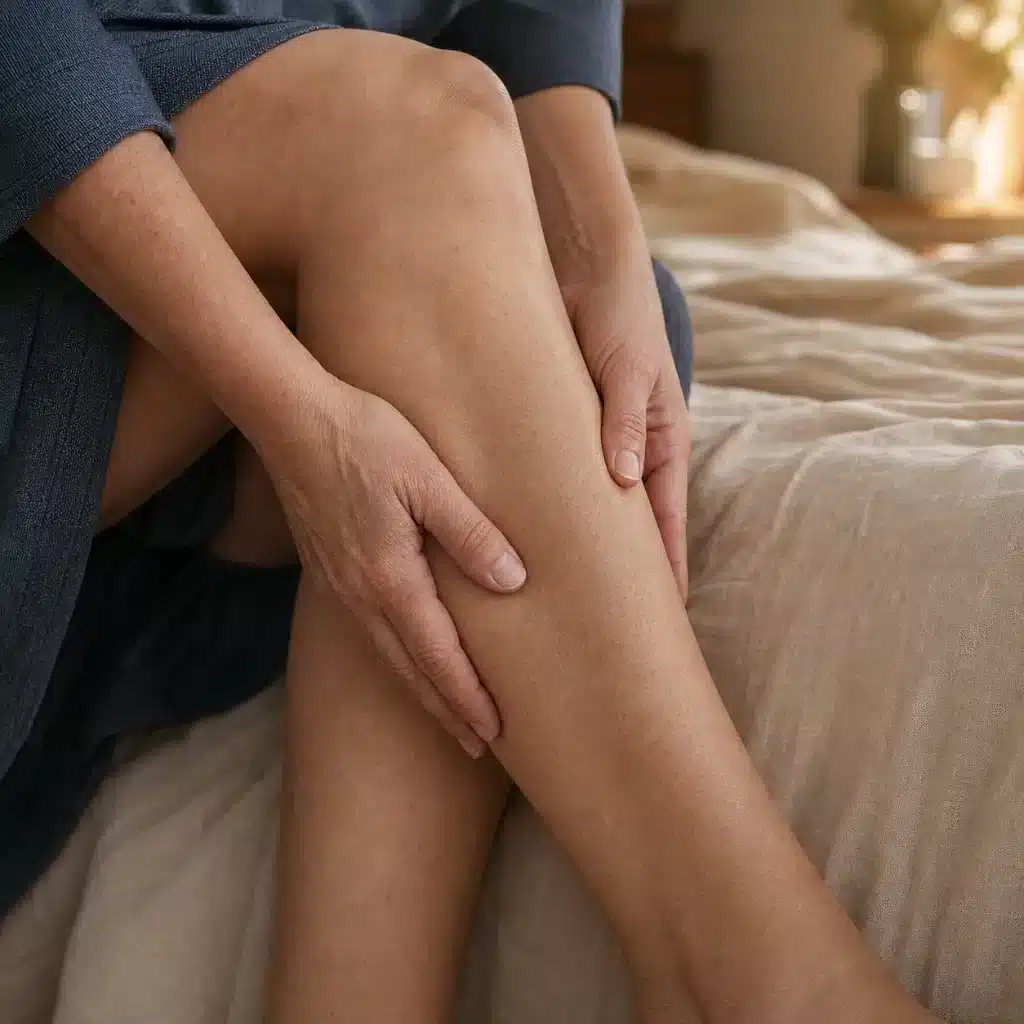
Lipedema induces abnormal fat, fluid retention, and inflammation which impedes lymphatic and venous flow. Leg pain and heaviness is frequently worse at night. Try elevating legs for 15 to 30 minutes before bed to reduce swelling.
-
Nighttime issues such as nerve compression from swollen tissue, cool temperature, and heavy bedding can all exacerbate burning, tingling, or aching sensations. Try lightweight covers and adjust your sleep position with pillows to relieve pressure.
-
Short term bedside measures give quick relief like cold packs for 10 to 15 minutes, gentle manual lymphatic drainage, and keeping pillows and cold or heat packs within arm’s reach to manage flares.
-
Daily prevention reduces nighttime pain through wearing properly fitted medical-grade compression, staying active with walks or gentle exercise, and hydrating while avoiding salty or inflammatory foods.
-
Monitor your symptoms, what triggers them, and how you respond to various interventions so you can discover what works best for your body. Seek expert help for clinical options such as professional lymphatic drainage, compression, and pain management when necessary.
-
Better sleep can disrupt the pain-sleep cycle with good sleep hygiene, treat sleep disorders when they occur, and hug some supportive pillows and positions to reduce nighttime discomfort.
Lipedema leg pain at night is a chronic, frequently exacerbating pain in the legs associated with abnormal fat and fluid accumulation. Symptoms of aching, burning, heaviness, and sensitivity wake me at night and limit my movement. Pain usually begins in the thighs and descends to the ankles and feet, with an accompanying swelling that has a unique feel compared to typical edema. Read on for night-time symptom relief strategies, including causes, sleep-friendly care tips, medical options, and lifestyle changes.
Underlying Mechanisms
Lipedema’s excessive fat accumulation in the legs disrupts typical venous and lymphatic circulation, establishes persistent inflammation, and transforms connective tissue composition. These alterations combine to create the characteristic nighttime pain, heaviness, and sleep disturbance suffered by many patients.
1. Fluid Build-Up
Fluid pools in the legs when lymphatic clearance cannot keep up with fluid filtered from capillaries, making limbs heavy and tight. Impaired lymph flow combines with increased capillary leakage from inflamed tissue, so more interstitial fluid collects by evening. Lying down shifts this fluid around, which depending on your posture, can move it into your calves and ankles and cause swelling to seem more pronounced at night. Overnight fluid shifts can lead to waking stiffness and a dull ache that eases gradually after rising. Indicators of fluid overload are taut skin, visibly swollen calves, pitting edema where the thumb creates a dent in the skin, and a feeling of fullness that clothing or sheets amplify.
2. Nerve Compression
Enlarged fat lobules and local edema impinge upon superficial and deep peripheral nerves, causing burning, throbbing, or tingling sensations that frequently worsen at rest. Sleeping poses that bend knees or compress ankles with bedding increase local pressure on nerves behind the knee and around the ankle, intensifying symptoms. Typical compression sites are the popliteal region and peroneal areas where there is little room and soft-tissue expansion rapidly increases pressure. Nerve irritation is connected to restless legs, increased repositioning, and disrupted sleep since the nervous system reacts to sustained low-level compression with hypersensitive pain signaling.
3. Tissue Hypoxia
Decreased microvascular blood flow in lipedema tissue reduces oxygen delivery, generating local hypoxia that produces an intense, deep, aching pain different from surface inflammation or soreness. Hypoxia increases metabolic waste and sensitizes nociceptors, so muscles and connective tissue ache even without exertion. At night, slowed circulation from immobilization exacerbates oxygen deprivation and delays tissue healing. Symptoms to be on the lookout for are cool or cold feet, blue or dusky skin tint, and persistent limb fatigue.
4. Microvascular Pressure
Swelling and fat pads increase pressure in capillaries and venules, creating tenderness and localized pain with touch. Microvascular stress manifests as redness, warmth, or mottling of the skin when small vessels dilate or leak. This pressure triggers inflammatory cascades that amplify pain at night as anti-inflammatory control mechanisms shift during sleep. In chronic cases, delicate vessels can rupture, resulting in easy bruising or tiny microbleeds in the tissue.
5. Inflammatory Surges
Inflammatory mediators in lipedema tissue tend to increase at night, driven by circadian hormone shifts, stress hormones, and metabolism during sleep, which heightens pain sensitivity. Chronic inflammation restructures connective tissue to make it stiffer and the nerves more exposed to inflammatory chemicals. These repeated spikes exacerbate swelling and activate flares associated with diet, heat, or hormones.
Nocturnal Symptom Triggers
Nocturnal Symptom Triggers: Lipedema pain at night typically occurs in cycles associated with lifestyle, sleep setting, and the body’s reaction to environmental stressors and nutrition. Knowing the usual suspects allows you to target modifications that minimize pain and swelling while you sleep. The following subsections break down main contributors: inactivity and daily strain, thermal changes, and bedding weight, and how pre-bed stress and evening meals fit into the picture.
Daily Strain
Extended standing, long walks or hard physical loads load lymph and fat tissue within the legs, which often manifests as worse pain at night. Overuse causes micro-inflammation and a heavier feeling that can feel significantly worse after a day of stress.
Evening flare-ups often come after a day of overexertion. Swelling can surge and tenderness intensify as circulation decelerates during rest. Monitor steps, standing hours, and hardcore chores for a few weeks to identify connections between activities and subsequent pain.
If patterns develop, adjust schedules to include light snooze breaks, reduce standing blocks, or schedule harder exercise earlier so legs have time to recover before bedtime. Easy switches such as sitting with your legs elevated for 15 to 20 minutes following long days on your feet will help combat the overnight surge in pain.
Thermal Changes
Cooler night air can cause vessels in the legs to constrict, reducing blood flow and increasing stiffness and pain in lipedema tissue. For others, it creates more intense pain at night than during the day.
Warmer environments promote vasodilation and can assist fluid in movement, reducing tightness and pain for many. Too much heat can aggravate others’ sensitivities, so it’s a case-by-case effect.
Monitor bedroom temperature and try small changes: a light layer, fan, or cooling pad, or conversely a warm sock or heated pad if cooling makes pain worse. No sudden bedroom temperature swings. Abrupt transitions from hot to cold frequently ignite a pain flare in sensitive tissue.
Bedding Weight
Thick blankets and duvets lay directly on top of swollen legs and skin, increasing pain and sensitivity at night. The extra poundage can come across as a lake of low-grade pressure that intensifies soreness and shortens rest.
Opt for light, airy cotton or moisture-wicking covers that don’t add extra weight and heat. Stacking a soft pillow under the calves or along the sides of the legs lifts weight off affected regions and alleviates local pressure points.
Having tried alternative bedding, monitor for any new or increased swelling, redness, or numbness in the morning. They suggest that night coverings are provoking symptoms and need to be modified or eliminated.
Immediate Bedtime Relief
Bedtime relief actions can reduce pain and inflammation fast as you sleep. The goal is to reduce pressure in the legs, encourage lymph flow, and soothe inflammation so you drift to sleep more comfortably. Quick strategies to try tonight:
-
Put your legs up above your heart for 15 to 30 minutes before bed.
-
Nestle pillows or an adjustable wedge under calves or heels for overnight relief.
-
Apply a cold pack wrapped in cloth for 10 to 15 minutes on aching spots.
-
Give yourself a few minutes of gentle manual lymphatic drainage or brush with a soft massage ball.
-
Put on compression garments if recommended and can be tolerated at night.
-
Keep pain relief tools—pillows, cold packs, water—within arm’s reach.
-
Record what provided the best relief in a small bedside notebook.
Elevate Limbs
If you’re crummy before bed, lie down and get your legs elevated above your heart for 15 to 30 minutes to reduce swelling and accelerate lymphatic flow. One extended session can clear the accumulated fluid and reduce the pressure at night, making it easier to drift off to sleep.
Use pillows or bed wedges to prop yourself up while you sleep. A solid wedge under the calves maintains ankles slightly above the heart and stops sliding. Soft pillows do the trick but sometimes have to be shifted around.
Consistent leg elevation reduces fluid retention and unburdens joints. Do this every day for slow improvement. Pair it with short walks earlier in the day to get circulation going.
Don’t elevate so high that your feet get numb or uncomfortable. If pins and needles or cold feet develop, lower the legs a bit until circulation feels normal.
Apply Cold
For instant bedtime relief, use cold packs or cool compresses on painful joints for 10 to 15 minutes to reduce inflammation. Try focused cooling on sore spots instead of wholesale exposure to prevent stiffness.
Wrap cold packs in a cloth so they won’t irritate the skin or cause frostbite. Thin towels or specially made sleeves are effective and allow you to leave the pack on during lounging without damage.
Combine cold therapy with elevation for relief. Put your feet up first. Then follow up with a brief cold treatment while your legs are still elevated to decrease inflammation and calm your nerves.
Cold is great during acute pain flares or after a hot day. If cold aggravates pain, follow with short warmth or omit this treatment.
Perform Drainage
Suggest delicate hand lymphatic dripping massage to open the lymph drip and diminish edema towards bedtime. Gentle, sweeping strokes down toward the groin and up the legs can massage fluid away pain free.
For elementary drainage, apply a massage ball or hands gently, stroking skin toward lymph nodes. Don’t knead deep. Instead, practice slow, shallow pressure.
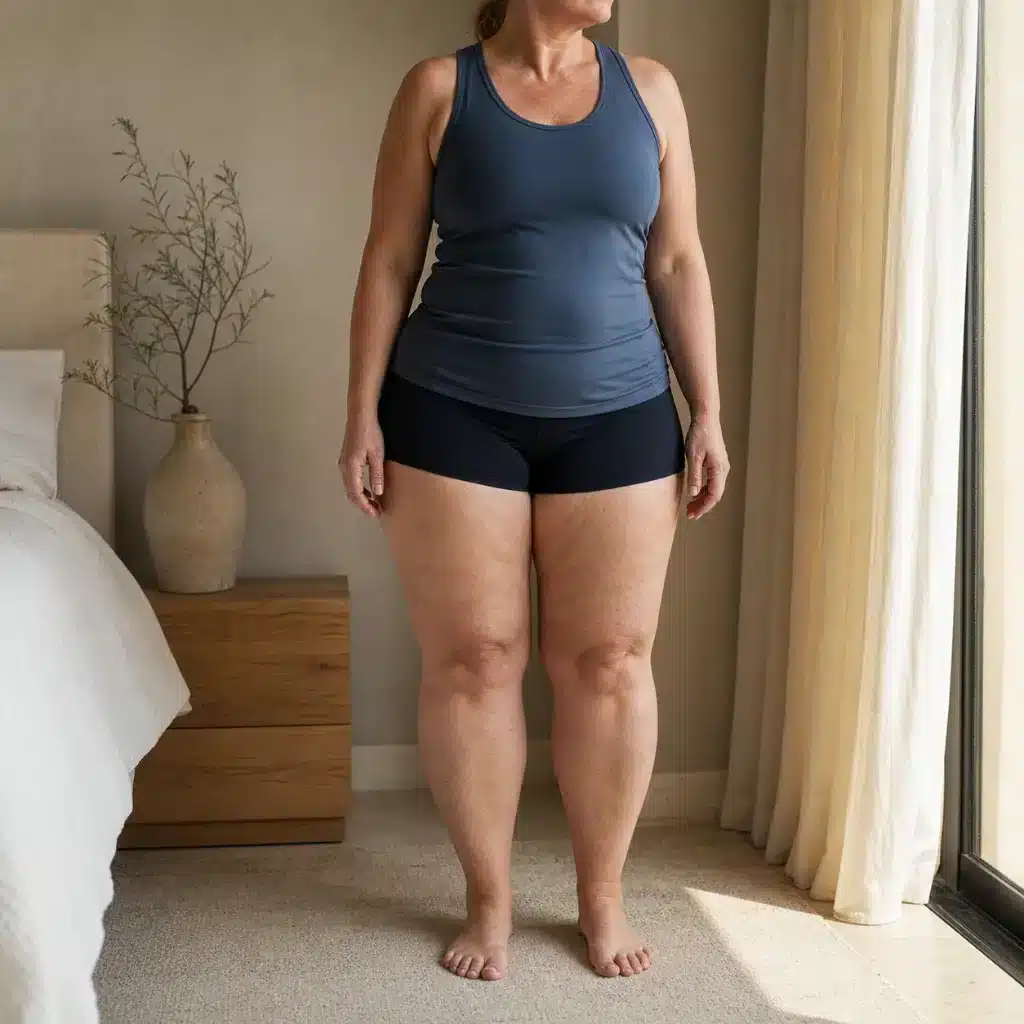
Make drainage in a quiet, relaxed setting for best results. Put your feet up and lie down. Dedicate 10 to 20 minutes to self-care while you breathe slowly.
Steer clear of hard massage that can exacerbate pain or harm vulnerable tissue. Stop if bruising, stabbing pain, or intensified swelling develops.
Daytime Prevention Habits
Daytime preventative habits can transform how your legs feel at night. Minor, steady steps in the daytime prevent fluid accumulation, decrease inflammation, and prevent you from suffering severe pain post-sunset. These practical steps center on support, motion, and hydration. They all work. Use them in concert and see what aids.
Wear Compression
Medical-grade compression washes direct lymphatic fluid out of inflamed tissue and reduce new fluid build-up during the day. Get professionally fitted. A healthcare provider or certified fitter will measure ankles, calves, and thighs and suggest a compression class (mmHg). About DAYTIME prevention habits – wear clothes during daylight hours while you’re up and about. Take them off at night, unless otherwise instructed.
Proper fitting matters: too tight causes discomfort and skin marks, too loose provides little benefit. Consider stockings for desk jobs, support leggings for workouts, and thigh-highs for marathon days. Rotate your attire, so you wash some and use different compression strengths. Use lighter compression for rest days and stronger compression for long-haul travel or when you stand for hours on end. Regular daytime application typically results in reduced nighttime swelling and decreased pain scores.
Walk Daily
Walking and light activity activate calf muscle pumps that drive lymph and venous blood flow upward. Aim for these low-impact sessions: short walks every 1 to 2 hours or 20 to 30 minute brisk walks twice a day. Top off with yoga poses or Pilates exercises that promote hip and ankle mobility to combat stiffness.
Even 5 to 10 minute walks after long periods of sitting can prevent fluid pooling and halt stiffness that later manifests as night pain. Monitor steps or movement bouts with a basic pedometer, smartphone application, or journal to maintain steady patterns. Don’t sit or stand for hours at a time uninterrupted. Prolonged inactivity exacerbates swelling and intensifies nocturnal pain.
Hydrate Well
It provides water to support its lymph flow and clear it of inflammatory waste products. Set a target of 30 to 35 milliliters per kilogram body weight per day, depending on climate and activity, and time your consumption to the day instead of in big boluses. Restrict salt-heavy and sugar-heavy beverages, as they encourage water retention and low-grade inflammation that can exacerbate leg pain.
Leave yourself cues or utilize a bottle with timed drinking goals. Observe if morning-to-evening fluid balance alters your symptoms. Some individuals experience less night flares with consistent daytime hydration. Good fluid habits translate to smaller, less painful swelling cycles and fewer extreme nighttime episodes.
Checklist for daytime prevention habits:
-
Use medical grade compression every day. Rotate clothes and switch layers to activity.
-
Walk or move regularly. Interrupt sitting every 60 to 90 minutes with short activity.
-
Daytime prevention habits.
-
Sip consistently. Follow the milliliters per kilogram rule and ditch salty, sugary drinks.
-
Manage weight with balanced diet; limit processed, inflammatory foods.
-
Maintain a daily log of clothes, activity, water, and pain for patterns.
Clinical Care Options
Clinical care for lipedema night leg pain focuses on decreasing pain, controlling swelling, and enhancing sleep and function. First line routes are conservative, procedural, and multidisciplinary symptom management. Clinical care options vary based on disease stage, symptom severity, comorbidities, and goals.
Available medical treatments
|
Treatment |
What it does |
Typical use |
Notes |
|---|---|---|---|
|
Manual lymphatic drainage (MLD) |
Gentle massage to move lymph fluid |
Daily to weekly adjunct |
Best when done by trained therapist |
|
Compression therapy (hosiery, bandaging) |
Reduces fluid pooling, supports tissues |
Night and day use as prescribed |
Use measured fit; graded compression in mmHg |
|
Liposuction (tumescent, water-assisted) |
Removes pathological fat |
Moderate to severe lipedema unresponsive to conservative care |
Requires experienced surgeon; not a cure |
|
Exercise and weight management |
Improves mobility, reduces load |
Ongoing self-care |
Low-impact options: walking, swimming, cycling |
|
Pharmacologic pain control (NSAIDs, neuropathic agents) |
Lowers pain and inflammation |
Symptom relief, short-term or chronic |
Monitor side effects; tailor to patient |
|
Physiotherapy and mobility training |
Strengthens, restores function |
Alongside other treatments |
Include gait and balance work |
|
Referral to pain clinic |
Multimodal pain programs |
Complex or refractory pain |
May include nerve blocks, cognitive therapy |
|
Psychological support / CBT |
Addresses sleep and chronic pain coping |
Often adjunctive |
Improves adherence and quality of life |
|
Compression pumps / pneumatic devices |
Intermittent pneumatic compression reduces swelling |
Home or clinic use |
Use under clinician guidance |
Specialist care and multidisciplinary clinics
Specialist input shapes a customised plan. Vascular medicine, lymphology, plastic surgery, pain medicine, and physiotherapy often collaborate. A lymphologist or vascular specialist confirms diagnosis, stages disease, and screens for venous disease or lymphedema. Liposuction plastic surgeons assess who is a good candidate and what results you can expect. Pain specialists offer targeted medication regimens and interventional therapies for neuropathic night pain. Multidisciplinary clinics coordinate care, expedite referrals, and monitor risks such as DVT or medication interactions. For advanced cases, specialists consider surgical options, compression pre and post-operation, and long-term follow-up.
Role of professional therapies and monitoring
Professional MLD and fitted compression provide reliable symptom relief and can help decrease night pain by reducing tissue pressure and fluid-induced nerve irritation. Pain management clinics add structured programs that include medication reviews, sleep hygiene coaching, and strategies for nocturnal pain spikes. Patients should monitor symptoms, sleep, edema (cm circumference), activity, and therapies daily or weekly. Make simple logs or use apps to record pain scores, medications, time spent in compression wear, and side effects. Routine outcome reviews with the care team allow for dose changes, garment refitting, or timing of surgical referral.
The Sleep Paradox
Bad sleep alters how the body experiences pain and can exacerbate nighttime leg pain from lipedema. Sleep loss lowers pain thresholds, so normal sensations feel more painful. When sleep is shallow or fragmented, inflammatory markers rise and the nervous system becomes more sensitive, which feeds a cycle: pain disrupts sleep, poor sleep increases pain, and both reinforce each other. For a lipedema patient, this can translate to nights that transition from dull ache to stabbing, burning, or throbbing pain with the stroke of midnight. Mornings bring heavier, more pain-laden legs.
How poor sleep raises pain sensitivity
Sleep deprivation modifies pain-processing pathways in the brain and spinal cord. According to research, reduced slow-wave sleep causes increases in cytokines and decreases in pain inhibition. In practice, this implies that the fluid pressure or tissue stretch that feels manageable during the day can feel unbearable at night. A person who naps irregularly and goes to bed late may wake with legs that feel twice as heavy because their body didn’t complete restorative sleep stages that blunt pain signals.
Sleep disorders and lipedema symptom management
Things like obstructive sleep apnea and restless legs syndrome can complicate managing lipedema symptoms. Sleep apnea introduces oxygen dips and micro-awakenings that shatter sleep architecture and compound inflammation and fatigue. Restless legs generate urges to move that disrupt sleep and increase muscle tension in the legs. Both disorders render compliance with daytime treatments—compression wear, exercise, manual lymphatic drainage—more difficult, as fatigue makes you less motivated and more sensitive to pain. If breathing pauses or restless leg movement are present, screening and treatment for these disorders must be incorporated into a lipedema care plan.
Practical sleep hygiene to reduce pain perception
Start with a consistent sleep window: go to bed and wake at the same time daily to stabilize circadian rhythm. Maintain a cool, dark, and quiet sleep environment that includes blackout curtains, removal of screens an hour before bed, and a lowered ambient temperature of 18–20°C. Cut caffeine after 12 p.m. Refrain from large meals two to three hours before bedtime. Implement a simple wind-down routine: light stretching, calm breathing, or a short guided relaxation to cue the body for rest.
Sleep position, bedding, and routines
Modify sleeping position to minimize venous stasis and leg pressure. Propping the feet on a 10 to 15 cm wedge or additional pillow facilitates venous return and relieves fluid stagnation during sleep. Utilize supportive pillows in between the knees if sleeping on your side to maintain the position of your hips and legs and reduce mechanical stress. Opt for airy sheets and compression garments at night if tolerable. Keep routines predictable with the same pre-sleep actions in the same order to train the body to settle faster.
Conclusion
Lipedema leg pain at night can often be tied to swelling, pressure, and fitful rest. Easy steps can reduce pain and aid sleep. Move to a firmer mattress or add a thin support layer. Wear prescribed compression at night or during the first hours after going to bed. Try leg elevation on a low wedge and gentle ankle pumps prior to bed. Keep a steady routine: move during the day, avoid late salty meals, and choose footwear that limits leg strain. Consult a doctor about lymphatic care, specialized compression, or a sleep study if pain persists. Little, consistent shifts provide actual reprieve. If you’d like a brief plan based on your specific symptoms, post some details and I’ll create one.
Frequently Asked Questions
What causes lipedema leg pain at night?
Lipedema leg pain at night typically arises due to fluid pooling, enhanced pressure in fatty tissue and disrupted lymph flow. Hormones and inflammation can exacerbate pain while at rest.
How can I get immediate relief before bed?
Elevate your legs. Compression and a cool compress are the best treatments. A gentle leg massage or lymphatic drainage, if you can find someone to do it, relieves pressure and reduces pain immediately.
Are there daytime habits that reduce nighttime pain?
Yes. Consistent low-impact activity, compression wear, weight control, and avoiding prolonged standing or sitting all assist in mitigating fluid retention and nighttime pain.
When should I see a doctor about nighttime leg pain?
See a specialist if it’s severe, changes quickly, or is accompanied by skin changes, unresolving swelling, fever, or loss of mobility. These symptoms require urgent medical attention.
Can sleep position affect lipedema pain?
Yes. Sleeping with my legs elevated on a pillow will reduce pressure and fluid pooling. Side sleeping with a pillow between the knees can aid comfort and alignment.
Do medications or treatments help nighttime symptoms?
Anti-inflammatories, venous or lymphatic therapies and prescription compression can help. Explore options with a lipedema-savvy clinician to discover safe, personalized care.
Is surgery a solution for night pain from lipedema?
Liposuction and alternative surgical options can reduce long-term pain and swelling in some individuals. Weigh risks and benefits with a good specialist before you proceed.
