Directions
 Call Us
 Email Us



Key Takeaways
- Hip dips are natural indentations shaped by genetics, bone structure, and fat distribution along the hips. They’re not a sign of poor health or fitness.
- As with liposuction for stomach fat, body contour and scar tissue play a role in the outcome.
- Liposuction combined with fat grafting or a Brazilian butt lift can improve the shape of the hips for patients interested in additional volume and more blended contours.
- Not everyone is a candidate for hip dip liposuction. A comprehensive consultation with a seasoned surgeon remains critical prior to choosing treatment.
- Hip dip liposuction recovery involves adhering to post-operative care guidelines, allowing time for healing, and being mindful of typical side effects such as swelling and bruising.
- Non-surgical options, exercise, and a body-confident mentality are key for anyone considering hip dip correction or body contouring.
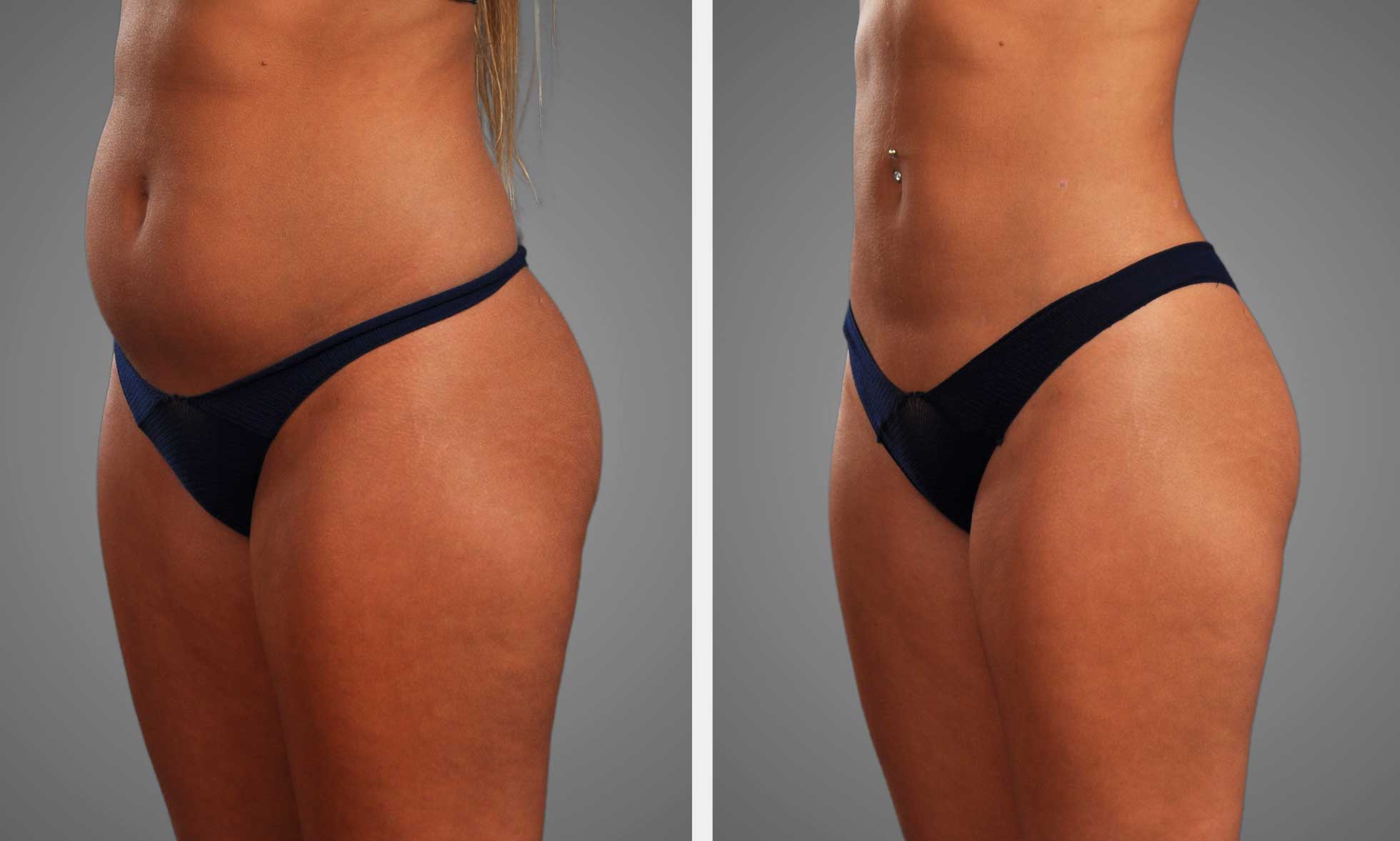
Liposuction can assist in transforming the appearance of hip dips by removing fat deposits from the flanks of the hips. Hip dips, or inward curves below the hip bones, originate from bone structure and fat levels.
Many folks inquire whether liposuction provides sleeker hip lines. Results rely on body shape, skin quality and the surgeon’s experience.
What follows is a breakdown of the way liposuction functions in terms of hip dips.
Understanding Hip Dips
Hip dips are those inward curves along the side of your body, just below your hip bone. These dips or indentations are natural and occur on many physiques. The shape is primarily determined by bone structure, particularly the position of your pelvis and how your femur connects.
Fat distribution and muscle also contribute, but even if you have strong muscles or low body fat, hip dips can still be visible. They’re not indicative of being unhealthy or unfit, just something some bodies do.
Genetics have the biggest impact on hip dips. If your mom or grandma has them, then likely others in the family will as well. Body shape is important. Anyone with wider hips or more space between their hip bone and thigh bone tends to notice their dips more.
Muscle tone can help alter the appearance slightly. Strong glute muscles can make the dip less pronounced, but it cannot eliminate it. Hip dips cannot be eliminated by diet and exercise because they are determined by bone structure, and bones cannot be altered in this way.
They accentuate the body’s curve, making every silhouette distinct. Certain individuals possess a curvier hip line, whereas others exhibit a more angular contour. Hip dips can cause clothes to fit in a manner that highlights the indent.
For instance, tight skirts or pants tend to cling to the dip so it can be more or less visible depending on fabric and cut. Hip dips are sometimes celebrated in certain cultures or fashion moments. For others, it could be the push for a sleek bend that forms their perspective on bodies.
Our culture’s perception of hip dips varies by era and geography. Social media occasionally broadcasts smooth, curvy hips as some sort of canon of beauty to which we should all aspire, making us feel self-conscious for having natural dips. This can fuel attention to aesthetic cures like liposuction with fat transfer.
The process involves liposuctioning fat from one area, usually the stomach or thighs, and transferring it to the hip dip to fill it in. Not everyone is a good candidate for this surgery. Generally, clinics recommend nonsmokers who are within 30 percent of their ideal weight, with good skin bounce back and no bleeding problems.
They can result in very full looking results, but your body tends to absorb 30 to 70 percent of the fat within the course of a year. Pain and bruising are typical for up to two weeks, and final results require months. Prices vary, typically between $8,000 and $11,000 for surgery, anesthesia, and aftercare.
Some will require touch-up treatments, and not all will be 100 percent happy with the outcome.
Liposuction’s Role
Liposuction is a surgical technique of body contouring by removing the fat in areas where it’s likely to be stored, such as the hip dips. This can assist in creating a rounder appearance to the hips and balance to the lower body. It does this by removing pockets of fat along the hip bones, allowing the space between the hips and thighs to appear more smoothed out.
It’s not a solution to every body concern; many individuals turn to liposuction to address fat that won’t budge with diet or exercise.
1. The Technique
There are various liposuction techniques for hip dips. Tumescent liposuction is standard, draining the area with a slurry of saline solution, lidocaine, and epinephrine to help liquefy fat. Then, a slender tube called a cannula sucks the fat out.
Laser liposuction uses heat to melt fat prior to removal, allowing it to be gentler and potentially assist with skin tightening. Both seek incremental changes.
That’s why you want to pick a talented plastic surgeon. The hips are subtle, and a steady hand provides the best shape. Little incisions, generally only a few millimeters, maintain scars that are minute and difficult to see after healing.
Others want even more contour, so physicians can transfer fat from elsewhere and inject it into the dips. This is known as fat transfer, and it’s great for filling in hollow areas for a more even appearance.
2. The Goal
The primary goal of hip dip liposuction is to smooth out the curvature of the hips. By suctioning fat from all the proper regions, docs can reduce the prominence of the dip. This provides a highly desirable body shape with greater waist-to-hip balance.
Everyone always comments on how much better they feel in fitted clothes after this type of surgery. It’s not just about appearances; it’s about feeling good and confident. The body transformation can assist others in viewing themselves differently.
3. The Combination
Sometimes liposuction and fat grafting are a perfect pairing. Liposuction can take fat from one area and redistribute it to the hips to make them appear fuller and more balanced. This is typically in the context of a Brazilian butt lift, which augments volume in the backside for that trendy, full lower body look.
Advanced sculpting incorporates strategic mapping to seamlessly integrate results with your natural body contours. Physicians might recommend a combination of these steps, not just one. That way, they receive a more comprehensive transformation and a style that suits their objectives.
4. The Limitations
Liposuction is not the solution for everyone. If there isn’t enough fat to take, it won’t work as well. If the skin is too loose, the contour may not appear smooth post-healing. Liposuction can’t fix muscle shape or tone, so if your hip dip is due to your bones or muscles, removing fat won’t do anything.
Here’s what you need to know. Results aren’t immediate; they take months to settle. There can be bruising, swelling, or contour irregularities. Some heal within weeks, though tiny scars take a little longer to fade.
Cellulite doesn’t disappear with liposuction, and others develop infections or a change in skin texture. Realistic hopes are key for a good outcome.
The Ideal Candidate
Choosing the ideal candidate for hip dip liposuction is essential to safe and successful results. Not everyone with hip dips will qualify for this surgery. A few personal variables, such as health status, lifestyle, and expectations, have a major impact on the efficacy of this treatment.
Below are common features of an ideal candidate:
- Nonsmoker
- Stable weight within 30 percent of ideal body weight
- Responsive skin elasticity
- No history of bleeding or autoimmune disorders
- Not taking blood-thinning medications
- No recent major weight loss (more than 11 kg)
- Realistic view on what the surgery can achieve
Body Shape
Your body shape influences the type of hip dip that develops and how it presents. Pear-shaped bodies tend to have a deeper crease between the hip bone and thigh. Hourglass types may experience lighter dips, but these can still show, particularly if they have an unbalanced distribution of muscle or fat.
Individuals with straighter or athletic builds can have hip dips that fade more into their body lines, which makes them less obvious yet still present. Understanding your body type sets expectations. For instance, if your pelvis is wider by nature and carries less fat in the hip region, the dip may be more pronounced.
Liposuction in these cases will have restrictions, as the bone structure cannot shift. Instead, some require fat grafting or alternate techniques. Embracing your body’s natural shape is important as you ponder transformations. Cosmetic surgery can adjust contours, but it cannot make one body type appear as another.
Skin Quality
Skin is important in terms of recovery and results. Skin with good elasticity rebounds well after fat is removed, leaving the area appearing smooth and even. Loose or thin skin may not adapt as well, resulting in rippling or sagging.
Your 20’s and 30’s tend to have better skin elasticity, but genetics and lifestyle play a role. Excellent pre-surgery skin health amplifies results. Daily moisturizer, sunscreen, and hydration can assist.
Well-nourished skin is firm skin: eat a balanced diet replete with vitamins C and E, and don’t smoke. Consistent exercise increases blood flow and skin rejuvenation, which assists in post-surgical healing. These small steps can have an impact both immediately and over time.
Realistic Goals
Being realistic is one of the most important things for anyone considering hip dip liposuction. The technique can soften indentations, but it won’t get rid of hip dips or change bone structure. Talk openly with your surgeon about what you want and what’s possible.
Surgeons can utilize digital imaging to demonstrate probable outcomes, assisting you in visualizing what to expect. It’s smart to understand that recovery is a process. Swelling and bruising can persist for weeks or even months.
A dose of patience and frank conversations with your care team keeps you grounded and confident in your outcome. Those whose aspirations align with what surgery can accomplish tend to be happiest.
Procedure and Recovery
Hip dip lipo is another popular pick for those seeking more fluid hip-side curves. It sculpts the hips by suctioning away fat through micro cannulas and sometimes uses that same fat to fill in your indentations. They all count for the outcome and the recovery.
The process begins with the patient receiving anesthesia, typically either local or general, depending on what the physician deems appropriate. This keeps the pain at bay throughout. A tiny incision is located near the hip dip.
The doctor inserts a thin tube, called a cannula, and pivots it to break up and suction fat. If the plan is to add fat for shape, the extracted fat is purified and re-injected into the hip dip area. This incremental approach allows surgeons to sculpt the hips with precision and achieve a smoother appearance.
The initial days following surgery are typically the most difficult. Bruising and pain are common and can last two weeks or more. Mild swelling tends to linger for up to four to six weeks, and it can be more difficult to notice the final contour of your hips until the swelling subsides.
You can begin light walking and even return to work one day post-operative, as long as your job isn’t too physical. Light exercise can start after two weeks. More strenuous activities or sports should be delayed for approximately four weeks to reduce the risk of complications.
Fat transfer requires eight or more weeks for full recovery, and it can take up to six months for the fat to settle and reveal the final shape. Adhering to the doctor’s after-care protocol is essential to healing well and achieving optimal results.

You’ll generally require a compression garment for a few weeks to reduce swelling and assist the skin in adapting to the new shape. Keeping it clean, not doing hard work too soon, and monitoring for complications such as infection or fluid collection constitute good care.
Skipping steps in this care can delay healing or alter the ultimate appearance. Side effects are primarily mild but can be rough for some. Bruising, swelling, and pain are normal and subside.
Occasionally, numb skin, lumps beneath the skin, or skin color changes might appear but tend to resolve within weeks.
Beyond The Scalpel
Liposuction can smooth hip dips, it’s not the sole solution. Most want a more rounded hip shape, outcomes depend on more than just surgery. Whether surgical or non-surgical, explore ways to get your desired shape. Body-contouring, muscle-building, and mindset are all important.
Non-surgical options for hip dip correction include:
- Dermal fillers: Plump the area with hyaluronic acid or other soft tissue fillers.
- Fat grafting: Transfer your own fat from one area to the hips, but 30 to 70 percent of the fat may be absorbed within a year. Fat grafts can take up to 6 months to settle.
- Compression garments: Slightly smooth the look under clothing, but changes aren’t permanent.
- Exercises: Target muscle growth to fill out hips.
- Nutrition: Support muscle repair and overall body shape through a balanced diet.
Body Contouring
Body contouring refers to utilizing treatments, both surgical and non, to form or sculpt particular areas. For those wishing to correct hip dips, body contouring allows you to sculpt more than just fat. It affects the appearance of muscle and skin as well.
Liposuction eliminates fat, but it doesn’t address cellulite or lax skin. That’s when other contouring approaches enter. Laser, radiofrequency, and ultrasound-based treatments might tighten skin or enhance texture, but results are varied.
A combination of these strategies can amplify effectiveness. For instance, liposuction with fat grafting can help make hips rounder. Every body is different, so a plan that’s customized is the key. Certain patients require additional fat extraction, while others see the best results with skin firming.
Talk to a provider experienced in body contouring to discuss the best route for you to take towards your goals.
Muscle Building
Hip muscle building makes a big difference in shape even without surgery. Activities such as squats, lunges, hip thrusts, and step-ups all activate glute muscles. Introduce resistance or weights to these moves to increase muscle growth.
Over time, muscle can help fill out those dips and smooth out your side profile. Balanced workout matters. Combine weight training with cardio and stretching. This aids in healing, supports the longevity of your results, and keeps your body strong.
After liposuction, light activity enhances healing. As you heal, ramp it up to continue sculpting your hips and sustaining fresh curves.
Mindset Shift
Transforming your body begins by transforming your mind. Cosmetic procedures can build confidence, but mental preparation is as crucial as physical rehabilitation. Consider your motivations and set reasonable expectations for surgery.
Learning to accept your body’s natural shape and emphasizing how you feel, not just how you look, is crucial for enduring contentment. Celebrate the strides, be it from surgery, the gym, or healthier decisions.
It’s about the person you’re becoming, not just how you look. This mentality encourages body positivity and allows you to embrace outcomes on both the inside and out.
Risks and Realities
Hip dip liposuction has become more frequent. It’s not a magic solution. It’s a surgery, and like any surgery, it has its share of risks, limitations, and considerations. Most of us desire slicker hips. The road to them is far from easy or certain.
| Risk/Reality | What It Means | Example or Note |
|---|---|---|
| Bruising and Pain | Discomfort after surgery, often for 2+ weeks | Soreness at the injection and incision sites |
| Swelling | Mild swelling may last 4-6 weeks | Hip area may look uneven until swelling fades |
| Fat Absorption | 30-70% of injected fat may be absorbed in the first year | Not all transferred fat stays, so volume may change |
| Delayed Final Results | Final shape appears in 3-4 months, with changes up to 6 months | Results may keep changing for months |
| Not for Everyone | Not suited for those with recent major weight loss, bleeding, or immune issues | People on blood thinners or with unstable weight are at higher risk |
| Weight Changes | Large gains or losses can undo results | Stable weight is key for lasting changes |
| Suitability | Good candidates are within 30% of ideal weight, non-smokers, healthy skin | People with elastic skin and no bleeding history fare best |
| Dissatisfaction with Results | Patient may not get the contour they expect | Outcomes can fall short, even with proper technique |
It’s important to know these facts before you proceed. The reality is your hip dip region is formed by bone and muscle just as much as fat. Even if you add fat, some dips may persist or develop if weight shifts down the road.
For one, the results are not immediate. Bruising, swelling, and soreness are normal. Few patients experience weeks of pain and months of healing. It’s not unusual for people to notice differences even six months post-op. This can be slow, but it’s part of the body’s healing.
Not everyone’s a good candidate. If you’ve just lost a ton of weight, or if you live with chronic health issues, you’re at even more risk. Ditto anyone on blood thinners or with bleeding conditions. All of these things alter the healing in the body and can make surgery riskier.
Those with stable weight, good skin and no major health issues tend to fare better. To reduce risks, an intensive pre-surgery examination is required. This means a complete reexamination of health, lifestyle, and patient desires.
Candid discussions with your surgeon assist in establishing realistic expectations and identifying potential problems. When patients and physicians openly discuss concerns, expectations, and boundaries, the outcomes are often more rewarding and secure.
Conclusion
Liposuction can smooth out hip dips in some people, but it’s not for everyone. Bodies come in many shapes and sizes, and bone structure plays a significant role. For some people, that additional stress takes a small dent; for others, not so much. Results vary based on your physique, skin, and health. Others seek alternative methods, such as strength work or fillers, to assist in contouring this area. It’s wise to discuss it with a trusted physician. Ask questions, share your goals, and discover what suits you best. For details or questions, schedule a consult with a licensed practitioner. Be in the know and discover what’s right for your body and desires.
Frequently Asked Questions
Can liposuction fix hip dips?
Liposuction alone cannot fix hip dips. It extracts fat but doesn’t remodel the bones. Some doctors pair liposuction with fat transfer.
Who is a good candidate for hip dip liposuction?
Optimal candidates are healthy, close to their goal weight and have sufficient fat for transfer. Can liposuction help with hip dips?
How long is the recovery after hip dip liposuction?
Recovery is typically one to two weeks. Most resume daily activities in a few days. Swelling and bruising may persist for a longer period.
What are the risks of liposuction for hip dips?
Risks encompass infection, asymmetry, bruising, and edema. Selecting an expert surgeon minimizes issues.
Will results from hip dip liposuction look natural?
Depending on technique and your body type. An experienced surgeon will aim for natural curves, there is no promise of perfect symmetry.
Is fat transfer always needed with hip dip liposuction?
Hey, liposuction for hip dips can help. It gives you that rounder, fuller look.
Are there non-surgical options for reducing hip dips?
Yes, exercise and targeted strength training can help increase muscle tone around the hips. Non-surgical treatments do not have much of a result compared to surgery.