Directions
 Call Us
 Email Us


Key Takeaways
- Love handles are those stubborn pockets of subcutaneous fat that develop along the waist and flanks in both men and women and can be resistant to diet and exercise.
- Male and female liposuction differs by anatomy, hormones, and technique, so select a surgeon who’s experienced in gender-specific contouring for customized results.
- Best candidates are adults close to their ideal weight with good skin elasticity and reasonable expectations. A comprehensive medical exam and medication review is necessary.
- The treatment utilizes tiny incisions and delicate cannulas with techniques such as tumescent or laser-assisted liposuction. Compression garments and restricted movement are required during recuperation.
- Advantages are it provides longer-lasting contour enhancements, especially when combined with a balanced lifestyle. Downsides are swelling, bruising, infection, contour abnormalities, and infrequent complications.
- To maintain results, enjoy balanced meals and daily activity such as swimming or cycling. Track your weight and treat hormonal or medical contributors with your physician.
Men and women liposuction love handles involves removing stubborn fat from your flanks. It addresses stubborn, diet- and exercise-resistant fat pockets and can help your waist look better and clothes fit better.
Ideal candidates are those with stable weight and good skin tone. Recovery depends on technique and extent of treatment, but most people are back to light activity within days.
The body details methods, risks, and results.
Understanding Love Handles
Love handles are simply excess fat pockets at the sides of the waist, and those pesky love handles seem to affect both men and women equally. They’re those bad boys that hang out where the torso meets the hips and frequently peek under your clothes, developing a silhouette that some of us can’t stand.
These deposits are primarily subcutaneous fat, which is fatty tissue just beneath the skin and is notoriously difficult to shift with traditional diet and exercise. This difficulty explains the appeal of cosmetic procedures like liposuction.
The Anatomy
Love handles are localized fat deposits along your flanks, hips, and lower abdomen. These bulges consist primarily of subcutaneous adipocytes, fat cells that hoard energy and insulate the body.
Anatomically, they are located between the lower ribs and the upper hips. Their shape and volume influence the waistline and overall body contour. This location elucidates why love handles affect the fit of jeans, pants, and belts and can distort the visual torso-to-legs proportion.
The Causes
- Calorie overload means eating more than your body uses in a day, so it gets stored as fat.
- Excess refined sugar boosts insulin and encourages fat gain.
- Sedentary lifestyle or absence of sports decreases calorie consumption and muscle tone.
- Aging and slowed metabolism reduce basal calorie requirements and change fat storage.
- Hormonal imbalances, such as low testosterone in men or estrogen shifts in women.
- Stress and sleep deprivation that increase cortisol, a hormone associated with abdominal fat.
- Genetics determine where your body stores fat and how it releases it.
- Reinforced by sedentary behavior and poor eating habits.
Each can work independently or in concert. As science reveals time and again, genes, hormones such as cortisol and insulin, and other factors like your metabolism determine where fat lands.
Two people eating similarly may store fat differently because of genetic and hormonal differences.
The Resistance
Love handles can be difficult to shred with diet and jogging due to the fibrous, subcutaneous nature of fat in this area. Even hard-core workouts and pristine dieting can produce stubborn or patchy results.
Other areas of your body will slim down first while the flanks linger. It’s in the body’s best interest to store fat in the waist and flanks for energy reserves. Therefore, it’s the first area to gain pounds and the last place to shed them.
That inclination, paired with hormonal effects and local fat-cell activity, accounts for the prevalent annoyance. For most, options such as liposuction or noninvasive approaches like cryolipolysis are employed when lifestyle change isn’t enough.
Lifestyle changes remain useful. More activity, better sleep, and reduced stress lower cortisol and can help shrink love handles over time.
Gender-Specific Contouring
Liposuction for love handles must begin with a clear plan that fits male and female body goals. Techniques and goals differ. The surgeon maps fat pockets, checks skin elasticity, and considers overall shape aims before making incisions. Patient weight, skin quality, and expectations guide whether liposuction alone or combined procedures are best.
1. Anatomy
Men and women have different fat maps. Men carry excess fat more at the flanks and upper abdomen while women carry it more at the hips, lower waist, and outer thighs. Men’s love-handle fat is usually denser, more fibrous, and connected to the oblique and lateral wall tissues.
This might require firmer passes or different cannulas. Women’s deposits are often softer and more diffuse, which can permit smoother, blended contouring to sculpt natural curves. These structural differences result in surgeons occasionally shaving fat overlying the obliques in men to carve out a V-shaped torso.
They aim to taper the waist to accentuate an hourglass figure in women.
2. Hormones
Hormones shape where fat goes. Testosterone tends to favor central fat in men, so flank and chest deposits, including gynecomastia, are common targets. Estrogen promotes hip and thigh storage in women.
Pregnancy and menopause shift this balance and may enlarge love handles. Hormonal imbalance can cause uneven fat growth in either sex and affect long-term results. Addressing endocrine factors, like thyroid or sex-hormone issues, can improve outcomes and help maintain contour after surgery.
3. Technique
Different methods utilized dependent upon tissue and objectives. Gender-Specific Contouring Traditional and tumescent liposuction rid bulk, but laser-assisted techniques such as smartlipo simultaneously tighten skin as they liquefy fat in more tender deposits.
Thin cannulas and small incisions permit very precise sculpting and less scarring, but denser male tissue might require larger or more aggressive cannulas. Expert techniques allow for customized sculpting of the waist and flanks and can be combined with chest contouring, abdominoplasty, or fat grafting to the buttocks.
About Gender-Specific Contouring A table comparing techniques for male versus female targets helps surgeons select instruments and parameters.
4. Recovery
Recuperation is different. Men and women have different soreness and healing rates. Denser tissue can generate more initial discomfort. Compression garments prevent swelling and help to support the contours.
Patients will be up and walking and doing light activity very soon after surgery to encourage circulation. Typical symptoms are moderate swelling, bruising, tenderness, and transient incision-site soreness. For best results, most patients are within 20 to 30 percent of ideal weight and see final shape after weeks of subsiding swelling.
5. Outcomes
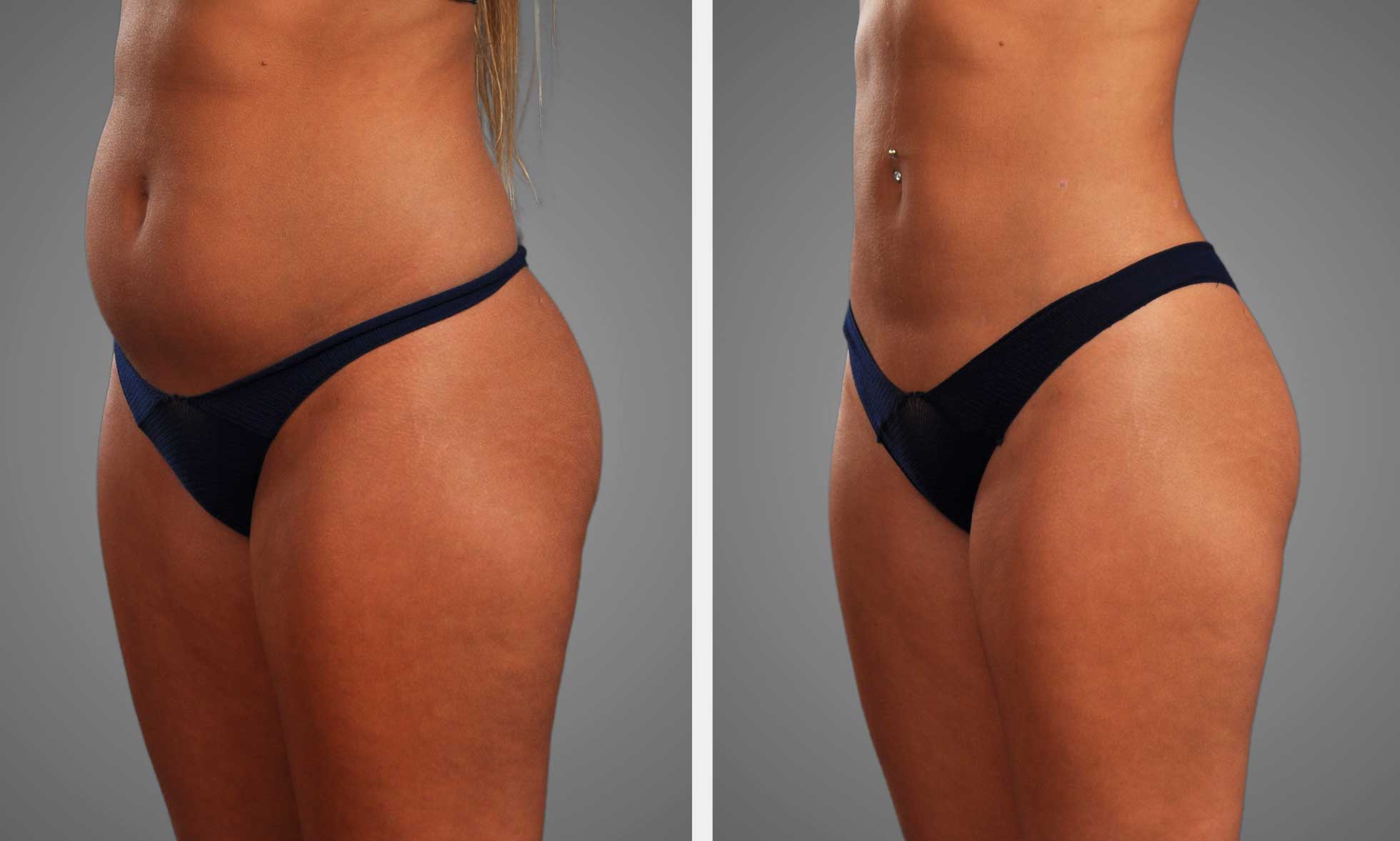
Outcomes reflect goals: men often get a more toned core and defined waist. Women generally gain a slimmer waist and enhanced curves. While liposuction can shift volume semi-permanently, it is often combined with other procedures to achieve more voluptuous results.
Nothing tracks change and satisfaction more than before-and-after photos.
The Liposuction Procedure
Liposuction is the most common outpatient surgical technique, addressing discrete pockets of unwanted fat, such as love handles at the waist and flanks. It is designed to alter body contours and is not weight-loss surgery. The goal is targeted fat elimination and sculpting of the waistline, with safety and patient comfort prioritized throughout the process.
Consultation
An operative consultation assesses candidacy, reviews medical history, and clarifies realistic aesthetic goals. The surgeon will ask about prior surgeries, medications, and lifestyle factors. They may request photos or mark the target areas during the visit.
Patients should point out exact zones they wish to treat and set clear expectations for how much contour change is reasonable. The surgeon evaluates skin elasticity and fat distribution. Good skin tone and localized fat pockets make for the best outcomes.
Bring a prepared list of questions on risks, anesthesia, recovery times, and costs. This includes inquiries about options in different countries where prices can be 60 to 80 percent lower in some clinics.
Preparation
If you smoke cigarettes, consume alcohol, tea, coffee or certain medications, you need to stop at least one week before surgery to reduce the risk of bleeding and healing. Cut back on refined sugars and maintain a consistent weight. Big weight swings numb results.
Organize a ride home and assistance for the first 24 hours. Wear loose, comfortable clothing on the day of surgery and don’t eat a heavy meal before arrival. Bring paperwork and necessary pre-op test results.
Operation
The surgeon makes minuscule cuts near the love handles and cannulates. Local anesthesia or tumescent solution is utilized to numb the area, minimize bleeding, and alleviate pain. Fat is gently suctioned, with an eye toward symmetry as the waist and flanks are sculpted for a contoured look.
Typically, procedures last one to two hours, depending on the amount of fat extracted and if we are treating any other areas in that same session. There can be pain, tenderness, or a burning sensation for a couple of days after the surgery.
Aftercare
Wear a compression garment for a few weeks to support tissues, minimize swelling, and assist skin re-draping. Swelling will drop in approximately three months and bruising will dissipate within three weeks.
The majority of patients are sore for one to two weeks, with minor soreness sometimes lingering up to a month. Avoid heavy lifting and strenuous exercise in the beginning. Simple walks are recommended and sports can typically be resumed after one week.
Adhere to all post-op directions. You want to heal as well as possible.
Candidacy Assessment
Candidacy for love handle liposuction begins with a targeted medical and aesthetic evaluation. The objective is to determine who will benefit most from the process and to establish reasonable expectations on what liposuction can accomplish. Here are the primary areas doctors examine prior to prescribing a solution.
Ideal Candidates
Adults within a few kilograms of their target weight who have persistent fat deposits at the waist or flanks are the typical candidates. These people have tried diet and exercise but still have localized pockets of fat that do not respond to lifestyle change. Both men and women fit this profile. Body fat distribution differs by sex, but the principle is the same.
Candidates should have nice skin elasticity. If skin is loose or significantly lax, liposuction alone can leave excess skin for a secondary procedure like a tuck. Additionally, candidates should have no significant health issues. Chronic heart disease, uncontrolled diabetes, or clotting disorders generally preclude elective surgery.
Lifestyle matters too. Steady eating habits and regular exercise improve both candidacy and long-term results. Liposuction isn’t a weight-loss tool. Individuals seeking big weight loss or removal of extremely large fat volumes are best directed toward medical weight management or bariatric options initially.
Candidates must be psychologically healthy and possess consistent body shape goals, not radical downsizing.
Medical Factors
| Factor | Effect on Candidacy |
|---|---|
| Overall health and medical history | Major illnesses may exclude surgery; full history needed |
| Current medications, supplements, vitamins | Some increase bleeding risk or interact with anesthesia |
| Recent significant weight changes | Recent large weight loss can delay candidacy until weight stabilizes |
| Skin elasticity and laxity | Poor elasticity may require additional skin-tightening procedures |
| Lifestyle (diet/exercise) | Poor habits predict less durable results |
| Amount of fat to remove | Larger volumes need longer procedure and raise risk |
| Choice of liposuction technique | Some techniques suit specific body types better |
A complete medical workup, including labs and a medication review, minimizes your perioperative risk. Surgeons look for anything that may impact anesthesia, healing, or bleeding.
Realistic Goals
- Checklist for realistic goals:
- Identify areas and anticipated contour change in writing.
- Remember that liposuction extracts localized fat, not general weight.
- Anticipate low to medium volume removal per session.
- Embrace potential for slight asymmetry or lingering pockets.
Liposuction smoothes sculpted and accentuated inherent contours. It eliminates small pockets of fat and can create some waist definition. It doesn’t generate any skin-tightening aside from the natural recoil ability of the skin.
Patients should bring a brief wish list to the consultation and discuss what is and isn’t realistic.
Risks and Rewards
Liposuction for love handles can change body contours and affect self-image. The following sections break down the main benefits and the possible complications so readers can weigh outcomes and risks before choosing surgery.
Potential Benefits
- Enhanced body contour. Liposuction eliminates localized fat deposits that defy diet and exercise, sometimes resulting in a more tapered waistline. Several patients tell us their clothes fit better and their silhouettes look more sculpted after they heal.
- Permanent decrease of fat in treated zones. Liposuctioned fat cells never come back. The results last forever if you hold your weight. Weight gain post-procedure can cause remaining fat cells to expand, which is why a healthy lifestyle is crucial.
- Multi-area treatment in a single session. Surgeons are able to treat love handles and surrounding areas, including the lower back, flanks, or abdomen, in the same procedure for a sleek overall silhouette and less chance of additional subsequent procedures.
- Less invasive than larger surgeries. Modern liposuction employs small incisions and targeted techniques, which frequently translate to shorter operative times and swifter early recovery than expansive body lifts.
- Psychological rewards. A number of patients gain a great deal of self-esteem and confidence when what they see physically matches how they want to look. This can improve social comfort and support motivation for exercise and a healthy diet.
Possible Complications
Typical short-term side effects are bruising and swelling. Deep bruising can last a few weeks and swelling can last up to six months. Incisions may still ooze fluid in the days following surgery. Temporary numbness at incision sites is common and can persist for months.
Infection and wound problems can occur. There is always a risk of infection with any incision, but immediate treatment and adhering to post-op instructions minimize this risk. Keep an eye out for fever, spreading redness, or foul drainage, which are all warning signs that require medical evaluation.
Contour deformities and asymmetry may occur. We all know when fat is removed unevenly it results in an uneven or lumpy appearance. Selecting a top-notch, seasoned surgeon mitigates this risk. Clumsy technique or naivety makes them much more likely to be ineffective.
Less frequent, more severe complications can arise. Persistent pain, blood clots, and rare conditions like lipodystrophy syndrome, where fat loss or gain redistributes oddly, have been reported. These complications can be permanent and require additional therapy.
Postoperative monitoring is important. Patients should watch for extreme swelling, abnormal pain, shortness of breath, or increasing redness. Early follow-up visits, compliance with compression garments, and clear communication with your surgeon help identify issues early.
Beyond The Procedure
Liposuction eliminates local fat and does nothing to prevent new fat accumulation. Recovery encompasses soreness for a few days, swelling that can persist for 2 to 3 months, and a potential requirement for pain meds during week one.

Wearing a compression garment for 4 to 6 weeks assists in shaping tissues and accelerates healing. The final contour only becomes apparent after weeks to months once bruising and swelling subside. Prices are different; clinics will often have payment plans or holiday discounts.
Add in add-ons such as compression wear, which costs between $100 and $300, and potential days out of the office. Most men are back in 3 to 7 days, but full recovery takes a few weeks.
Lifestyle Integration
Take a healthy attitude to life, eat right and play sport to avoid new fat accumulation. Think whole foods, vegetables, lean proteins and moderate portions, not crash diets.
Endurance sports such as swimming, cycling or jogging work well because they burn calories, boost cardio health and are low cost in many places. Cut back on sugars and refined carbs that feed belly fat and steer clear of extended inactivity.
Small shifts like standing breaks and brief walks count. Dedication has to be more than just the day of the surgery or treatment. Start with small, clear steps: three 30-minute sessions of moderate exercise weekly, then build.
Log food with simple measures like grams and servings, not rigid calorie fixation. Maintain a minimalist habit tracker to keep yourself honest.
Long-Term Maintenance
Regular exercise and regular meals maintain shape. If you regain weight, the fat can reappear in non-treated areas, changing your entire balance.
Monitor weight and body changes regularly with simple measures: a weekly weigh-in, waist measurements in centimeters, and photos monthly. These provide advance warning and course correction before big payoffs hit.
Set achievable fitness goals: run a 5 km, complete a 30-day strength plan, or swim twice weekly. Goals need to be specific, measurable, and realistic.
Employ cues and social reinforcement to keep you moving. If setbacks occur, return to goals and don’t give up.
Psychological Impact
Enhanced body image translates to increased self-esteem and confidence in clothes and in life. That shift can spill over into personal life, with some individuals becoming more socially outgoing or dating more.
Other patients claim newfound motivation to eat better and work out once they saw results. That motivation can be a powerful maintenance ally.
The emotional adjustment is different. Some experience instant gratification, while others require a period of adjustment to embrace their new form.
Anticipate ambivalence and provide room for adjustment. If anxiety or body-image issues linger, see a mental health professional who has experience working with post-surgical patients.
Conclusion
Liposuction can trim specific fat around the waist and contour love handles for men and women. It is most effective on steady weight, tight skin, and fat deposits that do not respond to diet and exercise. Smart planning and a defined goal help match technique and surgeon to the outcome you desire. Plan on a quick recovery, some swelling, and gradual improvement over weeks. Offset the operation with a consistent diet, exercise, and reasonable goals to maintain the effect. For individuals with loose skin or additional health concerns, supplementary measures or non-surgical alternatives might be more appropriate. Consult a board-certified surgeon, explore before-and-after pictures, and receive a definitive course of action and price quote before making your decision. Schedule a consultation to find out your options.
Frequently Asked Questions
What are “love handles” and why do they form?
Love handles are fat deposits at the sides of the waist. They develop from genetics, aging, hormones and habits. Spot reduction with diet or exercise is hard, which is why contouring procedures such as liposuction are appealing.
Is liposuction effective for both men and women?
Yes. Once again, lipo can extract subcutaneous fat from the waist in both males and females. Technique and objectives vary by anatomy, so a surgeon customizes the technique for male or female body shapes.
How long is recovery after liposuction for love handles?
The majority of our patients resume light activity within 3 to 7 days. Complete healing and final shape may require 3 to 6 months to manifest as the swelling resolves. Adhere to your surgeon’s post-op plan for optimal results.
Am I a good candidate for love-handle liposuction?
Good candidates are close to their ideal weight, have stable weight, and have good elasticity. Liposuction is not a weight-loss technique or a therapy for visceral fat. A consultation with a board certified surgeon confirms candidacy.
What risks should I expect from this procedure?
It is common to experience risks such as swelling, bruising, numbness, asymmetry, and infection. Serious complications are uncommon but can occur. Selecting a skilled board-certified surgeon reduces risks.
Will liposuction stop future fat gain in the treated area?
We love the results of liposuction, but it doesn’t stop new fat from forming. To keep results, patients must eat a healthy diet and exercise regularly to maintain a stable weight.
How long do results from love-handle liposuction last?
Results are often long-lasting provided you maintain a stable weight. Substantial weight gain can alter contours. Routine maintenance and lifestyle choices help maintain results.