Directions
 Call Us
 Email Us


Key Takeaways
- Liposuction before and after tracking with objective measurements such as circumference, body fat percentage, and weight provides an unbiased way to track progress.
- Pairing photo documentation with a more scientific, data-driven approach creates a more holistic picture of body changes.
- With a consistent tracking schedule and good technique, you will get accurate and dependable results over time.
- Tracking your progress will help keep you motivated and encourage healthy habits throughout your recovery and beyond.
- Tracking both the numbers and how you feel keeps your expectations in check for post-procedure satisfaction.
- Knowing things like swelling and emotions is important to understanding your results and keeping things in perspective.
Liposuction measurements before and after tracking means checking body size and shape at set times to see changes from the procedure. They’re prime candidates for tracking through measurements — waist, hips, thighs or arms — with a soft tape for some clear numbers.
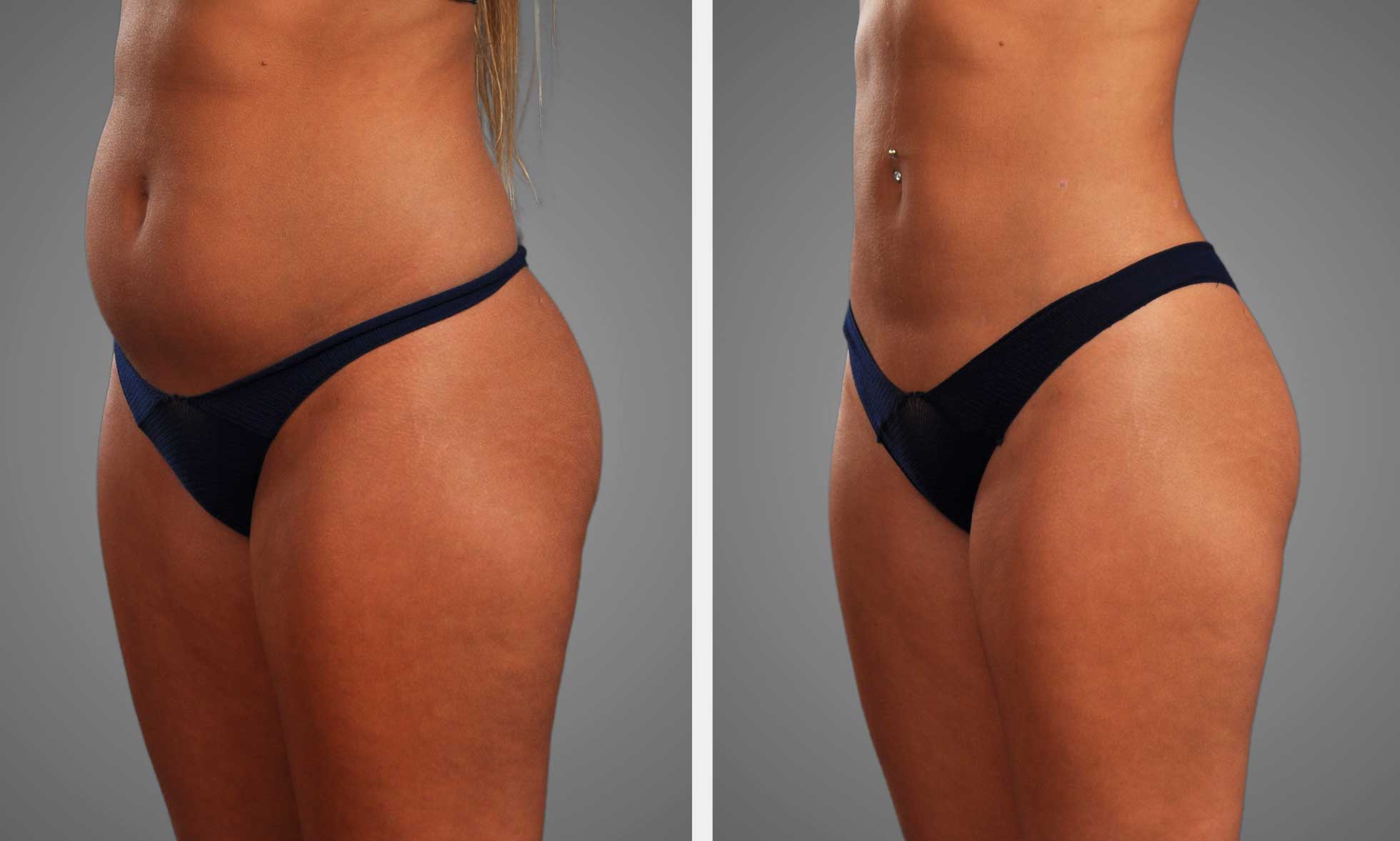
Pictures aid in displaying advancement. Tracking provides actual data on results and helps establish realistic goals. If you want to know how to track and interpret these numbers, check out the tips and steps in the following sections below.
Why Quantify Results
Why measure liposuction results before and after? These clear, objective metrics help you measure your body changes, keep you motivated, and provide valuable health insights. By measuring results, you establish realistic expectations, benchmark results over time, and make informed decisions about your rehab and lifestyle.
Objective Feedback
Why measure results? Taking pre and post-op measurements of waist, hip, thigh, or arm circumference provides a concrete benchmark. These figures indicate precisely how much fat was eliminated and at which sites. Having these numbers to compare allows people to witness the actual transformation, not just a visual estimate.
A drop from 90 cm to 82 cm at the waist is a result that you can measure over months or years. Hard numbers minimize emotional bias. Sometimes, swelling or bruising can make it difficult to visually discern progress, particularly in the initial weeks. Metrics keep you grounded in the midst of rehab.
If the objective is body contour, then a photo series with measurement data attached can capture subtle shifts that stall in the mirror. It assists surgeons in refining technique by exposing patterns in skin retraction or longevity of outcomes.
Motivation Source
How come we should quantify results? If they can watch their waistline shrink by a few centimeters or observe such reductions consistently across other parts, it’s easier to commit to workout, nutrition, and treatments. Small wins, such as losing 2 centimeters from your thighs or noticing swelling subside by week, can offer a morale boost and keep expectations in check.
Some employ tracking charts or apps to record updates every few weeks. Observing the numbers decrease or level off fuels motivation well beyond surgery. Frequent updates inspire individuals to maintain habits and report on their advancement, which can significantly impact long-term contentment.
Health Insights
Quantifying change does much more than give you a graphical pat on the back. Looking at the post-liposuction fat distribution gives us a clue to how the body reacts. If one area bounces back faster than anticipated, it could be a sign that you need to modify lifestyle habits or prioritize more specific training.
Monitoring your body composition through time allows you to identify trends and prepare for what lies ahead. This approach can expose whether results remain consistent, get better, or migrate.
Over time, things can start to develop patterns, like maybe your body prefers to store fat in new locations or your skin is a bit looser or tighter. These insights help guide future health and fitness decisions, ensuring liposuction’s rewards stick around as long as possible.
Effective Tracking Methods
Knowing how to properly track your body’s changes post-liposuction is essential. Swelling, bruising, and mild pain tend to cover up early results, and final contours may not appear for three to six months after treatment. Each tracking method provides special insight, and combined, they give you a comprehensive view.
Below are common techniques used to track changes before and after liposuction:
- Circumference measurements with tape
- Skinfold assessment with body fat calipers
- 3D body scanning for detailed analysis
- Progress photos for visual tracking
- Routine weight monitoring on a digital scale
Selecting the appropriate combination is contingent upon individual preferences, available resources, and the required granularity. Be sure to use the same tracking methods on a weekly or monthly basis, for example, to get accurate results. Mixing techniques makes trends stand out that might be lost if you only used one.
1. Circumference Measurements
Circumference tracking aims at the right spots — your tummy, your hips, your arms, your thighs. Track with a flexible tape at the same spots each time. It’s bare bones and it suffices for the vast majority of individuals.
Swelling is inherent in the first weeks, so circumferences could change during the initial period. Tracking across months reveals consistent trends. Track the numbers, write them down every time, and use a table to view progress.
For example:
| Area | Before (cm) | 1 Month | 3 Months | 6 Months |
|---|---|---|---|---|
| Abdomen | 90 | 88 | 84 | 82 |
| Thigh | 58 | 56 | 54 | 53 |
Tables such as this allow you to visualize your improvement and establish clear goals.
2. Body Fat Calipers
Skinfold calipers take fat thickness measurements at specific locations, such as the triceps or waist. This method gives you an idea of shifts in your body fat percentage. For each pinch, use good technique.
Letting an expert do it guarantees success. Track these readings by dates and body parts. Measure them over time and compare to see if fat has gone down. Recording these can connect fat loss to physical change.
3. 3D Body Scanning
3D body scanning employs specialized equipment to digitally capture a representation of your shape. It tracks volume and contour changes very effectively. It catches edema and minor fluctuations that a tape or scale can’t.
By comparing scans before and after surgery, it’s easy to spot even small changes. It’s useful for individuals seeking a comprehensive overview and complements other tracking methods nicely.
4. Progress Photos
Photos are a pretty low-tech but effective way to track body change. Use the same spot, pose, and lighting for each photo. Capture front, side, and back photos on the same day as your other tracking steps.
A timeline of images tracks progress, even when swollen. By sending these photos to your care team, you make it easy for them to monitor healing and identify issues promptly. It provides a real-world impression of progress in addition to statistics.
5. Weight Monitoring
Weighing yourself is a convenient method for tracking the big-picture trends. Weigh yourself with a digital scale at the same time each day with similar clothing. Weight can fluctuate due to edema and fluid shifts, so it’s not the only figure to rely on.
Compare weight data with other tracking methods. Keep in mind that fat removal might not drive big drops on the scale, but when paired with circumference and photos, it helps demonstrate real results.
Your Transformation Timeline
Having a defined liposuction recovery timeline helps you set expectations and track effectively. From surgery to final results, your transformation timeline is slow, with changes occurring as your healing progresses through various stages. Understanding what to anticipate and when to check your measurements keeps you grounded and informed in your strategy.
Immediate Post-Op
- Checklist for care includes: wear compression garments, take prescribed medications, avoid strenuous movement, keep the incision sites clean and dry, and schedule follow-up visits with your surgeon.
- This guidance reduces infection risks and promotes healing.
- Keep an eye out for signs like high fever, intense pain, or abnormal discharge. These can indicate a complication requiring urgent care.
Initial measurements are obscured by swelling and bruising, so early outcomes frequently fail to signify the definitive shape. The initial two weeks, which include peak swelling and discomfort, are the most difficult period for the majority of patients.
First Few Weeks
Swelling and bruising begin to subside. The transformation is gradual. Most notice their body start to settle into a new shape anywhere from 3 to 6 weeks post-op. Light walking and gentle stretching promote circulation and healing, as long as they are surgeon approved.
Comfort and mobility continue to get better every day, and many can return to light work or daily activities within two weeks. During this time, you should feel more mobile and less tight.
Keep in touch with your surgeon, particularly if pain continues or you have questions regarding healing. It’s a good time to begin light tracking of measurement shifts, mindful that swelling still conceals the ultimate result.
One to Three Months
Your contours will continue to improve as most of the swelling subsides. By eight weeks, the majority of patients achieve 70 to 80 percent of their ultimate results. Some swelling may persist in small areas. Tissues still heal and skin tightens during these months.
That’s the window for a deep follow-up visit, often at 3 months. Surgeons evaluate healing progress, confirm it is healthy and address any questions about changes. Measuring during this period indicates actual headway, but we still must be patient for the final outcome.
Complementing lifestyle habits, such as eating healthy and staying active, helps fuel continued transformation. These shifts not only maintain results but also cultivate self-assurance and contentment.
Six Months and Beyond
These final results tend to materialize approximately six months post-surgery, often approaching near completion by a year if the weight remains stable. By now, swelling has largely resolved and tissue contraction comes close to completion.
The tracking of measurements over long periods of time is motivating and puts the distance you’ve traveled into perspective. Most people experience permanent changes in body shape and proportions. Maintaining a healthy lifestyle is important moving forward because weight fluctuations may affect surgical results.
Interpreting Visuals
It’s about as good a method of tracking your body contour as before-and-after liposuction photos. These are coupled with measurements, which help to measure how much fat was removed and how the body profile has changed. Enhancements manifest as inflammation subsides around a few weeks post operation.
By weeks five to eight, most of the swelling is gone and skin tightens around the new contour. Final results appear in the three to six months range, so continuous photo tracking and measurement is essential for an accurate evaluation.
Consistent Lighting
Lighting establishes the theater for equitable evaluations. Utilizing consistent lighting in each picture maintains the results honest. Shadows or glare will make a stomach look flatter or rounder than it actually is, skewing the visual record.

Natural light, like by a window in daytime, is typically ideal as it illuminates body contours without being too unforgiving. Some people write the time of day and weather when snapping photos, which makes for a fast reference log later. This habit facilitates transparent, reproducible record-keeping and allows anyone, surgeons included, to check in on developments with ease.
Standardized Poses
Posing the same way every time is as important as lighting. A simple checklist makes this easier: stand straight, arms relaxed, feet set shoulder-width apart, and face the camera.
We had you wear the same clothes and stand against a neutral background to eliminate distraction and keep all of the attention on your shape. For this, a mirror can aid your posture and you will repeat the pose with each session. If you twist your body a different way or wear baggier clothes, it is significantly more difficult to spot actual changes as the days go by.
Having a consistent setup gives you a fair side-by-side look at the progress from week to week.
Unedited Evidence
Raw, unedited images are essential for sincere monitoring. Filters, brightening or retouching can conceal swelling, scars or minor changes in skin texture. Even minor retouches can fool the eye, even the medical eye, into believing that liposuction has drastically transformed the patient’s body.
Providing raw pictures to a surgeon allows him or her to provide feedback on actual progress, not just looks. In addition to body shape, observe any skin changes such as firmness or texture as these elements tend to shift as swelling subsides and healing progresses.
Over months, these truthful visuals and scribbles create a reliable archive of your progress.
Data Versus Perception
Liposuction delivers a cocktail of objective and subjective results. Real stats, whether it’s a smaller waistline or pictures, help knit to what people sense about their post-surgical body. Feelings and personal expectations usually impact how content someone feels.
Data vs. Perception comparing the data to perception helps construct a complete image of what’s actually shifting.
| Aspect | Objective Data | Perception |
|---|---|---|
| Waist Circumference | 5 cm reduction measured by tape | Feels “a little smaller, but unsure how much” |
| Photos (Before/After) | Clear visible change in body contour | Sometimes doubt or disbelief over visible change |
| Weight Measurement | 2 kg less on scale | “I don’t look lighter in the mirror” |
| Swelling/Bruising | Peaks by week 2, fades by week 4-6 | “I still look swollen, no real change yet” |
| Long-term Results | Stable measurements for 1-2 years post-op | Ongoing satisfaction or changing feelings |
The Measurement Gap
They tend to believe they’ve changed little after liposuction even when the data suggests otherwise. This gap presents itself when patients view before and after pictures or take their waist measurements and observe more progress than originally perceived.
Swelling and bruising immediately post-surgery can obscure some of these changes. During those initial weeks, feelings can be intense with uncertainty fogging decision-making. As the swelling subsides over time and you look back at photos or measurements, that emotion is more easily rooted in reality.
Hard data, such as a tape measure or scale, reveals concrete progress. These stats don’t change with emotion or anticipation. Visuals, such as progress photos, assist in monitoring how a body transforms.
Research finds that those who combine data and photos are more likely to be satisfied with their outcomes. Paying attention to these physical cues, as opposed to relying solely on emotions, assists in closing the divide between what’s experienced and what actually occurred.
Subjective Satisfaction
How one perceives their results is influenced by what they observe in the mirror and what the data reveals. It’s natural for satisfaction to shift in the days that follow, as the body mends and swelling subsides. Some rejoice immediately.
Others require more time or more evidence, such as after looking at long-term photos months or years later. Personal expectations go a long way. If they believed the change would be bigger, they would be disappointed, even though the data indicates actual improvement.
That’s why straightforward conversations with a surgeon count. Communicating and checking in on each other’s progress can help with expectations. As the body settles over time, satisfaction can build, particularly as the numbers reinforce that permanent shift.
Body Dysmorphia
Body dysmorphia can make it difficult to perceive actual results, causing individuals to obsess over imperfections that others do not see. It’s good to know how these feelings can obscure both contentment and healing.
If negative body image continues, seeking help from a mental health professional can help. Objective data, such as photos and measurements, assist in rooting perception. They provide a reality check when emotions go astray.
Open conversations with doctors about how you see your body assist as well. Worries and data discussed together help to construct a better reality of progress.
Avoiding Inaccuracies
Realistic liposuction before and after measurements are not simple to obtain. Swelling, timing, and technique can all distort the figures. Dedicated tracking keeps you witnessing real results. Awareness of typical industry traps ensures your data stays consistent regardless of heritage and body shape.
Swelling Factor
Swelling is the single biggest culprit for deceptive results post-liposuction. Immediately after the procedure, swelling can add a few centimeters to your measurements, obscuring the actual effect. It is common for swelling to persist for days or weeks, so early measurements frequently exaggerate size.
Monitor swelling by taking notes or pictures weekly. Keep an eye out for trends, such as which locations remain swollen the longest or how much it varies from week to week. It allows you to identify the ephemeral and the durable. A basic table or checklist allows you to track the changes and mark days where the swelling is particularly elevated.
Try to refrain from judging final results until the swelling goes down. A lot of experts recommend monitoring it for at least one to three months post surgery. If you measure too early, you could believe results are lower than they actually are or fret about uneven patches that even out over time.
Tracking swelling, whether that’s documenting how tight your compression garments feel or comparing photos, provides context for any dips or spikes in measurements. This simplifies communicating clean gains to your care team or for your own log.
Consistent Timing
Use fixed days and times for each data point. The same day each week or the same date each month works well, but consistency is key. This helps prevent alterations associated with daily habits or muddy transitions.
Don’t weigh immediately after a large meal or an intense workout. Both can induce temporary size fluctuations, resulting in false readings. Choose a quiet period, such as early morning, to obtain the most consistent data.
Put reminders in your phone or on a calendar. This minor effort keeps your tracking habit on course and minimizes the likelihood of skipping a session.
Proper Technique
The correct technique is more important than the expensive equipment. A soft tape should be tight but not too tight. Record measurements from the same body spot each time, that is, the widest part of the thigh or waist. Calipers can measure fat thickness, but only when used properly. Stick to obvious how-tos or have your care provider give you a crash course.
For photos, select an empty wall, take advantage of the identical lighting, and position yourself identically each time. Avoiding inaccuracies means keeping the camera at the same height and distance. This makes before and after images way more comparable.
Research tracking hacks or consult your surgeon’s office for advice. Errors such as switching sides or changing posture between sessions can bias your outcomes.
Conclusion
Liposuction before and after measurements to track. Track with a soft measuring tape, mark the same points each time, and take pictures in good light. Record the dates, numbers, and notes in a log or app. That way, you track actual progress instead of just what you feel or wish for. Be patient. Shape or size changes can take weeks. Share your records with your care team for more informative conversations and decisions. Numbers and photos provide the complete picture, above and beyond the mirror. To get the optimal results, maintain your tracking. If you need additional advice, consult a care professional or seek out reputable resources online.
Frequently Asked Questions
What measurements should I track before and after liposuction?
Follow measurements in waist, hips, thighs, and arms with a flexible tape measure. Measure each in centimeters. Track your weight and take clear photos for visual comparison.
How soon after liposuction can I start tracking results?
Swelling from the procedure can make early tracking inaccurate. Hold off on taking measurements for at least two weeks. For best accuracy, track results at one month or more.
Why is it important to measure progress after liposuction?
Tracking results allows you to see tangible transformations that can be hard to notice with just the mirror. Quantifying results fuels motivation and tracks the efficacy of your treatment.
What is the best method for tracking liposuction results?
Track your progress with a metric tape measure and by taking pictures at the same body angles in consistent lighting. Keep track of your changes in centimeters every couple of weeks for gradual progress.
Can I rely only on photos to track my transformation?
Photos assist, but they’re not sufficient. For the most objective tracking, supplement your photos with real measurements and weight.
How can I avoid inaccuracies when tracking my liposuction results?
Always measure the same areas, use the metric system, and measure at the same time of day. Consult a professional if you’re not confident in your measuring!
What do I do if my measurements do not match my expectations?
Allow your body to heal. Swelling and natural asymmetries influence early results. Check with your doctor if there are any concerns or unexpected changes.