Directions
 Call Us
 Email Us


Key Takeaways
- Since liposuction decreases lymphatic function, post-procedure care is essential for the best recovery possible, as well as improving and maintaining surgery results.
- Among these techniques, manual lymphatic drainage (MLD) is an integral part to help reduce swelling, promote healing, and improve lymphatic and fluid movement post-liposuction.
- Donning well-fitted compression garments full-time is an essential element in providing support during the healing process, reducing swelling, and optimizing lymphatic drainage.
- Fueling lymphatics Staying consistently hydrated, consuming an anti-inflammatory diet, and cutting back on or eliminating smoking and alcohol are critical in ongoing lymphatic care through the recovery period.
- Gentle movement such as walking or light stretching can help increase lymph flow and assist any post-procedural drainage. Don’t do any strenuous activity until your surgeon clears you for it.
- Heed post-operative care advice Follow your surgeon’s post-operative care plan to the letter. Monitor for signs of complication Monitor closely for signs of inadequate drainage, evidence of seromas, to protect recovery.
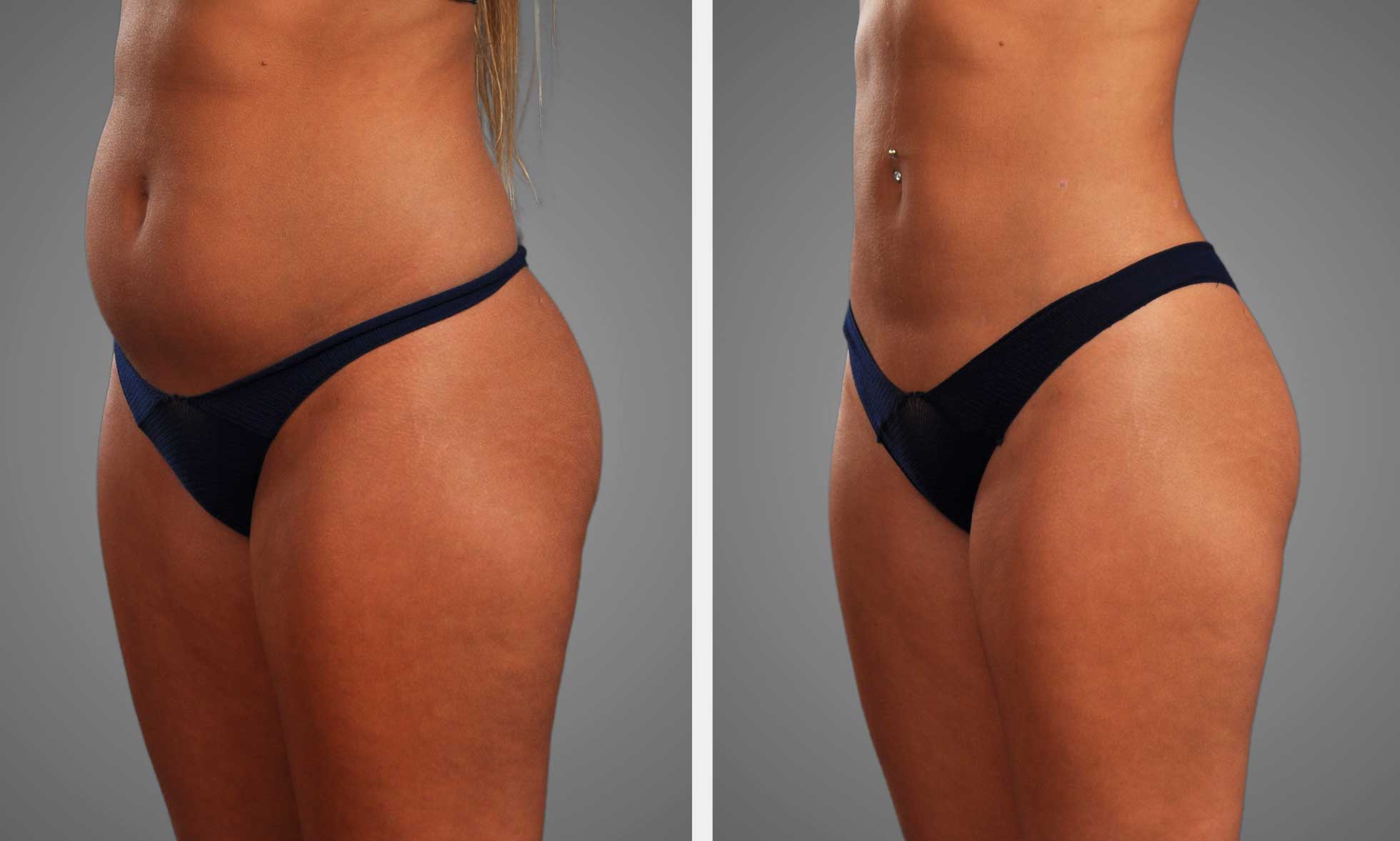
Liposuction can help achieve a gorgeous hourglass figure. The results, on the other hand, heavily rely on the percentage of your lymphatic system, which has to heal alongside your procedure.
Optimization of post-procedural lymphatic drainage decreases swelling, shortens the recovery period, and leads to improved outcomes. Taking care of the drainage after your procedure is the key to optimization.
Incorporate regular gentle massages, hydrating, and wearing clothing that isn’t too restrictive to support the lymphatic system. Smart techniques tailored to your specific body make a world of difference in how you heal and recover.
You will see their results much quicker and more dramatically as a result. Knowledge of these processes puts you in the driver’s seat of your own recovery.
In this guide, we’ll look at some concrete ways to help your lymphatic system work more efficiently after liposuction. Prepare for more pro-tips to maximize the results of your procedure!
Liposuction and Lymphatic System
Liposuction is more than just a fat removal operation; it deeply engages your lymphatic system, which plays a vital role in fluid balance, immune defense, and waste disposal. Understanding the importance of lymphatic drainage massage can enhance recovery and optimize the postoperative care for liposuction patients.
Lymphatic System: An Overview
The lymphatic system is an extensive, complicated, and intricate network of vessels and nodes. It circulates lymph—a clear fluid composed of white blood cells, proteins, and waste products.
Lymph nodes serve to filter out harmful substances from this fluid before it is returned to the bloodstream. This process helps maintain fluid homeostasis and contributes to immune defense. Maintaining healthy lymphatic circulation is critical since impaired lymphatic flow may result in swelling or accumulation of metabolic waste within tissues.
After surgery, this circulation is even more important to help speed recovery.
How Liposuction Affects Lymphatics
Liposuction has been shown to temporarily disrupt important lymphatic vessels, inhibiting their drainage function. This can lead to excess swelling, bruising or even complication formation such as pockets of fluid accumulation (seromas).
By doing everything possible to facilitate lymphatic flow with the right care—including Manual Lymphatic Drainage (MLD) massage—the healing process can be profoundly enhanced. MLD, which is usually initiated 3–7 days after surgery, helps decrease recovery time.
Swelling is minimized, scar tissue does not form as easily, and the aesthetic result is improved. Even several sessions with a qualified therapist can make a significant difference.
Why Drainage Is Crucial
Better drainage reduces swelling and bruising, allowing 90% of patients to enjoy a smoother hassle-free recovery. It circumvents complications such as seromas, instilling in their patients not only an abundance of positive outcomes.
Even if MLD is started within the first week after surgery, early benefits are seen, with the biggest improvements frequently occurring after only the first treatment.
Optimizing Post-Liposuction Drainage
Much of the success of post-liposuction recovery is based on maximizing lymphatic drainage massage benefits. This process aids in fluid homeostasis, helps prevent swelling and complications, and ensures effective recovery for liposuction patients.
1. Understand Lymphatic Drainage
Lymphatic drainage, or lymphatic massage, is the practice of stimulating this process of fluid and waste removal through the lymphatic system. Contrary to conventional massage techniques, Manual Lymphatic Drainage (MLD) employs light, rhythmic strokes to stimulate the movement of fluid without the use of deep pressure.
This technique works magic after a liposuction procedure. Importantly, it’s designed to directly address high-risk swelling-prone areas such as the abdomen, thighs, and arms. Strategic key sessions aim at primary drainage canals to reduce fluid accumulation and speed healing.
2. Perform Manual Lymphatic Drainage (MLD)
MLD lacks evidence to support haphazard application beyond social nicety. Long, flowing strokes assist in directing ectopic lymph fluid to lymph nodes, improving circulation in the body. Certified therapists are an essential part of our post-liposuction care team.
They effectively encourage internal drainage with very little risk of introducing infection or scarring. By beginning MLD as early as 24 hours after surgery and providing treatment daily during the initial week, healing can be expedited. Shifting to every other day by week two maintains gains.
Research indicates 85% of patients achieve less swelling with regular MLD.
3. Use Compression Garments Correctly
Compression garments are critical to optimizing post-liposuction drainage. Select garments and fittings that will provide the appropriate amount of compression across the area being treated, maintaining even pressure without cutting off blood flow.
To receive the most benefit, you’ll need to follow your surgeon’s guidance on how long to wear them. Monitor the garments and change them out to ensure appropriate support as recovery progresses.
Manual Lymphatic Drainage Techniques
Manual lymphatic drainage (MLD) is instrumental in the post-liposuction recovery process, helping flush out excess fluid and minimize swelling. This technique uses gentle, rhythmic massage strokes in the direction of lymphatic channels to facilitate the movement of fluid.
Approaches such as the Vodder, Földi, Casley-Smith, and Leduc methods all provide distinct advantages. The Földi method uses an “encircling” stroke to disperse lymph and reduce edema. The Casley-Smith approach focuses on specialized skin regions with rhythmic, light effleurage strokes.
These techniques are frequently used in conjunction with other treatments, including compression therapy and exercise, to maximize lymphatic function.
Find a Qualified Therapist
Choosing a certified and skilled therapist guarantees quality treatment. Start by finding someone who’s familiar with MLD, especially someone certified in techniques proven to be effective such as Vodder or Földi.
Credentials and certifications are an indication of their training, quality and subject matter expertise. Nothing beats the testimony of doctors’ past patients in helping you get a sense of just how effective they are.
Setting up consultations in advance is useful too for gaining an understanding of your specific needs as well as session frequency and expected outcomes. A qualified therapist will be able to customize the techniques to your unique healing journey.
Learn Self-MLD Techniques
For long-term recovery, easy to learn self-MLD techniques can help maintain results between professional sessions. These consist of light, rhythmic hand strokes to encourage lymphatic drainage.
Developing a schedule when she’s at home enables you to have a more steady approach to recovery. Learning online can be a great starting point, getting the proper guidance from a professional means you’re practicing the right techniques and not risking injury.
MLD Frequency and Duration
MLD may start 24 hours after surgery, with daily sessions suggested in the first week. Then 1–3 weekly sessions afterward can keep the progress steady, modified according to the level of swelling and healing.
Please note, session length may differ, so please check with your MLD therapist for specific recommendation.
Compression Garments: Your Best Friend
Compression garments are your key to having the best recovery after liposuction. These are not your grandmother’s post-surgery accessories. They’re precise, medical-grade devices that aid healing, minimize swelling and improve lymphatic function.
These garments offer continuous compression that encourages your body to move and adapt, minimizing swelling and avoiding fluid accumulation. Research backs these techniques, demonstrating their ability to greatly enhance lymphatic function. Their use cuts the incidence of lymphedema by 30% over three years and the development of cellulitis by 75-87%.
Choosing the Right Garment
Choosing the right compression garment is key to maximizing benefits. There are quite a few options, ranging from full-body suits to targeted area wraps, all providing varying types of recovery assistance.
Getting the right size is essential. Too tight will hurt, and too loose won’t work. So ask your surgeon what brands and style they recommend for your specific procedure.
Choose high-quality materials. Consider breathable and moisture-wicking fabrics that will improve comfort and increase product lifespan. Features such as a zipper or hook-and-eye closure will aid you in putting on and taking off your garment, which your tender, post-operative self will greatly appreciate.
Wearing Schedule and Duration
Whatever your plan is, consistency is the key. In the beginning, make sure to wear the garment day and night for at least the first 3 weeks, taking it off only to shower.
As your swelling continues to go down, you may start to wear your compression garment for fewer hours each day or even every other day. Notice when you start feeling uncomfortable and dial it back.
This rhythm maintains that delicate balance of encouraging the ideal amount of drainage and healing.
Garment Maintenance and Hygiene
Washing your garment as instructed protects your skin from irritation and keeps the fabric from stretching out. Just make sure to wash it as directed—many compression garments recommend hand washing.
Check often for signs of wear, since stretched-out or torn fabric will no longer do its job, and replace it accordingly. Appropriate care helps ensure it maintains its shape.
Lifestyle Adjustments for Lymphatic Health
Building a post-liposuction lifestyle plan that includes lymphatic drainage massage benefits and healthy habits will help you heal and enhance recovery. Through diet, activity, and lifestyle adjustments, you can improve lymphatic fluid flow, lessen swelling, and speed up healing.
Anti-Inflammatory Diet
An anti-inflammatory diet is vitally important to recovery. Adding the antioxidants found in foods such as berries, leafy greens, and nuts can protect against cell damage, which aids in decreasing swollenness. Omega-3 fatty acids, prevalent in salmon, walnuts, and flaxseeds, help further heal by reducing inflammation.
Avoiding excess processed foods and sugars is just as crucial, since sugars and preservatives can aggravate post-surgical inflammation. Making these choices a consistent practice during recovery reinforces progress made and is beneficial to producing healthy lymphatic function.
Stay Active, But Gently
It’s important to engage in consistent, gentle, supportive movements that encourage proper circulation and lymph flow without overworking the physical body. Even something as basic as walking or light stretching increases lymphatic flow and speeds up recovery.
Don’t lift beyond 10 pounds or do strenuous exercises (like running or weight lifting) for at least 4-6 weeks to avoid complications. Keep a balance of light activity with lots of rest.
Wear your compression garment as recommended to help with skin contraction and promote venous return. Massage techniques, particularly manual lymphatic drainage (MLD), can help optimize results by increasing drainage and preventing fluid buildup, keeping downtime to a minimum.
Avoid Smoking and Alcohol
Further, both smoking and alcohol impede recovery by worsening circulation and raising inflammation levels. Removing these habits allows healing to progress as it should while decreasing the likelihood for complications to arise.
Natural options, such as herbal teas or mindfulness practices, can fill their place, allowing you to unwind in a healthier way. Patients who follow through on these changes tend to have faster recoveries and long-term gains in their quality of life.
Recognizing and Addressing Complications
Liposuction recovery requires careful consideration to enhance recovery and ensure optimal healing outcomes. While complications are rare, they can arise without proper postoperative care. By being informed and taking a proactive approach, liposuction patients can minimize risks and pave the way for effective recovery and substantial liposuction results.
Identifying Signs of Poor Drainage
Inadequate lymphatic drainage could present in the form of increased swelling, extended bruising, or ongoing pain at the treatment area. These problems are normal for recovery after surgery, and they will get better with appropriate care.
In the beginning, consider booking MLD sessions 2 to 3 times a week to improve your recovery time. Symptoms that are persistent or getting worse, though, should be addressed urgently. Journaling—document if you notice anything abnormal, such as bumps, hardness, swelling, or skin discoloration.
This information will be important for your surgeon to guide next steps.
Seroma Formation and Management
Seromas, or buildup of fluid under the skin, are a possible complication. The earliest indicators are seen with localized swelling or a soft, fluid-like sensation within the treated area.
Talk to your surgeon about prevention and treatment, which may involve drainage procedures. Causes like overexertion and failing to attend follow-up appointments can increase your risk by up to 25 times.
To prevent injury, refrain from heavy lifting and rigorous activities for a minimum of 4 to 6 weeks. Effective early intervention, typically beginning two weeks after surgery, can see the avoidance of these complications and address them in high-risk patients.
When to Contact Your Surgeon
Never hesitate to report severe, uncontrolled pain, signs of infection, or asymmetry immediately. Going to all follow-up appointments helps keep everything on track, and any complications such as seromas or asymmetry can be identified and taken care of swiftly.
Trust your gut instincts and always communicate with your surgeon to help keep you moving in the right direction.

Advanced Techniques and Technologies
The overall healing process after liposuction surgery relies heavily on your at-home post-liposuction care regimen. By seeking out advanced techniques such as lymphatic drainage massage, you can better strengthen your lymphatic system, reduce swelling, and enhance recovery. Merging cutting-edge therapies with time-honored methods gives liposuction patients a highly individualized path toward greater health and wellbeing.
Ultrasound Therapy
Ultrasound therapy has developed into a useful tool when it comes to maximizing lymphatic drainage. This safe, non-invasive treatment does so by harnessing the incredible power of sound waves. It increases microcirculation, which is crucial in helping with post-surgical swelling and works by stimulating fluid movement.
Studies have demonstrated that adding twelve sessions of therapeutic ultrasound to a regimen of manual lymphatic drainage can double the efficacy of recovery. All have a track record and are widely recommended by seasoned professionals skilled in ultrasound applications for easing soreness and fostering tissue repair.
If you’ve recently undergone conventional liposuction or VASER®, this therapy will get you back on your feet in no time. You can walk again the same day, even resume light normal activities. Talking about ultrasound with your care team will help you make sure it fits in with your overall plan for recovery.
Endermologie
Endermologie offers a third, non-invasive choice for patients looking to promote lymphatic health and drainage. This technique leverages the use of mechanized rollers to stimulate the body’s natural lymphatic system to gently flush away post-operative swelling. It is especially successful in terms of improving skin elasticity and treating uneven textures.
Patients overwhelmingly report this approach is very calming and productive when utilized as one component of an overall return to play protocol. Working with an Endermologie-trained therapist can help you determine if this treatment is right for you and your aesthetic goals.
Emerging Therapies
Keeping yourself educated on innovative lymphatic care technologies allows you to be more proactive with your choice. Types of devices including mechanical drainage devices and therapeutic ultrasound innovations are transforming recovery medical protocol.
Collaborating with your healthcare team to evaluate these treatments ensures you benefit from the latest research while maintaining a personalized approach to healing.
Individual Factors Affecting Drainage
It’s important to remember that liposuction surgery recovery varies for each liposuction patient and procedure. The effectiveness of your body to adapt, compensate, and heal is influenced by individual factors affecting lymphatic drainage, combined with overall health considerations. Understanding these factors will enhance recovery and help you move more quickly and efficiently into postoperative care.
Age and Skin Elasticity
Age is an important factor in how your skin heals after surgery. Younger dermal tissue is going to have a greater degree of skin elasticity, allowing it to adapt to new shapes more quickly. As skin gets older, it simply doesn’t have the same tautness.
This alteration can inhibit the body’s natural healing mechanisms and impact lymphatic drainage. Aging affects the lymphatic function, which could mean more swelling or fluid retention following the procedure of liposuction.
To help protect your skin during the recovery process, skin hydration and skin nutrition are key. For example, lymphatic massage can begin sooner—within 3 to 7 days after surgery—for patients in their 50s. This method even allows patients to de-swell more thoroughly.
Overall Health and Metabolism
Your individual health, metabolism, and microflora all play a huge role in your recovery. A healthy metabolic rate contributes to a faster healing process. Underlying health issues such as diabetes or circulatory problems pose additional recovery obstacles.
Patients who maintain good lifestyles with healthy diets and exercise generally have a lower degree of swelling and better lymphatic function. By consulting your surgeon regarding all medical concerns, you can help ensure that your post-operative care needs cater directly to your health conditions.
Liposuction Area and Volume
Drainage can be affected by varying treatment areas and the fat volume taken out. Surgeries on bigger surfaces like the stomach typically result in greater swelling. More distal areas such as the arms are less prone to swelling.
Placing small drainage tubes in a patient’s body during the first couple days can prevent excess fluid from building up. Once patients begin post-op care specific to their procedure, the majority begin experiencing drastic results almost immediately.
Some of them describe a dramatic 70% decrease in limb edema.
Conclusion
Successful liposuction recovery starts with prioritizing your lymphatic health. To make sure your drainage process goes as seamlessly as possible, take the right precautions. Wear appropriate compression garments, perform self-manual lymphatic drainage, and implement simple yet powerful everyday lifestyle changes. These things work together to minimize swelling, encourage healing, and maximize your results. Everybody is different, and tuning into your new body and finding what works best for you goes a long way in optimizing your results!
Being informed and taking the initiative will help you maximize your results from the procedure and safeguard your well-being. If you notice any problems, contacting your healthcare provider right away can avert more serious complications. Taking care of yourself afterwards will leave you looking and feeling your best. Don’t underestimate what a little diligence can do to optimize your recovery. Your body will thank you.
Frequently Asked Questions
How does liposuction affect the lymphatic system?
Any surgical procedure, including liposuction surgery, causes a temporary lymphatic disruption. During the lipo procedure, small lymphatic vessels can be affected, causing lymph to become trapped and resulting in swelling. Comprehensive post-operative care, including lymphatic drainage massage, encourages lymphatic drainage, alleviating swelling and enhancing recovery.
Why is manual lymphatic drainage important after liposuction?
Manual lymphatic drainage (MLD) enhances recovery for liposuction patients by eliminating swelling and preventing fluid accumulation. This technique promotes healthy lymphatic drainage, reduces pain, and improves mobility, aiding in an uneventful liposuction recovery.
How soon should I start wearing compression garments after liposuction?
You will be advised to wear compression garments immediately after your lipo surgery, as prescribed by your surgeon. These garments help maintain optimal lymphatic fluid flow, reduce swelling, and enhance recovery for the best possible lipo results.
What lifestyle changes support lymphatic health post-liposuction?
Drink plenty of water, maintain a healthy diet, and engage in gentle activity like walking. Quit smoking and drinking alcohol to support lymphatic health, enhancing recovery for liposuction patients and speeding the recovery process.
Can swelling be reduced faster with advanced technologies?
Definitely, whether it’s through tools such as specialized lymphatic drainage massage devices or low-level laser therapy, there are ways to enhance recovery after liposuction surgery. Check with your physician to find out what will work best for your lipo procedure and your recovery.
What are signs of complications in post-liposuction drainage?
Monitor for significant swelling, redness, pain, or drainage, as these may indicate infection or possible lymphatic overload, particularly in liposuction patients. If you experience any of these symptoms, contact your surgeon right away.
Do individual factors affect lymphatic drainage after liposuction?
Of course, these factors depend on your age, skin elasticity, existing health conditions, activity levels, and the specific lipo surgery you undergo. Continue the conversation with your physician on how to adjust your liposuction care routine for the best results.