Directions
 Call Us
 Email Us


Key Takeaways
- Liposuction recovery is a step-by-step process, with each week marking important milestones, such as swelling subsiding and resuming normal activities slowly. Following post-operative care instructions closely is important for a successful and comfortable recovery.
- Stock your recovery area with items like your prescribed medications, easy-to-eat snacks, and somewhere comfortable to sit. Set up help in the first week or two of recovery and schedule some personal downtime to make the transition easier on yourself.
- It should involve a combination of medications (both prescription and over-the-counter, like ibuprofen) with non-medical methods such as ice packs. Follow your surgeon’s instructions as you recover.
- Pay attention to signs such as swelling, bruising and numbness to tell normal recovery signs from serious complications. If you notice anything strange, don’t hesitate to report the changes immediately to your healthcare provider.
- Begin to return to light activities, including walking, which can help boost circulation and healing. Don’t resume strenuous exercise until you’re cleared by your surgeon and pay attention to how your body is feeling as you recover.
- To maintain liposuction results, adopt healthy eating habits and commit to regular exercise. Maintaining a stable weight will help you maintain your new body contours for years to come.
Your week-by-week guide to liposuction recovery gives you a realistic idea of what’s going to happen post-op. Having this knowledge allows you to adequately prepare for and navigate each phase of your recovery.
From the first few days of rest to gradually resuming your daily routine, this guide outlines the changes your body may go through and tips to support healing. Recovery times can vary, but understanding typical milestones, like when swelling may subside or when light exercise can start, provides reassurance and direction.
Understanding how to manage your care through each stage will help you remain focused on achieving the most optimal results. Here’s everything you need to know to take the stress and intimidation out of the process and prepare for a successful recovery—litigating week-by-week.
What Is Liposuction Recovery?
Liposuction recovery is a gradual process that allows your body to heal and adapt after the procedure, and understanding the timeline is essential for setting realistic expectations. Generally, recovery goes through phases starting first with the initial few days when pain and swelling are at their height. This initial recovery period is normal and nothing that’s handled with an experienced plastic surgeon and proper care can’t overcome.
By the end of the first week, you’ll typically notice an improvement in swelling and pain. What’s more, it’s common to hear patients tell us that they started to feel like themselves again starting from that point forward. Complete recovery, including all swelling resolved, can take as long as three months, based on individual factors.
The answer really depends on your individual circumstances, including your age, what areas you had treated, and your body’s inherent ability to heal itself. For example, patients who are younger or who get the procedure done in less populated regions will likely have a shorter recovery time than other patients.
That’s why following post-operative instructions is so important during this healing process. These special garments significantly reduce swelling, so wear compression garments regularly. Taking a break from heavy lifting will aid your body’s recovery time. After four weeks it’s usually safe to return, at least in moderation, to activities such as jogging. Ideally, you should avoid heavy lifting for at least this long.
Other recovery milestones are skin puncture sites healing within three weeks and intermittent numbness disappearing over six months. Rest is just as important during the first week, as a good amount of sleep will aid your body’s recovery process. In the end, following your surgeon’s recommendations will give you a wonderful outcome with a faster, easier recovery.
Preparing for Your Recovery Journey
A quick, comfortable recovery following liposuction surgery begins with taking the time to plan ahead. Understanding the typical liposuction recovery timeline and preparing your home for recovery will help you manage pain after surgery. These actions will ease your adjustment to the recovery process.
Set Up Your Recovery Space
Creating a friendly and organized recovery environment is crucial for a successful recovery process after procedures like liposuction. Choose a space close to a bed or recliner, ensuring that essential items are within reach, including prescribed medications and nutritious snacks. Preparing meals in advance can ease the workload during the early stages of recovery.
During the initial two weeks post-op, compression garments are vital for optimal liposuction results week. Equip your recovery area to minimize the need for visitors to move around, while still encouraging them to rest and recuperate.
Incorporating gentle exercise as part of your liposuction recovery tips can promote healing and improve your body shape. This supportive environment will help you focus on your recovery and achieve your desired new contours.
Arrange Necessary Support
The first steps on the road to recovery can be overwhelming – support can make all the difference. Line up a friend or family member to assist with things like cooking meals or picking up prescriptions.
Be straightforward—do you need assistance walking around, or keeping you on track with your recovery regimen? Frequent monitoring can be a source of comfort, allowing you to see ongoing progress or helping identify changes that need attention.
Understand Pain Management Options
Pain management requires a multifaceted approach.
Your surgeon will prescribe pain relief medication for at least the first few days. Over-the-counter options like ibuprofen and naproxen are good for later, but must be used under medical direction.
Non-medical, preventative approaches, like icing and compression, can have a significant impact on how uncomfortable and swollen the area becomes.
Prepare Mentally for Downtime
Recovery involves deep emotional changes. Prepare for times when you and your stakeholders will feel frustrated or impatient, because results at first may be less than dazzling.
To promote restorative motivation, focus on realistic goals and consider calming pursuits, such as light reading or meditation. By taking control of these factors, you’ll be in the right mindset to look forward to the long-term benefits of your new procedure.
Your Week-by-Week Recovery Timeline
Knowing what to expect in the weeks following your liposuction procedure will allow you to approach the recovery process with certainty. Understanding the typical liposuction recovery timeline and following effective liposuction recovery tips will ensure a smooth progression toward your desired results.
1. The First 24-72 Hours: Immediate Aftermath
During the first week of recovery, daily use of your prescribed compression garment becomes especially crucial. It reduces postoperative swelling, helps accelerate the healing process and protects the shape of the area being treated. You may notice some drainage from the incision sites.
Don’t panic—this is totally expected and easily treated with clean gauze or absorbent pads. Low-impact movement like brief walks is recommended to promote circulation and help drain any fluid.
2. Week 1: Managing Swelling and Discomfort
Swelling may be at its worst during this period. Keeping swelling to a minimum is possible with a low-sodium diet. Pain remains well controlled with pain medications provided and typically begins to taper at the end of the week.
Some temporary numbness may happen in treated areas. Understanding this with your surgeon can remove uncertainty.
3. Week 2: Starting Gentle Movement
Though swelling starts going down a bit around this time, bruising often reaches its height in the 10th week. Gentle movement, such as with walking, encourages healthy blood circulation and tissue healing.
The compression garment is an essential component to recovery. Tingling sensations or mild numbness are typical as incision sites heal.
4. Weeks 3-4: Seeing Initial Changes
As the liposuction recovery timeline progresses, bruising becomes less visible and soreness fades. Most patients feel ready to return to light office work and begin gentle exercise like walking.
5. Weeks 5-8: Gradual Return to Normalcy
With swelling still on the mend during your liposuction recovery timeline, you’ll be able to gradually return to the activities you enjoy. Depending on how you’re moving along, compression garments might not be needed during gentle exercise.
6. Months 3-6: Refining Results Appear
Swelling noticeably subsides and body contours really start to take form. A third appointment can affirm your good progress and talk through any potential loose skin issues you may have.
Don’t stress, this is often minimal!
7. Beyond 6 Months: Long-Term Outlook
Final outcomes from liposuction procedures can take up to six months to materialize completely. Balancing gentle exercise with recovery tips promotes long-term success and protects your gains.
Essential Recovery Care Practices
To get positive results from your liposuction, particularly during the typical liposuction recovery timeline, it’s important to practice the best essential recovery tips. Failing to do so can hinder the body’s natural healing process, impacting your new body shape and overall liposuction experience.
Master Compression Garment Use
Make sure to wear your compression garment day and night—only removing it for showers—to get maximum support while you heal and reduce swelling. Proper care is just as crucial—wash the garment according to the instructions to keep it disinfected and avoid irritating sensitive skin.
If you experience irritation, including pinching or constriction, be sure to call your health care professional immediately to make adjustments to the fit.
Prioritize Hydration and Nutrition
A proper diet filled with protein components fuels repair of your tissue and cells, and drinking plenty of water keeps you hydrated and will reduce swelling.
Limit salt and avoid foods that are very high in salt, which can increase fluid retention. Indeed, nutrient-dense foods such as lean meats, colorful vegetables, and fresh fruits are great options to nourish the body and improve healing.
Follow Wound Care Instructions
Help avoid infection by keeping incision sites clean and dry. Your surgeon will likely provide specific care steps, like applying topical arnica to bruised areas 3-4 times daily, avoiding incisions, to reduce bruising.
Keep an eye out for signs of complication, like increased redness or abnormal discharge and report right away.
Attend All Follow-Up Visits
Follow-up appointments are essential for monitoring your healing during the typical liposuction recovery timeline and addressing any questions or concerns. These regular visits play a crucial role in tracking progress and fine-tuning recovery tips as circumstances require.
Monitor Incision Sites Closely
Inspect incision sites daily for healing progress or unusual changes like excessive swelling, as part of your liposuction recovery tips. Keeping swollen areas elevated for at least 15 minutes a day can lessen pain and swelling.
Navigating Physical Changes Post-Lipo
Liposuction recovery includes a lot of different physical changes while your body is healing and adjusting from the process. Being aware of the typical liposuction recovery timeline and anticipating these changes can go a long way in smoothing over the transition. From swelling and bruising to numbness, every stage of recovery requires unique liposuction recovery tips and supervision to achieve the best possible outcome.
Understanding Swelling Dynamics
Swelling is the most prevalent liposuction complication. First, it has a triphasic pattern, in that it peaks in the first 48 hours and then slowly decreases over several weeks.
Compress and protect. In the immediate post-lipo period, wearing compression garments for at least two weeks is crucial to keep swelling down and encourage skin retraction. Raising treated areas when resting will further prevent fluid accumulation.
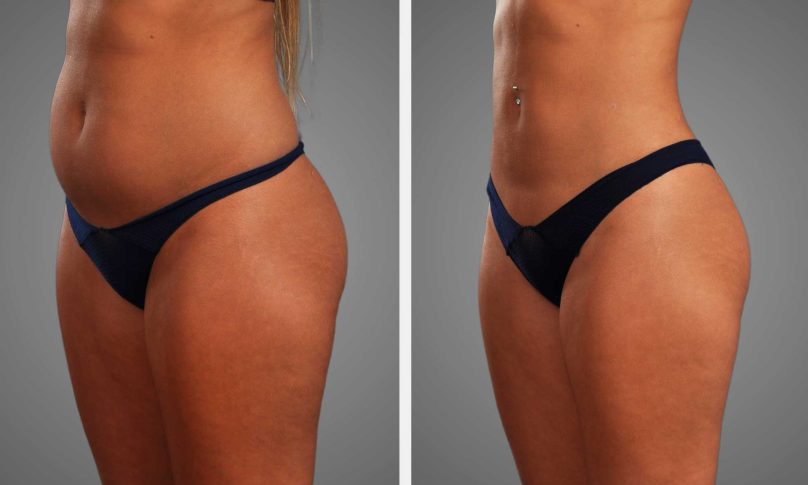
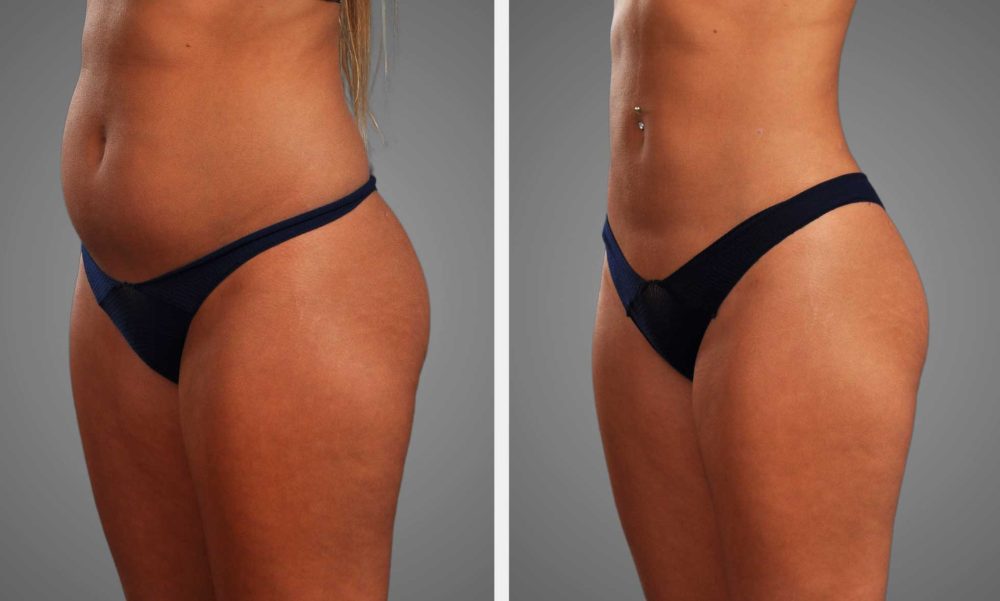
By the second week, the soreness starts to subside, and even simple movements should be easier. Some residual swelling can persist, but this will lessen with time. In my experience, the final contours will start coming through around the 4-6 week mark.
Dealing with Bruising Effectively
Bruising is an expected occurrence during the recovery phase and will most likely develop around the treated areas. Using cold compresses in the early days can minimize discomfort and any possible bruising in your skin.
While bruises typically clear up between 2-3 weeks, any time you see bruising worsen or develop in an unusual way, reach out to your surgeon right away.
Managing Numbness and Sensations
Numbness in the treated zones is temporary; it can take weeks to go back to normal sensations. Even foam rolling, deep tissue massage, or acupuncture could help stimulate nerve recovery and enhance post-lipo sensation.
If you have persistent numbness beyond this time frame, address this concern with your healthcare provider.
Recognizing Normal vs. Abnormal Symptoms
Common after effects are light bruising, swelling, and tiredness. If you start having severe pain, increasing redness, or discharge that’s unusual, that can be a sign of a complication.
Maintain good communication with your surgical team so any worries can be resolved quickly and effectively.
Safely Resuming Activities and Exercise
Liposuction recovery involves a slow process back to your normal activities. Understanding the typical liposuction recovery timeline and when to resume gentle exercise is essential for optimal healing and achieving your desired body shape.
When to Start Walking
Very light walking can start as soon as you’re comfortable, which is usually during the first few days after surgery. Walking promotes circulation, preventing complications such as blood clots and aiding in overall recovery 【7†source】.
If you’re new to exercise, begin with short walks around your house, gradually walking farther and faster as you feel more comfortable. Warm up slowly by beginning with a five-minute walk. Each day, try to walk a little longer while looking out for any indication of swelling or pain.
Reintroducing Light Activities
By the end of week two, you may be itching to start doing some basic household chores. Maybe give folding the laundry or meal prep a try now!
These low-impact activities can keep you agile while not wearing out your body. Don’t lift or bend over something until your surgeon approves, because these types of movements put stress on the healing tissue. Gentle stretches or even seated creative endeavors are wonderfully productive exercises during this time.
Returning to Strenuous Exercise
More intense activities, like weightlifting or high-impact cardio, should wait until about six weeks after surgery or when your surgeon explicitly clears you.
Give yourself time to get back into these routines and begin with lighter weights or shorter workouts. Be mindful of your body’s reaction and, at first sign of pain or discomfort, cease activity at once.
Listen to Your Body Always
Recovery is individualized. Your body will tell you when it is ready to increase movement.
Give yourself permission to rest when needed, and never work through pain. Finding the right balance between rest and movement helps to promote natural, long-term healing.
The Emotional Side of Recovery
Aside from the physical recovering from liposuction surgery, there’s the emotional aspect of the process. As your body heals and adjusts, expect to experience a wide range of feelings. You may feel a sense of jubilation, anxiety, and perhaps even sorrow. This is all normal.
These feelings are just like any other emotion you might experience; they can come and go, often turning just as quickly as the weather. By being aware of this emotional side to the recovery process, you can approach it with a greater sense of awareness and fortitude.
Coping with Post-Surgery Blues
Emotional distress is common during recovery. It’s normal to feel depressed, anxious, or irritable during this time. These feelings are frequently products of acute pain, physical shifts, or just the anxiety about what the results might bring.
Engaging in mood-boosting activities, such as reading, listening to music, or spending time in nature, can help create positive moments. Self-care practices that promote mind-body awareness, such as mindfulness meditation, yoga, or tai chi are especially beneficial.
It’s true that research has demonstrated tai chi, for instance, can substantially improve symptoms of anxiety and depression, protecting your emotional health.
Managing Expectations vs. Reality
Healing is a slow, arduous journey. Setting realistic expectations for your healing timeline and knowing that results don’t happen overnight can help minimize the disappointment as you’re healing.
Seventy percent of patients report less body dissatisfaction following the surgery. The bottom line is that we need to focus on building real momentum—not short-term wins.
Trust that every single person’s journey is different and comparing your recovery to others is often an incomplete and misleading narrative.
Finding Support Systems
That’s why building a support network is so important! Close friends or family members can greatly comfort and encourage you. Being in a structured environment with others who’ve gone through the same things creates connection and compassion.
If feelings of sadness last for an extended period or interfere with one’s everyday life, reach out to a mental health professional to get support and direction.
Maintaining Your Liposuction Results
Sustaining the results of your liposuction involves making mindful decisions to maintain a healthy lifestyle. The procedure truly amplifies body contouring. To avoid the risk of reversibility and guarantee your long-term success, you need to take action to control your weight and develop better habits.
Nearly all of the swelling will subside in four weeks at the most. Keep in mind, full results—including any skin tightening benefits—can take up to six months to appear completely. This time is essential to create healthy habits that will help your body adapt to its new form.
Adopt Healthy Eating Habits
Making healthy choices with food is essential to keeping your new body. Make it a point to incorporate lean proteins, healthy fats such as avocados and nuts, and a wide variety of fresh fruits and vegetables.
Incorporating high-protein meals, along with low-sodium options, will work towards cutting down on water retention while assisting with your body’s tissue healing process. Keep in mind that crash diets or drastic weight loss can cause significant changes in your body, erasing your hard-earned liposuction results.
Take, for instance, the problem with drastic calorie deficits leading to nutritional deficiencies that deeply affect your metabolism and overall well-being.
Commit to Regular Exercise
Establishing a routine of regular physical activity will help keep your new body contours well-defined for many years. Alternate between cardio, strength training, and flexibility workouts to keep your muscles challenged and promote overall fitness.
Start with moderate exercise, like brisk walking or low-impact yoga, and work your way up. Try to be physically active for a total of at least 150 minutes per week, if not more. Regularity and routine are critical.
This not only helps maintain your physical results but increases energy levels and improves mood as well.
Understand Weight Fluctuation Impacts
For the best long-term results, weight stability is key after your liposuction treatment. If you do gain weight after liposuction, the fat cells that remain will grow in size, which can change your proportions.
Weigh yourself at least once a week, and make changes to your diet or exercise if you are gaining weight. Steering clear of smoking and minimizing the use of NSAIDs helps prevent additional swelling, allowing for a more even recovery.
With dedication to some long-term lifestyle choices, you can enjoy your results for many years to come.
Conclusion
Post-liposuction recovery is a delicate process that requires patience and attentive aftercare. Each week, improvements become more noticeable, though at times, subtle changes occur as your body continues to heal and adapt. Follow your post-op care plan and get moving as soon as it’s safe. As long as you’re committed to healthy habits, you can look forward to seeing results that last. It’s perfectly okay to feel a range of emotions during this sudden life transition. Not losing sight of your purpose can really go a long way to have an important effect.
Your journey isn’t over with just healing—it’s about keeping the results you achieved through hard work. Get into a new groove and be sure to give yourself time to adjust to every change. Listen to your body at each stage. If you have any questions or concerns, never hesitate to contact your care team. Take your first steps in safety and preparation, and continue your journey to a happier, healthier you.
Frequently Asked Questions
How long does it take to recover from liposuction?
In most cases, patients can expect to feel completely healed in 6–8 weeks, but the typical liposuction recovery timeline indicates that complete swelling can take months to diminish. Following your surgeon’s recommendations and prioritizing liposuction recovery tips will help you heal quickly.
When can I return to work after liposuction?
Depending on your area of work, you can typically return in 1-2 weeks as part of your liposuction recovery timeline; however, physically demanding roles may require additional downtime for a successful recovery.
Is swelling normal after liposuction?
Swelling is to be expected after liposuction, particularly during the early stages of the liposuction recovery timeline, and might take a few weeks to subside completely. Compression garments are essential as they help reduce swelling and promote skin contraction, aiding in a successful recovery process.
When can I exercise after liposuction?
Light, non-strenuous activities can resume after 2 weeks, but it’s essential to follow your surgeon’s advice regarding the typical liposuction recovery timeline before reintroducing normal activities gradually.
How do I maintain my liposuction results?
Eat a healthy, balanced dietExercise regularlyDrink plenty of water
While liposuction permanently removes the targeted fat cells, you can still gain weight after the procedure if you don’t maintain healthy habits.
Will I have scars after liposuction?
Liposuction scars are often quite small, and they tend to fade quite a bit over time. To minimize scarring, your surgeon will create incisions in very inconspicuous areas. Wound healing and scar management Proper wound care and use of scar creams may help minimize appearance even more.
Is liposuction recovery painful?
Some mild discomfort is to be expected in your first week of the liposuction recovery timeline. Pain after liposuction is easily controlled with prescribed pain medications and a little TLC, making good liposuction recovery possible.