Directions
 Call Us
 Email Us


Key Takeaways
- Lipo eliminates fat cells in targeted regions for instant body sculpting. It cannot substitute for the wellness of consistent nutrition and physical activity. Think of it as a cosmetic tool, not a metabolic treatment.
- While diet and exercise will trim all your overall body fat slowly and incrementally, improve your metabolic state, and reduce risk factors for chronic disease, they are critical for long-term weight regulation.
- Liposuction has surgical risks and higher initial costs but provides rapid visual impact. Diet and exercise have lower direct costs and wider health benefits if sustained.
- Liposuction results are permanent, but only for the fat cells that have been treated. New fat can accumulate in other areas of the body if you don’t make lifestyle changes.
- The hybrid approach can work well. Diet and exercise can help you get to or near your target weight, and liposuction can smooth out the problem areas, followed by strength training to tone.
- Determine your choice by your health, goals, skin quality, budget and willingness to commit to lifestyle changes long term. Consult with qualified experts to establish realistic expectations and a plan tailored to you.
Liposuction is a surgical procedure that extracts fat from targeted regions, whereas diet and exercise strive to eliminate body fat via caloric equilibrium and physical activity.
Liposuction delivers quicker, targeted contour change expressed in litres of fat extracted. Diet and exercise reduce your overall body fat percentage and increase your fitness and other health markers like blood pressure and blood glucose.
Deciding which one is right for you depends on your goals, their risks and recovery time, and your long-term lifestyle habits.
Core Comparison
In this section we describe the core comparison between liposuction and diet and exercise, framing mechanism, purpose, health effects, permanence, and scope for readers choosing between focused body engineering and wide-ranging health transformation.
1. Mechanism
Liposuction physically extracts fat cells from select areas of subcutaneous storage, such as the abdomen, thighs, and flanks, using suction-assisted techniques. Newer high-definition methods like VASER Hi Def employ ultrasound assistance to aid liposculpting and can bring the residual fat layer down to a 5–6% appearance in qualified candidates.
Diet and exercise work by generating a caloric deficit such that the body mobilizes and oxidizes stored lipids from adipocytes throughout the body. Sustained physical activity promotes increased lipid oxidation and can shift one’s metabolic profile over time.
Liposuction does not alter systemic fat metabolism or accelerate lipid mobilization, whereas regular exercise enhances metabolic flexibility and increases resting energy expenditure slightly. Liposuction has a local and immediate impact for that area. Diet and exercise alter total body adiposity over time and tend to increase muscle tone as fat recedes.
2. Purpose
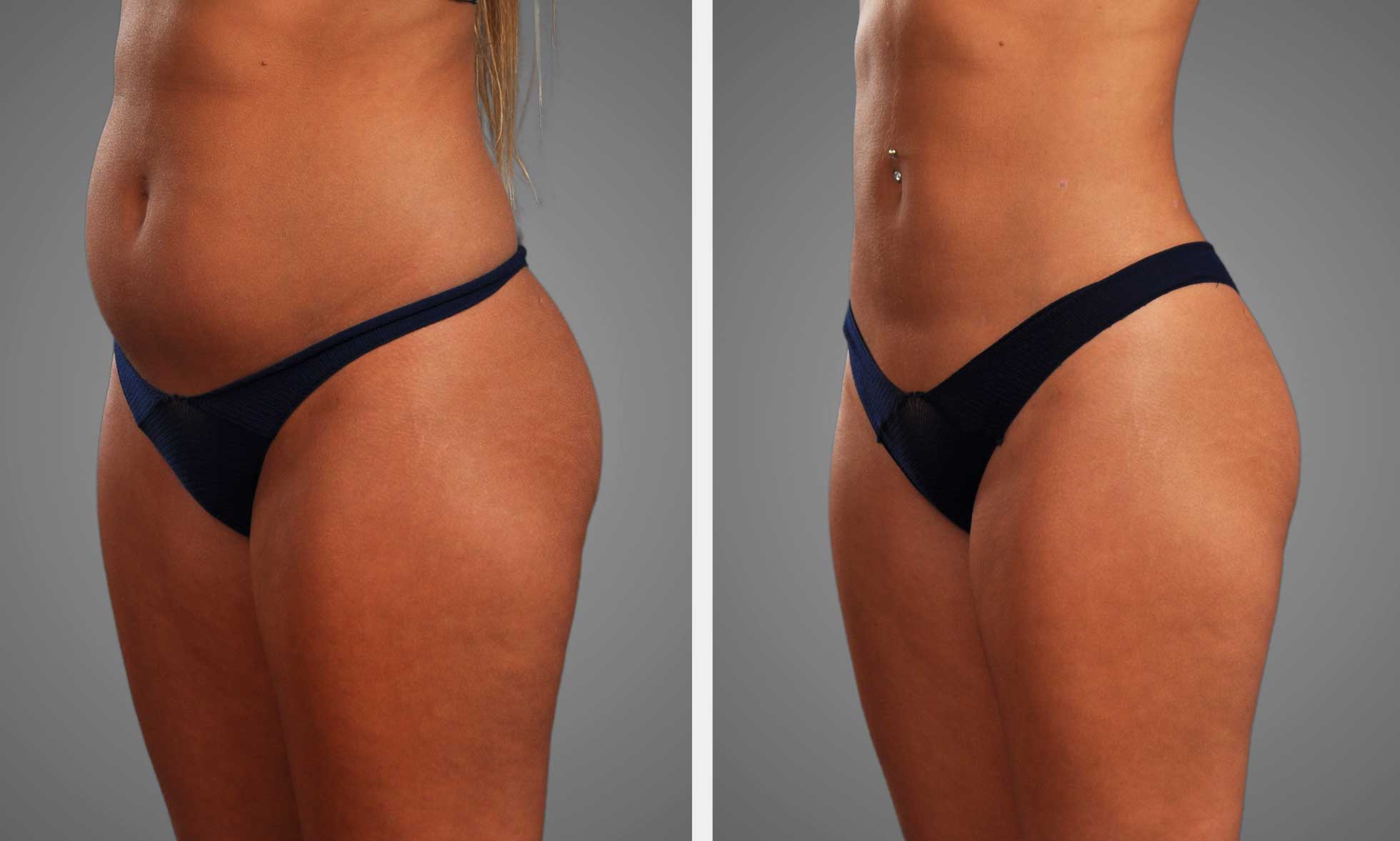
Liposuction is a cosmetic procedure for sculpting resistant bulges, not an obesity treatment. It is ideal for those close to their ideal weight looking to reshape.
In contrast, diet and exercise focus on meaningful weight loss and improved health, which can prevent metabolic diseases including type 2 diabetes and cardiovascular disease. A maintained 10% body weight loss frequently results in significant reductions in markers of inflammation and endothelial function.
If a chiseled six-pack is the objective, the majority of individuals require regimented nutrition and exercise. Liposuction can preferentially eliminate fat deposits that obscure the muscles to amplify the sculpting. Liposuction offers rapid contouring, while lifestyle transformation yields gradual but sustainable fat management and improved muscle definition.
3. Health Impact
Liposuction does not reliably improve insulin sensitivity or lipid profiles and carries surgical risks like infection, bruising, and longer recovery that may take weeks, require compression garments, and follow-up visits.
Properly managed diet and exercise have low risk and lead to cardiovascular gains, improved glucose control, and reduced central obesity. Without lifestyle change after liposuction, uneven skin or fat redistribution can occur, and new fat may appear in untreated regions.
Forming new habits such as regular exercise or healthier eating often takes about 21 days. Maintaining caloric needs based on age, sex, weight, height, and activity helps sustain benefits.
4. Permanence
Liposuction eliminates fat cells for good in treated areas. However, the body can store fat in other locations if you adjust upwards from caloric equilibrium.
Diet and exercise produce weight loss via fat-cell shrinkage that can be sustained with continued habits. Lipo doesn’t prevent future weight gain or compensatory fat growth, so lifelong healthy habits are key.
5. Scope
Liposuction cannot be used for treating obesity or for correcting metabolic issues, as it is limited to spot reduction.
Lifestyle changes, such as diet and exercise, reduce both subcutaneous and visceral fat across depots and can be customized for whole-body transformation. Liposuction cannot improve muscle tone, while exercise can address several of your goals at once.
Health Implications
Liposuction gets rid of subcutaneous fat in specific areas, but it doesn’t address metabolic disease and it doesn’t get rid of visceral fat around the organs. It reshapes body contours; it doesn’t alter the drivers of obesity or metabolic risk. Liposuction frequently has minimal or no impact on weight, fasting insulin, or insulin sensitivity in clinical trials. A few cite minor improvements in cardiovascular risk factors, but these are inconsistent and not dependable as a metabolic therapy.
Upper-body and visceral fat continue to be the best predictors of metabolic and cardiovascular complications, and liposuction generally does not target these depots. Liposuction without lifestyle change results in fat redistribution and new health setbacks. When subcutaneous fat is removed, the body simply stores that excess energy elsewhere, sometimes actually augmenting visceral fat over time.
This shift raises lipid levels and glucose risk in other cases. Recovery from the procedure brings short-term harms: pain, swelling, bruising, and limited activity for several weeks. These can halve someone’s capacity to exercise in the weeks after surgery, potentially blunting cardiovascular and metabolic benefits. Misuse of liposuction as a shortcut for weight management endangers patients with repeated procedures and cumulative complications.
Diet and exercise reduce metabolic risk directly by various mechanisms. A persistent 10% weight loss leads to significant improvements in metabolic derangements associated with obesity, including decreased circulating inflammatory markers. Sustained, routine aerobic exercise typically slashes visceral adipose tissue and abdominal subcutaneous fat over time, which reduces risks linked to upper-body fat.
Exercise and a balanced diet enhance triglycerides and lipid profiles, reducing the risk of heart disease and type 2 diabetes. Exercise guards you against illnesses associated with low-grade systemic inflammation, which is at the root of most chronic conditions worldwide. Kinds of exercise produce different effects. Aerobic training for months produces significant decreases in visceral fat and can alter body composition without significant weight loss.
It doesn’t always decrease weight and can increase mass via fat-free mass gains. Resistance training boosts strength, bone density, and metabolic health. Both modes together tend to offer the best mix: fat loss, preserved or increased muscle, and better glucose control. Diet and exercise provide wider health benefits than just fat loss.
They strengthen bone density, reduce depressive symptoms and anxiety, enhance sleep, and boost cardiorespiratory fitness. These impacts lower chronic disease risk and promote quality of life. Opting for liposuction as a cosmetic change is sensible when combined with lifestyle interventions. To go as a metabolic fix alone, there’s no evidence to support it.
The Financial Reality
Liposuction and lifestyle change rest on opposite ends of the cost scale, and that counts for planning. Liposuction boasts a hefty one-time invoice that differs by country, by clinic and by volume of fat extracted. Surgeon fees, anesthesia, operating-room time and facility costs all add up. Adding other surgeries like a tummy tuck or breast work if combined with the procedure makes this total jump even higher.
Follow-up visits, potential revision surgery, compression garments and medications add more. Recovery from this can take weeks and involve time off work, home help or caregiving, which are indirect costs that can rival or eclipse the direct medical bills.
Insurance almost never covers liposuction when it’s cosmetic. This means most patients are paying cash. Even when liposuction addresses a medical concern, coverage is limited and typically demands extensive documentation and advance approval. Since pricing varies so much by region and clinic, something that costs one-tenth in one country may be multiples more in another.
For those who shop for cheap, include travel, accommodations, and possible return logistics in the mix.
Diet and exercise begin with a smaller initial price tag. Simple measures, such as at-home workouts, easy meal prep, and walking, can be cheap or free. Most of us add a gym membership, exercise classes, or a personal trainer to accelerate results. A nutritionist or registered dietitian assists a few, and specialty food or meals increase monthly expenses.
These are recurring expenses, and returns build gradually. Time is a key resource; regular workouts and meal prep require consistent hours over months and years.
Over the long term, diet and exercise can cut medical spending by reducing chronic disease risk, which can convert to dollars saved from fewer doctor visits or prescriptions. For weight and body composition maintainers, lipo can be long-lasting and save you from future yoyo dieting cycles. If weight creeps back, a chunk of the financial advantage disappears and revision surgeries might be required.
Here are some typical average costs. Regional price variation is huge. Consider these rough benchmarks.
| Item | Typical cost (USD) |
|---|---|
| Liposuction (single area, average) | 4,000–8,000 |
| Nonsurgical body sculpting (per session) | 500–2,500 |
| Annual fitness + nutrition (moderate) | 600–2,400 |
Deciding comes down to trade-offs. You can pay more now for a surgical, often lasting change, or invest time and steady funds in lifestyle change with added health benefits.
The Mental Game
It’s the mental game that determines why some people opt for and continue with either liposuction or diet and exercise. Liposuction provides an instant illustrated transformation of your body’s shape, and that rapid adjustment ignites an unmistakable confidence surge. That surge can make a person feel more confident in social or professional situations, and it can spark the momentum to nourish their body.
However, that first lift can fuel unreasonable expectations. Liposuction extracts fat from specific areas and not the lifestyle habits that caused you to gain fat in the first place. Without changes in nutrition, exercise and stress management, results shine and dim as your body adjusts.

Weight loss through diet and exercise cultivates a distinct reward. It requires daily decisions that cultivate self-discipline and grit. Individuals who hit modest, incremental targets earn evidence that they are actually able to alter behavior and this often translates into long-term happiness.
As the research demonstrates, stress and anxiety impede diets and workouts from keeping pace. Mental health is a concern for success. Mindfulness, meditation, and easy stress-reduction habits enhance focus and support smoother systems adherence. A growth mindset, viewing setbacks as opportunities to learn, allows individuals to refocus following a disappointing week.
Realistic goals and expectations matter on both paths. Assuming liposuction to be a one-and-done solution without lifestyle changes is dangerous. Anticipating dramatic weight loss from diet and exercise in a brief period is similarly unrealistic.
Use clear, measurable goals: percent body fat targets, clothing-fit milestones, or weekly minutes of activity. Target a minimum of 150 minutes of moderate exercise a week and nutrient-rich meals as a baseline. Such goals are ubiquitously advised and serve to synchronize effort with results.
Of course, support systems define results more than most people understand. Those who seek assistance from friends, family, coaches, or therapists experience enhanced mental well-being and adhere to schedules with greater perseverance.
Self-care and self-compassion lower shame around setbacks and make it easier to get back into the habit of healthiness. In practical terms, pair liposuction with a plan that includes post-op nutrition, a gradual return to exercise, and mental health check-ins.
If they will take lifestyle change alone, they should map out a stepwise plan with short-term wins, a stress plan, and social support. Consider liposuction as one instrument in an overall health-centric strategic plan. Concentrate on what indulges you, what maintains your body’s health, and what sustains you to flourish for decades.
A Combined Strategy
A combined strategy combines liposuction with diet and exercise for the best of both immediate contour change and long term health. Start with lifestyle changes: reducing energy intake while increasing physical activity yields the largest fat-mass losses in people with obesity. Exercise and calorie control trims fat more than exercise alone, and the combination reduces inflammation long term, as repeated bouts of exercise elicit anti-inflammatory responses.
Anticipate minor demonstrable change from exercise by itself without dietary change. It’s good for your health, but in terms of weight and fat loss, you can’t outrun your fork.
Use liposuction carefully once lifestyle efforts have gotten you close to goal weight. Liposuction eliminates stubborn pockets of subcutaneous fat that don’t respond to diet and exercise, like flanks or an under-chin pocket. It’s not a silver bullet.
Complications range from hematomas and scarring to the reality that taking fat out doesn’t prevent your body from putting it back on down the road if you eat more or move less. Other research indicates that following removal surgery the body compensates by increasing intake or reducing energy output, sabotaging lasting advantage.
Mix in resistance training and muscle-sculpting techniques post-liposuction to define contours and enhance performance. Building muscle reshapes the body and lifts resting energy requirements in tiny ways that help keep fat at bay. Muscle work benefits joint health and metabolic health.
Complementary nonsurgical options, like targeted resistance programs, can be paired with physiotherapy or laser-assisted tightening for those who desire less downtime. For instance, a minimum of 3 weeks, or 21 days, to a new routine provides time to see initial transformation and establish habits. Going far beyond that is crucial.
Tailor a personalized body-sculpt plan that mixes surgical and non-surgical tools based on goals, health, and resources. Assess where visceral versus subcutaneous fat sits. Exercise tends to preferentially shrink visceral and abdominal subcutaneous fat more than gluteofemoral stores.
Training and diet will shift internal risk even if some surface areas stay stubborn. For people with chronic conditions, regular exercise has added value as a therapy because it cuts low-grade systemic inflammation and reduces disease risk.
Plan monitoring and maintenance: regular weight checks, body composition measures if available, and behavior review. Anticipate a multi-step plan that includes lifestyle modification first, then surgical contouring if necessary, and subsequent strength training and nutritional maintenance.
This is the surest route to sustainable, equilibrium-winning outcomes.
Making Your Choice
Think health, think goals, think living day-to-day before you decide on liposuction or dieting and exercise. Cross-check for medical conditions, medications, and a history of clotting or slow wound healing. Know what you want: spot reduction for a small area or broad weight loss across the body.
Consider your lifestyle and level of modification. Consult a board-certified cosmetic surgeon for surgical options and a qualified dietitian or primary care clinician for lifestyle plans.
Evaluate these factors: amount and location of excess fat, skin elasticity, medical history, willingness to adopt healthy habits, and budget. If you have small, localized fat pockets on your abdomen, hips, or thighs, you likely would respond really well to liposuction or non-invasive treatments.
Diffuse fat associated with elevated weight typically requires diet and exercise for optimal health. Lack of skin elasticity can leave behind loose skin after fat removal and that can necessitate additional procedures. If you have heart disease, diabetes, or bleeding issues, surgery may be more risky.
Think about if you can maintain new eating or training habits long term; surgical results depend on weight stability. Calculate expenses in terms of both money and time, accounting for recovery and additional sessions.
1. Pros and cons of liposuction
- Pros: Immediate contour change after swelling drops, potent for pinpoint fat pockets, usually a primary method, durable if weight is holding. Example: Removing a 2 to 3 centimeter bulge at the flank that resisted diet.
- Cons: Surgical risks such as infection, bleeding, and anesthesia effects, swelling and bruising for weeks, recovery could require time away from work and assistance around the house, more expensive one-time price, and final appearance could require months as swelling subsides.
2. Pros and cons of non-invasive treatments (CoolSculpting, truSculpt)
- Pros: Minimal discomfort, no extended healing, outpatient sessions, lower upfront cost per session, suitable for those who cannot have surgery. Example: several 30 to 60 minute sessions to reduce small love handles over months.
- Cons: Often need multiple sessions, incremental outcomes that require weeks to months, less radical than surgery, potential roughness, continuous expense and upkeep.
3. Pros and cons of diet and exercise
- Pros: Improves metabolic health. About 10% total body weight loss can yield clear metabolic gains surgery cannot give. There is no surgical risk. It builds fitness and function. Example: Steady weight loss over six months with strength training for muscle tone.
- Cons: Requires time, consistency, and behavior change. Spot reduction is restricted. It might require expert assistance to achieve targets. Advancement is snail-like.
Make reasonable assumptions about results, recuperation, and ongoing upkeep. Consider indirect expenses such as lost work and nursing needs. Consult a board-certified cosmetic surgeon for surgical recommendations and a clinician for lifestyle advice.
Conclusion
Liposuction provides rapid, definitive fat reduction in specific locations. When it comes to short-term change, liposuction wins hands down. For sustainable transformation and health improvements, diet and exercise wins. A mix often fits many people: use surgery to shape trouble spots and use food and movement to keep weight steady and boost fitness. Consider health risk, cost, and body image. Consult a physician and a trainer or nutritionist to tailor the plan to your lifestyle. Schedule a consultation or lay out a bite-sized 4-week plan to see what works.
Frequently Asked Questions
What is the main difference between liposuction and diet and exercise?
Liposuction surgically removes fat from targeted areas. Liposuction targets fat specifically around a problem area. Liposuction is rapid contouring, and lifestyle change addresses health and weight management.
Can liposuction replace diet and exercise for weight loss?
No. Liposuction is the localized removal of fat and not a method for lasting weight loss or health. Diet and exercise are still needed to maintain results and enhance cardiovascular and metabolic health.
Who is a better candidate for liposuction?
Ideal candidates are close to their ideal weight, have stable weight, and taut skin. They’re seeking contouring for problem fat pockets, not dramatic weight loss, and are healthy enough for surgery.
Are results from liposuction permanent?
The fat cells removed do not come back, but if you gain weight, the fat cells that remain will grow. Long-term results rely on your diet and exercise routine.
What are the health risks of liposuction vs. lifestyle changes?
Liposuction carries surgical risks, including infection, bleeding, anesthesia issues, and contour irregularities. Its risks are low and include injury if done improperly. Lifestyle changes lower the risk of chronic disease.
How do costs compare between liposuction and ongoing diet/exercise programs?
Liposuction has an expensive one-time cost consisting of surgery and recovery. Diet and exercise typically cost less but demand recurring investments in food, coaching, or gym memberships. Long term costs depend on approach and support required.
Can combining liposuction with diet and exercise give better results?
Yes. Liposuction gives you fast body shaping, while diet and exercise maintain those results and improve overall health. Together, these provide beauty and longevity under expert guidance.