Directions
 Call Us
 Email Us


Key Takeaways
- Liposuction with skin tightening combines the best of both worlds–eliminating unwanted fat and saggy skin to give you sleeker, firmer contours.
- Detailed treatment planning and a customized approach are both critical for the best results and for fulfilling your personal aesthetic goals.
- Different technologies exist for fat removal and skin tightening, so we can individualize your treatment depending on your body area and skin type.
- Some good preperation — from a thorough consultation to smart habits — goes a long way toward maximizing surgical safety and results.
- You’ll need patience during recovery, post-op care, and dedication to wearing compression garments.
- Keeping your results in the long term depends on maintaining a stable body weight, healthy lifestyle habits, and staying in touch with your experienced surgeon for continued care and support.
Liposuction with skin tightening explained, is fat removal and skin firming in the same procedure. This alternative appeals to those who desire more taut lines and less droop post-fat extraction.
Doctors can use lasers or radio waves to assist in skin tightening. They elect this route for faster recovery and more organic results.
The following sections explain how these techniques work and what to expect during recovery.
The Synergy
Liposuction and skin tightening frequently follow one another in people desiring a smooth body contour after weight loss or aging. Fat removal itself might not address loose skin, so combining these treatments can help achieve a tight, contoured result. This technique, known as J-Plasma liposuction, utilizes energy to firm skin at the same time fat is sucked away and can translate to superior results for a lot of patients.
1. The Problem
Loose skin and hard-to-lose fat are two common problems after significant weight loss. Even after a person has arrived at their goal weight, excess skin can mask muscle definition and cause the body to appear less toned. That loose skin can bother a lot of people and make them feel less confident, even after the hard work of slimming down.
Fat pockets on your belly, arms, or thighs that won’t budge with diet or exercise can be frustrating. Liposuction is great for fat removal, but alone, it can’t tighten loose skin. This results in certain patients having tighter contours but still loose skin, thereby restricting the extent their physique truly transforms.
For a lot of people, skin laxity is just as much of an issue as excess fat. It gets at your self-confidence and your wardrobe. This is why simply addressing one issue doesn’t always provide the full solution people desire.
2. The Solution
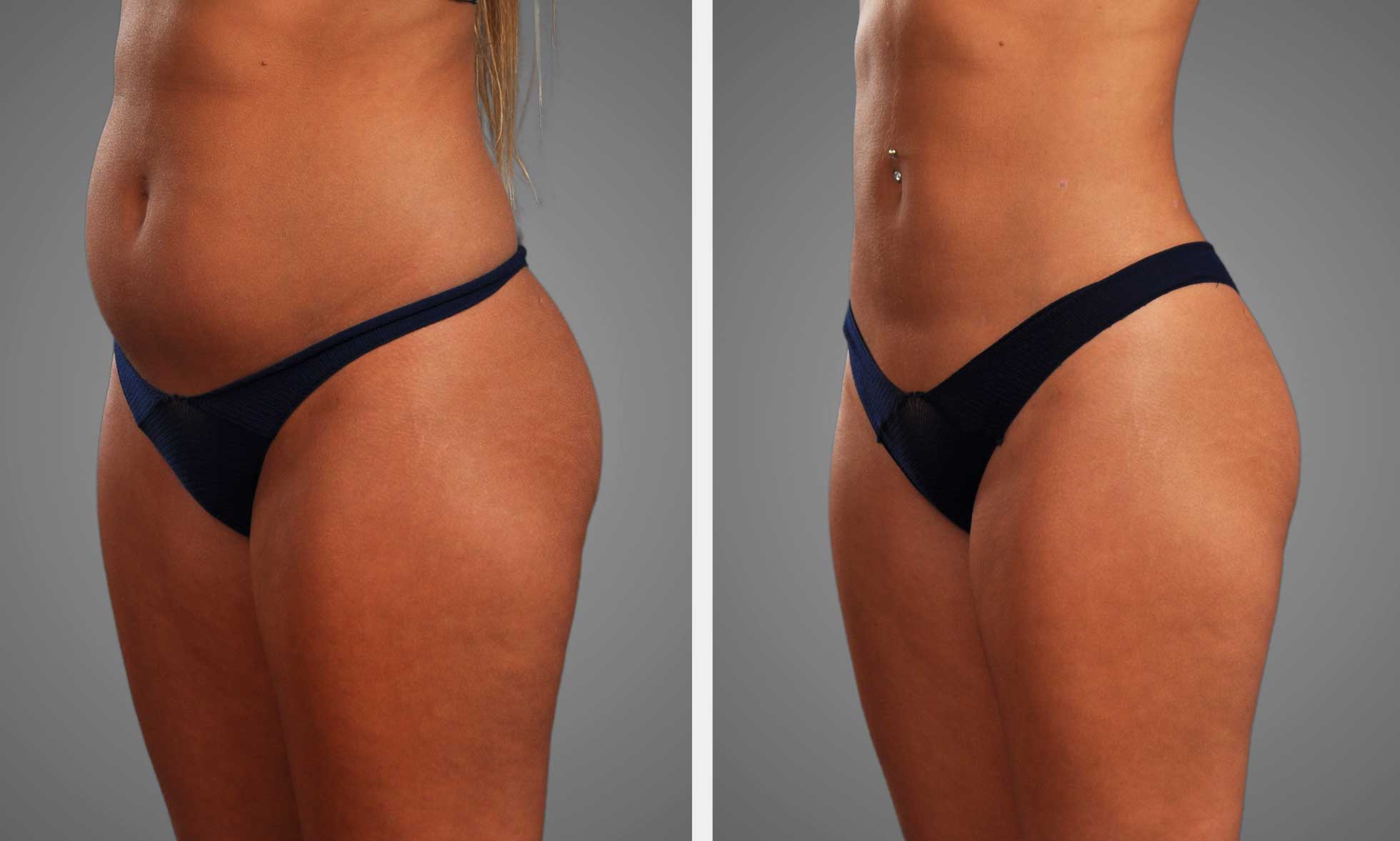
Pairing liposuction with skin tightening, like J-Plasma, means targeting both fat and skin simultaneously. This combo can strip fat and activate skin to tighten, which aids in uncovering new body lines and muscle definition.
One major advantage of J-Plasma liposuction is a skin contraction rate of approximately 60%, versus 40-45% in other techniques. This may result in a tighter, younger appearance, particularly for individuals in their 30s to 60s, as their skin remains receptive to contraction.
Additionally, it increases collagen, which provides firmer skin tone over time. Complete results tend to show over a few weeks or months, so stick with it.
3. The Mechanism
With J-Plasma liposuction, you remove the unwanted fat with suction, but at the same time use a special energy device under the skin. This step warms the tissue, resulting in immediate collagen contraction and new collagen growth, resulting in tighter, more elastic skin.
Collagen remodeling takes place for months after the procedure, with the skin gradually firming up and folding into its new contours. Various devices and techniques may be selected according to a patient’s skin type, thickness, and degree of tightening required.
Physicians consider skin quality and age when designing the optimal strategy. Understanding the needs of each patient allows for the safest and most natural results.
4. The Outcome
Thanks to both fat and loose skin being addressed, most individuals experience their silhouette becoming more refined. Muscle lines even seem more defined and the physique looks leaner.
Results are long lasting over years, but maintaining a stable weight and skin care is key. Others might observe slight puffiness or an extended recuperation period—typically four to six weeks—but the majority are back to their routines within days.
Available Technologies
Liposuction AND SKIN TIGHTENING had changed a lot in the past decade. There are more options available today, with newer technologies that can assist individuals in achieving superior outcomes with reduced recovery time. Each approach has its own merits, and choosing the appropriate approach is going to be highly dependent on someone’s needs, their body, and their goals.
A number of clinics mix and match technologies to achieve more even and firmer skin post fat removal.
Liposuction Methods
Conventional liposuction continues to be performed elsewhere. It depends on a small tube, known as a cannula, to aspirate fat under the skin. It’s great for bigger surfaces, but typically has a longer recovery and more swelling.
Tumescent liposuction is a newer spin, employing a special solution to numb the area and shrink blood vessels, reducing bruising and accelerating recovery. Awake liposuction, usually combined with local numbing agents such as ProNox, allows patients to remain alert throughout the procedure and is typically for small areas.
A few clinics utilize PAL or UAL for stubborn fat pockets. PAL utilizes a vibrating cannula to liquify fat, rendering the removal process more gentle and rapid. UAL employs sound waves to liquefy fat more effectively to remove, particularly in denser or more fibrous regions.
Both LAL and SmartLipo use thermal energy from lasers to liquefy fat and coagulate skin. LAL is not universally recommended—some clinicians argue that it poses more dangers than advantages in some situations. PrecisionTx is a smaller device, great for hard to reach areas like the neck or jawline.
The surgeon’s experience is crucial, because selecting the proper technique and knowing how to execute it well makes all the difference in safety and appearance.
| Method | Characteristics | Benefits | Drawbacks |
|---|---|---|---|
| Traditional | Manual suction, general anesthesia | Good for large areas | Higher swelling, downtime |
| Tumescent | Local anesthesia, fluid injection | Less bruising, faster | Not for all cases |
| PAL | Vibrating cannula | Gentler, faster | Special tools needed |
| UAL | Sound waves | Good for tough fat | Risk of burns |
| LAL/SmartLipo | Laser heat, skin tightening | Quick recovery, skin firm | Not for all, burn risk |
| PrecisionTx | Focused, smaller areas | Good for neck/face | Limited to small zones |
Skin Tightening Methods
Surgical skin tightening, similar to excisional surgery, eliminates excess skin. It’s commonly recommended for post massive fat suction patients with significant loose skin. Renuvion utilizes helium plasma RFAL technology, ideal for more expansive regions, and provides excellent skin-tightening with minimal scarring.
Non-invasive alternatives are expanding. Laser therapies, like SmartLipo and PrecisionTx, warm the skin to assist it in shrinking. RF treatments, such as BodyTite and bipolar RFAL, utilize energy to heat deeper tissues, stimulating the body’s collagen production.
Both can act as stand-alone therapies or in tandem with liposuction. Several clinics even combine Renuvion and BodyTite together on select areas, as each has its strengths. Local anesthesia is usual for small regions, but large areas may require general anesthesia.
A table helps sum up the choices:
| Method | Invasive | Non-Invasive | Effectiveness | Best For |
|---|---|---|---|---|
| Excisional Surgery | Yes | No | High | Large loose areas |
| Renuvion (Helium Plasma RF) | Yes | No | High | Wide body regions |
| Laser (SmartLipo, PrecisionTx) | No | Yes | Moderate | Small/medium zones |
| Radiofrequency (BodyTite) | No | Yes | Moderate | Combination therapy |
There is no one-size-fits-all solution to picking the best approach. Factors such as age, skin type, area treated and health all influence the schedule. A good provider will mix and match options to optimize the result for each individual.
Ideal Candidates
Liposuction with skin tightening is not for the fainthearted. The best candidates are individuals with good skin tone and small or moderate pockets of fat that persist despite diet and exercise. For instance, a 20-something with taut skin and minimal love-handle fat might achieve excellent results with traditional liposuction alone. In such instances, skin tightening might not be required.
Individuals who are older or who have lax skin may require both liposuction and a skin tightening technique to achieve a sleek contour. How your skin recoils after the fat is removed matters. Taut, stretchy skin can contract to accommodate a new body contour. Loose skin, from age or big weight loss, may not. This implies that individuals who have lost a significant amount of weight are not great candidates for liposuction solely, since their skin may not contract nicely once the fat is removed.
Body shape and fat type play a significant role. Liposuction is most effective for patients who are at or close to a healthy weight, and who have localized fat deposits in areas such as the abdomen, hips, or thighs. It is not a weight loss instrument. High-definition liposuction, designed to define muscle striations and an athletic aesthetic, is reserved to the minority.
It requires both low body fat and good skin tone. Most candidates are actually more ideal for standard or 360 liposuction, which addresses the entire torso and can benefit almost every body shape.
Health status is a must to think about. Good candidates are those in overall good health, who do not smoke, and have no medical issues that would slow healing. Conditions like heart disease, poor circulation, or uncontrolled diabetes can make surgery risky and slow recovery. It is always best to talk with a doctor about health history before planning surgery.
Every person’s risk is different, so a full health check is key.
Expectations are important. Candidates should understand exactly what liposuction and skin tightening can and cannot accomplish. These treatments are able to contour the body and tighten up slight loose skin; however, they cannot provide flawless results or supersede good habits.
Folk should be made aware that the outcomes are related to the quality of the skin, the health, and the amount of fat extracted. If they’re seeking a “quick fix” or perfect body, they’re going to be disappointed at what surgery can do.
Lifestyle and habits count, as well. Liposuction is not long-term weight control. Weight-stable individuals with healthy habits — including balanced meals and regular physical activity — maintain their results longer. Frequent gainers, losers, and those with an inconsistent schedule might not obtain durable differences.
It’s great to have a doctor or health coach assist in establishing good habits prior to and after surgery.
The Procedure
Liposuction with skin tightening combines fat extraction with focused approaches to assist skin conform more nicely over the new contour. It’s more extensive than standard liposuction. Recovery is longer, risks higher, planning must be clear. Every step, from your initial surgeon consultation to your last post-op appointment, influences the outcome and how safe the procedure is.
Step-by-step summary of the surgical process:
- Initial medical assessment and consultation
- Preoperative instructions and preparations
- Administration of anesthesia for patient comfort
- Small, precise incisions in targeted areas
- Fat removal using suction technique
- Skin tightening using thermal, radiofrequency, or ultrasound devices
- Application of customized compression garments
- Postoperative monitoring and recovery instructions
Consultation
At your consultation, a board-certified plastic surgeon will discuss your health history and inquire about previous surgeries, allergies, or medications. They will examine your skin condition, fat pockets and general health to determine if you are a suitable candidate. This step is critical for safety, as not everyone is a candidate for combined liposuction and skin tightening.
A physical exam is performed to chart regions of treatment and observe skin laxity. Transparent discussion about your ambitions establishes strong expectations. You should discuss any anxieties or queries — like fear about having a scar or the recovery process.
The surgeon takes all this input to map out a plan for your individual needs, frequently recommending which areas of the body are best suited to receive treatment. The treatment could involve employing radiofrequency or ultrasound energy if your skin is on the looser side.
Preparation
- Cease blood thinners, anti-inflammatory medications, and herbal supplements two weeks prior to surgery.
- Following a healthy routine-eat a protein and vitamin rich diet, don’t smoke, keep hydrated.
- Establish your support system–have someone who can drive you home and assist you for the initial 24 to 48 hours.
- Stock your house with recovery essentials, like loose clothes, wound care supplies and healthy snacks.
You should adhere to each in turn, as skipping them can increase risks or delay healing. Good nutritional and lifestyle habits preop can accelerate recovery. Organizing assistance at home makes those early days safer and less stressful.
The Day
Surgery day begins with a final stroke of your plan and health check. You’re put under anesthesia so you don’t feel any pain, and your vitals are monitored. Most surgeons use incisions less than 1 cm to minimize scarring.
Fat is aspirated judiciously, and skin contraction is performed with radio frequency or ultrasonic devices that stimulate collagen with heat. Observing every pre-surgery rule, be it fasting or showering with special soap, decreases the risk of infection and aids the day in going smoothly.
Swelling generally reaches its worst around the three-day mark post-procedure and may persist for six weeks or longer. It’ll force you to wear compression garments for a minimum of six weeks to reduce swelling and assist your skin in forming to your new shape.
Full results can take 6 to 12 months as swelling diminishes, and collagen generates, gradually tightening the skin.
Recovery and Results
Skin tightening liposuction combines fat removal with skin firming, but recovery and results vary based on procedure type and individual health. Recovery is incremental. Side effects such as bruising, swelling and tenderness are frequent. Using compressions is key to assist skin in retracting and reduce swelling. Results can take months to manifest and patience is crucial as the body heals and collagen develops.
Timeline
- Initial healing from surgical liposuction may require several weeks. Bruising and swelling are early sequelae of this procedure, with swelling at its height around day three and persisting for up to six weeks. Non-surgical skin tightening typically requires minimal downtime, and the majority return to normal activity within one to two days.
- Follow-up visits to observe healing, monitor for infection, and address questions. These appointments help identify and solve issues early.
- Recovery varies from individual to individual. Age, history and skin quality all matter. Younger and healthier individuals might recover quicker, and everyone else requires additional time.
- It is important to follow all care instructions from your provider. This could involve taking medications, maintaining cleanliness of the treated area, and wearing support garments.
Care
- Wear compression garments as recommended to encourage skin retraction and prevent excessive swelling.
- Control bruising and tenderness with cool packs and prescribed pain relief, not putting any aggressive pressure on the site.
- Avoid salt and processed foods, they increase your fluid retention.
- Maintain follow-ups to catch any problems early and monitor progress.
Proper hydration aids tissue repair and reduces swelling. Eating a healthy protein-, vitamin- and mineral-rich diet helps you heal. Sleep is paramount in the early days, but easy walks or mild activity can increase circulation and reduce scarring or clot risk.
Maintaining clean skin and mild moisturizers supports skin health as it recovers. Consistent skincare regimen nourishes new collagen production and promotes firming.
Longevity
It’s important to remember that liposuction with skin tightening is lifelong weight stable, aging genetics. Maintaining a stable weight assists in maintaining your new contours. Large fluctuations in weight will sabotage results.
Smart habits, of course, can sustain more durable outcomes. Working out and eating healthy helps maintain your figure. Non-surgical options usually require touch up treatments as the results dissipate over time. In certain situations, touch-ups might be advised to combat shifts in fat or skin.
Results can be 80–90% of what is possible, with most swelling resolved within two to three months. Final outcomes tend to appear anywhere from six to twelve months, with the body continuing to produce collagen and the skin tightening more.

A Surgeon’s Perspective
A surgeon views liposuction with skin tightening as a blend of art and science. Every patient that comes through your door has a unique story, a particular body type and specific aspirations. The big thing surgeons emphasize is that no two treatment plans should ever look identical.
Some require additional fat removed from the belly, others desire their sides or thighs to be smoothed out. Surgeons examine the skin’s elasticity, go over previous medical history, and discuss habits such as smoking and alcohol consumption, which can affect recovery. They frequently run tests and employ data to determine either how much fat to extract, or whether a skin-tightening phase makes sense.
For instance, if the skin is loose after fat is absent, a surgeon might provide a skin-tightening device or discuss additional solutions. A lot of it is patient education. We surgeons find that a lot of folks walk through the door with exuberant expectations, influenced by social media or misleading advertisements.
They pause to demystify what liposuction and skin tightening can actually do. Most will describe the surgery that works best for individuals who eat well, exercise, and maintain a relatively stable weight. They review things such as quitting smoking a minimum of 2 weeks before and after surgery to enhance healing and reduce complications.
Informed consent is ensuring the patient is aware of the surgery, the recovery, and the risks. A good surgeon will walk you through side effects, whether it’s swelling, bruises or the possibility of loose skin, so there are no surprises down the line.
The surgeon’s skill counts as much as the instruments. A surgeon will tell you that liposuction is the gold standard for eliminating bothersome fat that won’t budge with diet or exercise. Not everything works for everything. Certain patients will require ultrasound-assisted lipo, others do better with a plain suction technique.
The proper selection is based on the body area and degree of skin retraction required. With deliberate hands and wise judgment, surgeons seek to mold the body that appears organic and minimizes issues. If a patient has less skin stretch, the surgeon will caution of potential folds or may utilize a tool to tighten.
Continued reinforcement is important. Surgeons check in pre- and post-surgery, they watch for signs of trouble and answer questions. They direct patients post-care, like what to wear and when to return to life. Good communication will spot small problems early and keep the patient feeling safe and heard.
Conclusion
Liposuction with skin tightening delivers smoother lines and firmer skin – in one step. For the majority of patients, they see actual shape transformation and feel even more confident in their appearance. New devices accelerate healing and reduce inflammation. Physicians select the appropriate approach for each patient, so outcomes align with the objective. Those with good skin tone and stable weight received the best results. The majority return to daily life quickly with minimal care. Curious to find out if this is a good match for you. Contact a board certified surgeon who utilizes these new tools. Ask everything you want and discuss topics of your choice. These honest talks help establish reasonable expectations and actual hopes for the result.
Frequently Asked Questions
What is the benefit of combining liposuction with skin tightening?
This results in a tauter, more even appearance and minimizes sagging following fat extraction.
What technologies are used for skin tightening during liposuction?
Popular technologies include radiofrequency, ultrasound and laser. These tools heat the skin — stimulating collagen and helping the skin tighten after fat removal.
Who is an ideal candidate for liposuction with skin tightening?
Best candidates are healthy adults with stable weight and mild to moderate skin laxity. They’re realistic and want to enhance body contours without major surgery.
How long does recovery take after this procedure?
Most return to normal activities in 1–2 weeks. Swelling and bruising typically subside within a few days. Final results can manifest in a few months as the skin tightens.
Are the results of liposuction with skin tightening permanent?
The results may be long-lasting if you maintain your weight and lifestyle. Aging and weight fluctuations can take their toll on skin tightness.
What areas can be treated with this combined approach?
Typical regions are the abdomen, legs, arms, back and neck. Solutions for different body parts — your surgeons can customize the approach.
Is liposuction with skin tightening safe?
When done by a skilled, experienced surgeon, it is safe. There are risks, as with any surgery, so talk about your health and concerns with your provider.