Directions
 Call Us
 Email Us


Key Takeaways
- Love handles are affected by genetics, hormones, and lifestyle habits, so a personalized approach is key.
- Liposuction can definitely help you reshape your waistline. The results depend on the surgeon’s ability, your anatomy, and technique.
- Liposuction Recovery – Love handles liposuction results aftercare ensures a more seamless healing experience.
- Being mentally prepared and setting realistic expectations is key to overall satisfaction and a positive body image post-surgery.
- Healthy eating and an exercise program are essential for keeping your results and avoiding fat from returning to the treated areas.
- For long term success, you’ll need sustainable habits, self-care, and periodic check-ins with health professionals for support.
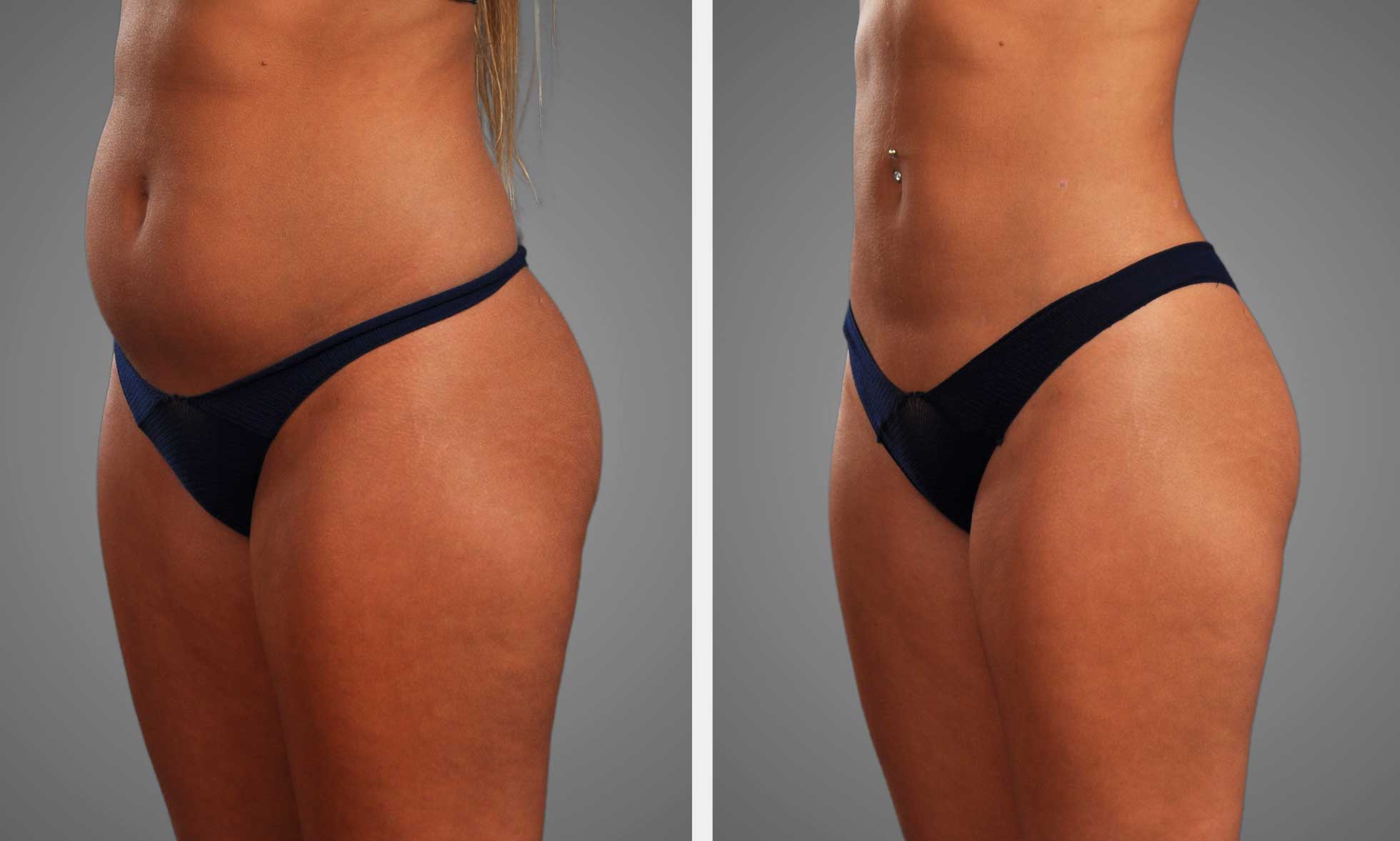
Love handles liposuction results typically demonstrate an immediate reduction in fat along the flanks, with the majority of patients experiencing a leaner silhouette within a matter of weeks.
The skin may tighten as time goes on, and slight swelling may persist for months. Most people notice smoother body lines and improved fit in their clothing.
Knowing what to expect can help establish realistic goals. The following section describes what influences these results and their duration.
Understanding Love Handles
Love handles are the flabby fat bulges that rest on either side of your waist, connecting your lower back, stomach, and hips. This is a natural fat depot for the body, with both subcutaneous and deeper visceral fat. These fat pads are biologically purposeful, but they can be diet and exercise resistant, which is why they’re a common target for body contouring.
Liposuction of the love handles removes this stubborn fat, and the results can be permanent as long as you keep your weight stable. Recovery is typically uncomplicated, with discomfort subsiding after several days and most normal activities returning within 1 to 2 weeks. Final results require a few months as swelling gradually subsides, exposing the contoured waistline.
Genetics
Your genetics plays a role in how and where your body stores fat, including love handles. Other individuals are endowed with a greater fat cell count around their waist, rendering such deposits unavoidable regardless of diet or exercise. Family history is a good indicator, too, as research indicates that fat patterning is hereditary.
Metabolism, largely determined by genes, is a key player as well. Slower metabolisms can translate to fat being more readily stored, particularly around the midsection. By knowing your genetic predisposition, you can better guide treatment options, for example, opting for liposuction combined with continuous lifestyle modification.
Hormones
Hormones are intimately involved in fat storage and fat loss, particularly in the waist. Cortisol, released during stress, can send the body into fat-storing mode, particularly around the midsection. Insulin, which helps control blood sugar, can contribute if it is out of whack, causing fat to accumulate on the love handles.
Stubborn fat that refuses to budge even with dieting or exercise can be the result of high stress or medical conditions that throw your hormone levels out of balance. Hormonal health is key when dealing with body fat, and fixing imbalances can affect a big change in your results.
Lifestyle
Eating habits, activity and lifestyle all impact love handle formation. A healthy diet with less processed foods and sugars can prevent additional fat from collecting at the waist. Choices that add to love handles include:
- Eating high-calorie, low-nutrient foods often
- Sitting for long periods with little activity
- Skipping regular exercise or strength training
- Not getting enough sleep each night
Exercise burns calories, keeps your metabolism sharp, and reduces the amount of fat you store, especially around your waist. Maintaining a healthy weight, even through minor lifestyle adjustments, can go a long way to keeping love handles under control in the long term.
The Liposuction Process
Liposuction for love handles remains the most common way to sculpt your body and get rid of that unwanted waistline fat. It’s a process that’s all about safety and predictable results. What you need to know if you’re considering this procedure is what it entails, your options, and how to receive optimal results.
There are a few distinct stages in a standard liposuction procedure. The table below shows the main stages:
| Step | Description |
|---|---|
| Pre-operative prep | Stop alcohol, tea, coffee, cigarettes one week before; attend consultation |
| Anesthesia | Local or general anesthesia based on fat volume and health needs |
| Incision | Small cuts (few millimeters) in the skin near the love handles |
| Fat removal | Thin tube (cannula) loosens and removes fat using suction |
| Closing incisions | Small stitches or adhesive strips; minimal scarring |
| Compression garment | Garment worn for weeks to reduce swelling, help skin fit new shape |
| Recovery | Back to basic activities in 1–2 weeks; sports after about one week |
Choosing a talented surgeon is fundamental to having the top results. Training, board certification, and demonstrated skill decrease complication risk and help ensure the result is natural looking. A good surgeon knows how to sculpt the body, minimize scars, and detect problems early.
Top surgeons with impressive track records will usually provide before-and-after pictures so patients can get a sense of what to expect.
Few key liposuction methods are available for fat elimination. Conventional or suction-assisted liposuction utilizes a cannula and suction. Tumescent liposuction introduces a fluid solution that anesthetizes the region and reduces hemorrhaging.
Ultrasound-assisted and laser-assisted methods employ sound waves or lasers to loosen fat, which may aid in its extraction. The ideal approach is contingent upon individual requirements, skin composition, and fat elimination volume. Certain techniques are well-suited specifically for small pockets of fat, while others excel in larger areas or dense fat.
Pre-op consultations go a long way in establishing expectations. During these consultations, the surgeon discusses medical history, tests skin tone, and converses with the patient about their desires.
This assists in establishing realistic, attainable goals and provides the patient an opportunity to inquire. My doctors walk me through the steps, risks, and what to do pre- and post-procedure.
Patients discover, for example, that although liposuction yields permanent results if your weight remains stable, it may take three to six months for skin to adjust to the new contours and for the final appearance to become apparent.
Your Transformation Timeline
Liposuction for love handles is a timeline process. Change is not immediate. Months go by between surgery and your final result, and every month brings new transformations and hurdles. Healing, swelling, and how your body settles all factor into what you see in the mirror. This timeline differs significantly and is influenced by individual lifestyle and distinct physical characteristics.
1. Immediate Aftermath
The initial post-op period is about care and caution. Swelling and bruising started quickly. For the majority, the region is sore and sensitive. Compression garments aren’t for comfort; they’re to control swelling and support the new shape. Without them, healing can drag and the results aren’t as sleek.
Rest is crucial. Doctors tend to recommend avoiding heavy chores and sports, with slow walks at best. Every motion must be soft. For others, this phase is closer to two weeks, with the swelling beginning to subside after one week.
2. First Few Weeks
Comfort increases, but there could still be tightness or slight pain. Bruising diminishes, and swelling has decreased by half or more for most. It is wise to continue monitoring for infection or strange pain, as uncommon complications can arise.
Follow-up visits allow doctors to monitor healing, address questions, and adjust recommendations. Light walking or stretching enhances blood circulation and accelerates the healing process. For a few, swelling persists; smokers or those who generally heal slowly will feel it linger.
By week four, nearly every daily task seems easier, even if you still have to struggle. Go too hard and you will stall the plant.
3. Three Months Post-Op
By now, contours are sharper. Your new body shape appears more proportioned and the majority of swelling has dissipated. Minor shifts can still appear as the tissue settles. Maintaining a healthy lifestyle, including regular sleep, clean eating, and no heavy smoking, assists results in sticking around.
We don’t all heal alike. Some may glimpse a sleek curve, while others see faint waves according to skin stretch and residual fat pulled out. Genetics, skin health, and how you maintain the region influence its appearance.
Remember, ideal balance is elusive and minor fluctuations can still pop up in the following months.
4. The Final Contour
It can take six or even twelve months for final results to manifest. Your new shape is stable, sure, but change is slow and can try your patience. It’s good to keep goals grounded.
Skin bounce-back differs, so not all get identical finish. Skin that snaps back lends a smoother appearance, whereas looser skin can reveal creases. Maintenance, including water, activity, and consistent weight, counts.
For others, massive changes perform miracles. Emotional rollercoasters are expected. Suffering in anticipation of the finish can be lengthy, but incremental shifts keep occurring.
The Sculptor’s Touch
The sculptor’s touch is the blend of craft, artistry, and concentration that molds not only marble but the human form. CHALLENGE–In liposuction for love handles, the sculptor’s keen eye and steady hand can transform outcomes from mere fat extraction to effortlessly natural, harmonious curves. This touch, as in sculpture, is both learned and practiced, never generic, never universal, always carved to the medium.
Surgeon’s Skill
The sculptor’s touch – an experienced cosmetic surgeon makes all the difference in liposuction. Their training allows them to utilize surgical moves, mixing surgical skill with a sculptor’s eye for shape. Art in liposuction is having the touch to know how much fat to take, molding the area without leaving waves or dimples.
Looking at before and after pictures from past patients provides a good feel for a surgeon’s capacity to craft seamless, natural results on diverse physiques. Good technique decreases the risk of problems like lumps, swelling, or extended recovery. Surgeons in the latest techniques can often accelerate healing and enhance comfort.
Patient testimonials will give you a sense of the reality—how good the surgeon is at listening, addressing your questions, and following through on what was promised. This input, combined with technical data, goes a long way toward establishing clear expectations.
Your Anatomy
Every single person’s body is unique. Fat lies in gene-age-lifestyle-moulded layers. These variances ensure outcomes will remain individual. Certain individuals do have thicker skin or better muscle tone, which can alter the final shape after liposuction.
A comprehensive evaluation in the initial consult allows the surgeon to chart these characteristics, customizing the procedure for each individual. Knowing your own body shape helps set goals that make sense. For instance, a woman with wider hips than another who has a straight waist may not get the same look, even with equal fat removal.
Achievable goals matter most. Nothing is so consistent as inconsistency, so a scheme that suits your shape offers the strongest chance of contentment.
Technology Choice
| Technology | Features | Benefits |
|---|---|---|
| Traditional | Manual suction | Cost-effective, basic contouring |
| Ultrasound-Assisted | Sound waves break fat | Less tissue trauma, precise |
| Laser-Assisted | Laser melts fat | Faster recovery, tightens skin |
| Power-Assisted | Vibration for fat removal | Quicker, less fatigue for surgeon |
New instruments can enhance lipo’s safety and accelerate recovery. Ultrasound and laser methods fragment fat cells softly, minimizing bruises and swelling. Power-assisted tools allow surgeons to work faster and with more control.
Pairing these instruments to the patient’s requirements, such as skin tension or adipose density, allows the outcome to be more uniform and the convalescence gentler. Choosing the appropriate technology is not simply a matter of fashion. It’s about what works best for your body and your goals.
The right match increases your chances of receiving the desired look.
Beyond The Scalpel
Love handle liposuction changes more than skin deep. There’s a mindset shift that can occur, taking your recovery deeper than the skin. Emotional well-being, clear expectations, and ongoing support all contribute to framing the entire experience and result.
Mental Shift
Liposuction can help enhance your sense of self-confidence and body confidence, particularly if you’ve battled stubborn fat despite a healthy diet and exercise routine. A lot of patients mention feeling comfortable with their surgeons, which calms the pre-surgery jitters. Getting your mind right is just as crucial as getting your body right.
Others are apprehensive or indecisive. The majority say they’re glad they did upon witnessing the outcome. Support from friends, family and a caring medical team makes the mental shift easier. Others will go so far as to say the clinic staff feel like “family.
Turning the attention inward toward self-acceptance and body positivity assists as well. It’s not only about appearance; it’s about confidence.
Body Image
Post-liposuction, body image can change in expected and unexpected ways. Some notice transformations immediately and experience feelings that are “unreal” about their outcomes. Others require a period to adapt to a new form. You have to love the new look, but temper expectations because scars—while “almost non-existent”—are still a concern.

Being open with friends or family may assist you in processing any feelings you have about your body. It might require time to regain body confidence. Self-care can be a boost toward a positive self-image, whether that’s through tender movement, nutrition, or easy rest.
Recovery is unique to each individual. One patient was ‘thrilled with the results’ after six months. Others were informed it could take up to a year to heal. The key is time and truthful self-questioning.
Realistic Goals
Realistic and achievable goals are a must for anyone considering liposuction. This operation is not a slim-down solution, and anticipating drastic overnight transformations sets you up for disappointment. Liposuction is most effective as an element in a larger strategy that involves healthy eating and exercise.
Beyond The Scalpel, a holistic mindset to body sculpting makes transformation sustainable and healthy. You need patience. Others experience early progress, experiencing minimal to no pain only two weeks following surgery.
The ultimate contour can be a process. Care counts too. A number of individuals talk about ‘world class’ support prior to, during, and post surgery that facilitates healing.
Preserving Your Shape
Love handles liposuction can help you preserve your shape. Maintaining these results long-term requires more than a one-time treatment. The body will re-accumulate fat if daily habits falter.
These three keys, nutrition, exercise, and long-term habits, are critical for individuals looking to preserve their investment and enjoy the transformation for years to come.
Nutrition
A healthy diet is key to maintaining results following love handles liposuction. Taking in meals packed with whole grains, lean proteins, fresh veggies and good fats rejuvenates the body and keeps energy levels consistent.
Reducing processed foods, sugar and salt can both keep your weight in check and reduce inflammation. Maintaining your figure stable weight translates to more durable results and less chance of fat returning to the region.
- Eat plenty of vegetables and fruits at each meal.
- Select lean proteins such as fish, legumes, or skinless poultry.
- Use whole grains instead of refined grains.
- Limit fried foods and sugary snacks.
- Eat at regular times to avoid overeating.
Water is as important as nourishment. Drinking enough water daily helps skin bounce back, especially as swelling subsides during the initial weeks post-surgery.
- Drink at least 2 litres of water daily.
- Avoid drinks with a lot of sugar or caffeine.
- Carry a reusable water bottle to track intake.
Mindful eating is listening to your hunger and satiety signals. Eating mindfully, putting down the fork before feeling stuffed and turning off screens during meals can go a long way toward preserving your shape.
Exercise
Exercise prevents weight recidivism. Maintaining your shape requires effort. During the first 48 hours following the procedure, light walking assists with circulation and reduces swelling.
Once a patient has recovered, incorporating both cardio and strength training can help keep the weight off and maintain muscle tone in the treated area.
- Make small goals, such as walking briskly for 30 minutes 5 days a week.
- Track progress with a fitness app or journal.
- Join a class or group for support.
Cardio torches calories, and strength training sculpts your muscles and maintains your metabolism. Each type works best in tandem and helps prevent fat from creeping back in.
Having goals to train for, whether it’s a 5K or a target weight to lift, helps maintain motivation over the long term.
Long-Term Habits
To make changes stick is to adjust the daily grind. Compression Garment: Wear your recommended compression garment, which assists with skin retraction and shapes the waistline throughout recovery.
A few check-ins on your diet and exercise remind you what’s working and what needs to change. Support groups, fitness communities, or check-ins with a healthcare provider keep people on track and increase commitment.
Consistency is the true secret. Swelling and irregularity diminish by the third month and the definitive shape emerges. Consistency and community keep the new form sticking.
Conclusion
Love handle liposuction delivers immediate and permanent results. Fat in this area tends to persist, but liposuction attacks it with precision and expertise. Results are visible within a few weeks and continue to improve as the swelling diminishes. Some maintain their new shape with regular exercise, like daily walks or easy meals filled with abundant vegetables and lean protein. Liposuction sculpts the body quickly, but maintaining those contours requires small, consistent efforts. If you’re considering this, chat with a board-certified physician who will be honest. Are you ready to find out more or to take the next step? Contact a reputable clinic and request a conversation about your possibilities.
Frequently Asked Questions
What are love handles and why do they form?
Love handles are the rolls of fat on your side. They come about due to genetics, diet, and the general absence of exercise. They are tough and almost impossible to shed on diet and exercise alone.
How effective is liposuction for removing love handles?
Love handles liposuction results. It attacks targeted fat pockets, aiding in sculpting a defined waist. Results are generally visible once the swelling subsides.
How soon can you see results after love handles liposuction?
You’ll notice initial results within a few weeks, but final results show once swelling and bruising subside, generally in three months.
Is liposuction for love handles permanent?
Liposuction eliminates fat cells permanently in treated areas. A healthy lifestyle is necessary to keep results. If you gain weight after the procedure, it can impact your results.
What are the risks of love handles liposuction?
Risks include swelling, bruising, infection, and uneven results. Selecting a skilled, well-qualified, and experienced provider minimizes these risks and enhances safety.
How long is the recovery time after love handles liposuction?
Most resume regular activities within a week or two. Strenuous exercise should be avoided for approximately a month according to your provider.
How can you maintain your new shape after liposuction?
Keep your figure by eating a healthy diet, working out regularly, and adhering to your provider’s post-care directions. These habits keep new fat at bay.