


Key Takeaways
- Ozempic rapid weight loss can cause skin laxity and diminished collagen that can make surgery like a medial thigh lift necessary.
- Skin quality and elasticity are paramount in determining whether thigh lifts after dramatic weight fluctuations are necessary and successful.
- Staying at a healthy weight with good overall health prior to surgery will make all the difference in your recovery and long-term results.
- Medial thigh lift procedures are tailored to your specific anatomy, tissue quality, and patient goals to ensure a natural and balanced contour.
- Thigh lift recovery involves proper post-operative care, the use of compression garments, and a progressive resumption of activities.
- Emotional well-being is a key piece of the path, and continued support, grounded expectations, and nutritious lifestyle adjustments can optimize physical and mental results.
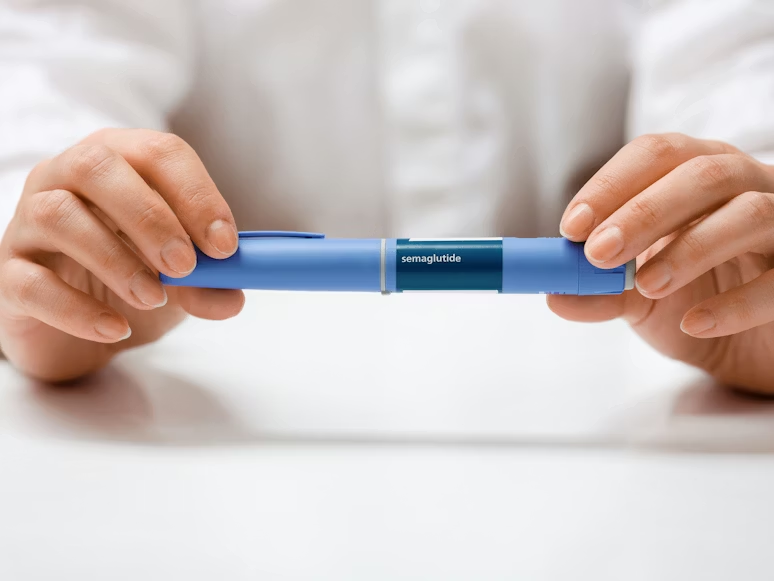
Medial Thigh lift after Ozempic is a surgery to remove excess skin and contour the inner thighs when Ozempic weight loss leads to sagging. Most individuals notice excess skin in the thigh region following rapid weight loss with Ozempic.
It can help with comfort and skin fit. Knowing what to expect and how the process works assists with planning and recovery. Below we discuss how the surgery works and who it’s best suited for.
Ozempic’s Aftermath
Ozempic fall-out About Ozempic’s aftermath Employees are using Ozempic, a GLP-1 receptor agonist, as a go-to weight-loss tool. Most who try it remark at how quickly it transforms their physique, particularly once weight loss hits 7 to 9 kg. These rapid shifts can extend skin past its normal snap-back range, resulting in loose skin folds, typically on the inner thighs.
The following table summarizes major changes influenced by Ozempic:
| Effect | Skin Laxity | Collagen Production | Surgical Options |
|---|---|---|---|
| Rapid Fat Loss | Increases | May decrease | Medial thigh lift, body contouring |
| Aging | Worsens | Declines with age | May require staged interventions |
| Collagen depletion | Promotes sagging | Less skin firmness | Multiple procedures sometimes needed |
| Excess skin | Very common post-weight loss | Lower rebound ability | Surgery or non-surgical options |
Skin Elasticity
Skin loses its elasticity following significant weight loss and this correlation is more pronounced in older populations. As skin stretches with weight gain, it relies on collagen and elastin fibers to rebound upon weight loss. When these fibers break down, whether from age or from the impact of GLP-1 drugs such as Ozempic, skin becomes loose.
That causes sagging in areas such as the thighs. GLP-1 drugs can alter the skin’s substructure. Headlines emphasize ‘Semaglutide face’ when facial fat vanishes, resulting in loose, thinning skin. It can occur on the thighs where fat disappears faster than skin can shrink-wrap.
Low skin elasticity means a thigh lift will be necessary. When the skin can’t recover, surgery might be the only way to excise the extra folds and assist the region in appearing smoother.
Fat Distribution
- Fat loss after Ozempic is not always even.
- Subcutaneous fat, which sits just beneath the skin, disappears quickly with rapid weight loss.
- Once this fat is lost, skin is left unsupported, folding and sagging.
- A little asymmetrical fat loss has been observed in some, particularly in the thighs.
Ozempic’s acceleration of fat loss from the face and thighs means that not all areas respond in the same way. This can leave the thighs with stubborn patches that don’t conform to the rest of the body, complicating surgical contouring.
Tissue Quality
Tissue quality deteriorates with weight loss and age. Fast weight loss, for example, losing 20 to 30 percent of body weight, causes skin to become coarse and thin, particularly in areas where the skin was already stretched. Hormonal fluctuations, like those induced by weight loss, can deteriorate tissue quality.
Before thinking about surgery, doctors need to check the condition of the skin and the tissue underneath. Poor tissue quality might mean a longer recovery or more than one procedure for a good result. Aging, hormone shifts, and a long history of being overweight can all mean the skin will not bounce back well on its own.
The Medial Thigh Lift
A medial thigh lift or thighplasty is a surgical procedure that helps in reshaping the inner thighs by eliminating excess skin and fat. Commonly employed in post-weight-loss body sculpting, including for patients who have taken Ozempic, large weight loss generally 45 kg or more leaves many with loose, wrinkled skin and stretch marks on the upper and inner thigh. This can lead to chaffing, sanitation problems, and embarrassment.
Medial thigh lift, known as inner thigh lift, helps to combat these concerns, providing a smoother, more toned appearance and boosting confidence for everyday life.
1. The Goal
The primary objective of a medial thigh lift is to remove excess skin and sculpt the inner thigh region. They want a natural contour and smooth thigh silhouette, especially after significant weight loss when the skin can’t “snap” back on its own. This surgery is designed to give you thighs that appear more toned and in harmony with the rest of your body.
Some patients desire a drastic transformation, while we prioritize an even, attainable contour that complements their individual anatomy. Others seek out this procedure to aid in regaining their confidence and wearing form-fitting clothing or swimwear comfortably again.
2. The Incisions
Surgeons typically create incisions along the groin crease, occasionally extending toward the knee if necessary. The pattern is based on where the excess skin rests and how much tissue needs to be excised. Strategically placing the incisions in natural folds assists with hiding scars during the healing process.
The precise technique is tailored to each individual, leaving the scars as minimal and subtle as possible. Permanent stitches can be buried for additional strength and are usually pulled 10 days after surgery. Less noticeable scarring and quicker recovery may occur when the incisions are made with precision.
3. The Procedure
A medial thigh lift is performed under anesthesia for ease of the patient. First, the surgeon marks the region, then excises the redundant skin and fat. Occasionally, liposuction is performed simultaneously to aid in thigh contouring.
The surgery takes anywhere from two to four hours, depending on the amount of tissue. Patients remain in the hospital only one day or sometimes discharge the same day. Recovery involves taking it easy, no heavy exercise, and no long walks for four to six weeks. Most people can return to full activities within two months.
4. The Scars
Scarring is a frequent worry after thighplasty. Initial healing occurs within the first 10 days, with the majority of stitches being removed during this time. Scar healing is dependent upon good blood flow, stable weight, and no smoking.
To assist the fading process, keep scars clean, avoid sun exposure, and apply silicone sheets or gels. Eventually, most scars soften and lighten, disappearing into the folds of your skin. Scars never go away completely, but with attention, they are often subtle.
Your Candidacy
Medial thigh lift for reshaping the thighs following major weight loss, including from Ozempic or similar drugs. Not all of you are a good candidate for this surgery. Your candidacy is based on your weight stability, health, and mindset. Understanding these things assists in priming for safe surgery and a more manageable recovery.
Weight Stability
Most surgeons concur that a stable weight is essential prior to any thigh lift. If your weight fluctuates, the contour you achieve with surgery might have a short shelf life. When weight fluctuates, skin can become even looser or fold in new places.
A consistent weight for a minimum of three to six months allows both you and your surgeon to identify where the true trouble spots are. This window allows time for your body to acclimate and for tissues to settle, which in turn aids in surgical planning.
If you’ve lost a significant amount of weight, approximately 45 kg or more, you may experience hanging folds, stretch marks or wrinkled skin on your inner thighs. Such changes can be rough on your self-image and routine.
Establishing a weight management plan that you can adhere to is essential. Most specialists recommend that you get your BMI under 30 before surgery for the most effective result and to reduce risk. Not everyone can hit this figure, but it is a shared target that makes everyone safer and more effective.
Overall Health
Good body means you heal better and have less risk in surgery. Smoking, poor circulation, and long-term health issues like diabetes can slow recovery or cause complications with a thigh lift. In advance of surgery, your doctor will inquire about your medical history and possibly conduct tests to examine your overall health.
This step is not merely perfunctory; it is about ensuring your body is prepared to recover. If you have loose skin but have other health issues, your doctor may request that you wait or work on your health first.
Staying active, eating healthy, and steering clear of tobacco can all assist you in recovering quicker. For such patients, or patients with better skin quality or who lost less weight, less invasive surgery may be required.
Realistic Mindset
Expectations have a lot to do with post-surgical happiness. Medial thigh lifts can smooth the skin and reduce folding, but they won’t give you “perfect” thighs. It is common to be scarred or require multiple surgeries to achieve your desired appearance.
Discussing your expectations and concerns with your surgeon will help you develop a plan that suits both your body and your objectives. It’s not a cure-all for every body image issue, but an aid that can assist with some post-weight loss transformations.
Being down to earth keeps you happier with the result and the effort it requires to rebound.
Unique Surgical Nuances
Medial thigh lift after Ozempic has its own surgical nuances. Customizing the operation to each individual is crucial, considering the spectrum of post-weight loss body changes and the distinctive anatomy of the inner thigh. The surgery’s success hinges not only on the patient but on every decision the surgeon makes, from planning to closure.
Tissue Assessment
Surgeons begin by examining the skin and subcutaneous tissue. Its quality and looseness help determine which surgical plan to follow. This is especially important for patients who dropped 20 to 30 percent of their body weight and have thin, stretched, inelastic skin.
If skin laxity is minimal, additional skin may need to be excised or additional incision lines may be required to achieve the desired amount of tightening. Occasionally, adjunctive methods such as radiofrequency or micro-needling are employed to enhance skin tightening, particularly in the context of massive weight loss.
Tissue quality directs where the incisions are placed and how much skin is excised. Considering these factors early helps establish realistic expectations for both healing and the end result. Patients need to talk through their concerns about skin softness, stretch marks, or scars during consults.
Incision Strategy
The surgeon selects the type and length of incision according to the patient’s anatomy and objectives. A small scar in the groin fold may suffice for minor laxity, but a longer vertical incision may provide superior outcomes in instances of maximal redundancy.
There are advantages and disadvantages to both methods. A shorter scar might translate into faster healing, but less skin tightening. A longer scar offers more shaping, but more visible scarring.
Where and how the incision is placed makes a difference not only in shape but in ease of movement and living. Recovery times and scar care vary by incision type. When consulting with the surgeon, patients need to balance how much skin they want taken off with how much scarring they’re willing to deal with and how it could impact their lifestyle.
Nutritional Status
Nutritional health is screened prior to surgery as it can modify healing rate and outcomes. Proper nutrition assists wound healing and reduces the risk of infection. Surgeons recommend patients consume a balanced diet and stay hydrated in the weeks leading up to and after surgery.
Hydration maintains skin pliancy and promotes tissue healing. They instruct patients to remain at a consistent weight for three to six months for optimal results. A BMI below 30 is typically recommended.
Weight loss drugs, such as GLP-1 injectables, are generally held two weeks prior to surgery and oral agents a week prior to reduce risk. Smoking less than a month before and after surgery is not recommended to aid healing.
The Recovery Journey
The recovery journey post medial thigh lift – particularly after weight loss from Ozempic and such – is one that pairs physical healing with emotional acceptance. These patients are proud of their weight loss, but loose skin can be a source of frustration which diet and exercise alone will not correct. This journey is not simple, but it rewards patience, self-care, and a tight collaboration with your care team.
First Week
- Pain and swelling peak in the first few days
- Standing upright may feel odd or tight
- Compression garments are worn nearly all the time
- Walking is encouraged, but only gentle movement
- Watch for signs of infection or bleeding
The first week is always the hardest. Some pain, swelling and tightness is experienced by most, particularly when standing or moving. Pain is controlled with medication, cold packs and routine rest. Compression garments alleviate swelling and support healing tissues.
Rest is paramount but not bed all day. Short, simple walks around the house prevent blood clots and promote healing. Do not lift, stretch, or engage in any activity that strains the thighs. Patients need to monitor their incision for signs of infection, including redness, warmth and discharge, and notify their doctor if anything seems amiss.
You’ll get frustrated and fatigued. Just go slow and celebrate every inch of progress.
First Month
The return to normal is slow and steady. By the close of week two, most are back to gentle daily activity and can likely work from home, though of course each job differs. Most require anywhere from two to four weeks off work for a complete recovery, but this depends on the degree of surgery and general health.
Follow-up visits matter. They check healing, take out stitches and allay any concerns. Patients may still experience swelling or bruising for a few weeks and some numbness or tingling is normal. Compression and elevating your legs when you’re resting can aid in controlling swelling.
If swelling increases or if there is a pain spike, give your doctor a call. Listen to your body and bypass any of these that give you pain or strain. Recovery is a long process under the skin, even when the surface seems an improvement.
Long Term
- Maintain a steady weight to preserve results
- Keep up with healthy habits and regular exercise
- Wear compression if advised for lingering swelling
- Check in with your surgeon for ongoing support
Good living reinforces recovery. Eating right, drinking plenty of water, and maintaining a stable weight for at least 3 to 6 months prior to and following surgery are crucial!
Skin discoloration can last for months and scars will lessen but never fully go away. Some will observe slow reduction of swelling or tightness even a year post-op. Routine check-ins assist with early detection of any concerns and offer support throughout the recovery process.
Beyond The Physical
Medial thigh lift post-Ozempic is beyond the physical. It’s about more than just the physical. It’s part of a larger personal voyage that speaks to self-value, swagger, and overall lifestyle. Many rapid weight-loss victims feel insecure about loose skin, folds, or striae. This section explores the impact of surgery below the surface.
Emotional Impact
Recovery after a medial thigh lift can induce a rollercoaster of emotions. There’s relief at the sight of your progress, but frustration if the healing is slower or the scars more visible than you expected. These emotions are typical, particularly when your physique appears different from what you envisioned.
Psychological assistance is equally important as physical treatment. Friends, family, or even online groups can provide an outlet to share highs and lows. Discussing ache, questions, or expectations can relieve tension. Others work with therapists who specialize in the emotional aspect of cosmetic surgery.
It’s natural to be apprehensive about body changes. Open discussions about fears, pride, or even disappointment help make it easier to work through each phase. Emotional reactions such as sadness, excitement, and disappointment are appropriate. They’re part of the process, not weaknesses.
Lifestyle Shift
Surgery can prompt people to reevaluate their habits. For some, it’s an opportunity to establish new habits, such as more steps, consistent workouts, improved sleep, or nutritious eating. These transformations maintain outcomes in style.
Losing weight, even just 7 to 9 kg, can ignite a passion to be healthy. For some, surgery becomes a wake-up call that turns wellness into a focus. Regular activity, such as cycling, yoga, or swimming, keeps the new shape.
Mindful eating and self-care count. Easy swaps, such as loading up on more vegetables or tuning into extra water, fuel both recovery and longer term wellness. It’s about building habits that stick, not just the numerical pursuit of a scale.
Body Image
A thigh lift frequently transforms the way they view themselves. It can iron out wrinkles, minimize drooping and help garments drape better. These apparent changes assist lots of people feel a lot more youthful and comfortable in their skin.
It does take time, this embracing of a new body shape. Patients are urged to tally small victories, such as striding effortlessly in shorts or lounging on the sand with confidence. Some will see stretch marks or scars, but concentrating on advancement instills pride.
Body positivity, not perfection, is the aspiration. Most people see physical differences within months of beginning to slim, but true confidence comes when you embrace the bulges and the scars. Sagging skin may make us feel aged or less desirable. Body contouring can help us regain confidence and a sense of completeness.
Conclusion
Flabby skin on the inner thigh can feel stiff following major Ozempic weight loss. A medial thigh lift provides a means to sculpt the region and relieve chafing or discomfort. It takes time to heal, but the vast majority return to daily life within a few weeks. Every case appears different, so your physician can steer you toward the optimal course. Women around the world pick this surgery to walk easier, wear shorts, and feel comfortable in their skin once more. First, consult with a trusted post-weight loss specialist. Tell us your story, submit specific questions, and commit to the first step toward change that suits your goals.
Frequently Asked Questions
What is a medial thigh lift after Ozempic weight loss?
A medial thigh lift removes excess skin and contours the inner thighs. Pandemics may come and go, but a few irreparable habits have become the pandemic legacy: medial thigh lift after ozempic.
Who is a good candidate for a medial thigh lift after Ozempic?
Good candidates have stable weight, excess thigh skin, and good health. You should be at or near your goal weight before surgery.
How long is recovery after a medial thigh lift?
Almost anyone can be back to light activities within 2 to 3 weeks. Complete recovery and final results can take a number of months. Your surgeon will provide specific directions.
Are there risks to medial thigh lift surgery after Ozempic?
Yes. Complications include infection, scarring, and alterations in skin sensation. Select a board-certified plastic surgeon to minimize these risks and receive care safely.
Will my results from a medial thigh lift last?
Results are permanent if you keep your weight and lifestyle stable. Significant weight fluctuations post-surgery can impact your outcome.
Can a medial thigh lift improve physical comfort?
Yes. Taking away that extra skin can really reduce chafing and irritation and make it easier to move. They feel more at ease in their everyday lives post-recovery.
Is a medial thigh lift only for cosmetic reasons?
No. Besides making you look good, it can increase confidence and comfort, particularly post-Ozempic major weight loss.
