Directions
 Call Us
 Email Us



Key Takeaways
- Something that looks natural versus overdone. A natural BBL is one that blends with your existing bone structure and proportions, so pick augmentation that complements your waist, hips, and pelvic width for believable results.
- Evaluate body frame, BMI and tissue quality to establish realistic size targets and prevent placing more fat than your physiology and donor deposits permit.
- Strategic fat placement and feathering into the upper buttock, lateral hips and outer thighs create a smooth, lifted contour and avoid a heavy or overdone appearance.
- Surgeon selection is important. Choose a surgeon with established BBL expertise, advanced grafting methods, and excellent artistic sense to reduce risks and touch-ups as much as possible.
- During consultation, document desired outcomes, evaluate donor areas and skin elasticity, and create a personalized plan that balances subtle enhancement with your lifestyle and long-term expectations.
- Beyond size, emphasize overall health, post-op care, and realistic expectations. Explore alternatives or staged transfers if donor fat is limited to achieve durable, natural-looking results.
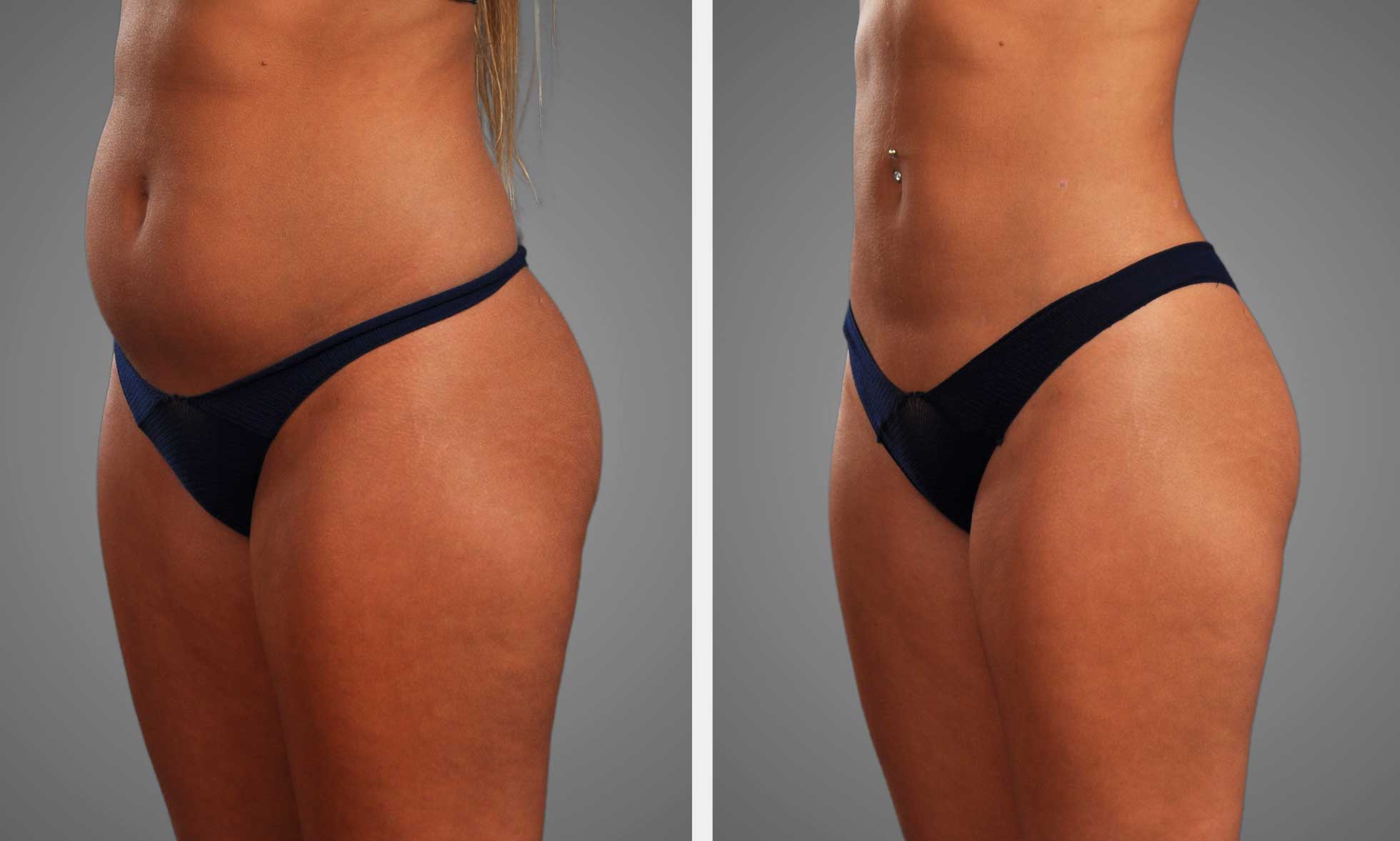
What size bbl looks natural vs overdone? Rough ranges that read natural are 200 to 400 ml per side for naturally narrow hipped individuals.
Whereas 450 to 600 ml looks overdone on smaller frames. Fat distribution, waist-to-hip ratio, and skin elasticity all shape results.
Refer to a board-certified surgeon for measurable and photographic comparison to match your goals and avoid mismatch.
Defining “Natural”
A natural BBL result integrates with the original body contour and bone structure, so it comes across as an inherent alteration rather than a tacked-on characteristic.
Begin with wide frame shaping (360° lipo) to contour the waist and flanks to the desired buttock projection. Controlled fat transfer that observes donor boundaries and respects anatomy follows. This sequence assists the outcome to nestle within the existing silhouette and bony landmarks.
1. Body Frame
Determine your pelvic width and bone structure size as a realistic measure of what you can hope to achieve in size. A wide pelvis can support higher lateral volume without appearing unnatural, whereas small narrow pelvic bones constrain how much lateral projection appears natural.
Customized augmentation to your BMI, muscle map, and fat stores is essential. Low BMI patients frequently don’t have donor fat and require small volumes. You can still contour with focused liposuction and tiny grafts instead of big transfers that skew balance.
Consider waist-to-hip ratio. Enhancing the waist-hip contrast is usually the secret to a natural look. Overbuilding the butt with no trim waist to match just looks disproportionate.
Smaller frames call for a “skinny BBL” path: modest fat transfer, careful placement, and emphasis on lifts over volume. That keeps results credible for tight packages.
2. Proportions
Tocks: Balance buttock size with waist, hips, and thighs to keep the whole body in harmony. Take natural body measurements, such as waist circumference, hip width, and thigh girth, as a guideline for fat distribution.
Let anatomy and accessible fat dictate size. Honoring vertical and horizontal lines of the body prevents oversized outcomes that attract attention for the wrong cause.
Don’t buy into the notion that more fat is more natural. Instead, shoot for controlled increases that trace the body’s planes.
(Table idea: show ranges—small frame 200 to 400 ml per side, medium frame 400 to 700 ml, large frame 700 to 1,000 ml—use as starting points, vary by surgeon and patient.)
3. Tissue Quality
Skin elasticity determines how grafted fat will rest. A little good elasticity keeps shape and smoothes out transitions. Loose skin can sag and divulge borders.
Titrate volume to tissue tension. Tougher tissue suffers dense grafting. Thin or scarred tissue requires a lighter touch and layered grafts.
Previous surgeries, age, and weight fluctuations alter tissue behavior. Schedule around those to prevent surprise contour problems.
4. Fat Placement
Deposit fat in the upper buttocks, lateral hips, and outer thigh to construct a heart or teardrop shape. The key is little aliquots on multiple planes rather than one big deposit.
Feather edges merge fat into surrounding tissue and define immediate sharp steps. Even distribution promotes volume and body without weight.
Customize distribution to goals: subtle lift uses more upper pole grafts. Full shape requires symmetry of side suppleness and central alignment.
5. Surgical Skill
Select a surgeon experienced in BBL anatomy and sophisticated grafting. Good craftsmanship in fat manipulation and intraoperative evaluation is better than brute volume any day.
Expertise lowers rewrite rates and allows for the generation of sustainable, organic outcomes. Check out clinics’ portfolios and results for down-to-earth reality.
The “Overdone” Look
An overdone BBL reveals itself when the butt volume or shape just doesn’t fit the rest of the body. Indicators are over-projection, roundness that reads as disconnected from the waist and hips, and a top-heavy or bulbous silhouette. Excess fat volume typically generates an unnatural curve and abrupt cutoffs around the butt cheeks.
These visual cues are easy to spot across photos and in person. The buttocks dominate the frame rather than blend with the torso and legs. Other times, exaggerated results can be attributed to bad surgical judgment, bad planning, or patient requests that disregard anatomy.
Selecting one massive transfer pocket or basting fat into one plane threatens a lumpy or too-full appearance. A popular myth is that the key is just the amount of cc’s transferred. Volume is important, but even more crucial is where and how the fat is distributed. A natural contour arises from thin layers of fat over several planes, softening the contours and maintaining balance.
A warning against going beyond anatomical limits is necessary. Implant-type fullness or massive fat grafting can look fake and pose health dangers. Overfilling places excess pressure on grafts, diminishing fat survival and potentially causing firmness or irregularities.
In extreme cases, large-volume transfers or implants can result in chronic pain, nerve stretch, or skin thinning. These medical downsides are as real as the cosmetic ones. In fact, they often spur revision procedures. Heavy, uneven buttocks break the silhouette and need to be remedied.
When your buttock projection overwhelms your hips, or when your lower back lacks shape, the balance is lost. A cleaner approach is a 360° plan: liposuction around the waist, flanks, and thighs defines the frame before adding projection. It gives a great, natural shape to these buns and prevents the “caked-on” look that announces overdoing it.
A little advance planning, a good feel for the anatomy, avoids most trouble. Surgeons who map bone structure, soft-tissue thickness, and skin elasticity can predict how much fat will survive and where it will look natural. The shift toward subtlety reflects this knowledge: modern BBL aims for proportion and harmony rather than maximum size.
There’s an art and science to achieving a natural look, including delicate sculpting, sparing grafting, and being truthful with the patient about what can be expected.
Your Body, Your Choice
By ‘your body, your choice’, I mean you have the final say on your body, whether it’s your hair, a BBL, etc. It’s about autonomy, and autonomy is self-governance, not yielding to external coercion or the herd. It connects with campaigns for bodily autonomy and the improved public health that comes from people having agency.
It means choices come with hard facts, support, and transparent access to care so decisions are safe and informed.
Allow you to set beauty standards and enhancement objectives for your BBL adventure. Consider what you want to experience and how you navigate the world. Make a list: daily activity level, clothing fit goals, and how subtle or bold you want the result.
Utilize pictures of various sizes and shapes as a guide. Tell us if you want a little lift that maintains your proportions or a more significant transformation that creates a dramatic new silhouette. Select photos from different body types to manage expectations.
Don’t be afraid to discuss your size, shape, and natural beauty choices with the surgical team. Be specific about size and fit, not ambiguous words. Have the surgeon map fat graft volumes by region in milliliters and explain how your frame, including height, hip width, and pelvic shape, impacts how volume will manifest.
Ask for pre-op imaging or 3D simulations if possible. Talk about risks, anticipated fat retention rates, which are usually between 50 and 70 percent, and how several sessions can influence the ultimate size.
Consider differing body types, cultures, and lifestyles when you’re thinking about butt augmentation. What feels natural differs between culture and body frame. A 300 to 400 ml graft can appear perfectly full and well-proportioned when paired with narrow hips, but it can come across as flat on a wider pelvis.
Fitness habits matter; heavy weight training can change muscle tone and how fat settles. Pregnancy plans, weight fluctuation, and job demands, such as long sitting versus active jobs, should factor into the decision.
Key considerations for choosing between subtle enhancement and voluminous BBL include:
- Current body proportions and skeletal frame
- Targeted millilitre volume and realistic fat take percentage
- Skin elasticity and soft tissue laxity
- Lifestyle: exercise, work, future pregnancies
- Cultural or personal aesthetic references and how they map onto your body
- Health risks and surgeon experience with BBL safety protocols
- Recovery time, follow-up needs, and possible staged procedures
Understand limits: Absolute autonomy may be constrained by safety, ethical concerns, or law. Real choice encompasses access to accurate information, trusted providers, and mental health care.
The Consultation Process
A consultation takes your BBL on course. It’s where the surgeon and patient get on the same page about objectives, evaluate anatomy, and plan what’s safe and realistic. The consultation addresses health history, physical exam, expectations, risks, and if a BBL fits the patient’s frame.
- Medical intake and goal discussion.
- Give complete medical history, medications, allergies, and surgeries. This helps flag risks such as clotting, anesthesia issues, or healing concerns.
- Describe specific goals: how much volume, shape preferences, and activities after recovery. Be specific and bring pictures or clothing samples. Displaying three images — one of present form, one of a preferred slight modification, and one of a radical outcome to evade — allows the surgeon to visualize purpose and establish boundaries.
- Physical assessment of donor areas and skin quality.
- Surgeon examines common fat harvest zones: abdomen, flanks, inner and outer thighs, and back. They estimate usable fat volume in liters or kilograms and note fat distribution.
- Skin quality and elasticity are checked. Thinner skin or poor elasticity limits how much projection looks natural and holds over time. A patient with abundant abdominal fat and firm skin can often get more transfer than someone with low-fat limbs and loose skin.
- Evaluation of derriere architecture and anatomical constraints. Your inherent butt shape, pelvis width, hip-to-waist ratio, and muscle tone dictate what will appear in proportion. The surgeon takes measurements and pictures of the area for records. If skeletal width or soft-tissue frame restricts projection, the surgeon may suggest a smaller volume to prevent a ‘done’ appearance.
- Customized surgical plan and options. Plans include fat-harvest locations, anticipated graft volume, infiltration approach, and predicted increase in buttock circumference or projection in metric units. It notes safety limits for graft volume per session. If needed, a staged plan is offered: two procedures spaced months apart to add volume safely while preserving results. Staging is typical when donor fat is scarce or when a delicate outcome is emphasized.
- Charting and education. Take before photos and draw on the body to depict harvest and placement plan. This minimizes confusion and establishes reasonable expectations. The surgeon walks through steps, risks, recovery timeline, and probable outcome of the procedure, and answers questions including about scarring, downtime, and follow-up.
Beyond The Size
A successful BBL is so much more than a number. Patient anatomy, surgeon skill, and a staged plan count as much as that ultimate volume. Begin with contouring the frame. Three hundred sixty degrees of liposuction can sculpt the waist and flanks to accentuate the buttock in harmony with the rest of the body.
Fat transfer must thereafter be measured and deposited with honor for donor constraints and anatomy. There is no one-size-fits-all safe effective amount.
Checklist: Do’s and Don’ts for optimal BBL outcomes
- Do select a board-certified plastic surgeon that operates in an accredited facility with safety standards.
- Make sure to do 360-degree contouring first to create that natural outer frame prior to volumizing.
- Do inject fat in small aliquots across several tissue planes for a more natural feel and longer survival.
- Do anticipate gradual polishing over weeks to months as swelling subsides and tissues settle.
- Do keep your weight stable before and after surgery to preserve results.
- Don’t confuse more fat with more natural. Fat localized in one place appears excessive.
- Don’t overlook donor site restrictions. Over-harvest increases aorta complication risk.
- This is no place to overlook detailed preoperative planning or to entrust non-specialists.
- If you don’t have a lot of donor fat, don’t immediately think implants are better without exploring options.
Role of health, care, and lifestyle
Your overall health impacts both your safety and your outcome. Great nutrition, no smoking, and managed blood sugar all reduce complication risk and help fat graft take. Postoperative care matters. Strict adherence to sitting restrictions, use of compression garments, and attending follow-up visits support graft survival and contour.

Over the long term, consistent exercise and stable body weight preserve the contour, while substantial weight loss or gain will alter its appearance since displaced fat functions as native fat and moves with body fluctuations.
Other options available when donor fat is inadequate
Low body fat patients can opt-in. Beyond The Size, gluteal implants give you reliable volume but come with alternative risks and a less natural sensation. Beyond The Size, combination approaches, such as small implant plus fat grafting, can finesse contour at lower implant sizes.
Tummy tuck or thigh lipo can liberate donor fat in some cases, but both have trade-offs, recovery, and risks to discuss.
Impact of future body changes
Transplanted fat reacts to future weight shifts. Weight gain can swell the buttock and rejuvenate lost grafted fat. Weight loss can decrease volume and expose shape shifts.
Plan for stability: aim for a target weight before surgery and factor life events like pregnancy or major lifestyle shifts into timing. An organic-looking BBL is constructed through thoughtful sculpting, precise cross-planar transfer, expert nurturing, and continued wellness support.
Long-Term Reality
Long-term results of a Brazilian Butt Lift (BBL) depend on three main biological truths: how much transferred fat survives, the skin’s ability to stretch and hold shape, and the normal course of aging. Most patients experience continued improvement over weeks to months as inflammation subsides and tissues settle. A little bit of fat gets reabsorbed, and the rest of it just sits in its final spot. Bottom-line results become apparent in a few months, not right after the post-op photo.
Fat ‘survival’ rates differ by technique, patient health, and post-op care. More survival means less likelihood of volume loss and fewer touch-ups. Shielding transferred fat is critical during the initial six to eight weeks. Sitting directly on the grafted location, rigorous pressure, or premature heavy workouts can decrease survival.
A natural outcome is typically constructed from the outside inward. Frame contouring (360°) initially occurs, then disciplined fat facilitates donor thresholds and anatomy. The ideal results don’t pursue a cookie-cutter form; they create the most realistic fit of your personal physique.
Skin elasticity has a big part to play. Younger patients or those with good skin quality will hold contour more easily. When the skin is loose, even a well-performed fat graft can look saggy as years pass. Get your patients ready for potential changes in butt contour with major weight fluctuations or bodily fat redistribution.
Weight gain can expand the field, often asymmetrically, and weight loss may cause volume reduction and expose irregularities. A patient who gains 5 to 10 kg after surgery may notice disproportionate fat growth in the donor sites versus the buttock, altering the initial balance.
Regular upkeep encourages survival. Suggest compression supplies first to manage edema and acclimate tissues. Light activities typically restart within a few weeks, but complete exercise tends to wait until after six to eight weeks to safeguard grafts.
Consistent, moderate weight training then later helps preserve shape by powering the supporting musculature. Encourage slow weight loss and good nutrition, as big swings alter fat distribution.
Revision surgery or further fat transfers can be required if initial results diminish, transplanted fat is reabsorbed at a higher than anticipated rate or body proportions change. In most cases, an after three to six months gives the shape you want.
A natural outcome typically shows a gentle gradient: lower back to sacrum to upper buttock to mid/lower buttock, with smooth blending into hips and outer thighs, rather than a sharply peaked silhouette.
Conclusion
A natural bbl is a blend of fit and form. Small to moderate volume gains, approximately 300 to 600 millilitres per side for a lot of people, often suit the body and skin. Larger adds can look full and striking, but they can look off if your frame, fat supply, or skin cannot support the change. Consult with a surgeon who sizes your hips, waist, and butt, and who shows you before-and-afters of similar bodies. Prepare for recovery, realistic maintenance, and consistent weight management to maintain results. Choose a target that complements your lifestyle, not a number on a chart. Book a consult, ask straight questions, and listen to the voice that guides you toward what feels right for your body and your day.
Frequently Asked Questions
What bbl size looks natural for most people?
Natural results are based on your frame, hip width, and fat availability. Generally, small volume additions that fit your frame, usually 200 to 400 cc on each side, appear natural for most adults. A surgeon’s evaluation offers the most accurate estimate.
How can I tell if a bbl will look overdone?
A BBL can look overdone when your buttocks are disproportionately large in relation to your waist and hips, or when your skin tightness and muscle tone can’t support the volume. Photos and 3D simulations during consultation help expose realistic outcomes.
Does my body type limit how natural a bbl can look?
Yes. Small frames and thin skin can only take so much volume before looking overdone. Wider pelvises and more proportionate fat distribution usually can take more augmentation yet still maintain a natural appearance.
Can a surgeon guarantee a “natural” result?
No reputable surgeon promises you a certain look because every body heals differently. Board-certified plastic surgeons can offer realistic expectations, before-and-after photos, and objective measurements to help steer decisions.
How important is the consultation process?
Very important. A thorough consultation evaluates your anatomy, health, goals, and fat availability. It helps create a personalized plan that balances safety with a natural aesthetic.
What non-size factors affect natural appearance?
As does where the grafted fat is placed, the shape of your buttocks (round, heart-shaped, etc.), your waist-to-hip ratio, skin quality and posture. Expert technique and proportion-focused planning are more important than brute volume.
Will results change over time?
Yes. Fat retention, weight fluctuations, aging, and lifestyle all impact your long-term shape. Anticipate some shrinkage in the initial year. Realistic planning and healthy habits sustain long-term, natural looking results.