Directions
 Call Us
 Email Us



Key Takeaways
- Check your surgeon’s credentials, make sure they have specific training in liposuction, and look at before and after photos.
- Get a grasp of the surgery plan as well, the method, anesthesia options, and the credentials of the whole team.
- Find out about safety measures, how emergencies are handled, and post-operative care to ensure a safe and smooth recovery.
- Have him or her set clear, realistic expectations about the results, timeline, and how your own body will factor in.
- Have your doctor explain everything about the finances, including costs, what’s included, financing, and extra fees.
- Be on the lookout for red flags like opacity, evasiveness, or contradictions, and never forget that open communication with your doctor is key.
Questions to ask a liposuction doctor assist individuals in obtaining explicit information about the procedure, its risks, and outcomes.
Choosing the right doctor is all about knowing what to ask regarding their expertise, their procedure, and the recovery process. Knowing about safety precautions, recovery period, and prices makes it easier to organize things.
This guide provides questions to use at your meeting and explains why each one is important.
Your Consultation Checklist
Your liposuction consultation is an important opportunity to make sure your decision is safe, informed, and empowering. A comprehensive checklist ensures you discuss everything, from the surgeon’s experience to finances.
These are essential questions to ask:
- What are the surgeon’s qualifications and experience with liposuction?
- What method should be applied and why is it optimal for me?
- What are the risks, and how are complications handled?
- How much will the procedure cost and are there additional fees?
- What should I do before surgery and how is recovery?
- Are payment plans or financing options available?
1. Surgeon’s Credentials
Begin by confirming board certification. Ensure the surgeon is a plastic surgeon, not a general surgeon. Inquire about their training and experience with liposuction.
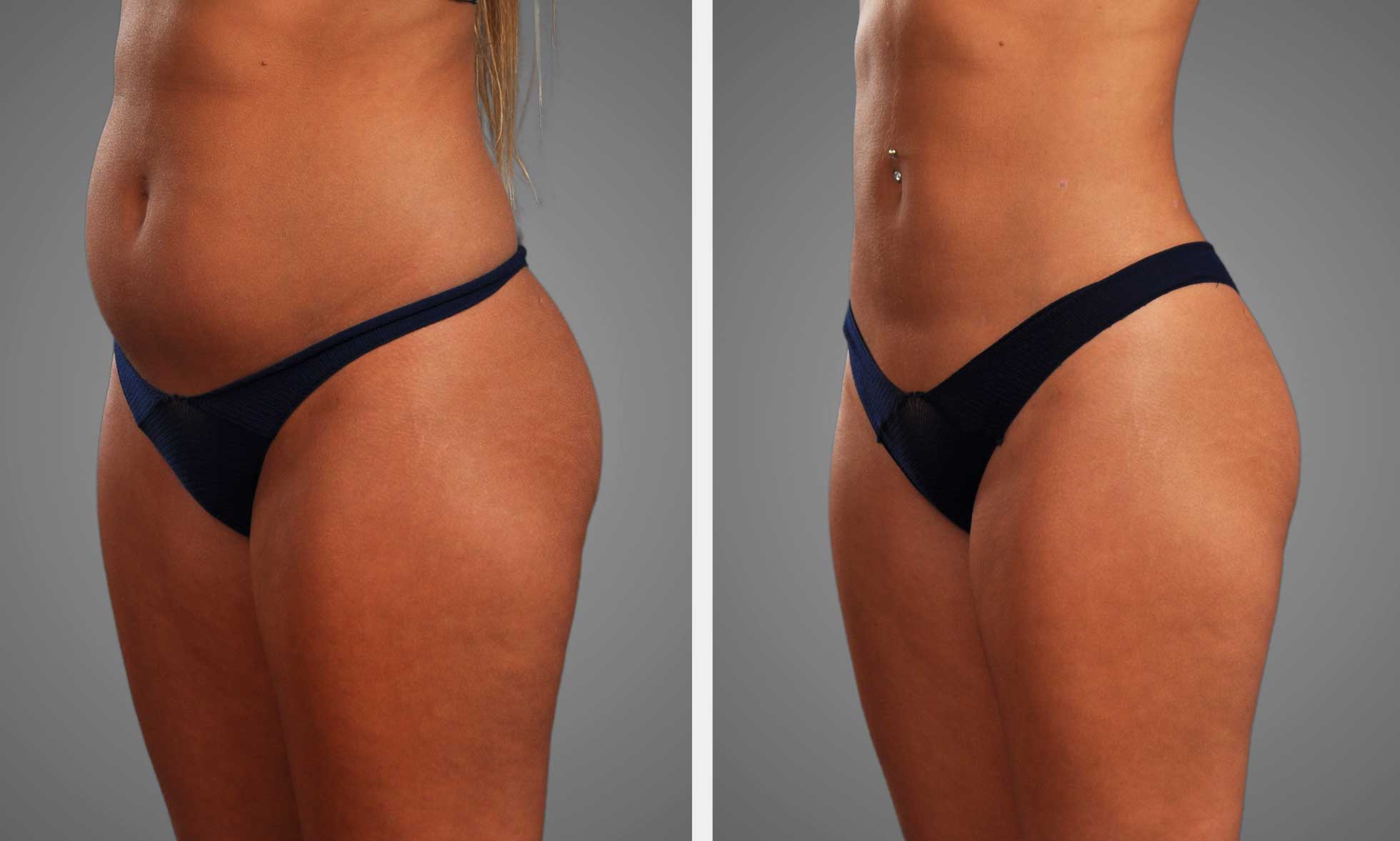
Ask if you can view before-and-after pictures of their prior patients; it helps establish realistic expectations. Membership in respected organizations, such as the American Society of Plastic Surgeons (ASPS), is another indicator of trustworthiness.
Take your medical history to the consultation so the surgeon can determine if you are a candidate for surgery.
2. Surgical Plan
Request a straightforward description of the surgical steps. Talk with him about whether the procedure will be done under local, regional, or general anesthesia and how long it will take.
Learn what areas they will focus on and how much fat the surgeon anticipates extracting. Inquire about what method they will employ, such as tumescent or BodyTite, and why it is suited to your needs.
Confirm that the facility is accredited. Inquire about the experience and roles of the surgical team. Certain clinics might use imaging software to provide you with example results. This helps establish clear objectives and avoids miscommunication.
3. Safety Protocols
Safety is paramount. Inquire about what measures they follow to reduce risks, such as infection or blood loss. If something goes awry, how are complications handled?
Do you have an emergency plan on-site? Talk to them about any medications you’re on, particularly blood thinners, as they can impact the safety of surgery.
Inquire how you will be followed after surgery and what they do to control your healing and follow-up.
4. Expected Outcomes
Make realistic assumptions about outcomes. Liposuction can contour your body, but its effectiveness varies with your skin’s elasticity and physique.
Inquire about what happens to results if you gain or lose weight after surgery. Some swelling can persist for weeks or months, so be sure to ask when you can anticipate final results.
Determine how to sustain your result over time.
5. Financials
Obtain a comprehensive cost breakdown, encompassing surgeon’s fees, facility, and anesthesia. Inquire about what the quote includes.
Some clinics will bill you additional for post-op appointments or follow-up care. Talk about payment plans and if they offer financing.
Verify the rates and ensure you understand all possible fees before you consent.
The Surgeon’s Philosophy
A surgeon’s philosophy informs the entire liposuction experience. It begins with their perspective on body goals and patient satisfaction. Some surgeons focus on subtle shifts, staying as close to natural looking as possible, while others might be open to bold outcomes if that is what the patient desires.
The best surgeons inquire about your personal objectives, then discuss what is both safe and achievable. They balance decisions between a major transformation and a contour-hugging appearance. They consider your body type, tone of your skin, and fat distribution, so the plan is tailored to you and not just a cookie cutter formula.
How a surgeon customizes every surgery reveals something about their philosophy. Some opt for local anesthesia, others choose general anesthesia, and for bigger cases or when addressing multiple regions, general anesthesia might be the more secure choice. They balance these decisions with you, considering your comfort and the dangers.
Pre-surgery, surgeons might recommend things like an antibiotic scrub or antibiotics to minimize infection risk. These steps can vary from surgeon to surgeon, so it’s good to inquire what they are and why. A session lasts anywhere from 45 minutes to a few hours, depending on how many dots are treated and how complicated your case is.
More experienced surgeons generally operate more quickly and with fewer complications, which can translate to a more seamless recovery. Experience is fundamental. Inquire what liposuction case the surgeon last did ten years ago. This provides an indication of their expertise and whether they stay current in the field.
Board certification by the American Board of Plastic Surgery is another powerful indicator of competence. It signifies that the surgeon has satisfied rigorous criteria and continues educating as the specialty evolves. Patients should inquire into the tools and techniques their surgeon employs.
Some are more marketing-oriented, so you want a surgeon who will talk you through what each one means and how it’s going to impact your results. Patient response counts as well. Good surgeons listen to their patients, pre and post op. If you have concerns or needs that shift, a flexible surgeon can shift the plan, whether it is regarding what areas to address or what kind of result you desire.
Post-op care is another piece to inquire about. Some surgeons want you to wear compression garments. Others have strict guidelines about pain medicine or mobility post-surgery. Trust their guidance, as these actions aid recovery and appearance.
Understanding The Technology
Liposuction is a minimally invasive and safe means of extracting fat cells from the body, with little pain post-surgery and quick short-term results. This technique does not involve cutting, stapling, or stitches, so it is considered a mild method of sculpting various areas of the body. Due to continuous innovations, patients have more choices than ever before.
More recent methods include ultrasound-assisted liposuction, laser-assisted liposuction, and fat freezing. Ultrasound and laser techniques both use energy waves to disrupt fat cells prior to extraction, rendering the procedure gentler on the body. CoolSculpting doesn’t even use surgery; it freezes fat cells over multiple sessions, which your body then flushes out over time.
These innovations seek to render liposuction safer, induce less swelling or bruising, and accelerate recovery time. For instance, laser-assisted lipo tightens the skin as fat is suctioned out, which is beneficial for regions with excess skin. Since each alternative takes a different trajectory, querying your doctor on which method they employ and why it suits you is critical.
Liposuction technology can enhance safety and outcomes. Ultrasound and laser tools allow physicians to more precisely target fat cells, reducing risk to surrounding tissue. This reduces the risk of issues and promotes quicker healing.
A few machines utilize real-time feedback to display the percentage of fat removed, which keeps results appearing uniform. Always inquire how the method restricts dangers and what safeguards exist to protect the process.
Classic liposuction inserts a tube to literally suck the fat through tiny incisions. Newer techniques, ultrasound-assisted lipo for example, degrade the fat first. The key distinction is that vintage techniques tend to be more brute and may cause additional pain or swelling.
Current technologies utilize ultrasonic waves or lasers to liquefy fat, facilitating its extraction. CoolSculpting is the non-surgical frozen-fat frontrunner, but it typically requires multiple sessions to achieve full results. Both ways have advantages and disadvantages, so it’s clever to inquire how they measure up in pain, price, downtime and result.
So do tools and equipment. Physicians utilize varying sizes of cannulas to address small or extensive regions. Ultrasound or laser-assisted lipo machines resemble traditional surgical equipment with extra dials for power and temperature.
CoolSculpting machines have paddles that clamp onto your skin to cool the fat cells. Familiarity with the tools being used can help ease your mind and allow you to plan for post-event recovery. To get the most, inquire about your doctor’s gear. Is it state of the art? How does it align with your objectives?
The Recovery Journey
Liposuction recovery requires time and attention, and understanding what to anticipate can aid in making the experience more seamless. The initial weeks post-surgery are typically the hardest, characterized by swelling and bruising. Most swelling begins to subside around the 4 week mark, but the skin and the fat excision site may remain taut or puffy for a while longer.
The complete appearance of your results will not appear for a few months because the body has to wait for the inflammation to subside. Their scars, from the mini-lacerations, can take up to a year to lighten and flatten. The tissue continues healing and molding itself during this period, so patience is key.
Pain management is a huge component to recovery. Most physicians will recommend or prescribe pain killers to ease soreness and swelling. Over-the-counter options like acetaminophen or ibuprofen are common, but sometimes heavier medicine is required in the first days post-op.
Certain physicians may advise applying ice packs or gentle movement to alleviate pain. It is wise to discuss with your doctor what pain plan they suggest, how long you should take pain meds and whether there are warning signs to be on the lookout for, such as stabbing pain or fever.
From there, wearing a compression garment becomes another important stage. Doctors often prefer patients to wear these tight clothes for a few weeks or even months. The piece assists in reducing inflammation, supporting the recovering skin, and can guide the body as it assumes its new form.
Most patients wear it 24/7 initially, removing it only to shower. Eventually, your doctor may approve wearing it less. It’s wise to inquire how long you should wear the piece, how to keep it clean, and what to do if it feels too tight or causes discomfort.
Not much going on in early recovery. Heavy lifting and hard exercise are typically prohibited for four to six weeks. Easy walking is typically encouraged shortly after surgery to keep the blood flowing and reduce the risk of clots.
Discuss with your physician the appropriate time to begin light exercise, resume work, or return to sports or the gym. If you have work that requires extensive travel, see how long you should take leave.
- Pain management includes prescribed painkillers, over-the-counter medicine, ice packs, and rest.
- Activity: Gentle walking. Avoid heavy lifting or sports for four to six weeks.
- Compression garment: wear as directed, often for weeks or months.
- Support: Ask for help from friends or family for daily tasks.
The Unspoken Realities
Opting for liposuction is not merely a medical decision. It’s a journey that raises pragmatic and deeply personal issues. There are a lot of concepts for what liposuction is and can do, but some of these can be deceiving.
- Liposuction is not weight loss. It molds the body and works great for those who are near their perfect weight.
- The payoff is not immediate. Swelling, bruises, and soreness can persist for weeks, even months, leaving the area appearing unlike what you might anticipate in those early days.
- It can hurt and it can hurt for a while after surgery. Exhaustion and achiness will make tasks like getting out of bed difficult temporarily.
- Putting on a tight compression garment post-procedure is typical. It reduces swelling and supports healing. It can be constricting or warm.
- Liposuction removes fat cells permanently. It doesn’t prevent new fat from forming. If you put on weight post-procedure, fat can appear in new spots.
- You can have little bumps or uneven spots after you heal. Setting pragmatic objectives and discussing potential consequences is significant.
Loose skin is a peeve post fat removal specifically if too much fat is extracted or if the skin lost its stretch. This can be more frequent for older patients or less firm skin. Your skin isn’t going to snap back as tight as you wanted it to, which leaves sagging or wrinkles.
Doctors will recommend skin-tightening treatments, massage, or even another surgery to correct this. It’s useful to inquire how your skin is likely to respond and what can be done if loose skin is a concern.
Cosmetic surgery has an emotional component. Patients may be nervous or uncertain pre- and post-procedure. Recovery can introduce mood swings or regret if your results are delayed.
It’s worth asking the doctor about support systems like counseling or support groups to help manage these feelings. Sharing your ambitions and surgical rationale can establish positive expectations and alleviate tension.
A healthy lifestyle is crucial for enduring success. Good nutrition and exercise prevent new fat from accumulating. Liposuction is not a substitute for good habits.
Without healthy decisions, weight can come back in different places, making results lumpy or less apparent. Doctors emphasize this point, so seeking tips or resources on diet and exercise is smart.
Red Flags
Selecting a liposuction doctor is no minor decision, and understanding the red flags can prevent a sub-par result. Keep an eye out for any red flags that indicate a surgeon is less than qualified or has ulterior motives. Not being board certified is a major red flag. If the doctor isn’t board certified in plastic surgery, that’s a red flag. Board certification means the surgeon has satisfied rigorous training and examination standards. Without it, you have no way to verify their competence.

Another red flag is if the doctor is making bold promises or results claims that sound too good to be true. If they say there aren’t any risks or keep telling you just the benefits, that’s dishonest. Real surgeons recognize all surgery is risky, and a good one will candidly discuss potential side effects, scarring, or healing time.
Transparency is important. If a surgeon isn’t transparent about the full process, potential complications, or post-op care, that’s a red flag. Red flags include instances where some docs gloss over what to expect while you heal or shy away from addressing rare but very real side effects. A reliable doc is gonna answer every question, show you before-and-afters, and tell you what recovery actually looks like.
If you find it difficult to receive direct answers or feel like you are being jerked around, then it is probably best to seek alternatives. If it’s difficult to get the doctor or their office, particularly after hours, it can be an indication that patient care isn’t a priority.
Watch how the doctor responds to questions or concerns. If you’re rushed, or if the doctor is pushing to get you to surgery soon with not enough time for you to think or ask questions, that’s not a good sign. Pressure, or a push to book surgery quickly usually means the surgeon is more interested in business than patient care.
Another red flag is if the practice employs a cookie-cutter approach to every patient. Because every body is different, a great surgeon will tailor a plan to your needs, not take a cookie cutter approach.
Inconsistencies in what is said or shown during the consultation are important. If the information about price, downtime, or results continues to fluctuate, or you find very few reviews or minimal online footprint, this could indicate that the surgeon doesn’t have much experience in the real world or stellar testimonials.
Watch out for prices that are way below average. These might indicate lower safety standards or minimal post-surgery support. Watch out for doctors who don’t provide specific post-surgery care instructions and follow-up assistance.
Conclusion
To get the best results from lipo, frank conversations with your surgeon matter most. Good questions help you spot ability, integrity, and a genuine concern for wellness. Inquire about the instruments, recovery duration, and subsequent steps. Trust is built in little conversations, not just bold assertions. Every step should seem transparent and straightforward. Your decision impacts not only your appearance but your peace of mind. Come armed with a list of concerns and take notes at every appointment. To stay safe and obtain what you desire, be savvy and ask away. Are you ready to begin? Build your own list of must-ask questions before you schedule your next doctor’s appointment.
Frequently Asked Questions
What qualifications should a liposuction doctor have?
A good liposuction doctor is board-certified in plastic or cosmetic surgery. Inquire about their education, experience, and relevant liposuction specific certifications.
How do I know if a surgeon’s approach aligns with my goals?
Have your surgeon describe his or her philosophy and approach. Let us know your expectations and what results you want to achieve. An honest surgeon will tell you if your goals are achievable and how they are going to achieve them.
What technology or techniques do you use for liposuction?
Inquire about the technology or technique utilized, like tumescent, laser-assisted or ultrasound-assisted. Both techniques have distinct advantages and healing periods, so knowing the difference is key.
What should I expect during the recovery period?
Recovery is variable, although most people resume light activity within a few days. A complete recovery can take a few weeks. Your doctor should give you a timeline and instructions for aftercare.
What risks or side effects should I be aware of?
Typical risks are swelling, bruising, infection, and irregular results. An ethical doctor will talk you through any potential risks and how they are controlled during and following the procedure.
Are there any warning signs I should watch for after surgery?
Monitor for intense pain, abnormal swelling, fever, or unusual discharge. These can be signs of complications. Call your doctor right away if you observe any of these symptoms.
What are some red flags when choosing a liposuction doctor?
Beware if a clinic dodges questions, isn’t board-certified, guarantees unreachable results, or won’t outline clear aftercare. As always, read reviews and check credentials!