


Key Takeaways
- Retatrutide gets your body started with serious weight loss and metabolic health by jumpstarting fat metabolism, increasing insulin sensitivity, and curbing appetite.
- Frequent self-tracking and regular medical visits aid in maximizing treatment effects and maintaining safety along the way.
- Slow dose titration is necessary to identify each patient’s optimal tolerated dose.
- Pairing nutrition, exercise, and mindset for sustainable weight loss and holistic health.
- Psychological and social shifts tend to follow weight loss, underscoring the significance of mental wellness and a supportive network.
- Maintenance plan and relapse prevention are key to sustaining weight loss and healthy lifestyle habits.
Body after retatrutide what comes next typically refers to post-retatrutide transformations. Individuals may experience changes in weight, blood sugar, or appetite. Others report shifts in energy or mood as well.
Results can persist for weeks but may eventually wane. Many want to hear if results stick or if maintenance continues. To aid, this guide outlines what to expect and crucial actions for the next phases.
The Body’s Response
Retatrutide triggers a chain of bodily changes, particularly throughout and post-treatment. These transformations impact weight, metabolism, hormones, and even daily ease. The table below details the effects of early weight loss and body responses commonly reported in the clinical literature.
| Outcome | Typical Change (first 12–16 weeks) |
|---|---|
| Weight loss | 10–17% reduction from baseline |
| Appetite | Noticeable decrease, less frequent hunger |
| Fasting glucose | Improved, lower average readings |
| Liver fat | Up to 80% reduction in some individuals |
| LDL cholesterol | Decrease (varies by individual) |
| HDL cholesterol | Increase (varies by individual) |
| Knee pain | Up to 75% improvement |
| Energy levels | Slight increase for many people |
| Nausea | Up to 40% at higher dosages |
1. Initial Effects
The majority experience weight loss in the first few weeks. This is typically between 5 and 10 percent of initial body weight. Appetite is suppressed, and meals seem more satisfying with fewer calories consumed throughout the day.
Others begin to feel more energetic once blood sugar levels stabilize. Nausea, constipation, or diarrhea may occur, with nausea occurring in approximately 40 percent on higher doses. In early labs, it could keep your fasting glucose lower, suggesting improved metabolic health.
2. Metabolic Shift
Retatrutide changes the energy utilization of the body. It causes fat metabolism to quicken, so fat stores dissolve more rapidly. Insulin sensitivity goes up, making it easier for the body to control blood sugar.
Others perceive steadier energy from one day to the next. Energy use changes contribute to weight loss and glucagon activation primes the body for transitioning between carbohydrate and fat burning, essentially making metabolism more flexible.
3. Composition Change
Body fat plummets, yet muscle might remain stable. They watch their total weight drop, but muscle is preserved, which is crucial for long-term health.
Less body fat connects to better cholesterol and less joint stress. Research demonstrates muscle’s significance, so retaining muscle as you shed fat is a major advantage of this therapy.
4. Hormonal Cascade
Important hormones such as GLP-1 and GIP are elevated. These hormones regulate hunger, satiety, and how the body combusts energy.
Other hormone systems connected to blood sugar and fat storage recalibrate. Your hunger hormones plummet, you develop new eating habits, and your energy stabilizes.
5. Common Adjustments
Lifestyle changes are healthy to help maintain the momentum. They usually have to eat less and choose foods that are easier on the stomach.
Regular exercise, even simple walks, keeps weight loss on track. Others time what and when they eat to reduce side effects such as nausea or stomach upset.
Navigating Treatment
Navigating your body post-retatrutide requires a calm, pragmatic strategy. Staying on top of your progress, collaborating with healthcare providers, and knowing how your body reacts to the medicine all make a difference. The route is not simply about the weight on the scale; instead, it is about identifying trends, remaining safe, and establishing habits that promote sustainable wellness.
Self-Monitoring
Begin by maintaining a daily diary of your diet, activities, and weight fluctuations. Most discover that a notebook or a smartphone app works best. Logging this information allows you to easily identify how food choices or exercise habits impact your progress.
It’s useful to note your daily feelings, as fatigue occurs in some 8 to 12 percent of individuals and identifying when it strikes can assist you and your care team in seeking remedies. Apps that track blood sugar, heart rate and other metabolic markers can provide you a more holistic overview.
These tools help you catch those changes early, such as blood glucose or blood pressure improvements, which tend to persist even after the weight loss plateaus. Clear goals, such as targeting a 5% weight reduction by week 12, keep you on track. Hitting this milestone forecasts a robust response for the majority, with 87% certainty.
Checking your records on a regular basis allows you to identify patterns. Perhaps your energy is higher by week eight and workouts are more manageable, or perhaps nausea—a frequent visitor for close to one in three—crests post dose and subsides.
Some even keep measurements and progress photos, which usually display more dramatic results than the scale, particularly between weeks 20 and 36 when the weight loss plateaus.
Medical Follow-ups
Schedule couple visits with your care team. These check-ins are your opportunity to discuss how you’re feeling, ask questions, or discuss side effects. If you experience any fatigue or nausea, or are concerned about gallbladder health, the risk increases to approximately 2% during rapid weight loss.
Bring this up. Your provider might recommend supplementing your meals with good fat to help safeguard your gallbladder. During these visits, doctors typically go over metabolic lab results, such as blood sugar and triglycerides.
These figures tend to continue to improve all the way up to 48 weeks. If you hit a plateau or encounter side effects, your care team can assist you in modifying your plan or recalibrating your goals. Collaboration charts a safer, more successful course through treatment.
Dosage Titration
Retatrutide dosing isn’t one-size-fits-all. Your care team typically begins with a low dose and gradually increases it, monitoring for side effects or indications your body is adjusting. This slow titration reduces the risk of severe nausea, which usually peaks a few days following dose escalation and subsides without further intervention.
Most importantly, listen to your body following each dose adjustment. If new problems arise, like fatigue or digestive issues, note them. This allows your provider to determine if your dose needs to be adjusted or if you should maintain your current level for a time.
Discovering the proper dose helps you maintain weight loss at a steady, safe pace. Most experience their weight loss accelerate as they near the mid-point of treatment, with the average loss doubling by week 24.
Lifestyle Synergy
Lifestyle synergy is merging these pieces of life—nutrition, exercise, mindset—to support your body post-retatrutide. This regimen sustains your weight objectives, keeps energy consistent, and can enhance both sleep and mood. Some of us do better with strictly professional compositions, me included, while many others discover that integrating physical, mental, and emotional routines provides balance, reduces tension, and keeps them grounded post-treatment.
What works best will vary, but the key is to synergize habits that make you feel optimal.
Nutrition
- Leafy greens (spinach, kale, arugula)
- Whole grains (quinoa, brown rice, oats)
- Lean proteins (chicken breast, fish, tofu)
- Beans and legumes (lentils, chickpeas, black beans)
- Fresh fruits (berries, apples, oranges)
- Nuts and seeds (almonds, chia, flaxseed)
Fiber-rich foods such as beans, oats, and berries keep you satiated longer. They slow digestion, which tames appetite and can help regulate caloric intake. Whole grains, leafy greens, and crunchy vegetables are simple to throw into meals and have a huge impact on appetite control.
Processed and sugar-laden treats can sabotage your efforts. They can induce energy crashes, increased cravings, and even decelerate retatrutide’s effects. Replacing sweet beverages or processed snacks with nuts or fruit can be an easy, beneficial swap.
Meal planning enables you to adapt to shifts in appetite. Meal prep ahead allows you to maintain momentum without missing meals or reaching for convenience. Different people notice their hunger patterns change after retatrutide, so having healthy foods ready can keep you on track.
Movement
Daily exercise revs up metabolism, preserves muscle and assists with weight control. It aids in stress, sleep, and mood. Light activity like brisk walking or cycling delivers huge benefits for most people. Others introduce strength work, such as resistance bands or bodyweight exercises, to help maintain muscle while losing weight.
Mix up your workouts—cardio, strength, yoga, swimming—so you don’t get bored. Variety keeps you engaged and maintains adherence. Cardio helps with calorie burn and strength work shapes the body and supports bone health.
Set mini fitness goals, such as walking 10,000 steps daily or completing a 30-minute workout three times weekly. These goals keep you motivated and help you see progress. Step or workout tracking can help you maintain momentum.
Weave movement into your day. Use the stairs, stretch in between meetings, and walk after meals. Even brief activity accumulates and it still gets your body accustomed after treatment.
Mindset
A positive mindset is the killer app of weight management. Prioritize what your body would love to do instead of only what the scale says. This change in mindset makes a lot of people feel more content and less anxious about their advancement.
Mindfulness, such as deep breathing or meditation, controls stress and emotional eating. When you feel stress creeping in, stop and take a couple of slow breaths. This easy action can disrupt the habit loop of food when you’re not truly hungry.
Give yourself achievable targets and reward tiny victories, like preparing a nutritious breakfast or hitting your exercise quota. These are the moments that establish confidence and keep you pushing forward. Change is a process, so applaud yourself at every step.
Lifestyle synergy. Discuss with mates, become a member of a club or locate a digital community. Posting victories and defeats keeps you motivated and reminds you that you’re not in it alone.
The Unseen Transformation
What lies beneath the retatrutide aftermath is a profound, sometimes unexpected shift impacting not just looks, but the way we think, feel and engage with the world. Significant changes in weight, on the order of 15.8% to 31.4% of body weight, do more than alter the reflection in the mirror. They transform the way we view ourselves, connect with others and navigate our daily lives.
A lot of ’em experience normalization of markers of good health. Blood sugar may fall 1.7% to 2% at the six-month check-up, and liver fat can diminish by as much as 80%. These physical transformations occur incrementally. The majority of weight loss occurs around 36 weeks with the higher dose, and mean total body weight loss can be as much as 24.2% by week 48. Yet the emotional, social, and identity transformations are equally critical.
Psychological Impact
Big changes in body size alter how others view you. Others grow more confident as they hit their health objectives, sensing a newfound swagger in their step. The change is difficult to wrap their mind around, particularly when they don’t visualize the transformation as clearly as other people do.
There’s nothing like a good before and after photo to help us really see how much we’ve transformed. Such shifts can be bittersweet. Others may be nervous or blue as they transition to new habits or grapple with residual effects. We’re all too familiar with using mindfulness, journaling, or chatting with a mental health professional to keep these feelings at bay.
Support groups, either offline or online, can provide a secure environment in which to discuss anxieties. Monitoring mental health is equally as important as monitoring body weight or lab results. If stress or sadness starts to build, reaching out early to get help makes a world of difference.
For most, mental victories, such as increased comfort in social situations or the joy of motion, are just as satisfying as physical ones.
Social Dynamics
Weight loss alters the way you and they fit in your social groups. Friends and family respond differently, with compliments or occasionally concern about diet and habits. Meal-based outings can get dangerous, particularly when old comfort foods are no longer compatible with new ambitions.
Others benefit from pre-planning, whether that is packing snacks or offering activity alternatives. Social support is crucial in lasting change. Candid conversations with our family and friends about our new schedules tend to ease any confusion or worry.
Small actions, such as cooking together or participating in group walks, can increase empathy and bring you closer. Signing up for community groups or activities, such as exercise classes or volunteering, promotes healthy social connections. These ties create a powerful support system that makes new habits stick.
Identity Shift
Losing a significant amount of weight can really become an identity shift. Individuals might begin to perceive themselves as more confident, dynamic, or adventurous. This may involve trying activities like hiking, cycling, or even dancing, things they might not have considered before.
For others, it’s a journey of self-discovery. They observe their values and interests shifting right alongside their bodies, and that can be exhilarating and eerie. Telling the tales to others online or in person can make this process less isolating and inspire those on similar paths.
We all relish the feeling of having ‘gotten life back,’ particularly when our health returns and new activities seem feasible. The journey is gradual and occasionally bitter, but the majority of individuals deem the metamorphosis worthwhile.
Sustaining Results
Retatrutide comes next, with the majority noticing their biggest shifts inside of three to six months, with dramatic weight loss, sometimes 10 percent or more of initial weight, when combined with improved nutrition and increased activity. Some even achieve as high as 24 percent weight loss at high doses.
These results typically include improved blood sugar, reducing A1C by as much as 2 percent. To maintain these gains, easy replacements such as daily walks or protein-meal planning count as much as medicine. As the following table outlines, their nutrition support emphasizes strategies for sustaining results:
| Strategy | Description |
|---|---|
| Regular movement | Set daily step goals or short activity bursts throughout the week. |
| Meal planning | Focus on balanced, protein-first meals; eat slowly. |
| Habit tracking | Use a journal or app to log meals, moods, and progress. |
| Support systems | Connect with groups, friends, or health coaches for guidance. |
| Ongoing monitoring | Schedule regular health checks and track metrics like weight, A1C. |
Maintenance Phase
- Monitor your progress by checking in weekly with your weight and your waist, not just the scale. Track changes in energy, sleep, or mood for a more complete health picture.
- Review your nutrition and exercise monthly. If you’ve hit a plateau, mix in a new sport or swap in more whole foods. Even a walk a day, taken at a brisk pace, can help in keeping lost kilos at bay.
- Once you hit a milestone, set new goals. Perhaps aim for a better blood test or a longer walk. This prevents you from falling back into your old habits.
- Track results even if they are small. Whether it’s a month at a healthy weight or a fall in A1C, a little reward, such as a new book or favorite meal, can keep you motivated.
Post-Treatment Plan
A solid post-retatrutide plan includes daily habits and support. Concentrate on balanced meals, consistent movement, and monitoring your health numbers.
Try tools like meal-prep apps or step counters to keep progress transparent. Arrange provider check-ins for long-term support. If eating out or stress become a stumbling block, prepare in advance.
Check out menus or keep healthy snacks accessible. Locate some online forums and local groups for inspiration and assistance when necessary.
Relapse Prevention
- Use a daily checklist to track meals, movement, and your feelings.
- Stop when cravings strike. Take a walk or drink some water before you eat.
- Stay in touch with health teams for regular feedback.
- Report results to friends or a support group to remain accountable.
- If weight creeps up, go back through your journal looking for patterns and tweak small habits first.
Future Perspectives
Future outlook The obesity treatment landscape is evolving rapidly, with retatrutide garnering notice for its potent trial results to date. Retatrutide is a triple hormone receptor agonist with activity at GLP-1, GIP, and glucagon. This differentiates it from other drugs that address only one or two of these hormone systems.
In recent Phase 2 studies, individuals on retatrutide shed 17% to 24% of their total body weight over 48 weeks. For a few, that translated into shedding close to 25% of their body weight, an impressive figure relative to previous pharmaceuticals. Most anticipate retatrutide will be on the market within the next year or two at best, similar to previous obesity drugs.
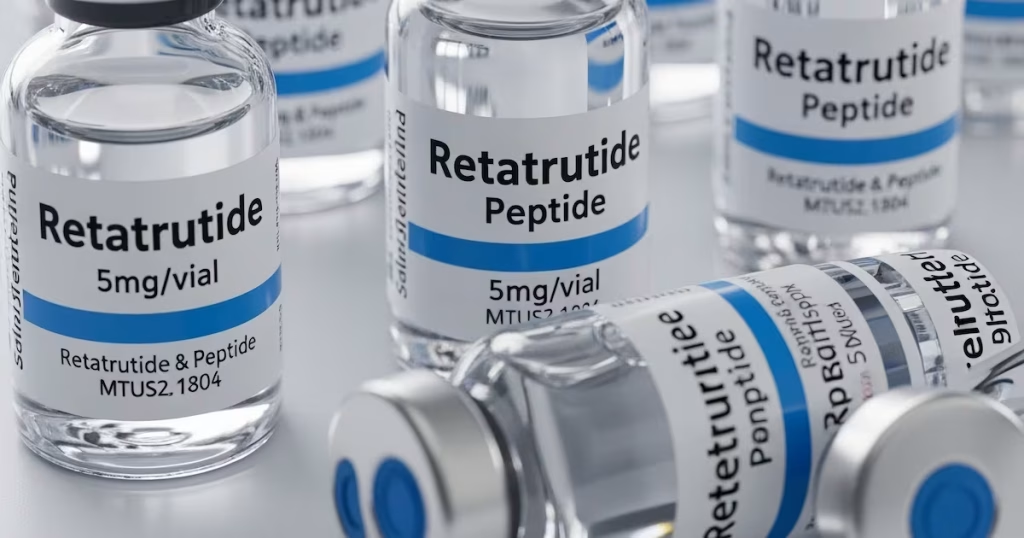
As of early 2026, retatrutide remains in late-stage clinical development and is not yet FDA approved for general use. This implies that folks eager for the drug will have to be patient, and those robust results to date maintain the hype. Truly, retatrutide compares quite favorably to other obesity therapies.
Older drugs like orlistat or even newer GLP-1 agonists like semaglutide and tirzepatide typically demonstrate lower weight loss figures. Semaglutide, for instance, contributed to roughly 15% weight loss in comparable studies. Retatrutide’s average is higher. Its triple action could benefit those who didn’t respond as well to single-pathway drugs.
That greater weight loss may translate to a bigger shift in health markers like blood sugar and cholesterol, though further studies are needed to follow these longer-term impacts. Studies and clinical trials are still being conducted to make retatrutide safer and more effective. Dosing frameworks are being trialed to optimize the trade-off between outcomes and side effects.
Others are investigating whether retatrutide might work well in combination with other therapies like lifestyle modifications or surgery for additional gains. Scientists want to understand for how long people should be on the drug, what happens after they stop, and how to handle any weight regain.
Looking forward, the future of weight loss medications will presumably consist of more multi-hormone drugs like retatrutide. That might translate into superior outcomes for obese individuals and alter how physicians handle weight in the long term. Surgery may continue to be relevant for some, but with such remarkable weight loss figures, more people may try medication first.
For body contouring surgery following weight loss, the key to getting the best results is to wait until body weight is stable for three to six months.
Conclusion
To maintain momentum post-retatrutide, mini daily habits perform best. The body learns new signals when you change food, sleep, and activity. They stick when you pair them with real-life changes. Most people experience skin, mood, and energy transformations, not just scale numbers. Some days are easy, some days are hard, and that’s OK. Research continues, so more answers will follow. For the time being, remaining curious and truthful with yourself can assist you in seeing those early changes. Chat with a health pro if you want to audit your next steps or experiment with new plans. If you’ve got a story or tip, share it and support those who tread this road as well.
Frequently Asked Questions
What changes occur in the body after stopping retatrutide?
Body after retatrutide what comes next Others experience shifts in weight or energy. Frequent monitoring assists in mitigating these effects.
How should treatment be managed after retatrutide?
Always check with your health care provider first. They might recommend new drugs, lifestyle changes, or follow-up tests to promote continued health and weight maintenance.
Is weight regain common after retatrutide?
Weight regain can come if you’re not careful. Post-retatrutide body what’s next.
What lifestyle habits support long-term results?
Balanced meals, exercise, and stress management. These habits sustain benefits post-retatrutide and bolster general health.
Are there side effects after discontinuing retatrutide?
Others may experience shifts in appetite, mood, or digestion. Discuss any concerns with your healthcare provider for appropriate support.
How can I track my progress after retatrutide?
Journal your weight, energy, and mood. Frequent check-ins with your healthcare team can help in monitoring progress and managing any health changes.
What are the future options after retatrutide treatment?
Next options could be other medications, lifestyle support, or personalized care plans. Your doctor can guide you on the best course forward.
