Directions
 Call Us
 Email Us


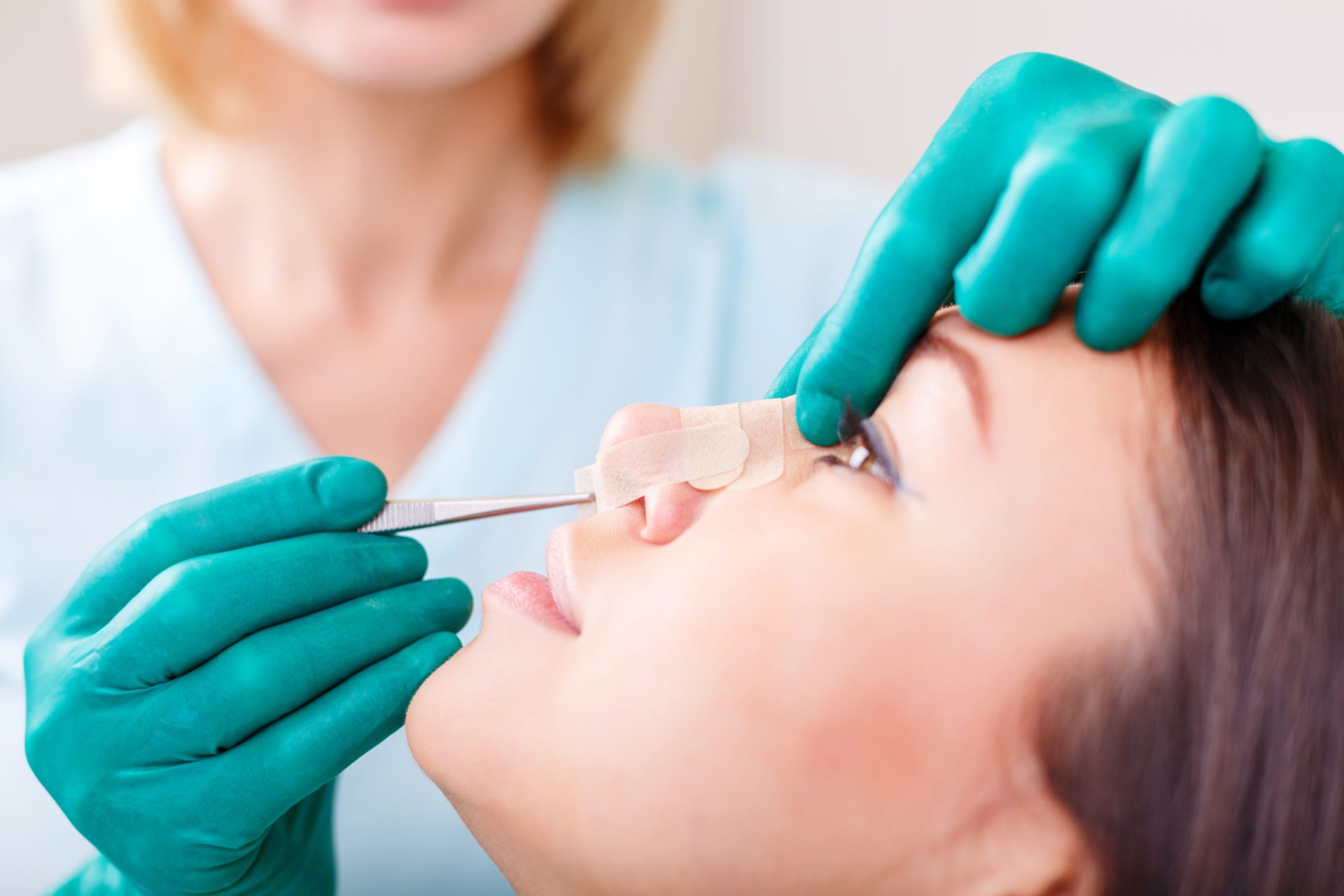
Rhinoplasty, often referred to as a nose job, stands as a pivotal procedure in the realm of cosmetic surgery, aiming to alter the shape or function of the nose. It’s not just about aesthetics; for many, it’s a path towards enhanced breathing and increased self-confidence. Whether due to dissatisfaction with appearance or functional issues stemming from congenital defects or injuries, individuals turn to rhinoplasty for solutions. This surgical intervention requires precision and expertise, highlighting the importance of choosing a skilled surgeon. Understanding its benefits and potential risks is crucial for anyone considering this transformative journey.
Understanding Rhinoplasty Options
Types of Rhinoplasty
Rhinoplasty comes in various forms to meet different needs. Cosmetic rhinoplasty aims to change the nose’s appearance. It can make the nose larger or smaller, change its angle, or alter the tip. Functional rhinoplasty improves breathing issues caused by structural problems in the nose. Lastly, revision rhinoplasty is for correcting previous surgeries that didn’t go as planned.
Each type serves a unique purpose. For example, someone unhappy with their nose’s look might choose cosmetic rhinoplasty. Meanwhile, someone struggling to breathe properly might need functional surgery.
Techniques Used
There are two main techniques: open and closed rhinoplasty. Open rhinoplasty involves making a small cut under the nose bridge to lift the skin off the nasal structures. This method gives surgeons better visibility and access during surgery.
Closed rhinoplasty involves incisions within the nostrils only. It leaves no visible scarring but offers limited access compared to open surgery.
Choosing between these depends on what needs fixing and how complex it is.
Personalized Approach
A successful rhinoplasty relies on a personalized approach. Surgeons consider your anatomy and goals before suggesting options.
-
They look at your nasal structure.
-
They listen to what you want from surgery.
This ensures results that not only look natural but also meet your expectations.
Comparing Surgical and Non-Surgical Rhinoplasty
Permanent Reshaping
Surgical rhinoplasty changes the nose’s structure. It lasts forever. This option suits those seeking major changes or corrections.
Non-surgical options can’t offer this permanence. They are temporary, lasting 6 to 18 months usually. People preferring small adjustments might choose this.
Temporary Adjustments
Non-surgical rhinoplasty uses fillers to adjust the nose’s shape. It’s quick and has minimal downtime. Ideal for minor enhancements without surgery risks.
However, these results fade over time. Repeat treatments are necessary to maintain the look. Some prefer this flexibility over permanent changes.
Decision Factors
Choosing between surgical and non-surgical rhinoplasty depends on several factors:
-
Desired outcome: Major reshaping needs surgery.
-
Commitment level: Surgery is a big commitment with longer recovery.
-
Temporary vs permanent: Consider how long you want the results to last.
Here are examples of decision-making scenarios:
-
A person wanting a slight bump smoothed out may opt for fillers.
-
Someone needing extensive nasal correction might lean towards surgery.
Pros and Cons of Rhinoplasty Options
Surgical Rhinoplasty
Surgical rhinoplasty offers lasting results. It can fix breathing issues and reshape the nose permanently. This option is best for those wanting significant changes.
However, it comes with a longer recovery period. Patients might experience swelling and bruising for weeks. The full benefits take time to appear.
Non-Surgical Rhinoplasty
Non-surgical procedures have minimal downtime. They’re quick, often taking less than an hour. These methods are great for minor adjustments like smoothing out bumps.
But, the effects are temporary. Typically, they last from six months to two years. For long-term results, repeated treatments are necessary.
Cost Comparison
Let’s talk about cost now.
-
Surgical rhinoplasty is more expensive upfront.
-
It includes surgeon’s fees, anesthesia, and facility costs.
-
-
Non-surgical options are less costly per session.
-
But over time, repeated treatments can add up.
-
Choosing between these depends on your budget and desired outcome.
Factors to Consider When Choosing Rhinoplasty
Health Status
Before considering rhinoplasty, evaluate the patient’s health status and medical history. This step is crucial. Patients should be in good health to minimize risks during and after surgery.
Certain conditions can complicate surgery. These include heart disease, diabetes, and high blood pressure. Discussing these with a surgeon is important.
Desired Changes
Understanding what changes you want is key. Some patients seek improvements in their nose appearance. Others might need to correct breathing issues.
List your desired changes before consulting a surgeon. Be clear about what you want from rhinoplasty.
Surgeon’s Expertise
Choosing the right surgeon is critical for success. Look for someone with expertise in specific rhinoplasty techniques that match your needs.
Research their qualifications and experience. Check before-and-after photos of previous surgeries they’ve performed.
Recovery Comparison: Surgical vs. Non-Surgical
Surgical Recovery
Surgical rhinoplasty is an invasive procedure. It requires incisions and reshaping the structure of the nose. Because of this, patients can expect a significant recovery period.
After surgery, bruising and swelling are common. They can last for several weeks. This is part of the body’s natural healing process. Patients must also follow strict activity restrictions to ensure proper healing. For example, they should avoid strenuous exercise and contact sports.
Non-Surgical Recovery
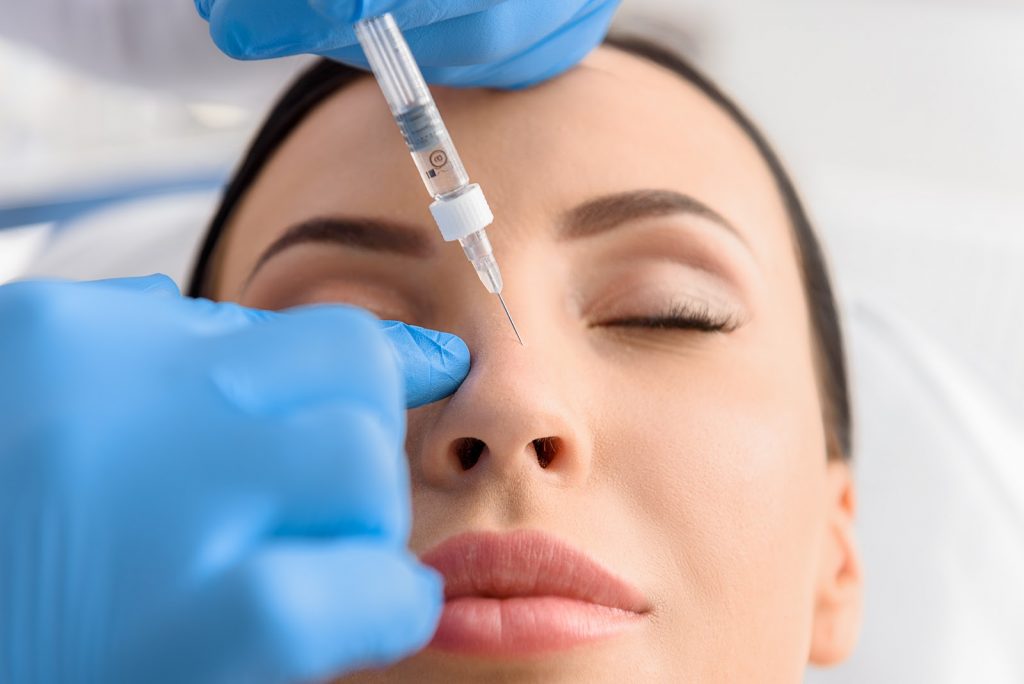
Non-surgical treatments offer a different experience. These procedures typically involve injectable fillers to alter the shape of the nose.
Recovery from non-surgical rhinoplasty is much quicker than surgical options. Patients usually only experience minor redness or swelling. These symptoms often subside within a few days.
Activity restrictions are less stringent for non-surgical patients. Most can return to their normal routines almost immediately after treatment.
In choosing between surgical and non-surgical rhinoplasty, consider recovery time and lifestyle impact:
-
Surgical Rhinoplasty:
-
Weeks of bruising and swelling.
-
Significant activity restrictions.
-
-
Non-Surgical Rhinoplasty:
-
Minor redness or swelling for a short period.
-
Minimal impact on daily activities.
-
Both options have pros and cons related to recovery time, treatments involved, and patient care requirements post-procedure.
Longevity and Maintenance of Results
Permanent Solution
Rhinoplasty offers a permanent solution to aesthetic goals and functional issues. Once healing is complete, the changes are for life. However, it’s important to remember that aging can alter these results over time.
The structure of your nose will remain largely unchanged through the years. Yet, the skin and soft tissues might show signs of aging. This doesn’t mean your rhinoplasty results will vanish but they may evolve subtly with age.
Regular Maintenance
Non-surgical fillers are different. They require regular maintenance sessions to keep up the desired appearance. These sessions can vary in frequency depending on the type of filler used and individual factors.
Most non-surgical options last between six months to two years before needing a refresh. Planning these touch-ups ahead of time helps maintain consistent results.
Lifestyle Impact
Your lifestyle choices play a big role in maintaining post-procedure results. Healthy habits support long-lasting effects whether you choose surgical or non-surgical rhinoplasty.
-
Avoid smoking as it can impair healing.
-
Use sunscreen to protect skin integrity.
-
Maintain a stable weight; significant fluctuations can affect facial structure.
These practices contribute to preserving your new look for as long as possible.
Risks and Safety in Nose Reshaping Procedures
Surgical Risks
Surgical rhinoplasty procedures carry certain risks. Anesthesia complications are one of them. Patients might experience allergic reactions or other serious health issues. It’s vital to discuss these risks with your doctor before the procedure.
Choosing a qualified surgeon is crucial to minimize surgical risks. A skilled professional can ensure safety and reduce the likelihood of complications.
Non-Surgical Concerns
Non-surgical rhinoplasty procedures involve different risks, such as filler migration or infection. These issues can affect the outcome and safety of cosmetic procedures.
To avoid these problems, selecting a qualified practitioner is essential. They should have experience in non-surgical nose reshaping methods.
Latest Innovations in Nose Reshaping Techniques
3D Imaging
Advancements in 3D imaging have revolutionized pre-surgery planning for rhinoplasty. This technology allows surgeons to create detailed models of a patient’s nose. They can simulate the final outcome. Patients now see potential changes before surgery. This reduces uncertainty and improves satisfaction.
The use of 3D imaging enhances communication between doctor and patient. It ensures that both have a clear understanding of the goals and possible outcomes. This precision leads to better-prepared surgeries, reducing risks associated with misunderstanding the desired nose shape.
Non-Surgical Options
Recent years have seen new materials and techniques emerge for non-surgical rhinoplasty options. These methods are less invasive, offering an alternative for those hesitant about surgery.
Examples include injectable fillers that can alter nose shape temporarily without permanent alterations. Such options appeal to individuals looking for minor adjustments or those not ready for surgery. These techniques improve breathing issues or correct bumps with minimal downtime. However, they may not offer permanent solutions like surgical rhinoplasty does.
Patient-Specific Implants
The use of patient-specific implants has become more common in surgical rhinoplasty procedures. Surgeons tailor these implants to fit each individual’s unique anatomy perfectly. This customization leads to more natural-looking results and improved functionality, including better breathing capabilities. Patient-specific implants represent a significant step forward in ensuring that enhancements look natural and meet patients’ specific needs regarding their nose shape.
Closing Thoughts
Navigating the world of rhinoplasty presents individuals with a spectrum of options, each with its own set of benefits and drawbacks. From understanding the basics to delving into the latest innovations, the journey towards choosing the right nose reshaping procedure is complex. It requires careful consideration of factors such as desired outcomes, recovery time, risks, and longevity of results. The advancements in both surgical and non-surgical techniques offer more personalized solutions than ever before, ensuring that one can find a procedure that aligns with their aesthetic goals and lifestyle.
For those contemplating rhinoplasty, it’s crucial to consult with a qualified professional who can provide insight based on individual needs and expectations. This decision not only impacts physical appearance but also confidence and self-perception. Therefore, making an informed choice is paramount. Engage with specialists, seek out detailed consultations, and weigh all options thoroughly to embark on a transformative journey with confidence.
Frequently Asked Questions
What are the main differences between surgical and non-surgical rhinoplasty?
Surgical rhinoplasty involves altering the bone and cartilage structure of the nose, requiring anesthesia and recovery time. Non-surgical rhinoplasty uses injectable fillers for temporary shape adjustments without significant downtime.
What should I consider before choosing a rhinoplasty option?
Consider your goals, medical history, nose structure, potential risks, recovery time, and the longevity of results. Consulting with a certified plastic surgeon can provide personalized advice.
How long does it take to recover from surgical vs. non-surgical rhinoplasty?
Recovery from surgical rhinoplasty typically takes several weeks for initial swelling to subside, while non-surgical options have minimal downtime, often allowing return to daily activities immediately.
Are there any risks associated with nose reshaping procedures?
Yes, both surgical and non-surgical procedures carry risks such as infection, bleeding, or dissatisfaction with aesthetic outcomes. Surgical options may also include risks related to anesthesia.
How long do the results of a rhinoplasty last?
Surgical rhinoplasty offers permanent changes to the nose’s structure. In contrast, non-surgical filler adjustments are temporary and typically last 6 to 18 months before touch-ups are needed.
What are some recent innovations in nose reshaping techniques?
Recent advancements include less invasive surgical techniques for reduced scarring and downtime, improved filler materials for non-surgical options offering more natural results, and computer imaging technology aiding in procedure planning for personalized outcomes.