Directions
 Call Us
 Email Us



Key Takeaways
- Do your prep homework by listing goals, health history, and questions for your consult, so your surgeon can recommend realistic procedures and outcomes.
- Know timelines and results differ greatly. Anticipate swelling and incremental improvement over months and for potential additional treatments for optimal contouring.
- Create your recovery station with supplies, assistance, and a healing ambiance before body contouring to minimize complications.
- Handle expectations around feeling, scarring, and emotional changes with adherence to care directions, monitoring progress, and implementing scar management techniques.
- Get ready, physically and mentally, to optimize your results.
- Just remember to commit to long-term maintenance with exercise, nutrition, follow-ups, and an occasional touch-up to keep results going strong.
How to set expectations before and after body contouring is a series of measures to approach and recuperate with pragmatic objectives. This includes preoperative planning and communicating with your surgical team, typical recovery timelines, and results.
Actionable advice includes tracking photos, measurable milestones, and planning support for the first two weeks. The guide will break down what to anticipate at each phase and how to recalibrate expectations according to your healing.
Setting Expectations
Body contouring encompasses a variety of procedures with varying objectives, dangers, and recuperation characteristics. This portion of the article sets readers’ expectations for what will happen pre and post treatment, so they can make informed decisions and plan realistically.
1. The Consultation
Just bring us a straightforward goal list and photos of what you’d like to transform. Bring a medical history, including medications and prior surgeries, so the surgeon can select appropriate techniques.
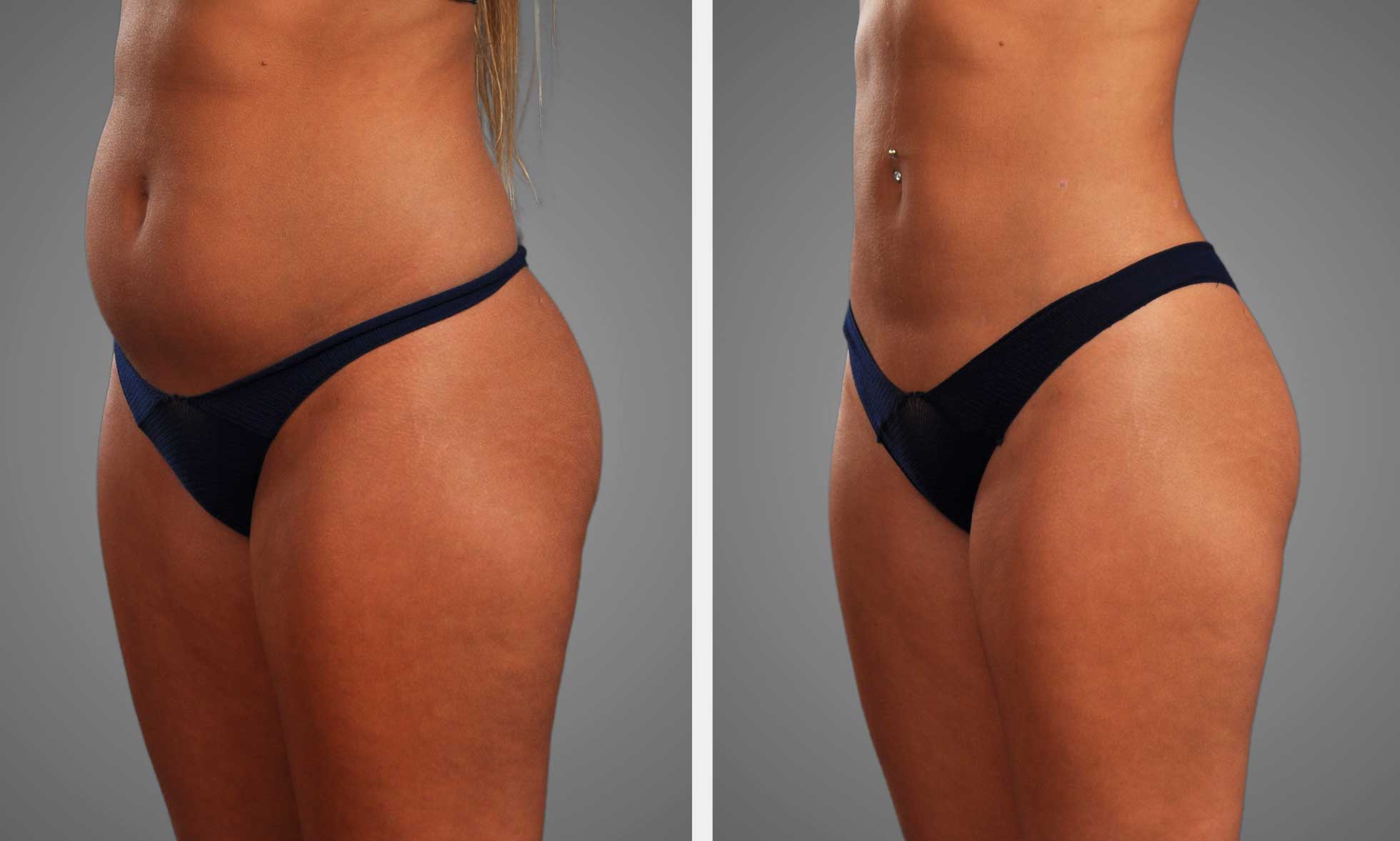
Inquire about results and typical issues with each alternative, such as hemorrhaging, disease, unevenness, or desire for a redo. Ask for patients’ before and after pictures of similar body types and inquire when they were taken to get a realistic sense of timing for results.
Explain pre-op steps like stopping blood thinners and any labs needed.
2. The Outcome
Set realistic goals: some procedures give marked change, others subtle shaping. Invasive alternatives such as liposuction and tummy tuck extract tissue directly and tend to exhibit bigger, quicker transformation.
Noninvasive treatments like cryolipolysis (CoolSculpting) or radiofrequency result in slow fat loss and some slight skin tightening over a period of weeks to months. Certain regions require touch-ups or a second treatment to attain the ideal contour.
The final shape is based on your anatomy, skin laxity, and healing. Anticipate something that will continue to improve and not immediate thinness. It can take a few weeks for results to show because the body needs to clear treated cells, and skin tightening can take a few months.
3. The Timeline
Map recovery: Minor noninvasive treatments often allow same-day activity, while major surgery needs weeks of rest. Swelling and bruising usually peak in the first week or two and then subside over weeks.
Anticipate serious downtime with abdominoplasty or body lifts and arrange work leave and assistance at home. Track milestones: When to shower, resume light activity, and return to exercise vary by procedure and surgeon.
Final contours can require months as swelling subsides and tissues find their place. A three-stage plan can last for months.
4. The Feeling
Anticipate temporary pain, swelling, and bruising from surgery, which subside with time and treatment. Numbness or paraesthesia is common and often resolves over months but can be persistent.
Emotionally, you’ll experience a mix of relief, impatience, or self-consciousness as you adjust. Mentally prepare for an adjustment period as your body and self-image transform.
5. The Scars
Incision sites vary by surgery. Request to view standard scar location. Wound care includes refraining from smoking and protecting scars from the sun to help them heal better.
Apply recommended gels or silicone sheets and massage as instructed. Some scarring is unavoidable with surgery, but most scars fade significantly over time.
Pre-Procedure Focus
Prepping before a body contouring procedure minimizes risk and maximizes results. It helps inform realistic expectations about both the results and recovery. The following sections address physical preparation, mental preparation, and practical home preparation, each with explicit actions and illustrative case studies to inform planning.
Your Body
Try to keep your weight stable for a few months prior to treatment, as dramatic change can shift results. Several energy-based and fat-reduction procedures are most effective when there is a sufficient fat layer present in the treatment area. Talk target thickness with your provider and photo compare baseline.
Quit smoking at least four weeks prior to your procedures, as tobacco impairs tissue healing and increases your risk of complications. Hydrate consistently. A well-hydrated body responds better to heat or cold-based therapies and supports metabolic processes that help clear damaged fat.
Handle chronic illnesses such as diabetes or hypertension. Bring recent labs and validate control with your PCP. Write down all medications, vitamins, and supplements you take. Some, like fish oil or high-dose herbs, can be blood thinners.
Stay away from NSAIDs when recommended, as they can diminish the inflammatory response required for treatments like CoolSculpting. Anticipate potential post-procedure numbness or tingling and schedule light activity afterwards to promote circulation.
Your Mind
Manage your expectations. Talk to your practitioner about probable results and time frames, and request samples of before-and-afters from similar patients. Think about getting better, not about being perfect.
Utilize stress-busting tools like a few minutes of deep breathing exercises, a light walk, or meditation in the weeks before surgery to maintain a manageable level of anxiety. Determine who will offer emotional support and practical assistance.
Designate a single person to organize follow-up visits and a single person to check in on you during the initial 48 to 72 hours. Understand responsibilities: adherence to post-procedure care, wearing compression garments, attending follow-up visits, and allowing time off work.
Don’t plan important events right after treatment because swelling and bruising can persist for days to weeks.
Your Space
Set up a recovery zone near a bathroom with convenient entry to water and snacks. Include compression sleeves, wound care supplies, medications, and pillows. Arrange frequently used items within arm’s reach to reduce stooping or lifting.
Organize assistance with household tasks and child or pet care for at least the first week after invasive treatments. Create a restful space with dim light, warm blankets, and open space for short ambulations to get the blood pumping.
Photograph treatment areas before the procedure for clear before and after comparison, and maintain gentle skincare. Avoid waxing, laser hair removal, or electrolysis in treated zones until cleared.
Post-Procedure Journey
Post-procedure journey Adhere to care instructions closely to reduce the risk of complications and assist tissue healing. Document with pictures or a minimalist diary. Be religious at every follow-up and anticipate slow transformation as edema subsides over weeks to months.
The First Week
Rest is the mission. Minimize activity and no lifting. Even light walking gets the blood flowing, but keep it light. There will be pain and tightness the first days. Take the indicated pain medications and apply cold packs to reduce swelling and bruising.
Wear your compression garments day and night unless otherwise instructed. They reduce fluid retention and assist the tissue in setting to new contours. Inspect incision sites twice a day for significant redness, spreading warmth, a foul odor, or fever. These may indicate infection and must be addressed quickly.
The First Month
Gradually introduce gentle activities as you feel capable, typically around the two-week mark, but avoid any high-impact exercise for a minimum of six weeks. Still on compression wear and wound-care steps, stitch lines tend to require regular cleaning and ointment until closed.
Record a photo log weekly. This demonstrates small victories that can be missed from day to day. Adjust food and drink. Lean proteins, vitamins, and steady fluids help tissue repair and reduce swelling. Anticipate bruising and some discoloration to remain for a few weeks.
Scars will remain but typically fade with months. Most patients experience consistent progress at the 12-week mark.
The Final Result
Post-procedure journey, with final outcomes taking months to surface. Swelling can camouflage contours for quite some time, and definitive form might not appear until three months or more. Examine baseline photos against recent ones to estimate change rather than depending on memory.
Mini asymmetries or lingering puffiness are par for the course and typically subside with time or light touch-ups. If a scar or contour issue persists beyond the anticipated healing window, talk options with your surgeon.
Remember to celebrate the step forward and establish sensible maintenance goals. Regular exercise, maintained weight, and skin care all assist in maintaining results. Resume exercising at 100% only once your clinician gives you the green light. Hurrying can set back healing.
Emotional Readiness
Emotional readiness implies the mental and emotional groundwork required before and after body contouring. It encompasses knowing what the recovery time looks like, what to anticipate, and how to manage the emotions that come with your body’s transformation.
This readiness is most important following significant weight loss where the brain and identity can take months to catch up to a new form.
Body Dysmorphia
- I view my body as a masterpiece in the making, not a defect to correct.
- I am not defined by a scale.
- I acknowledge my efforts and show myself kindness daily.
- My body deserves care and rest during recovery.
- I select habits that support my health and peace of mind.
Identify habits of severe self-judgment. Do you obsessively rehash perceived imperfections or skip social occasions due to how you look? Those actions indicate underlying body image problems that surgery by itself won’t solve.
Be truthful about the frequency of negative cognitions and their intrusiveness in daily life. Surgical changes won’t necessarily eliminate lingering dissatisfaction. If worry or mirror-checking persists post-surgery, professional support comes to the rescue.
A therapist can distinguish between realistic plans and unrealistic ideals. This avoids cyclical processes motivated by emotional hunger. Recite the above affirmations each morning or when negative thoughts arise.
Brief remarks reconstruct a gentler internal talk and provide solid substitutes for guilt. Apply them in journaling or during mini mindfulness pauses to help the change take hold.
Social Reactions
Anticipate different reactions from friends, family, and coworkers. Some will applaud the transformation, some will interrogate and get too personal, and some will respond with bewilderment or envy.
Plan ahead what you will say and how much you want to disclose. Determine whether you’ll announce the process, keep it quiet, or inform just close acquaintances.
Practice short, calm replies for common questions: recovery time, reasons for choosing surgery, or whether you’d do it again. Plain lines cut social tension. Organize a support circle of people who support your decisions.
List a couple of people you can call on your bad days. Their consistent support counts more than viral popularity.
Self-Image Shift
You might observe a gradual shift in your self-perception. Confidence can surge ahead while other aspects of your identity remain in the doldrums. Anticipate tweaks over months.
The brain requires a lot of time, usually six to twelve months, to embrace the new body after significant weight loss. Embrace small victories and the determination it took to get here.
Take pictures, maintain a brief journal, and record emotions as they shift. Keep tabs on physical recovery and emotional fluctuations to witness your advancement.
Remain conscious of media ideals that establish unrealistic targets. Use real-world yardsticks such as comfort in clothes, ease of movement, and daily energy, not edited photos.
Take care of yourself through yoga, meditation, and steady sleep to bolster your resilience in the healing process.
Beyond The Mirror
Body contouring impacts beyond form. It can transform days, identity, and decisions. The next sections break down how to manage expectations and build lasting benefits in three areas: lifestyle, confidence, and motivation. It provides practical steps, common pitfalls, and examples to help you prepare and adapt.
The Lifestyle
Work out and eat right so you can maintain results, not experience weight shifts that alter contours. Try to achieve a balance of cardiovascular and strength training three to five times per week. For instance, combine two days of resistance work with three days of brisk walking or cycling. This keeps muscle tone and metabolism active.
Hydration matters; drinking enough water supports lymphatic flow and helps clear fat-cell debris during recovery.
Checklist to track progress:
- Baseline measures: weight, circumferences, photos taken monthly.
- Nutrition goals include protein targets in grams per kilogram of body weight, daily fiber intake, and limits on added sugars.
- Exercise log: type, duration, intensity. Adapt every four to six weeks.
- Recovery markers: swelling, range of motion, pain levels. Jot down changes and ask your surgeon if it is necessary.
Integrate simple routines: plan meals on weekends, schedule active hobbies like swimming or dance, and set phone reminders for walks. Check your progress and tweak habits by reviewing the checklist monthly and then quarterly. It renders slow progress tangible and prevents minor reversals from feeling demoralizing.
The Confidence
Leverage your new-found style to cultivate confidence professionally and socially, and plan for a transition. Around 90 percent of patients say they feel more confident, and a few become obsessive about imagined flaws. Set new personal or fitness goals that aren’t based purely on aesthetics.
Master a sport, enroll in a community class, and hit a professional benchmark. Try brief, targeted positive self-talk each morning to solidify achievement. Trite little phrases beat a long script.
Spread your tale sparingly. Chatting with trusted friends or support groups can help normalize feelings and disseminate body-positive messages. Know that the culture of beauty may have been steering your selection, a reality check that keeps expectations grounded and not in pursuit of a fantasy.
Understand that issues such as scarring can cause psychological trauma and get counseling if the self-image suffers.
The Motivation
Let the surgery journey inspire your health regimen. Celebrate milestones: first non-tight garment, first full gym session, or a measurable fitness target. Think back to what recovery hurdles you cleared. This can energize future ambitions and grit.
Maintain a reasons list: health, confidence, functional needs, to revisit when you hit a plateau.
Know the mental-health impact. About 30% experience significant decreases in depression following contouring and significant numbers report improved day-to-day happiness and quality of life.
Still, psychological prep is key and often overlooked. Consult a mental-health expert pre- and post-surgery to temper expectations and monitor for body image obsession.
Sustaining Results
Body contouring delivers dramatic visible change. Those changes require support to endure. Adhere to post-op care and stay on top of your follow-ups to safeguard your investment and detect any problems early. Go to recommended check-ups in case your team needs to track healing, remove dressings or stitches timely and recommend scar care.
If a surgeon prescribes compression garments, wear them. They assist in swelling reduction and tissue shaping as the skin readjusts. Anticipate the skin continuing to constrict for months. The complete contouring may not be evident up to six months out.
Maintain results by stabilizing habits, not by quick fixes. These small, frequent changes in your everyday habits generate the most lasting results. Target around 150 minutes of moderate aerobic activity like brisk walking, cycling or swimming a week, along with two or more sessions of muscle-strength training.

Combine targeted exercises for treated areas with general activity. For example, pair core-strength moves after a 30-minute walk most days to support abdominal contouring. Consistency matters. People who keep a steady regimen see results maintained far longer than those who cycle through intense bursts of exercise followed by inactivity.
Mindful eating sustains shape in the long run. Concentrate on clean eats, including lean protein, whole grains, healthy fats, and an abundance of vegetables. Monitor portion sizes and remember calorie-dense foods that will eat away at your contouring gains over time.
Weight fluctuations, even small ones, can impact the results of surgery. Maintain your weight within a few percentage points of your post-procedure weight. If necessary, see a dietitian to establish achievable goals that align with your lifestyle and the cuisine of your culture.
Maintenance and realistic timelines are crucial. Results can keep improving for weeks to months. Many experience significant change in a matter of weeks, while the full effect can take as long as six months. Others opt for nonsurgical touch-ups, such as radiofrequency skin tightening, coolsculpting sessions, or small liposuction revisions months or years down the road to finesse contours.
Talk about expected longevity and the possibility for minor touch-ups during your pre-op planning so you have a solid path. Take care of yourself, both physically and emotionally, as you heal. Sleep, stress management, and quitting smoking all have an impact on healing and tissue quality.
Maintain results with mild skin care and sun protection to keep skin tone and scars even. Regular check-ins with your care team, along with small, steady habits in exercise and eating, will help you enjoy lasting satisfaction with body sculpting results.
Conclusion
Body contouring is most effective when paired with sharp objectives, consistent scheduling, and candid discussion with your doctor. Understand what to expect in terms of change, timeframe for swelling and healing, and the simple habits that maintain results, like balanced nutrition and consistent activity. Anticipate emotional and body image roller coasters. Leverage small wins, such as the fit of clothes, energy spike, and scar fade, to monitor progress. Rely on your support system, whether it is friends, support groups, or a therapist, for the difficult days. Choose a provider who shares pictures, describes risks in simple language, and checks up on you beyond the initial appointment. Genuine transformation cannot be rushed. If you want a checklist or short prep plan tailored to your goals, ask your clinic or submit your questions here.
Frequently Asked Questions
What should I expect in my first consultation for body contouring?
Anticipate a medical overview, goals conversation, photos, measurements, and realistic result boundaries. The surgeon will walk you through risks, recovery time, and costs. Bring your medical history and any questions.
How should I prepare in the weeks before a body contouring procedure?
If you smoke, quit. Optimize your nutrition, discuss your medications with your surgeon, and line up help for recovery. Adhere to pre-op instructions such as bathing and fasting. Preparation minimizes complications and accelerates healing.
What is normal during the first two weeks after the procedure?
Anticipate swelling, bruising, numbness, and mild to moderate pain. Rest, wear compression garments, and perform wound care. Symptoms ease over time. Reach your surgeon for intense pain or signs of infection.
When will I see final results from body contouring?
You will note the first changes within weeks. However, final results may take three to twelve months as swelling abates and tissues settle. Patience and post-op care make a difference.
How do I manage emotional ups and downs after surgery?
Mood swings are prevalent. Rest, social support, and talk through expectations with your surgeon pre-surgery. Seek professional counseling if you experience lingering anxiety or body image issues.
How long do results typically last, and what helps sustain them?
Results can be durable with a stable weight, healthy eating, consistent exercise, and sun protection of scars. Major weight fluctuations or pregnancy can change results.
When should I contact my surgeon after the procedure?
Call your surgeon for heavy bleeding, a temperature over 38C, increasing pain, significant swelling, pungent drainage, or any acute concerning symptoms. Early reporting saves complications.