Directions
 Call Us
 Email Us



Key Takeaways
- Vaser and laser liposuction both employ different energy sources to dislodge and suction fat cells and are minimally invasive compared to regular liposuction. Weigh how each technology fits your objectives prior to making a decision.
- Pick vaser for dense or fibrous fat and larger areas when you want highly defined sculpting and quick recovery. Opt for laser on small, delicate areas where skin tightening and subtle contouring are most important.
- Evaluate factors such as skin quality, treatment area, fat type, desired outcome, and recovery speed in order to align the technique with your body and goals. Make a straightforward comparison of your goals versus the advantages of the technique.
- Take the same precautions and aftercare because both require small incisions and care after surgery. Vaser tends to hurt less and has a quicker return to normal activities, while laser requires monitoring for burns.
- When it comes to safety, choose a surgeon who is highly experienced, does both techniques, verifies credentials, and provides personalized planning and before-and-after examples.
- Make a practical decision by incorporating total cost, downtime, and risk tolerance. Map treatment areas alongside a recovery timeline to prepare for the procedure and healing.
Choosing between VASER and laser liposuction depends on your goals, body type, and recovery needs.
VASER uses ultrasound to loosen fat and commonly assists with smoother contouring. Laser liposuction melts fat with heat and can tighten skin more.
Take into account procedure time, type of anesthesia, downtime, and risk of burns or bruising. Ask your surgeon for an evaluation and comparisons specific to your body and goals.
Core Technologies
VASER and laser liposuction are energy-assisted forms of liposuction, though they use different physical forces to disrupt fat prior to extraction. All approaches are designed to minimize invasiveness relative to traditional suction-assisted liposuction, accelerate recovery and optimize contouring.
Technology matters for both fat removal and skin response. Ultrasound or light energy can help preserve nearby tissue, increase precision in sculpting, and in many cases improve skin tightening compared with older techniques. Traditional surgeries require between one and three hours according to treated areas and fat volume, and recovery can still extend from days to weeks instead of months.
Ultrasound Energy
VASER liposuction employs ultrasound waves to liquify fat cells before extracting the loosened fat with a small cannula. The process has two core steps: emulsification and ultrasound cavitation, which break fat into a semi-liquid state for easier suction.
Ultrasound energy assists in dealing with fibrous or tough fat pockets, like the male chest or back rolls of fat, where mechanical suction alone can have difficulty. Since the ultrasound is tuned to impact fat more than other tissue, surgeons can operate with more precision and spare blood vessels and connective tissue.
That decreased trauma frequently results in less bruising and a less bumpy recovery. The VASER probe vibrates at ultrasonic frequencies, increasing microcavitation and allowing body sculpting to become more precise. Patients often experience better contouring of the flanks or inner thighs.
VASER is considered by many clinicians to be safer overall, as the tools provide the surgeon additional tactile control throughout fat removal.
Light Energy
Laser liposuction, sometimes referred to as SmartLipo or laser lipolysis, applies focused heat from laser fibers to the fat cells to liquefy them prior to suction. The thin laser fiber is inserted through a tiny incision.
The heat bursts fat cell membranes and that material is suctioned away. The thermal effect encourages collagen remodeling which can result in an improvement of skin elasticity and tightening over treated areas, making laser lipo helpful in small, focal areas like the neck or underchins where skin quality is important.
SmartLipo systems are ideal for fine sculpting and not high-volume extraction. Heat is effective but carries trade-offs. Thermal injury can cause burns, dimpling, numbness, or infection if not carefully controlled.
Surgeons need to be careful about temperature and depth to prevent internal punctures or skin surface trauma. Both methods have advanced and demonstrate robust safety profiles in the hands of experienced physicians, but laser lipo demands a greater degree of vigilance regarding heat control.
The Deciding Factors
Which is right for you – Vaser or laser liposuction, boils down to a few key deciding factors that are often interrelated. Here’s a meat-and-potatoes focused breakdown of the key factors you should consider.
It’s not always possible, so try to make decisions simple by creating a quick comparison table with your goals down the left column and technique benefits across the top.
1. Fat Type
Identify if fat deposits are dense, fibrous, or soft prior to selecting a technique. Fibrous fat, such as that found in male chests or previously scarred regions, is more responsive to Vaser since ultrasound disrupts such hard-to-digest tissue more easily.
Soft, small pockets of fat, like under the chin or small flanks, are often a good candidate for laser liposuction, which aims at finer areas with heat. Here’s a quick list of your trouble spots and whether you label them as fibrous, dense, or soft.
Pair Vaser for hard fare and laser for soft pockets. Vaser allows you to extract greater volumes and can harvest live fat cells for transfers, great if you have a fat graft planned at the same time, such as a BBL.
Laser lipo serves well when accuracy and small-volume removal are most important. Its effectiveness is surgeon-dependent. Bad technique increases the risk of burns.
2. Treatment Area
Know which body areas you desire treated—abdomen, thighs, arms, chin, back—and match them to each technique’s strengths. Vaser is convenient for multiple and large areas in one session, a smart option when you’re interested in addressing the tummy and thighs simultaneously.
Average Vaser cases last 2 to 3 hours. Laser liposuction is perfect for contouring small, hard-to-target areas that are visible and require definition, with treatments typically lasting 1 to 2 hours.
For combination plans, keep in mind that cost and time increase with treated area. Vaser spans from $2,000 to $8,000, whereas laser averages $5,000 based on extent and surgeon name.
3. Skin Quality
Check skin turgor with a pinch test and photograph. Laser’s heat induces collagen and can enhance skin recoil in moderate laxity with increased risk of focused burns.
Vaser additionally encourages tightening as a result of evenly distributed ultrasound energy and usually provides more dependable retraction in patients with quality baseline skin. Use a checklist: elasticity, cellulite, scar presence, and age to guide the choice.
4. Desired Outcome
Determine if you desire volume reduction, high definition sculpting, or smoother contours. Vaser is great for hi-def liposculpture and athletic aesthetics.
Laser provides more even skin and elegant slimming shadows. Match your objectives to the methods’ documented results before scheduling.
5. Recovery Pace
Compare recovery expectations: Vaser may produce moderate bruising and swelling with slightly longer downtime. Laser may have little immediate swelling but prolonged bruising if heat injury happens.
Imagine milestones — day 1, week 1, week 4 — for return to work and activities.
Procedure & Recovery
Both VASER and laser liposuction start with similar planning and preparation: the surgeon marks treatment areas, reviews health history, and explains risks and costs. Procedures vary from about 2,000 to 8,000 in consistent currency.
As for the day, the skin is cleansed and a tumescent saline solution is injected into the areas of concern. That cocktail anesthetizes the area, minimizes bleeding, and makes fat cells swell for easier treatment. From there, the methods differ depending on the energy source used to disrupt fat.
The Process
VASER lipo utilizes an ultrasonic device and a slender probe known as a VASER probe to administer high-frequency sound waves into the fat layer. First, the surgeon injects the tumescent saline, then threads in the probe through tiny 2 to 4 millimeter incisions.
Ultrasonic energy emulsifies fat by shattering it into droplets and loosening tissue. Emulsification and ultrasound are the two core steps: emulsify with the probe, then suction out the liquefied fat using a cannula. Incisions are small, sutures are minimal or not required, and dressings or compression garments are placed.
In laser liposuction, a laser fiber is inserted through a small incision to liquefy fat. The tumescent solution goes in first, then a thin laser fiber is inserted into the fat plane.
Laser energy melts fat so that it is either suctioned out or reabsorbed in certain techniques. Both utilize precise micro-incisions and advanced contouring technology. The typical sequence is to mark areas, inject saline, deliver energy using ultrasound or laser, suction the fat, then close and dress incisions.
Anesthesia is local with sedation or general based on volume and patient requirements.
The Aftermath
You should anticipate swelling, bruising, and slight discomfort from both. Tightness, numbness, and some fluid drainage should be expected for a day or two immediately post-op.
VASER lipo often results in less pain and a faster recovery to light activity. Most patients return to all normal light tasks within a few days. Recovery that used to take months can now often compress down to days or weeks with newer instruments, but most surgeons recommend holding off on heavy exercise for as long as a month.
Laser lipo can result in transient skin sensitivity and has unique risks including thermal injury or minor burns, dimpling, infection, numbness, and rare internal perforations.
Track healing by checking incisions for increasing redness, heavy drainage, or fever. Contour changes can be monitored over weeks, but the best results tend to show up after a few months when any residual swelling dissipates.
Follow aftercare closely by wearing compression garments, attending follow-up visits, and reporting any worrying signs promptly.
Risks & Safety
In addition to the risks inherent in surgical body-contouring procedures, both VASER and laser liposuction pose additional risks. Infection, scarring, a reaction to anesthesia, asymmetry, and prolonged swelling are possible complications. Nerve changes, including numbness or tingling, may occur.
Pain and swelling are usual in the initial weeks and generally subside in a few weeks, though extended swelling or numbness should trigger follow-up. Patients with underlying conditions such as diabetes or heart disease carry a higher risk during and after surgery and require careful preoperative evaluation and medical clearance.
Common and procedure-specific complications
Infection and scarring: Any incision can get infected or heal with visible scars. Adhering to wound-care measures and maintaining follow-up visits minimizes these risks. Serious complications from anesthesia are uncommon, but they do occur. Be sure to inform your anesthetist about any past reactions and medications.
Bleeding and uneven contours: Bleeding under the skin can lead to lumps or contour irregularities. Gentle massage and compression garments assist, but revision work is sometimes necessary. Select a surgeon who knows his or her body mapping and fat removal patterns to reduce risks of irregular results.
Nerve effects and sensory changes: Some patients report numbness or pins-and-needles in the treated area. These changes tend to be transient and improve over a matter of weeks. Ongoing sensory loss after a few months is rare but can occur.
Specific to VASER liposuction: VASER uses ultrasonic waves to break up fat while aiming to preserve connective tissue, blood vessels, and nerves. This selective targeting has a tendency to minimize bruising and bleeding and possibly reduce risks of contour deformities. Since adjacent tissue is less disturbed, recovery may be easier for most patients.
Still, VASER is not without risk. Infection, swelling, and the rest of the usual suspects are still on the table.
Specific to laser liposuction: Laser devices deliver concentrated heat to melt fat and tighten skin. That heat escalates the potential for thermal injury. Laser liposuction carries a higher risk of third degree burns if the device is misused or settings are off.
Burns cause damage that goes deeper and takes longer to heal, occasionally necessitating additional care. Skin irregularities and pigmentation changes are more common with bad heat regulation.
How to reduce risk and improve safety
Pick a qualified, board-certified surgeon who has specific experience with your chosen technique and look at before and after photos from similar cases. Make sure you get a full medical workup, including review of chronic illnesses such as diabetes and heart disease.
Follow pre-op and post-op instructions precisely: take prescribed antibiotics when given, use compression garments as directed, avoid smoking, and attend all follow-ups. Inquire about settings, temperature, and intraoperative monitoring for laser cases. Proper post-operative care reduces the chance of complications and keeps your recovery on track.
Cost Considerations
VASER and laser liposuction costs differ greatly depending on the clinic location, surgeon’s experience, procedure extent, and additional fees. Cities and premium markets are more expensive. A board-certified surgeon with years of experience and a strong track record will almost always charge a premium to a less-experienced provider in a lower-cost area.
That’s why two clinics offering the same named procedure can charge very different prices for the same treatment area.
Compare average costs and factors
Average and per-acre costs vary by method. VASER lipo can easily run you upwards of $7,000 for larger, multi-area cases and per area ranges typically hover between $2,500 and $4,000. Laser liposuction typically comes in on the lower per area, about $1,500 to $2,500, but still frequently costs more than a traditional suction-only approach.
Traditional liposuction, on the other hand, averages about $3,000 to $6,000 per session, making it the cheaper standard in most cases. Treating the abdomen and flanks with VASER at a specialty clinic in a major city could exceed $8,000. The same areas with laser liposuction might be $5,000 to $6,000 depending on the device and surgeon.

Procedure type, treatment area, sessions
Bigger treatment areas increase costs due to longer operative time and more materials. It’s less expensive to treat one small area, like submental fat, than the abdomen and thighs. Certain patients require staged sessions as opposed to one long session, which drives up spend.
For instance, two sessions to target the lower abdomen and inner thighs doubles fees such as anesthesia and facility time.
Additional and hidden costs
Quoted procedure fees usually do not include anesthesia or facility fees or post-operative supplies. Anesthesia can add a few hundred to a few thousand dollars depending on general versus local with sedation. Facility fees include operating room time and staff.
Post-op costs include compression garments, prescription pain medication, follow-up visits, drains if necessary, and potential lymphatic drainage sessions. Be sure to account for unexpected costs like revision work, complication treatment, or adjunctive procedures such as skin tightening. Financing and payment plans vary; some clinics bundle while others itemize.
Practical budgeting table
| Procedure / Cost Element | Typical per-area (USD) | Notes |
|---|---|---|
| Laser liposuction | $1,500–$2,500 | Per area; higher for specialist clinics |
| VASER liposuction | $2,500–$4,000 | Per area; multi-area cases can be >$7,000 |
| Traditional liposuction | $3,000–$6,000 | Per session; can be most cost-effective overall |
| Anesthesia & facility | $500–$3,000+ | Depends on sedation type and OR time |
| Post-op supplies & care | $100–$1,000+ | Garments, meds, drains, lymphatic therapy |
The Surgeon’s Role
Surgeon choice shapes nearly every part of the liposuction journey, from safety to final look. The surgeon’s skill with either VASER or laser liposuction matters more than the name of the device. A clinician who knows the device well will handle tissue in a way that fits your goals and body type. That includes judging skin quality, elasticity, and BMI to decide if you are a good candidate and which method will give the best and safest outcome.
Surgeon skill influences complication and aesthetic outcomes. As seasoned surgeons, we have steady hands and a clear plan for how many centimeters of fat need to be removed and where, and how to sculpt and preserve smooth contours. They expect unevenness, dimpling or over-resection and adjust technique to prevent these issues.
They know how different tools affect tissue: VASER uses ultrasound to loosen fat before suction, which can be gentler on surrounding tissue, while laser liposuction uses heat to melt fat and may tighten skin. A good surgeon chooses the approach that suits your anatomy and objectives, not the one that is popular.
Tailored treatment planning is good care. Pre-procedure, a detailed consult should chart the target zones, demonstrate realistic before-and-afters, and cover recovery steps. Surgeons usually utilize local anesthesia to numb the location, which decreases risk in comparison to general anesthesia in many situations.
They will outline the anticipated post-op course, including pain management, which usually involves brief courses of painkillers, and recommendations to take it easy for a few days. Compression garments, activity restrictions, and follow-up appointments are prescribed to aid healing and maximize results.
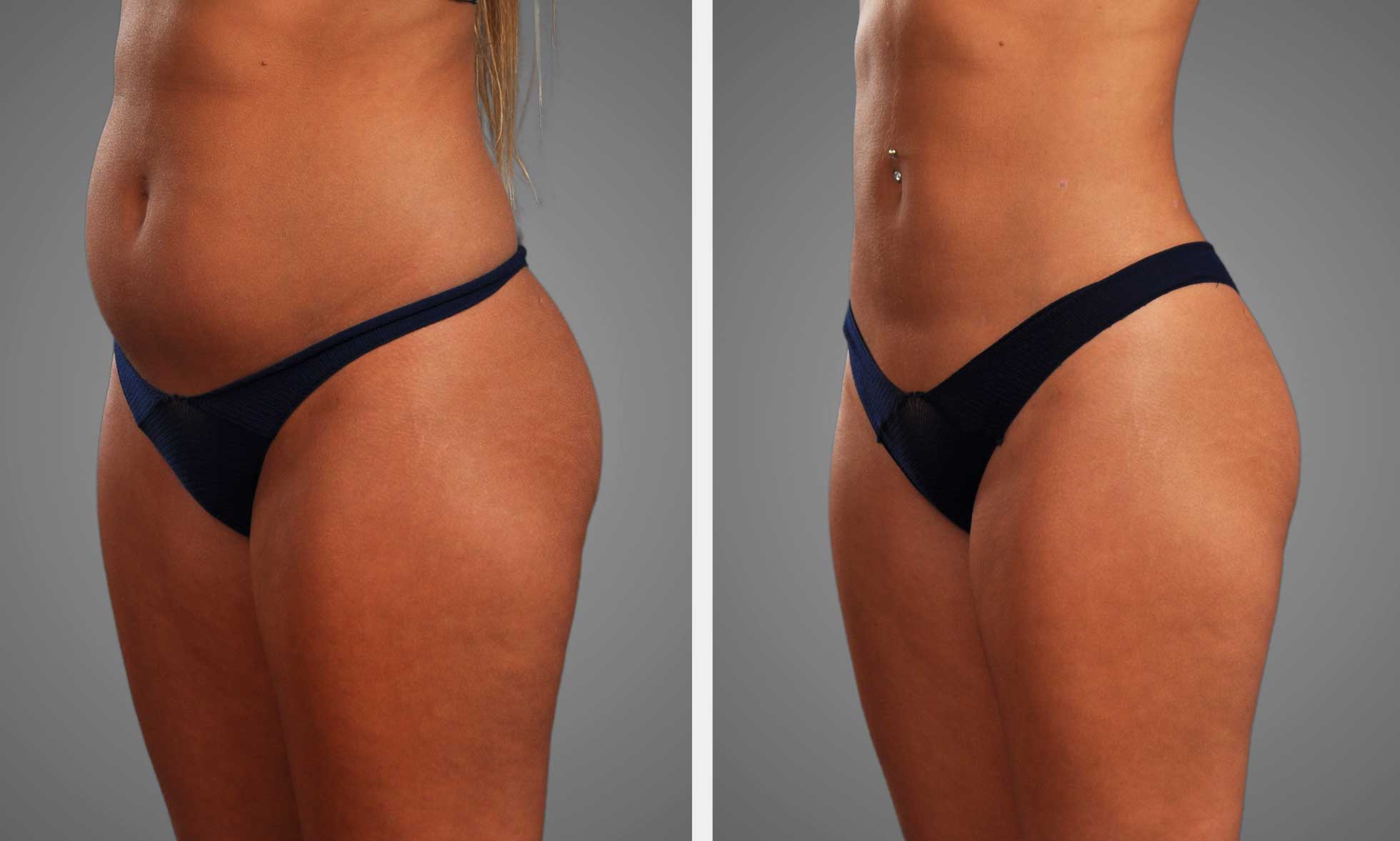
Check credentials and look at before-and-afters concentrating on your technique. Seek repeatability among patients of like body habitus. Inquire about complication management and specific cases they’ve addressed. For example, a surgeon’s experience in handling rare but serious events such as thermal injury or third-degree burns from energy-based devices is an important safety consideration.
Learn how they watch tissue temperature and how they treat burns if they do occur. The surgeon’s role includes aftercare and long-term follow-up. The best surgeons provide explicit, documented aftercare instructions, schedule timely check-ins, and are accessible should problems arise.
Their tissue-handling decisions, pain strategy, and aftercare combined dictate healing velocity and ultimate scar aesthetics.
Conclusion
The decision between VASER or laser liposuction comes down to straightforward realities. VASER utilizes ultrasound to loosen fat and maintain tissue softness. Laser liposuction liquefies fat with heat and can tighten skin more. Cost, target area, skin quality, and recovery time determine the best choice. A skilled surgeon who walks you through before and after results and risks is what counts. Anticipate a consult that examines your health, ultrasounds the area, and establishes a sensible plan. In small, fibrous areas, VASER can do a great job. For mild skin laxity, laser can assist. Schedule a consultation with a board-certified surgeon. Inquire into their experience, downtime, and precise costs before making a decision.
Frequently Asked Questions
What is the main difference between VASER and laser liposuction?
VASER uses ultrasound energy to break fat cells. In laser liposuction, laser energy is used to melt fat. Both aid manual suction but vary in tissue impact, skin tightening and heat diffusion.
Which method gives better skin tightening?
VASER can produce a modest amount of skin tightening through ultrasound and tissue disruption. Laser can enhance tightening by heating the dermis. Outcomes differ depending on the tool, body part and skin laxity.
Which option has a faster recovery?
It all depends on the extent of your treatment. Vaser may bruise more but can mobilize sooner. Laser tends to cause less initial swelling. Personal healing and surgeon technique are more important than the device.
Which technique is safer for fibrous or previously treated areas?
VASER’s ultrasound assist breaks up fibrous tissue and scar bands. This can facilitate fat extraction in treated or fibrotic regions. Discuss previous surgeries and scars with your surgeon.
How do risks and side effects compare?
Both carry common risks: swelling, bruising, numbness, uneven contours, and infection. Laser adds thermal burn risk if misapplied. VASER can cause temporary nerve irritation. Seasoned surgeons mitigate dangers.
How should cost influence my decision?
Costs fluctuate depending on clinic, device, treated area, and surgeon expertise. Don’t decide solely on price. Don’t get distracted by low fees. Focus on surgeon experience, safety, and proven results.
How do I choose the right surgeon and clinic?
Choose a board-certified plastic surgeon with experience in your chosen technology. Request before and after photos, patient references, complication rates, and specific pre/post care plans. A consultation should clear up your questions and establish realistic expectations.