Directions
 Call Us
 Email Us



Key Takeaways
- Liposuction eliminates fat cells for good, but you still need to eat well and exercise to sustain results.
- The body gets rid of removed fat as medical waste through controlled methods, underscoring responsible medical waste disposal.
- Swelling, bruising and discomfort is typical immediately post-liposuction. Adhering to post-operative care guides aids in recovery and excellent results.
- Weight gain after liposuction can cause fat to redistribute to untreated regions, so maintaining a stable weight is important for keeping an even contour.
- Liposuction can have metabolic advantages, but outcomes are optimized with regular exercise and nutritional awareness.
- Psychological changes, such as adjustments in body image and confidence, are prevalent. Prioritizing you and seeking mental health support can help guarantee a positive recovery experience.
The fat that’s sucked out after liposuction is gone forever. During liposuction, the fat cells are suctioned with a thin tube and stored in a medical container. More often than not, this fat is discarded as medical waste, although sometimes doctors will clean and re-purpose it for fat transfer to other areas of the body. You do not get new fat cells in a treated area, but fat cell size will still fluctuate elsewhere with weight gain. Liposuction doesn’t alter how the body metabolizes calories or prevent new weight gain. The following sections detail what occurs step by step and what to expect after.
The Immediate Aftermath
The immediate aftermath of liposuction—the hours and days following the procedure—are characterized by both obvious physical shifts and an organized healing rhythm. Patients most often experience swelling, bruising and tenderness in the affected areas. Most can exit the facility within a few hours, though the healing process requires more time. Compression is a given, and light activity is encouraged to promote circulation. Below is a table outlining the immediate physical changes post-liposuction:
| Physical Change | Timeline | Notes |
|---|---|---|
| Swelling | Peaks day 1–7 | Improves after first week |
| Bruising | Peaks day 1–7 | Fades by end of week one |
| Discomfort/Tenderness | First few days | Managed with mild pain relief |
| Compression garment usage | First weeks | Worn almost all the time |
| Mobility | Same day | Short, easy walks encouraged |
| Return home | 2 hours post-op | Depending on surgery scope |
1. The Removal
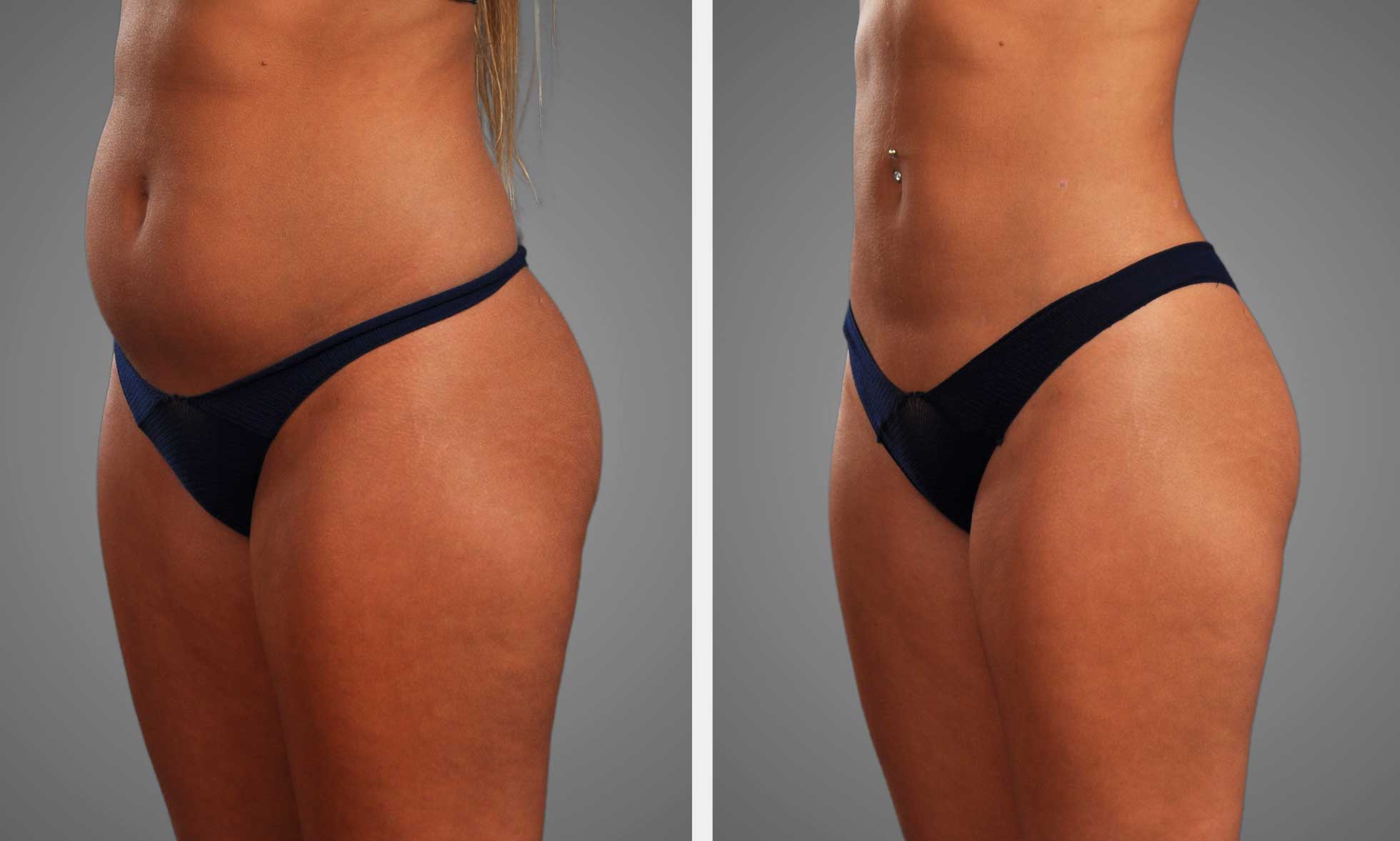
Fat is extracted from the body with a thin tube called a cannula. The surgeon snakes the cannula through small incisions to vacuum fat cells. Which is that different body shape you see immediately after the swelling subsides.
The fat removed differs, but typically ranges from 1–5 liters. The objective is to contour or sculpt regions such as the stomach, thighs or arms. Some use laser liposuction, which liquefies fat before it’s suctioned out, while others use the good old-fashioned tumescent method. Once these fat cells are absent from a location, they don’t regenerate in that same place.
2. The Disposal
The fat suctioned out in liposuction is medical waste. It’s taken care of by tight protocols and never recycled or returned to the patient.
This fat is collected in specialized containers and subsequently handled as biohazardous waste. Most of the time, it’s burned or autoclaved to avoid infection or contamination. Medical waste management strives to minimize the environmental damage, though disposal can still have residual effects.
3. The Body’s Response
Post surgery, your body begins healing immediately. Swelling and bruising are common and most patients feel sore during that first week. Short walks are great for circulation, but recovery is essential.
Swelling and altered blood flow assist the body in repairing itself. The contour of the treated area shifts as the swelling diminishes. Compression garments assist with edema and promote healing. Follow-up visits look for bleeding or infection and patients typically take a week off work.
4. The Cellular Level
Liposuction removes fat cells permanently from the treated area.
If someone becomes heavy later on, it can create new fat cells or expand existing ones. Fat would otherwise appear elsewhere.
Adipocytes, fat cells, continue to store and utilize fat after surgery.
Fat Redistribution
Post-liposuction, the body doesn’t grow new fat cells in treated areas, but the flab can return somewhere else if you gain weight. Fat redistribution is influenced by your individual body type, genetics and lifestyle. Even with fat cells eliminated once and for all in one area, the rest of fat cells will respond when you gain or lose weight. How your shape responds post-liposuction isn’t always predictable — and it can take months for the outcome to manifest.
The Phenomenon
Fat redistribution is when fat appears in body parts that did NOT receive liposuction. If a person gains weight following surgery, the fat has a tendency to reallocate itself to untreated areas — like the back, upper arms or face, partially causing a lopsided appearance. These shifts could be subtle or more noticeable and some individuals experience their body shape feeling different than in the past. This can hurt self-esteem, particularly if the new fat causes clothes to fit weird or calls attention to areas they didn’t anticipate changing. Maintaining a stable weight after liposuction, for many, would minimize the likelihood of fat redistribution and maintain more stable results.
The Locations
When fat does return, it has a tendency to redistribute to places like the stomach, thighs or even back of the arms. Some notice alterations in their chest or upper back. Men could observe new fat on the belly, women on hips or thighs. Hormones, like age- and pregnancy-related ones, can shift where fat settles. Everyone’s body is different, so one person might store more fat in their legs, and another in their waist.
The Mechanism
The amount of fat cells in your body remains static once you’re adult, but those cells can swell up or deflate. If you consume more calories than you burn, these fat cells expand, causing weight gain. After liposuction, the body redistributes fat to the remaining fat cells–sometimes in new locations. How quickly or slowly this occurs is a factor of your diet, workouts and even rest. For some people, their bodies metabolize energy at a higher rate, so they won’t experience a quick rebound of fat, but for others, it will show up faster.
Metabolic Impact
Liposuction does more than alter physical appearance. It alters the body’s metabolism. When as much as 9.4kg of fat is eliminated, there’s a metabolic change. Immediately after surgery, though, a majority of patients experience their insulin sensitivity improving. This allows the body to more effectively use sugar for fuel, which can assist in stabilizing blood glucose. These transformations surface rapidly but typically dissipate after a half year, except for the increase in insulin sensitivity that can be more persistent.
Eliminating fat cells means less room to store fat. This shift may result in decreased leptin, a hormone produced by fat cells that aids in regulating appetite and metabolism. Research indicates that leptin levels can decrease as little as 1 day following surgery and remain suppressed for up to 3 months. With less leptin, however, it won’t create an environment where it’s easier to eat more. For this reason, it’s easy to regain the weight if you don’t change your habits.
Liposuction impacts other hormones, such as TNF-α and adiponectin. TNF-α is a protein associated with inflammation and insulin resistance. It’s elevated in fatter individuals and decreases when fat is lost. Decreased TNF-α and increased adiponectin post-surgery may be beneficial metabolically, allowing the body to keep inflammation low and utilize energy efficiently.
Yet the body leans toward equilibrium. Once fat is shed, the body may compensate by slowing the rate of calorie burn or increasing appetite. That’s why diet and exercise matter so much after liposuction. Without good habits to support it, metabolic advantage can wane and the body find different ways to store fat.
Long-Term Body Composition
Liposuction shapes the body by removing fat from specific areas, typically from the subcutaneous layer. It’s known as subcutaneous fat. Immediately following surgery, patients tend to experience a reduction in fat volume in the treated region, a decrease in body weight, and a reduced waist or thigh circumference. Research has indicated that significant quantities of fat—approximately 9 kilograms, or 16% of total fat mass—can be removed in a single operation. The majority of this is coming from the stomach region. After the initial few months, body weight and fat typically remains stable for years. They maintained a 10% lower total body fat for as long as four years post-surgery. Body composition checks at weeks 10, 27, and even 208 revealed minimal change after that initial shedding of body fat.
Even though fat is eliminated from the targeted areas, liposuction doesn’t prevent fat from returning if you gain weight later on. If you put on a large amount of weight, fat can return, but it can appear in other areas of your body, not just where you had surgery. In other words, liposuction is not a remedy for the poundage. It just transfers fat storage, it doesn’t alter the body’s long term body composition. For the long-term body composition, it assists in maintaining a consistent weight through exercise and nutrition.
Liposuction fat loss doesn’t affect blood sugar, blood pressure, cholesterol in most people. Even after losing more than 10% of total body fat and maintaining that loss over years, there was no change in glucose tolerance or heart disease risk factors. Other minor fat reductions, combined with diet and exercise, can aid these health figures, but liposuction itself does not. Others in long-term studies required new medicines to control blood sugar or cholesterol with age.
Age and hormones can alter body shape over time. As we age, fat can migrate to new places or return, even if your weight remains constant. Which is why it’s crucial to maintain healthy habits to maintain the results from liposuction.
Maintaining Your Results
Maintaining your liposuction results isn’t just about the procedure. What you choose on a daily basis is just as important, if not more. Permanent diet, exercise and lifestyle changes ensure that the fat won’t come back. Weight recidivism is the rule and by sticking to new habits, you will maintain your results and stay far away from fat cell regrowth after liposuction. Even minor weight increases can alter the appearance of treated areas, therefore maintaining a stable weight is crucial.
Diet
Nutrition is the foundation for liposuction results that last.
- Consume multiple mini meals throughout the day to assist metabolism in getting started. It helps torch calories and maintain energy throughout the day.
- Center the majority of your meals around whole foods—consider lean proteins, an abundance of vegetables, and healthy fats such as olive oil or avocado. Avoid processed sugars and reduce foods rich in bad fats.
- Design meals with a combination of macronutrients. A solid meal balances protein, complex carbs (brown rice, quinoa), and greens. This provides the body energy for both everyday life and workouts.
- Sip water frequently. It’s an easy thing to overlook, but staying hydrated can help curb appetite and support a healthy metabolism which is key to your recovery and maintaining your results.
Exercise
- Incorporate both cardio (like brisk walking, cycling, or swimming) and strength training (like bodyweight moves, resistance bands or weights) to maintain muscle tone and amplify fat loss.
- Make them feel doable, like walking 8000 steps a day or lifting weights twice a week.
- Track progress with a journal or app, and tweak as necessary to maintain motivation.
- Group classes or a running club, for example, can add accountability and make your workouts more enjoyable.
Lifestyle
- Prioritize sleep and stress management — both can impact your weight and health.
- Avoid foul diets. These tend to cause yoyo dieting and rapid weight shifts.
- Remember, focus on a good mental attitude and take care of yourself. Basic things like a daily walk or quiet time are important.
- Sustainable habits beat quick fixes every time.
The Psychological Shift
Post-liposuction, a lot of individuals observe a psychological shift in the way they perceive themselves. Studies indicate that approximately 70 percent of patients report increased happiness post this procedure. Of course, you’ll experience the typical immediate uplift, but the more profound shifts in self-image manifest over weeks or even months. Others will notice the effects and have an immediate body-feel improvement. For the rest of us, it might take a minute to acclimate to this new form. Research discovered that 80% of patients had reduced symptoms of depression after six months, demonstrating the extent to which mental health can be enhanced after liposuction.
Body image tends to improve as the body recovers. This is reflected by decreased Body Shape Questionnaire scores, particularly between baseline and weeks four and twelve post-procedure. When people experience a decrease in fat and a smaller waist, it tends to resonate with their self-image. You’ll feel more confident and less concerned about appearance. A great body image can ease your day-to-day existence — you’re more receptive to social invitations and less anxious about your appearance in public.

Mental health support is crucial as you heal. Although most feel better after surgery, some continue to grapple with their self-image. A tiny yet significant percentage of patients could be suffering from Body Dysmorphic Disorder — an excessive focus on perceived defects in the body, whether real or imagined. For such individuals, surgery might not address their fears, and psychological treatment is just as crucial as somatic treatment. Candid conversations with physicians and therapists can assist to establish reasonable expectations and identify symptoms of more serious problems.
It takes time to become new shapely again. It helps establish realistic expectations post-surgery. Body transformations can transform how they behave and feel about themselves. Liposuction satisfaction remains high even years later, but it’s smart to keep in mind that there is no surgery that can address every issue. Friends, family, or counselor support can keep the mind healthy while the body recovers.
Conclusion
Fat exits the body via suction. It heals quickly, though it might feel a little sore. Fat cells eliminated from the treated areas don’t return. Your body will still be able to generate fat in new locations if you gain weight. Most notice a defined shape difference. The form clings if the weight remains stable. Others feel more confident about the way they look afterwards. Liposuction doesn’t correct health risks associated with being overweight. Good food and steady movement maintain the new shape. For specific information, inquire a physician or health professional with experience in the area. For additional guidance or to strategize next steps, consult a trusted care team. Keep it locked and take care.
Frequently Asked Questions
What happens to the fat after liposuction?
The extracted fat cells are gone for good. They are suctioned out and can’t grow back in that area.
Can fat return after liposuction?
Fat can’t come back to the treated area, but remaining fat cells can grow if you gain weight. New fat can grow elsewhere on the body.
Does liposuction affect your metabolism?
Liposuction doesn’t really alter your metabolism. It eliminates fat cells but doesn’t change your body’s metabolism.
Will my body shape change permanently after liposuction?
The site will contain fewer fat cells so the contour is permanent assuming you don’t gain a lot of weight. Significant weight fluctuations can influence results.
Is liposuction a weight loss method?
Liposuction is not about losing weight. It’s about body contour — not weight — and it attacks targeted fat pockets.
How should I care for my body after liposuction?
Adhere to your doctor’s post care instructions. Watch your diet, exercise, and don’t gain weight quickly to maintain results.
Can liposuction improve my confidence?
While most people do feel more confident following liposuction due to better body shape, the enduring psychological advantages hinge on a realistic self-image.