Directions
 Call Us
 Email Us



Deciding to undergo liposuction is a big step. Knowing what plastic surgery questions to ask during your liposuction consultation about the fat removal procedure can make all the difference. You want to ensure you’re making an informed choice about your body and health, especially during a plastic surgery consultation or an initial liposuction consultation as a prospective liposuction patient, while staying updated with cosmetic surgery news. Key questions for prospective liposuction patients include understanding the procedure, recovery times, and potential risks as posts view asps.
Discussing your goals with the surgeon is crucial. Inquire about their experience, view before-and-after photos of previous patients, and posts related to the specific liposuction procedure. This will help build trust and confidence in your decision. Remember, it’s your body, and you deserve clarity. Get ready to take charge of your journey toward a new you!
Key Takeaways
- Always ask about the surgeon’s qualifications and experience to ensure you are in capable hands during your liposuction procedure.
- Discuss your candidacy for liposuction to understand if you are a good fit for the surgery based on your health and body goals.
- Inquire about the different liposuction techniques and tools available, as this can affect results and recovery time.
- Clarify anesthesia options to feel comfortable with the level of sedation you’ll receive during the procedure.
- Prepare for surgery by asking about pre-surgery steps, including any lifestyle changes or medical evaluations needed.
- Understand recovery expectations by discussing post-surgery care, potential side effects, and how long it may take to see results.
Surgeon Qualifications and Experience
Board Certification
Ask if the surgeon is board certified by the American Board of Plastic Surgery. This certification shows they have completed rigorous training. It also indicates they follow high standards in their practice. A board-certified surgeon has undergone extensive education and training. They must pass written and oral exams to earn this certification.
Verification is crucial. You can check a surgeon’s credentials online. Look for their educational background and any disciplinary actions. This information helps you assess their professionalism.
Specific Experience
Inquire about the surgeon’s specific experience with liposuction. Ask how many liposuction procedures they have performed. Experience matters in cosmetic surgery. A surgeon with a higher number of procedures often has better skills. More experience usually leads to better results.
Surgeons may specialize in different techniques. Some focus on traditional liposuction, while others might use newer methods like tumescent or ultrasound-assisted liposuction. Knowing their specific expertise helps you understand what to expect.
Before and After Photos
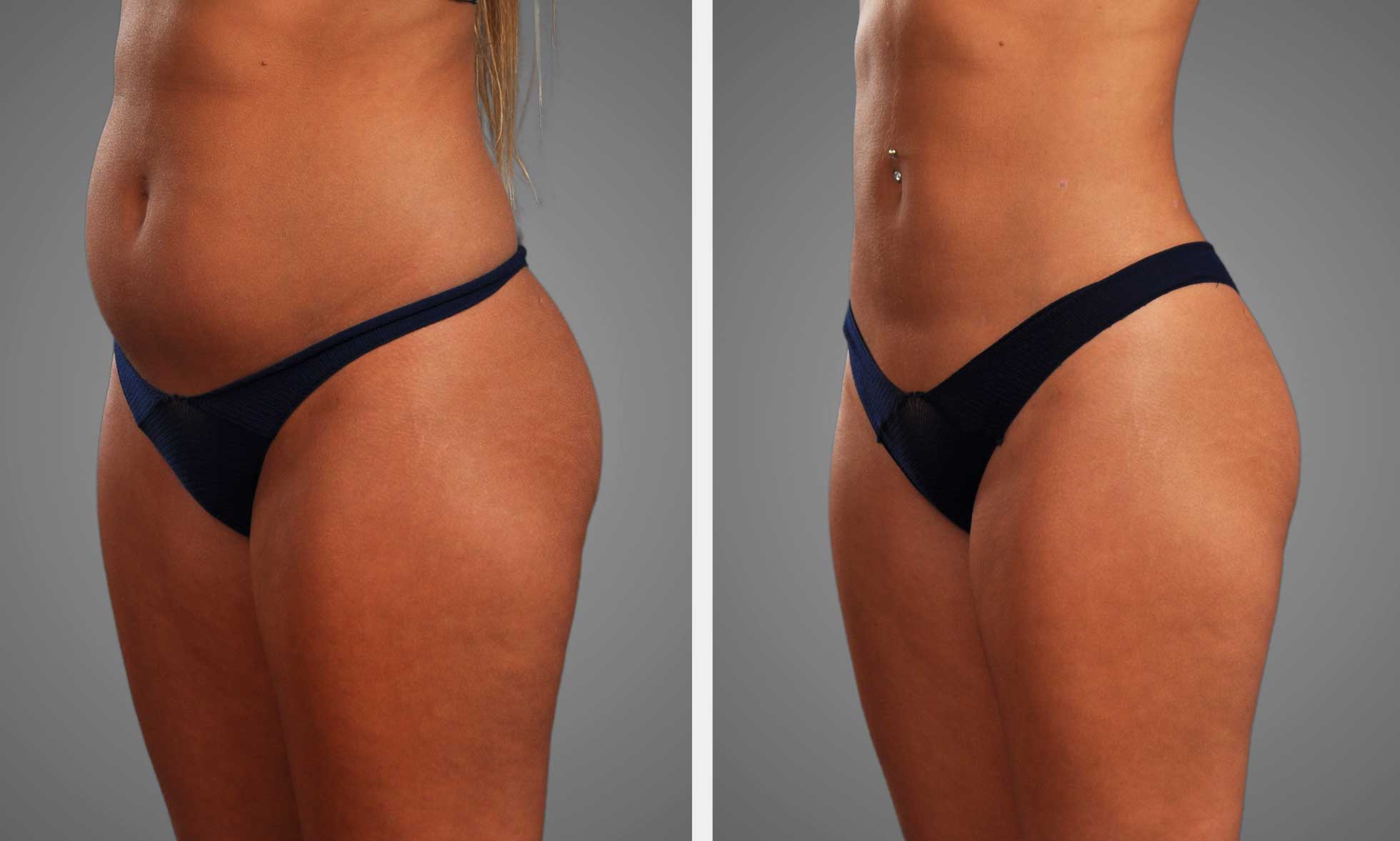
Request to see before and after photos of similar liposuction procedures. These images provide insight into the surgeon’s work. Look for consistency in results across various patients. Check if the photos show a range of body types and areas treated.
Photos can highlight the surgeon’s skill level. They also help you visualize potential outcomes for yourself. Discuss any concerns you have about your body type or goals during this review.
Patient Reviews
Consider asking about patient reviews and testimonials. Feedback from previous patients can reveal important details about their experiences. Look for comments on the surgeon’s bedside manner, communication, and overall satisfaction with results.
Online platforms often feature reviews about surgeons. Websites like RealSelf or Healthgrades offer insights into patient experiences. Positive reviews can build trust in your chosen surgeon.
Follow-Up Care
Discuss follow-up care after the procedure as well. Understanding post-operative care is essential for recovery. Ask how the surgeon manages complications or concerns that may arise after surgery.
A good surgeon will provide clear instructions for recovery. They should outline what to expect during healing and when to schedule follow-up visits.
Questions to Prepare
Prepare a list of questions before your consultation. Here are some examples:
- What is your board certification status?
- How many liposuction procedures have you performed?
- Can I see before and after photos?
- What do past patients say about your work?
- What follow-up care do you provide?
These questions help ensure you choose the best liposuction surgeons who meet your needs.
Candidacy for Liposuction
Good Candidates
Good liposuction candidates are generally in good health. They should be at or near their ideal weight. Those with a stable weight can expect better results. Body type also plays a role. Individuals with stubborn fat pockets often benefit most from the procedure.
You might want to ask your surgeon if you fit this description. Discuss your overall health and any factors that may affect your recovery. Understanding your body type is crucial in determining if liposuction is right for you.
Pre-existing Conditions
Pre-existing conditions can impact your eligibility for liposuction. Conditions such as diabetes, heart disease, or blood clotting issues may complicate the procedure. It’s essential to disclose all medical history during your consultation.
Surgeons will assess how these conditions might affect your surgery and recovery. They will also inform you about any necessary precautions to take. This ensures patient safety and optimal results.
Ideal Weight Range
Inquire about the ideal weight range or body fat percentage for undergoing liposuction. Each case can differ based on individual circumstances. Surgeons often recommend being within 30% of your ideal body weight before considering the procedure.
A consultation provides an opportunity to discuss specific goals and expectations. Your surgeon will explain how these factors influence liposuction results. Knowing this helps set realistic expectations for your transformation.
Types of Liposuction
Different types of liposuction exist, including traditional liposuction, tumescent liposuction, and awake liposuction. Each method has unique benefits and risks. Some techniques may suit certain patients better than others.
Ask your surgeon which type they recommend based on your situation. Understanding these options can help clarify what to expect during the procedure and recovery process.
Recovery Considerations
Recovery is a vital aspect of the liposuction journey. Discuss what to expect post-surgery with your surgeon. Each patient’s recovery timeline varies based on individual health and the extent of the procedure.
Find out about pain management and activity restrictions after surgery. Knowing this information helps prepare you mentally and physically for your recovery period.
Common Questions
Prepare a list of common liposuction questions to ask during your initial consultation. Questions about potential risks, expected results, and follow-up care are essential.
Your surgeon should address all concerns thoroughly. A well-informed patient is more likely to have a successful experience.
Liposuction Techniques and Tools
Liposuction Methods
Ask about the different liposuction methods available. Common techniques include tumescent, ultrasound-assisted, and laser-assisted liposuction. Each method has its unique benefits and risks. Tumescent liposuction involves injecting a solution into the fat layer to minimize bleeding and pain. This method is widely used due to its effectiveness.
Ultrasound-assisted liposuction uses sound waves to break down fat cells. It can be useful for larger areas of fat removal. Laser-assisted liposuction employs lasers to liquefy fat before suctioning it out. This technique may lead to less bruising. Understanding these methods helps you choose the right one.
Recommended Procedure
Inquire which liposuction procedure your surgeon recommends for your specific case. Each individual’s body responds differently to these methods. The surgeon will consider factors like your body type, health condition, and desired results.
Surgeons often evaluate the target areas for fat removal. They also assess skin elasticity, as this can affect results. A personalized recommendation ensures you receive the most effective treatment for your needs.
Tools and Technology
Understand the tools and technology used during the liposuction surgery. Surgeons typically use specialized cannulas to remove fat. These thin tubes come in various sizes depending on the procedure type. Some procedures may involve advanced equipment like ultrasound devices or lasers.
These tools enhance precision during fat removal. They can also reduce recovery time and improve overall results. Asking about the technology used helps clarify how it contributes to your safety and comfort.
Benefits of Modern Techniques
Modern liposuction methods offer several advantages over traditional approaches. They often result in less scarring and quicker recovery times. For example, the best liposuction surgeons utilize minimally invasive techniques like liposculpture to allow for better contouring with smaller incisions.
Surgeons can tailor their approach based on individual needs, making procedures safer and more effective.
Cost Considerations
Discuss the liposuction cost page with your provider during the consultation. Costs vary based on the chosen method, surgeon’s expertise, and geographic location. Understanding pricing helps set realistic expectations for your budget.
Inquire about financing options if needed. Many providers offer payment plans to make procedures more affordable.
Anesthesia Options
Types of Anesthesia
Liposuction procedures can use different types of anesthesia. Local anesthesia numbs only the targeted area. This option is suitable for smaller areas and less invasive techniques. Patients remain awake but feel no pain.
General anesthesia puts patients in a deep sleep. It is often used for larger areas or more extensive procedures. This type ensures complete comfort during surgery.
Sedation is another option. This method relaxes patients while keeping them awake. It helps reduce anxiety without full unconsciousness. Each type has its purpose, depending on the procedure’s scope.
Risks and Benefits
Patients should discuss the risks and benefits of each anesthesia type with their surgeon. Local anesthesia has fewer risks, such as limited blood loss and shorter recovery times. However, it may not be ideal for extensive work.
General anesthesia carries higher risks, including respiratory issues and reactions to medications. It usually requires a longer recovery time but provides complete comfort during surgery.
Sedation presents its own set of risks, such as potential breathing problems. Understanding these factors helps patients make informed decisions about their care.
Anesthesia Administration
Ask who will administer the anesthesia during the consultation. The anesthetist’s qualifications are crucial for safety and effectiveness. A certified anesthesiologist or nurse anesthetist typically manages this task.
Surgeons affiliated with reputable organizations like the American Society of Plastic Surgeons (ASPS) often have trained professionals in their teams. This affiliation ensures a higher standard of care.
Inquire about the experience of the anesthesia provider. Understanding their background can help ease any concerns about safety.
Post-Operative Care
Post-operative care is essential for recovery after liposuction. Patients should ask how anesthesia affects their recovery process. Knowing what to expect can help manage discomfort and anxiety.
Discuss specific instructions for post-anesthesia care, including pain management options. Clear guidelines help ensure a smoother recovery journey.
Preparing for Consultation
Preparing questions ahead of time can enhance the consultation experience. Write down any concerns regarding anesthesia types or administration methods. Bring these notes to ensure all topics are addressed.
Understanding the details about anesthesia options helps build confidence in the decision-making process. Knowledge empowers patients to take control of their health journey.
Pre-Surgery Preparation
Detailed Instructions
Request a detailed list of pre-surgery instructions from your surgeon. These instructions often include dietary restrictions. Patients may need to avoid certain foods or drinks before the procedure. For instance, surgeons commonly recommend avoiding alcohol and caffeine for at least 24 hours prior to surgery.
Medications can also play a significant role in preparation. Ask about any medications you should stop taking. Blood thinners, such as aspirin or ibuprofen, can increase the risk of bleeding during surgery. It’s crucial to follow your surgeon’s advice on which medications to avoid.
Necessary Tests
Inquire about any necessary preoperative tests or evaluations. Many cosmetic procedures require blood tests or imaging studies. These tests help assess your overall health and suitability for surgery. Your surgeon may recommend a physical examination to ensure you’re fit for the procedure.
Understanding these requirements is essential for a successful outcome. Knowing what tests are needed allows you to prepare in advance and avoid delays. Discussing these details with your surgeon provides clarity and peace of mind.
Lifestyle Changes
Lifestyle changes may be necessary before your surgery date. Discuss any recommended preparations with your surgeon. They might suggest quitting smoking, as it can hinder healing after the cosmetic treatment. Smoking increases the risk of complications and slows down recovery time.
Maintaining a healthy diet can improve your results. Eating nutritious foods helps your body prepare for surgery and promotes better healing afterward. Staying active, if possible, can also enhance your overall fitness level before the procedure.
Patients should also consider their mental readiness for surgery. Understanding what to expect during recovery can help ease anxiety. Ask about the recovery timeline and any activities you should avoid post-surgery.
Questions to Consider
Prepare specific questions to ask during your consultation. Here are some examples:
- What dietary restrictions should I follow?
- Are there medications I need to stop taking?
- What preoperative tests will I need?
- How long will recovery take?
These questions ensure you have all necessary information for effective pre-surgery preparation. Engaging in this dialogue with your surgeon builds trust and confidence in the process.
The Procedure Steps
Step-by-Step Process
Ask the surgeon for a detailed explanation of the liposuction procedure. Understanding each step helps ease concerns. Typically, the process starts with anesthesia. This can be local or general, depending on the extent of the surgery.
Next, the surgeon will make small incisions in the targeted areas. These incisions allow access to the fat deposits. A thin tube called a cannula is inserted through these openings. The cannula breaks up and removes excess fat. Each step plays a crucial role in achieving desired results.
Duration of Surgery
Inquire about how long the surgery will take. Liposuction usually lasts between one to four hours. The duration depends on factors such as the number of areas treated. Knowing what to expect can help you prepare mentally.
During this time, medical staff monitors your vital signs closely. They ensure your safety throughout the procedure. Surgeons often provide updates on progress during surgery. This communication can reduce anxiety.

Risks and Complications
Understand potential risks and complications associated with liposuction. Every surgical procedure carries risks, and liposuction is no exception. Common risks include infection, scarring, and uneven results.
Ask about specific complications related to each step of the process. For example, improper technique may lead to contour irregularities. Some patients experience fluid accumulation after surgery. This condition might require additional treatment.
Surgeons should explain how they minimize these risks. They may use advanced techniques or technology to enhance safety. It’s essential to feel confident in their approach.
Post-Procedure Care
Discuss post-operative care with your surgeon. Recovery plans vary based on individual needs and procedures performed. Pain management is an important aspect of recovery.
Patients often need to wear compression garments after surgery. These garments help reduce swelling and support healing. Ask how long you will need to wear them for optimal recovery.
Understanding these steps allows you to feel more prepared for your liposuction journey. Being informed helps set realistic expectations for your outcomes.
Recovery Expectations
Timeline
Ask your surgeon about the typical recovery timeline. Most patients can expect to return to light activities within a few days. However, full recovery may take several weeks.
Surgeons often recommend avoiding strenuous exercise for at least four to six weeks. It’s essential to know when you can gradually resume normal activities. This includes work, exercise, and social events.
Compression Garments
Inquire about the use of compression garments after the procedure. These garments help reduce swelling and support the healing process. Your surgeon will provide specific instructions on when to wear them and how long.
Wearing these garments correctly is crucial for achieving optimal results. They help shape the body as it heals. Ask if there are any other post-operative care requirements you need to follow.
Signs of Complications
Understand the signs of potential complications. Common issues include excessive swelling, unusual pain, or signs of infection like fever or redness. Knowing what to look for helps ensure prompt action if needed.
Ask your surgeon when you should contact them regarding these concerns. Early detection can prevent more severe complications. Make sure you leave the consultation feeling confident in recognizing any problems that may arise.
Follow-Up Appointments
Discuss the importance of follow-up appointments. These visits allow your surgeon to monitor your recovery progress. They will assess your results and address any concerns.
Your surgeon may schedule these appointments within the first few weeks after surgery. Attending them is vital for ensuring everything is healing properly.
Emotional Recovery
Consider asking about emotional recovery as well. Many patients experience fluctuations in mood post-surgery. Understanding that this is normal can help ease anxiety during recovery.
Support from friends and family can play a significant role in emotional well-being during this time. Discuss strategies with your surgeon for managing these feelings effectively.
Cost and Payment Details
Total Breakdown
Request a detailed breakdown of the total cost for your liposuction. This should include several key components. First, ask about the surgeon’s fees. Surgeons can charge different amounts based on their experience and location.
Next, inquire about anesthesia costs. Anesthesia is necessary for the procedure and can vary in price. Finally, consider facility charges. These fees cover the use of the surgical center or hospital where the procedure will take place.
Understanding these costs upfront helps avoid surprises later.
Financing Options
Inquire about available financing options or payment plans. Many clinics offer various methods to help patients manage costs. Some may work with third-party financing companies that provide loans specifically for medical procedures.
Ask if they have any in-house financing programs as well. These plans can make payments more manageable by spreading them out over time. Knowing your options can ease financial stress.
Additional Costs
Ask if there are any additional costs for follow-up visits or post-surgical care. After liposuction, follow-up appointments are essential for monitoring recovery. Some clinics may charge separately for these visits.
Inquire about post-surgical care products or services too. Items like compression garments may not be included in the initial cost but are important for recovery. Understanding all potential expenses helps you budget effectively.
Insurance Coverage
Check if your insurance covers any part of the procedure. Most insurance plans do not cover cosmetic surgeries like liposuction. However, if the surgery is deemed medically necessary, some coverage might apply.
Contact your insurance provider before the consultation to understand your policy better. Bring this information to your appointment to discuss it with the surgeon.
Final Considerations
Consider asking about cancellation policies and deposit requirements as well. Knowing these details ensures you understand the clinic’s terms before committing.
Closing Thoughts
Preparing for your liposuction consultation is crucial. You’ve learned what to ask regarding surgeon qualifications, techniques, recovery, and costs. Understanding these aspects helps you make informed decisions and boosts your confidence. Each question you pose not only clarifies your doubts but also establishes trust with your surgeon.
Take the first step toward your transformation today. Schedule that consultation and gather all the information you need. Remember, this journey is about you and your goals. Embrace it fully and ensure you’re well-prepared for every aspect of the process. Your body, your choices.
Frequently Asked Questions
What qualifications should I look for in a liposuction surgeon?
Look for a board-certified plastic surgeon with extensive experience in liposuction. Check their credentials, patient reviews, and before-and-after photos to ensure they have a proven track record.
How do I know if I’m a good candidate for liposuction?
Ideal candidates are at or near their target weight, have good skin elasticity, and maintain a healthy lifestyle. A consultation will help determine if liposuction is suitable for your body type and goals.
What types of liposuction techniques are available?
Common techniques include tumescent, ultrasound-assisted (VASER), and laser-assisted liposuction. Each method has unique benefits; your surgeon will recommend the best option based on your needs.
What anesthesia options are used during liposuction?
Liposuction can be performed under local anesthesia, sedation, or general anesthesia. Your surgeon will discuss the best choice for your procedure and comfort level.
What should I do to prepare for liposuction surgery?
Prior to surgery, avoid blood thinners, smoking, and alcohol. Follow your surgeon’s specific pre-operative instructions to ensure a smooth procedure and recovery.
How long does recovery from liposuction typically take?
Most patients return to light activities within a week. Full recovery may take several weeks, depending on the extent of the procedure. Follow-up care is crucial for optimal healing.
What is the average cost of liposuction?
Costs vary widely based on factors like location, surgeon’s experience, and the extent of treatment. Expect to pay between $2,000 and $10,000. Discuss financing options with your provider.