Directions
 Call Us
 Email Us


Key Takeaways
- Rapid fat and muscle loss in the buttocks from GLP-1 weight loss meds, known as ‘Ozempic butt,’ can cause changes in skin elasticity.
- The rapidity and extent of weight loss can exacerbate the risk of skin sagging and muscle loss, so slow, controlled weight loss is preferred for a healthier outcome.
- To a large extent, we’re at the mercy of our genetics in how our body responds to weight loss in terms of fat distribution, muscle retention, and skin firmness.
- Supporting your skin and muscle tone with a healthy diet, strength training, and proper hydration will help minimize butt deflation.
- Your doctor and fitness guru can provide personalized advice for handling the physical and cosmetic transformations of weight loss.
- Going for that body neutrality and health versus beauty mindset certainly fosters a good attitude and sustainable momentum during the weight loss process.
T deflation after weight loss shots refers to the deflation of the butt after these weight loss shots. A lot of people experience butt deflation after their weight loss injections.
This is typical with rapid or significant weight loss. Folks are curious to hear about why it’s happening and what they can do about it.
The following sections provide causes and solutions.
The Phenomenon
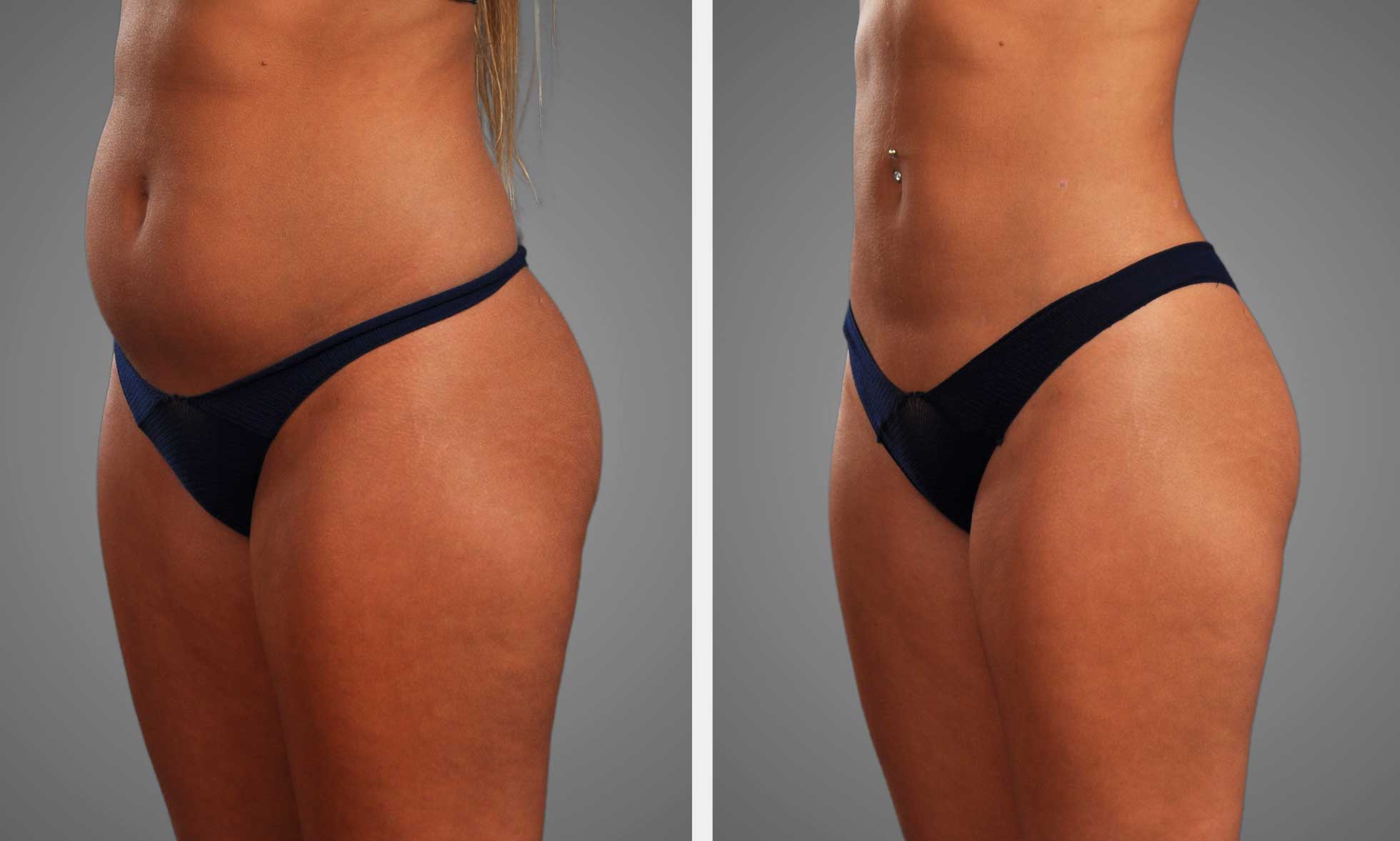
T deflation after weight loss shots, commonly referred to as “Ozempic butt,” is terminology used to describe alterations in the size, shape, and skin quality of the buttocks post rapid or significant weight loss. This effect is not reserved for a particular age group and can emerge in individuals as young as their 20s or as old as their 60s.
It’s often in the wake of weight loss acceleration drugs, including GLP-1 agonists like Ozempic and Wegovy. This phenomenon underscores the importance of a more refined approach to slimming down, where care is paid not just to the number on the scale but to body composition, muscle tone, and skin health as well.
1. The Mechanism
Weight loss shots act by suppressing hunger and transforming fat storage. When you eat less, your body begins to burn fat reserves for fuel. This fat loss is all over, but it may be most noticeable in areas with a higher degree of fat storage, such as the buttocks.
Glutes are muscle and fat, so both can deflate with weight loss. Rapid or massive losses can make the skin loosen and sag. These appetite suppressants reduce calorie intake, and sometimes you lose muscle along with the fat. GLP-1 meds can alter hormones that regulate where fat deposits, making the bootay particularly susceptible to deflation.
2. The Speed
Drugs such as Ozempic and Wegovy can induce weight loss at far more rapid speeds than diet and exercise could. Rapid shifts may imply that the skin and muscles lack sufficient time to acclimate.
This makes you more prone to loose, sagging skin and a ‘deflated’ appearance. The quicker the loss, the less likely the butt is to maintain its roundness and firmness. Slower, steady weight loss gives the skin and muscles a bit more time to adjust, which can preserve the butt’s shape.
3. The Composition
Significant weight loss takes it out on both the fat and muscle in your gluteal region. Losing fat alone will make the glutes look smaller and more flat. If you lose muscle as well, it can lose its natural curve and strength.
Fat loss creates a void beneath the skin, and muscle loss can make the glutes even more flat. Collagen and elastin are the proteins that keep the skin in form and springy. If these break down or are lost with weight loss, the skin can begin to sag.
4. The Elasticity
Skin elasticity is crucial to how your buttocks will look post-weight loss. As we age, skin loses its stretchiness and sag becomes more prevalent. Genetics have a big role to play in how elastic skin remains.
Collagen keeps skin plump, yet levels may decrease due to aging, bad nutrition or stress. Hydration, a vitamin-rich diet and maintaining a consistent weight can all promote improved skin elasticity.
5. The Genetics
How and where our bodies store fat is largely predetermined by our genetics. Some folks tend to lose butt fat first, while others tend to retain more gluteal fat as they lose weight.
Genetics may determine how much muscle and elastic tissue you retain with weight loss. Not everyone responds in the same way to weight loss drugs. If you’re a candidate for gluteal volume loss, weight training and, in some cases, medical interventions like fillers or lifts can help bring back the contour.
Beyond The Buttocks
Weight loss shots shrink your fat. They go beyond the buttocks. The fat and muscle loss isn’t just reshaping one area. It can involve the arms, legs, chest, and even the face. Some folks have that saggy skin or ‘deflated’ look beyond the buttocks in those other ‘curvy’ spaces that used to retain more weight.
This is typical following quick weight loss, which can tug on the skin and muscles, leaving it lax. It’s not just about the body being visually appealing, either. We know that when your glutes weaken or atrophy, there can be consequences such as lower back pain, reduced hip stability, and increased difficulty with activities like walking, stair climbing, or standing up from a chair.
That’s why some refer to it as ‘Ozempic butt’ when the buttocks flatten or sag. It’s not uncommon for the same to occur in the thighs, upper arms, or stomach area.
The alterations in body shape can extend beyond the body itself. A lot of folks experience a change in self-perception. Weight loss can fill us with pride, but saggy skin or a loss of shape can cause us to stress or worry. Others get down on themselves when their body looks so different than anticipated.
This can cause you to get preoccupied with an area, such as the butt, instead of viewing your entire body and all the shifts that accompany weight loss. It’s totally normal to feel ambivalent, particularly if you don’t get the answers you were hoping for when you initiate weight loss shots.
Taking on body image is about more than just focusing on the buttocks. Think beyond the tushies. Most people attempt resistance or strength training to assist in holding onto muscle and keeping their shape. Glute-focused moves can help stave off flattening and keep the body strong.
Eating well and maintaining a stable weight factor in as well. Losing weight too fast can exacerbate saggy skin and even be dangerous. In addition, weight loss drugs may cause side effects such as stomach cramps, nausea, or bloating — another consideration.
Some could consider surgery, such as a Brazilian butt lift, but this has its own risk factors and is not the sole solution. A comprehensive strategy that addresses the entire figure, not just the caboose, works for both appearance and wellness over time.
Prevention Strategies
Deflation prevention after weight loss shots requires a multi-step plan. It’s not simply fat loss for one area, maintaining muscle, skin, and hydration in harmony. Here are some practical ways to help reduce the risk:
- Drop the pounds gradually to allow your skin to keep up.
- Consume a wholesome, nutrient-dense diet that includes adequate protein and healthy fats.
- Do resistance and interval training to maintain muscle in the butt region.
- Drink several glasses of water a day.
- Work with healthcare professionals to tailor your plan.
- Modify the rapidity of weight loss or shot dose with physician consultation if necessary.
Nutrition
- Incorporate protein-rich foods like eggs, lean poultry, tofu, beans, and fish that aid in muscle repair and building.
- Consume vitamin C rich fruits and vegetables, such as oranges, bell peppers, and strawberries, because vitamin C is essential for collagen production that keeps skin elastic.
- Incorporate vitamin E from nuts, seeds, and avocados, and zinc from chickpeas, pumpkin seeds, and seafood to support skin repair and maintain firmness.
- Preplan meals to ensure each contains a healthy balance of protein, healthy fats, and micronutrients. This prevents holes in important nutrients, particularly when calories are limited.
Nutrient-dense foods are your secret weapon in maintaining strong muscles during weight loss. They assist skin bounce back rather than sag. Collagen-boosting foods nourish skin and connective tissue alike.
Exercise
- Squats
- Hip thrusts
- Deadlifts
- Step-ups
- Lunges
- Glute bridges
- Bulgarian split squats
Weight training twice or thrice a week prevents muscle loss. Target your glutes with these moves. This keeps your buns tight and sculpted even as you shed pounds.
Interval workouts a couple of times a week can boost metabolism and preserve muscle mass. Consistency trumps intensity. These short workouts, done regularly, accumulate.
Hydration
Keeping hydrated is one of the simplest ways to maintain skin’s elasticity. Target at least two to three liters a day, more if you’re in a hot climate or work out regularly.
Water assists skin cells in maintaining their form as well as healing and increasing the skin’s elasticity. Dehydration causes dry, sagging skin, particularly when you’re shedding pounds.
Hydration flushes toxins and keeps metabolic processes humming, helping with body composition and skin texture.
Consultation
- Consult with a nutritionist to design a meal plan that includes sufficient protein and micronutrients.
- Take a glute-centric workout tip from a trainer.
- Check in with doctors to track weight loss and adjust treatments.
- Inquire about skin care or non-surgical options if sagging is an issue.
Expert advice can assist in tailoring weight loss pace, cleaning up nutrition, and making sure workouts are both safe and effective. Free discussions with professionals can address both health and aesthetic goals.
Restoration Options
Restoring butt volume and tone, post-weight loss shots, usually comes down to choosing between the non-surgical and surgical options. Each path has its own advantages, dangers, and outcomes timeline. Your lifestyle, health, and personal aspirations should dictate this choice.
| Category | Approach | Key Benefits | Common Risks | Results Timeline | Maintenance |
|---|---|---|---|---|---|
| Non-Surgical | Fillers, Ultrasound | Minimal downtime, subtle | Temporary swelling, unevenness | Weeks to months | Periodic repeats |
| Surgical | BBL, Fat Transfer | Dramatic, lasting change | Infection, scarring, anesthesia | Immediate to months | Long-term, some care |
Non-Surgical
Non-surgical routes emphasize small adjustments with minimal downtime. Sculptra and Radiesse are dermal fillers that restore volume by stimulating collagen production. Sculptra lasts up to 2 years, and Radiesse lasts around 12 to 18 months, and both need touch-ups.
Ultrasound-based tools such as Ultherapy, Morpheus8, and BodyTite stimulate collagen production for tighter skin and can assist with mild sagging or cellulite. These office-based treatments are low-risk and work for those looking for mild contouring.
Emsculpt involves a device that stimulates the glutes to contract using high-intensity focused electromagnetic energy. This will develop muscle and give a tauter appearance. A few sessions can yield changes for some, although results tend to stick when paired with resistance work, such as squats, hip thrusts, and deadlifts a minimum of twice a week.
Peptide or retinol skin-tightening creams might assist as well. These creams won’t deliver drastic transformation, but they can even out texture and reinforce other therapies. With all of the non-surgical options, results are not immediate. Enhancements accumulate over weeks or months, and you might require multiple treatments.
Surgical
Surgical fixes such as the BBL and fat transfer are riskier, but provide more lasting, noticeable results. In a BBL, physicians harvest fat from a different area of the body and transfer it to the buttocks. Fat transfer can be a similar option. Both can reshape and add volume, but they require weeks to recover.
Risks consist of infection, scarring, and potential unevenness. Selecting a board-certified surgeon is essential. A good doctor can mitigate risks and help you establish reasonable expectations. Surgery isn’t for everyone. It needs a proper health check and some sense of recovery time.
In consultations, inquire about the surgeon’s previous work, safety record, and aftercare plan. Surgical restoration tends to be combined with lifestyle tweaks. Good hydration, consistent sleep, and good nutrition all aid in recovery. Results may endure for years, but weight changes or aging can alter results.
A New Perspective
Weight loss shots have transformed the slimming down mindset with changes that reach beyond the numbers. Most observe their butt, face, or breasts appear more flattened or saggy after quick weight loss. This sort of ‘deflation’ can come as a surprise, particularly for those anticipating exclusively positive outcomes.
There’s fresh dialogue about what it means to succeed and how to strike a balance between looking good and feeling good. The table below illustrates how body neutrality provides an alternative to cosmetic objectives.
| Body Neutrality | Traditional Aesthetic Goals |
|---|---|
| Focus on body function and health | Focus on body shape and looks |
| Acceptance of changes | Push for “ideal” or “perfect” look |
| Care for mental and emotional wellness | Often prioritizes physical changes |
| Less pressure to meet beauty standards | Linked to cultural standards |
| Progress measured by personal comfort | Progress measured by appearance |
Redefining Success
Accomplishing weight loss is sometimes associated with appearance. This new perspective shifts the focus to concrete health transformations, such as lowered blood pressure or increased endurance. Shifting the focus helps people set goals that matter to their quality of life, not just their reflection.

Others establish objectives related to motion, like walking greater distances or lifting heavier. These objectives can seem more satisfying and they’re simpler to monitor. They can aid folks in observing progress even if their body shape shifts.
Mental and emotional health is a big part as well. A lot of people are nervous or distressed when their body shifts quickly, particularly if the results are not what they anticipated. Being kind to yourself and knowing that these shifts are par for the course makes them easier to endure and motivates you to push through.
Body Neutrality
Body neutrality is about viewing your body as something beyond a visual object. It’s about the body’s capabilities—taking a walk, sitting, dancing while your muscles get used to the new weight loss. Others are energized by an emphasis on form.
For instance, if you observe a gaunt face or a flattened butt, you can shift your attention to your body’s capacity to heal, to move, to adapt. Get in the habit of being grateful for other small wins like less back pain from stronger glutes, and you’ll find your focus moves further away from looks.
Mindfulness and self-care routines help with a positive perspective as well. Activities such as massage, stretching, or mindful movement can cultivate self-esteem and relieve tension from body shifts.
Functional Strength
Strength training is essential for butt deflation from weight loss shots. Tight glutes and core stabilize our everyday motion and relieve low back pain that can occur when they become lax.
Squats, lunges, and bridges are great moves that develop strength and shape the butt and core. Incorporating these moves into everyday life, even just a few times a week, keeps muscles toned and the body strong.
Eating sufficient protein and other nutrients is equally important to keeping muscles strong and skin healthy. For those considering non-surgical treatments, such as dermal fillers, it’s wise to consider the risks and rewards.
Your Next Steps
Post weight loss shots, some individuals experience body deflation such as butt deflation, sagging skin, or muscle weakness. It’s good to have a plan that suits your own body goals. To make it personal, consider your key objectives, the impact you hope to observe, and how many hours you can dedicate.
For instance, some are looking to build strength to compensate for lost volume and others want to address skin tightening. We find that having defined steps to help track progress helps keep things on track.
Having actual goals is the secret. I know everybody wants a quick solution, but it takes a while for the body to calm down after weight loss shots. Goal appropriately to your shape and health to avoid letdowns.
For instance, you might want to tone up your glutes with strength training or elect to pursue non-invasive treatments to firm some loose skin. Others opt to chat with a doctor to gain a concrete sense of what outcomes are achievable. This step can help scale expectations and keep goals secure and authentic.
Understanding a bit more about what weight loss does to your body can take the stress out of it. Following rapid weight fluctuations, loose skin or reduced muscle can manifest. Educating yourself on body contouring, skin health and muscle strength will assist you in making decisions that suit your needs.
Others consider research into outcomes from body contouring surgery or non-surgical alternatives such as radiofrequency microneedling. Some want to know the dangers and duration of each approach. The more you know, the more you can weigh your options and choose what suits your life.
Support from others can make a big difference. This might be getting involved in a support group of others facing the same thing or consulting with a physician, nurse, or personal trainer who is familiar with how weight loss may impact.
For instance, some hop onto forums to swap exercise or post-weight loss shot skin care advice. Others collaborate with trainers to sculpt glute-focused strength moves or consult with skin care specialists on how to increase skin firmness.
Many like to touch base with a healthcare provider prior to pursuing new treatments, such as injectables or surgery, to ensure the plan is safe and suits their health requirements.
Conclusion
T deflation after weight loss shots manifests quickly for many people. Some experience loose skin or less ‘shape’ not just in their hips but in other areas as well. We attempt to temper it with strength moves, vigilance on food, and fuss-free skin care. Some go for fillers or other solutions, but not everybody needs that. Body changes can appear and feel weird initially, but most folks adjust with time. Nothing like some real stories and little adjustments to make people relax. For definitive answers or a plan, consult a health pro. Post your own story or advice to fellow travelers who may empathize.
Frequently Asked Questions
What is butt deflation after weight loss shots?
T deflation is significant volume loss and firmness in the butt. We’ve seen it happen after aggressive weight loss, particularly with weight loss shots.
Why does weight loss cause butt deflation?
T deflation after weight loss shots. Because the butt contains a lot of fat, rapid weight loss can leave the behind looking deflated.
Is butt deflation permanent?
T deflation after fat loss injections isn’t necessarily permanent. The body might adapt in the long run. For some, you need focused work or cosmetic procedures to regain the contour.
Can exercise prevent butt deflation after weight loss?
Exercise, particularly glute strength training, can preserve tone. This can diminish the look of butt deflation after weight loss shots.
Are there non-surgical ways to restore the buttocks’ shape?
Yes, powerlifting, resistance bands, and nutrition can help build glutes. Others wear special padding in their clothes for a quick lift.
Do weight loss shots affect other body areas?
Weight loss shots deflate your butt too. Arms, face, and thighs may look leaner post injections.
When should I consult a medical professional about butt deflation?
Consult your doctor if you’re worried about quick body shape transformations, sagging skin, or unsure about restoration choices.