


Key Takeaways
-
Compression garments need to be worn continually to help with fat graft survival, decrease swelling, and stabilize new contours. Listen to your surgeon when it comes to timing and fit.
-
Construct a recovery wardrobe with stage one and two fajas, flowy dresses, oversized shirts, and slip-on shoes to combat swelling and garment bulk.
-
Select properly sized, breathable, and adjustable clothing to keep pressure evenly distributed, avoid irritation, and accommodate fluctuating swelling.
-
Follow a clear timeline: continuous stage one compression in week one, transition to stage two and lighter clothing in weeks two to six, and reassess compression needs after six weeks.
-
Stay away from tight waistbands, restricting jeans and non-stretch fabrics that can put undue pressure on healing areas or shift fat grafts. Choose elastic waistbands and stretch fabrics instead.
-
Practice mindful dressing by prioritizing soft fabrics, calming colors and recovery friendly accessories to support physical healing and emotional well-being. Track fit and comfort with a handy daily log.
What to wear after BBL is what we call HEALING FABRICS, clothing that supports healing, reduces swelling, and protects incisions.
Suitable options are high-waist compression shorts that sit below the ribcage, ventilated surgical bras for the chest, and soft, nonconstricting tops.
They should be made of stretch fabrics, wick moisture, and be seamless wherever possible.
Consult your surgeon’s advice on fit and how long to wear, and select a few sizes for varying swelling to stay comfortable and provide the right pressure.
Compression’s Role
Compression is the key to ideal BBL recovery and preserving fresh new curves. It controls swelling, supports the transferred fat, and assists the skin in shrinking to the new shape. With the right fit and adherence to surgeon instructions, you can avoid problems and achieve the optimal long-term result.
Why Compress
Compression reduces post-op swelling and encourages healing in the buttocks, waist, and flanks following BBL surgery. This compression has a significant safety benefit because the targeted pressure from well-fitted garments enhances blood circulation and reduces the chance of blood clots.
Compression assists in holding those fat cells in place during the initial healing weeks. Pressure is key to avoiding fat shift, which can decrease volume or lead to irregularities. Last, compression is a pain reducer and skin adherent, so it’s easier to move and get light daily activity started sooner.
Swelling Reduction
Compression controls the inflammatory response and fluid accumulation in surgical areas post-Brazilian Butt Lift. When worn early and consistently, it minimizes pronounced swelling and allows a faster return to baseline size, often within weeks, not months.
The right compression can reduce numbness and skin discoloration associated with swelling. Keep track with a daily log or table recording measurements, visible changes, and comfort. This helps determine if swelling is following an anticipated pattern or requires medical attention.
Shape Contouring
Compression helps mold the new BBL curves. Constant, uniform pressure aids even shaping by compressing regions where fat was extracted and stabilizing grafted fat. Quality BBL garments head off unwanted bulges while maintaining a smooth silhouette throughout your recovery.
Many provide firmer compression as the swelling recedes to ensure the garment fits the newly emerging shape even better. Pick shapewear specifically designed for butt lifts instead of general pieces to optimize support and ultimate shape.
Skin Retraction
Compression aids in skin retraction over breast implants and laser liposuctioned flanks, helping the skin to bind to the new shape. The smart use of compression garments decreases the probability of sagging or lax skin and helps stabilize the connective tissue, an important factor in final appearance.
Watch for skin tightening and modify garment fit as swelling decreases. Too-tight garments can induce breathing difficulties, numbness, or tingling, and too-loose garments do not assist. Remember that clothing can hold in heat and feel irritating in hot climates, so balance ease of wear with clinical necessity and heed surgeon instructions about wear schedules and garment changes.
Your Recovery Wardrobe
Recovery Wardrobe. Postoperative clothing should be all about comfort, style and slow transition as the swelling and tenderness shifts. The right pieces protect grafts, control swelling and keep everyday life livable. Outlined below are garment types and pragmatic notes to help guide selection, rotation and use during the recovery window.
1. Stage One Faja
Sport a stage one faja directly after surgery for solid compression and support during those initial, most delicate days. This surgical shaper should cover treated areas — abdomen, waist and buttocks — so seams and closures sit where they won’t press directly on grafted sites.
These fajas are purposefully restrictive to minimize movement, reduce swelling and assist fat grafts to set. Adhere to your clinic’s protocol precisely for how long to wear it daily. Some teams recommend wearing it around the clock for the first 1 to 2 weeks, removing only to bathe at prescribed times.
Select a medical grade faja sized per your post-op measurements — not a best guess on your pre-op clothing size.
2. Stage Two Faja
This is when you make the switch to a stage two faja once swelling begins to subside and your surgeon gives you the green light, usually after those initial few weeks. Stage two provides a more moderate level of compression and increased mobility, allowing you to move more freely while still providing support to tissues.
Search for adjustable straps, hook-and-eye closures, or zipper fronts so you can dial in fit as swelling ebbs and flows. Breathable fabrics like cotton blends or technical meshes minimize heat and moisture accumulation.
Wear this faja as you return to normal light daily activities and when you desire continued shaping minus the intense compression of stage one.
3. Loose Dresses
Loose dresses are convenient and easy on healing tissue. Opt for relaxed fits that sit away from your butt and stomach seams, such as A-line or shift styles that allow some space for your compression layers underneath.
Soft, lightweight fabrics such as modal, viscose, or thin cotton reduce skin irritation and allow for air circulation. Dresses eliminate friction from waistbands and prevent rubbing from tight garments.
Bring multiple dresses so you can switch out if swelling or drainage happens and prefer easy closures for speedy bathroom visits.
4. Oversized Tops
Oversized tops provide coverage without constriction. They conceal garment lines, accommodate shape shifts and complement high-waist fajas or leggings beautifully.
Layer a loose button-down or a roomy tunic over a compression piece for added modesty and adjustable warmth. Think breathable, stretchy knits that stretch with you and will not pull at incision sites.
Maintain a variety of sleeve lengths to align with shifting temperatures.
5. Slip-On Footwear
Slip-on shoes mean no bending and straining when dressing post surgery. Opt for cushioned soles and low heels for stability and steer clear of tight straps that can hinder circulation.
Styles include loafers, wide-fit slides, and supportive mules. Keep several pairs by doors so you don’t have to reach or stoop.
Choosing Garments
Garb the right clothes after your BBL to promote healing, maintain results and minimize complications. Begin with post-surgical recovery garments that provide focused compression, make it easy to loosen or tighten the fit as swelling fluctuates, and use breathable, medical-grade materials.
Here’s a quick reference of typical recovery garment features to help direct selections.
|
Garment type |
Key features |
Best use |
|---|---|---|
|
High-waisted girdle (medical-grade) |
Targets abdomen and flanks, compresses liposuction sites, often high-rise to avoid buttock pressure |
Early recovery when abdominal compression is needed |
|
Compression faja (surgical shapewear) |
Even pressure across back, hips, thighs; often zippers and hooks |
Comprehensive support; good for 2–6 weeks |
|
Full-body garment |
Covers abdomen, flanks, back, and thighs; consistent pressure |
When multiple areas treated; reduces shifting of pressure |
|
Zippered vs pull-on |
Zippers/hooks avoid pulling; easier on incisions |
Early postoperative phase |
Correct Sizing
Fit: Measure correctly to obtain the proper compression without excessive tightness that might cut off circulation or looseness that provides no support.
Take measurements at key points to choose size:
-
Waist at the narrowest point
-
Hips at the fullest buttock area
-
Upper thigh 5–10 cm below the groin
-
Underbust if garment extends to ribcage
-
Torso length from underbust to top of thigh for one-pieces.
Review your measurements against the brand’s sizing chart. If you’re between sizes, listen to medical advice. Some surgeons like the smaller option for the initial week, then the other size as swelling decreases.
Pro fitting is great where possible. Opt for at least two well-sized pieces so you can switch while one is laundered and air drying.
Breathable Fabrics
Select fabrics that ventilate, dry quickly, and reduce friction against your skin. Cotton blends and microfiber are nice initial choices. Medical-grade, moisture-wicking fabrics aid in keeping skin dry and minimizing bacterial growth.
Stay away from non-breathable synthetics that retain heat and sweat and increase irritation potential.
Recommended fabrics by stage:
|
Recovery stage |
Recommended fabric |
|---|---|
|
First 0–2 weeks |
Medical-grade microfiber, moisture-wicking blends |
|
2–6 weeks |
Cotton blends with some stretch; antibacterial finishes help |
|
After 6 weeks |
Lighter blends for day wear; maintain support as needed |
Adjustable Features
Adjustable straps, hooks, and multiple closure points allow you to dial in the fit as the swelling comes and goes. Zippers are better than pull-on styles in early recovery because they decrease friction over incisions and are easier to put on.
Seek out clothes with flat seams and soft edges so you don’t develop pressure points. Design flexibility allows reuse of garments longer and provides comfort across activities.
Aim for two to three, with at least one new garment around week three to four when swelling subsides. Full-body or multi-zone pieces provide consistent compression without compressing the buttocks.
Recovery Timeline
Recovery after a BBL comes in stages and dictates when to wear what. Compression garments are key from day one through early months. How and when you wean off them depends on your swelling, comfort, and your surgeon’s protocol.
Here’s a no-nonsense timeline, with concrete garment recommendations, real-world examples, and an easy-to-use visual chart for wardrobe planning.
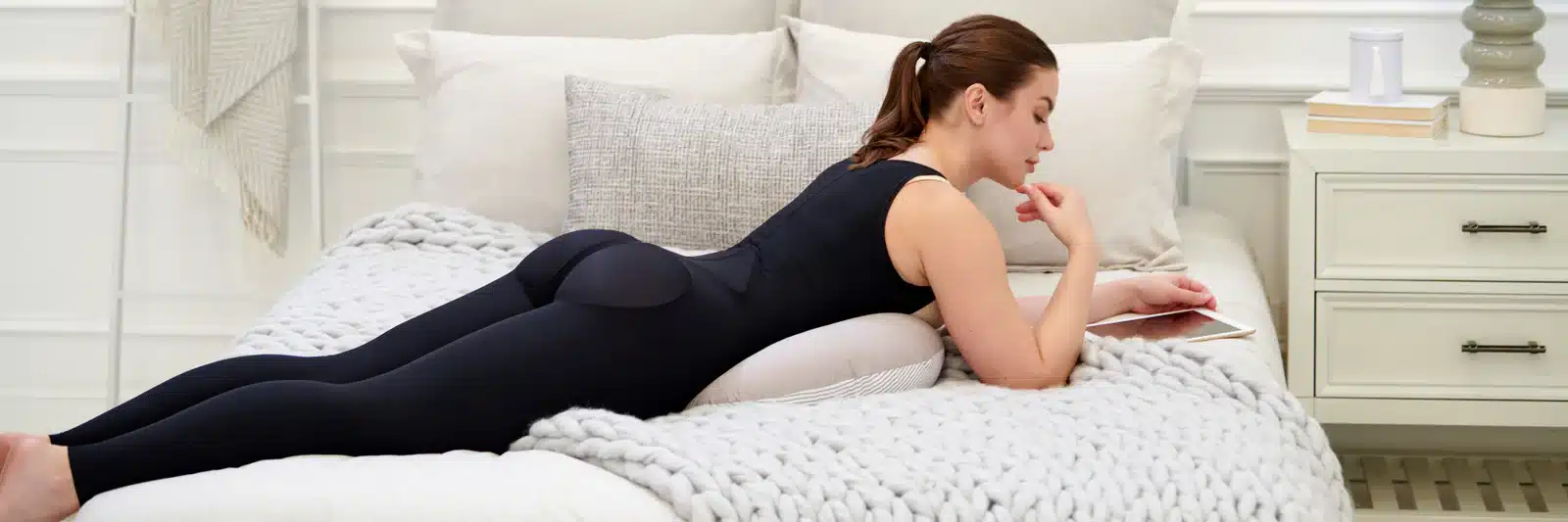
First Week
Don a stage one compression garment 24/7 to manage swelling and support grafted fat. This should be comfortable but not constricting. Verify twice daily that it is not causing any redness or pinching.
Refrain from sitting on your buttocks and sit on a BBL pillow or donut cushion when sitting for short periods. Rest and low movement are needed to minimize tension on grafts and decrease bleeding risk.
Inspect incision sites and garment fit every day for leaking fluid, increasing pain, or numbness and address concerns immediately. Patients generally sleep on their stomach or side during this phase to prevent any pressure.
Examples include medical-grade full-body faja with butt cutouts or high-waist compression shorts worn over dressing.
Weeks 2–6
Wear compression garments according to instructions, frequently moving to a stage two faja by week two or three when swelling subsides. Swelling and bruising typically begin to subside in week two.
By weeks three and four, most patients experience significant comfort gains. You can begin incorporating light activity, such as short walks and gentle housework, but no hard workouts, weight training, or high-impact exercise for four to six weeks.
Modify garment snugness as swelling subsides to maintain consistent compression. Some patients find they require a smaller size at week four. Start rocking looser clothes like soft pants, yoga pants, or relaxed fitting dresses.
Stretchy materials put less strain on the treated area. Keep an eye on incisions and skin for irritation from seams or elastic.
After 6 Weeks
Discuss ongoing compression requirements with your surgeon. Most patients remain in garments for six to eight weeks, though some find them helpful for longer if residual swelling remains.
Wear your regular clothes. Think stretchy denim, jeggings, and looser skirts as tolerated and stay away from super tight jeans or restrictive shapewear until you’re fully healed.
Return to more normal routines but continue to avoid heavy lifting and deep bending for a few more weeks. Final contour settling can take up to six months, so take your time adjusting your wardrobe to accentuate your new shape as the soft tissues adapt.
Recovery timeline differs for everyone based on age, health, and if additional procedures were performed. Remain patient and adhere to clinical guidance.
Visual timeline (simple): Week 0 to 1: Stage 1 garment 24/7. Weeks 2 to 6: Stage 2 garment daytime and overnight. After 6 weeks: intermittent compression as advised.
Clothing To Avoid
What to Wear After a BBL Clothes That Hurt Your Healing, Comfort, and Final Results. The wrong clothes can squeeze grafted fat, inhibit blood flow, or chafe healing cuts. Think loose and flexible pieces that don’t apply continued pressure to the buttocks, hips, or lower abdomen until your surgeon gives you the go-ahead.
Tight Waistbands
Tight waistbands can compress the lower abdomen and the flanks where fat may have been harvested or grafted. Compression at the waist can alter blood flow patterns, increase swelling, and create pressure points that manifest as indentations once swelling subsides.
Bands that rest directly on incision sites or graft zones may irritate and render graft survival less certain. Seek out full elastic waistbands that extend at least 20 to 30 percent more than relaxed fit or drawstrings that you can loosen as swelling shifts.
Things like high-rise soft leggings with wide non-binding waist panels, tie-wrap skirts you can adjust, and wide-knit waistbands that spread the pressure. Skip fixed waistbands with stays or metal fasteners, low-rise stiff bands that dig in, and any shirt that yanks you down when you sit.
Restrictive Jeans
Restrictive jeans or any pants that are tight against the buttocks and upper thighs, such as skinny jeans, are not appropriate in early recovery. Pressing on the grafted area can dislodge fat cells or blood vessels too small before they develop a new blood supply.
Regular denim with minimal elasticity builds up friction with movement, which compounds soreness and the risk of marks or pressure bruises. Finally, hold off on the fitted jeans until swelling has gone down and your surgeon says your tissues can handle it again.
As temporary stand-ins, reach for loose-fitting pants, gentle joggers, or denim composed of a minimum of 10 to 15 percent elastane that bends with you. Opt for mid- to low-compression pieces only on clearance if you want prescription, medical-grade, high-compression garments.
Non-Stretch Fabrics
Non-stretch fabrics such as stiff cotton drill, certain linen blends, canvas or heavy denim do not conform to shifting body shape throughout healing. They can chafe at incision sites, generate shear forces as you move and walk, and do not allow for normal swelling.
Rigid seams and structured pockets focus pressure on small patches of skin. Favor fabrics with a high stretch content: blends of cotton with spandex, modal-spandex mixes, or synthetic knits that offer at least 15 to 30 percent stretch.
Keep a list to avoid: rigid denim, heavy canvas, and structured suiting. Preferred: jersey knits, ponte blends, and lightweight compression fabrics recommended by your clinic. Take off any clothes that leave a mark, numb you, hurt or do not go away red.
Mindful Dressing
Mindful dressing refers to selecting garments that support physical healing and emotional comfort post-BBL. It’s about comfort, cut, and micro-decisions that minimize hassle and boost confidence. Be forward-thinking, maintain a dressing log, and select pieces that facilitate movement and shield surgical sites.
Fabric Psychology
Soft, smooth fabrics can lift your mood and feel comforting when your skin is sore. Natural fibers like cotton and bamboo allow skin to breathe and reduce sweat that can irritate incisions. Silk blends feel sumptuous and slide across the body, which reduces friction.
No coarse weaves, no coarse synthetics, nothing with heavy seams that bite in. Lightweight jersey knits and modal are soft on sensitive skin and have enough give to accommodate swelling. Slightly stretchy fabrics take the stress out of sitting or bending over.
Try a swatch of each fabric at home before you buy to test feel and stretch.
List of soothing options: high-thread-count cotton, bamboo viscose, modal, light fleece for cool days, silk blends for short wear, and soft micro modal for undergarments.
Color Choices
Color influences mood. Soothing tones like pale blues, muted greens, and warm neutrals reduce tension and establish a stable visual backdrop. Brighter shades such as coral or teal can lift your spirit on days when you need it.
Pair them with neutrals to avoid overstimulation. Play with color to construct confidence. Darker shades surrounding any bloating look more flattering and camouflaging. Lighter shades closer to the face keep it fresh.
Pair compression garments and outerwear so they read as a set versus medical wear and outfit. Make a simple palette: one neutral base, one soft accent, and one uplifting pop color. This speeds up outfit planning and decreases decision fatigue.
Accessorizing Comfort
Select accessories that bring the fashion stress free. Light scarves can conceal straps or inject color, and wide-brim hats provide shade without touching surgery areas.
Steer clear of belts or tight waist chains or snug jewelry that presses on your hips or the waist as this can interfere with healing and circulation. Choose slip-ons or flat sneakers that don’t require you to bend over too much.
Small crossbody bags worn high on the torso keep weight off the hips. Practical list: soft scarf, floppy hat, slip-on shoes, crossbody bag, soft eye mask for rest, and padded seat cushion for car travel.
Plan your outfits the night before and maintain a daily outfit journal recording comfort, pressure points, and skin reactions so you can pare down quickly.
Conclusion
Soft, easy stretch garments support your body to heal and feel stable. Choose airy materials such as cotton or lightweight mesh. Aim for something that supports your waist and hips without being binding in the front. Opt for high-waist briefs or wrap-style shorts to provide consistent pressure on the hips and lower back. Throw on a button-down shirt for convenient dressing and dressing assistance. Anticipate week-by-week adjustments. Short walks assist blood flow. Have extra layers for swelling or chills. Avoid tight bands, rough seams, and low-rise pants that press the incision. Test a straightforward outfit each morning to reduce decision fatigue. Small choices add up: steady support, easy access, and comfort. Want to revamp your closet? Begin with a strong foundation today.
For a fuller treatment of garment fit, wear schedules, the swelling timeline and the warning signs that need a call to your surgeon, see our complete guide to compression garments after liposuction.
Frequently Asked Questions
How long should I wear compression garments after a BBL?
Wear the compression garments full-time for the initial 4 to 6 weeks, then as advised by your surgeon. This assists in managing swelling and enhancing shaping. Follow your surgeon’s exact timeline for best results.
Can I shower while wearing my compression garment?
You can shower when your surgeon approves, typically 24 to 48 hours post-op. Take it off for a moment if directed and lay a fresh one back on. Keep incision areas dry and adhere to wound-care guidelines.
What fabric and fit should my recovery garments have?
Opt for breathable, seamless, tight-but-not-ouchy clothes made from medical-grade compression fabric. They should provide uniform pressure, lie flat on incisions, and not rub tender spots.
When can I stop worrying about clothing rubbing my incisions?
Most irritation subsides after four to six weeks as scars heal. Until then, wear soft, loose layers and skip rough seams. Visit your surgeon if you observe redness, drainage, or heightened pain.
Are there clothes I should avoid during BBL recovery?
No tight waistbands, high heels, low-rise jeans, clothes that sit right on top of your buttocks for a minimum of 6 to 8 weeks. Steer clear of non-breathable fabrics that trap moisture and raise the risk of infection.
How soon can I return to normal clothes and exercise?
Typically, you can return to daily clothes at 4 to 6 weeks and light exercise at 4 weeks. You should return to full, intense workouts at 8 to 12 weeks or as approved by your surgeon to safeguard fat grafts and contour.
How do I prevent shifting or uneven results from clothing?
Wear good compression. Don’t sit directly on your booty for prolonged periods during the initial 2 to 3 weeks. Sleep on your stomach or side as recommended. Wear and activity recommendations for an evenly healed BBL.
