Directions
 Call Us
 Email Us



Key Takeaways
- Liposuction is a cosmetic procedure that permanently eliminates stubborn pockets of fat. It usually focuses on areas such as the tummy, thighs and hips that usually are resistant to a healthy diet or working out.
- Ideal candidates need to be in overall excellent health and have a stable weight. They should be realistic about the results possible from body contouring to help ensure the best outcomes.
- Chronic health conditions, medication interactions, and previous surgical history are important factors to discuss with a healthcare provider before considering liposuction.
- If you want to enjoy long-lasting results, be prepared to invest in a healthy lifestyle. Have realistic expectations and prioritize a healthy diet, regular exercise, and no smoking before and after the procedure.
- To ensure ideal outcomes following surgery, you will need to adhere to post-operative care instructions diligently. Take control of any possible side effects and allow your body to properly recover.
- If you aren’t quite ready for surgery or do not qualify to be a candidate, look into non-surgical fat reduction alternatives such as CoolSculpting. Lifestyle changes may be equally good, if not better, alternatives for you.
The best candidate for liposuction is someone who is generally healthy and close to their ideal weight. They have one or more areas of stubborn fat that won’t respond to diet or exercise. This treatment produces the best outcomes for those with toned, supple skin and a clear understanding of what will be achieved.
Liposuction is an effective way to contour the body, but it is not intended for weight loss or obesity. The most frequent areas of treatment are the abdomen, inner and outer thighs, hips, flanks, arms and back. Those who are good candidates for this procedure often wish to improve their overall body contour instead of making drastic weight loss goals.
Talk to a board-certified surgeon to determine your individual candidacy. Completing this step is the key to receiving the best possible outcome tailored to your unique goals and needs.
What Is Liposuction
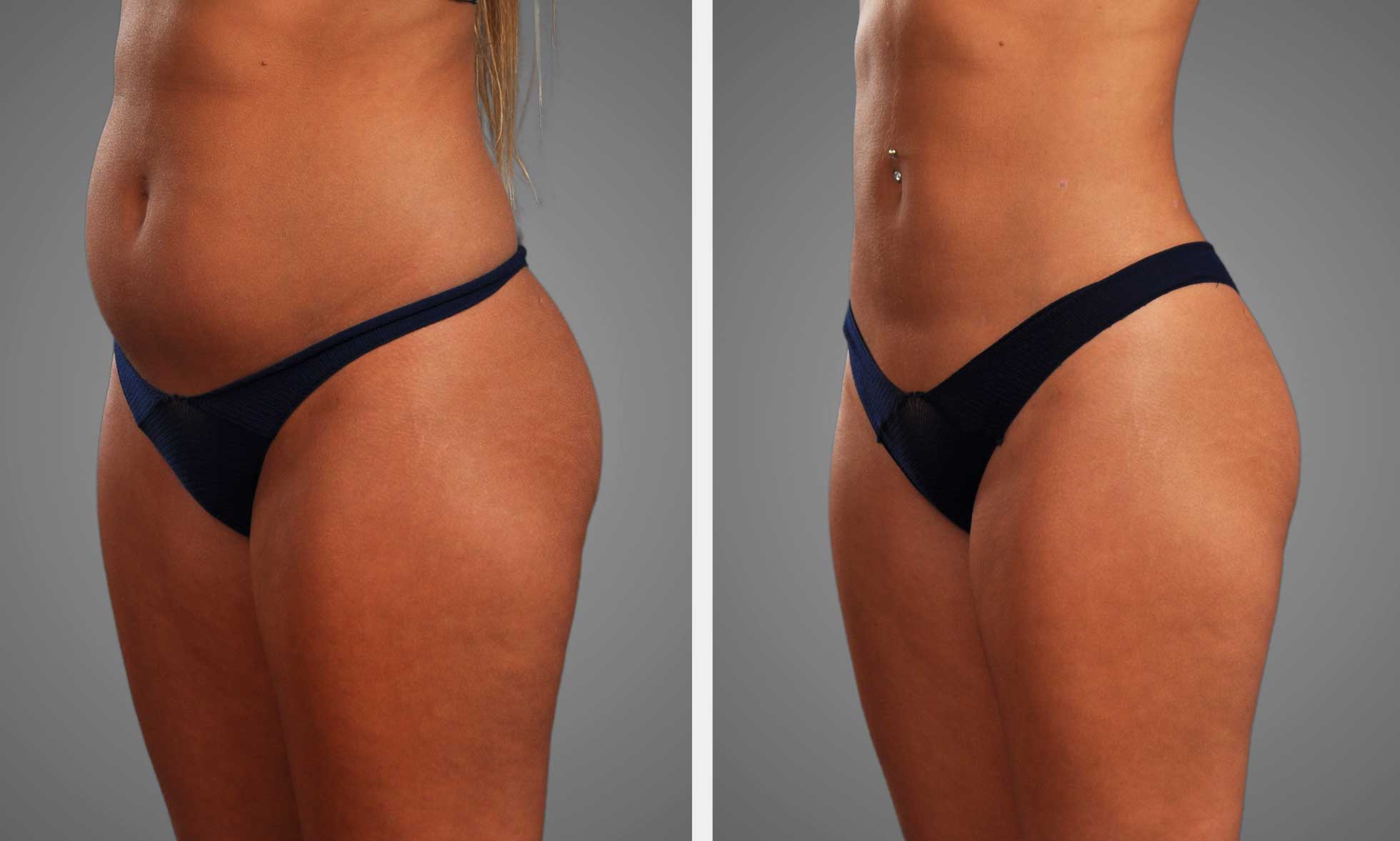
As a cosmetic procedure, liposuction is designed to proactively remove stubborn fat deposits. These deposits are generally unresponsive to conventional approaches like diet and exercise. It’s a surgical procedure that removes fat deposits from specific areas to contour your body.
It isn’t meant to be a first-line treatment for shedding pounds. Through small, discreet incisions, a surgeon uses advanced suction techniques to precisely remove unwanted fat from underneath the skin’s surface. This process results in a more natural looking, sculpted figure.
This process does magic for people who are near their goal weight, usually within 10 to 15 pounds. It’s ideally suited for sculpting those difficult trouble spots rather than for overall weight reduction.
Define Liposuction Clearly
The best candidate for liposuction should be a healthy adult. They need to be free of major medical issues such as cardiac disease or poorly controlled diabetes. Maintaining a stable weight is necessary because weight gain or loss can interfere with the outcome.
Candidates need to be realistic, too, and have the expectation that while liposuction can dramatically improve contours, it will not create dramatic changes. This procedure works best for individuals with localized fat deposits, such as love handles or belly fat, that persist despite healthy habits.
Firm, elastic skin and good underlying muscle tone help ensure the best possible results.
Explain How Liposuction Works
Past health factors, such as chronic or systemic illnesses or a significant surgical history, play a role in determining candidacy. Blood-thinning medications can make the process more complicated, needing to be adjusted prior to surgery.
After the procedure, full recovery can take several months, making patience and commitment to post-surgical care vital.
List Common Body Areas Treated
Most frequent treatment areas for liposuction include the abdomen, inner and outer thighs, and buttocks. It’s essential to keep up with a healthy diet and exercise routine before and after surgery to ensure long-lasting results.
Quitting smoking well ahead of time helps, too. Lifestyle factors make a big difference in ensuring you heal properly.
Who Qualifies For Liposuction
Overall, the liposuction procedure can be an extremely transformative surgical process for the right patient, but not everyone qualifies as ideal liposuction candidates. Determining suitability requires addressing medical history, weight maintenance, patient goals, body contouring, and skin retraction, which are crucial for achieving successful liposuction results.
1. Explain Ideal Health Requirements
Being in good overall health, both mentally and physically, is key to ensuring a successful surgical experience and recovery period. Potential candidates need to be in a stable state of health, without any significant medical issues such as heart disease or uncontrolled diabetes.
Additionally, non-smokers tend to heal better because smoking can slow down the body’s recovery process. Skin elasticity is an important factor. Healthy, firm, elastic skin conforms more easily to the body’s new contours, improving the overall result.
Someone with thick, elastic skin and a BMI of 27 will have a lower risk of complications. For their patience, they’ll be rewarded with higher quality results. Healing is quicker as well when the body is in peak physical state.
2. Discuss Weight Stability Importance
Liposuction should not be viewed as a weight loss solution, but instead, a body contouring tool. Surgeons advise candidates to be within a stable weight range for at least six months before.
Generally, the best candidates are those who are at least 30 percent of their ideal weight with a BMI of 18.5 to 24.9. If you don’t qualify for surgery yet, you’re in luck!
CoolSculpting in combination with other lifestyle changes—eating healthier diets and working out more—is extremely powerful.
Medical Factors To Consider
When exploring the liposuction procedure, understanding medical factors is critical to determine if this body sculpting treatment aligns with your health profile and aesthetic goals.
Discuss Chronic Health Conditions
Chronic health conditions like diabetes or heart disease may affect whether you’re a candidate for liposuction. For instance, people who have diabetes that is well-controlled may still experience delayed healing secondary to diminished perfusion.
Obesity, often defined as a BMI greater than 30, increases risk for complications such as infections or extended recovery. Achieving a lower BMI goes beyond avoiding complications and can achieve superior outcomes.
Surgeons routinely prescribe stabilizing these conditions or pursuing other alternatives to allow for safe surgery.
Explain Medication Interactions
Some other medications can get in the way, most notably blood-thinners or anti-inflammatory medications. These up the risk of bleeding or bruising too much while you’re recovering.
If you take certain medications regularly, your surgeon might put you on a different regimen for a short time period. For example, discontinuing aspirin two weeks before surgery is standard practice for many as a preventative measure against increased risks.
Highlight Surgical History Relevance
Your past surgical history matters. Previous abdominal surgeries, like a C-section, may affect skin elasticity or healing time.
Surgeons evaluate scar tissue and the area’s condition to avoid complications. For those with a history of liposuction, additional procedures might not yield the same tight results, especially if loose skin persists.
Lifestyle Factors Affecting Suitability
When you’re a candidate for the liposuction procedure, daily lifestyle factors and long-term health investments significantly impact the outcomes and recovery journey, beyond just the physical qualifications. Proper healing is crucial for achieving your body goals.
Discuss the role of diet and exercise
A healthy diet and regular physical activity are the bedrock. Surgeons and doctors frequently educate their patients to the fact that liposuction is not supposed to be a first line weight loss solution but a body shaping treatment. Candidates who are near their ideal weight, within 10 to 15 pounds, typically have the most positive results.
Keeping a low BMI is equally important to their success. Research indicates holding this weight for a minimum of six months prior to having the procedure is necessary. A healthy diet, alongside some healthy movement, make sure these changes stick around.
For instance, adopting behaviors such as meal prepping or enrolling in a group fitness class can create patterns that are more enjoyable and easier to maintain. Once these patterns become second nature, they help facilitate the body’s own maintenance of contours achieved in surgery.
Examine smoking and alcohol habits
Smoking and alcohol consumption can complicate the procedure and recovery as well. Most surgeons, including Dr. Charest, will advise you to quit at least several weeks prior. Smoking reduces the blood and oxygen that are key to healing, and alcohol can complicate recovery by raising the risk for bleeding.
You can have the greatest impact on worker health by substituting smoking breaks with walking breaks. Another easy switch that does the trick—try replacing alcohol with NA drinks.
Explain commitment to post-surgery care
Yet long-term success only comes with a commitment to lifestyle factors long after surgery. Liposuction is most effective when combined with a healthy lifestyle to maintain and protect your results. Staying on top of a surgeon’s aftercare instructions, like wearing compression garments and refraining from strenuous activity, is key.
With liposuction costing up to $2,000 to $10,000, it’s prudent to ensure that you are doing everything you can to protect your investment. Approaching the procedure with realistic expectations—knowing that it’s meant for body contouring, not severe weight loss or gain—is a fundamental step towards achieving long-lasting results.
Risks And Complications Of Liposuction
Though the liposuction procedure is one of the most common cosmetic surgeries performed, it remains a surgical process with risks and potential complications. Understanding these risks can help you determine if this body sculpting treatment is the right choice for your aesthetic goals. Below, we explain the complications that can arise as a result of liposuction.
List Potential Side Effects
It is common to experience bruising and swelling in the area of treatment, as well as mild scarring. Bruising frequently occurs from the suctioning process and can take several weeks to disappear.
Swelling is a common symptom as well and it must go down before results are completely apparent, leaving many patients waiting patiently during their recovery. Scarring is a risk in as many as 30% of patients. The amount of scarring usually is related to how well their skin heals.
Fluid accumulation, or seromas, can happen, in which collections of fluid develop beneath the skin. Although these are treatable, they introduce yet another layer to post-surgical care.
Explain Infection Risks
Infection risks are always an important consideration with any surgical procedure. Keeping things clean and sterile in the OR and following surgery is key.
Be sure to closely follow all of your surgeon’s instructions. Limit or avoid alcohol consumption and smoking for 2–4 weeks prior to your procedure and 2–4 weeks following it. This reduces risk for complications and promotes healing as a whole.
Discuss Recovery Challenges
Post-operative recovery can include swelling, bruising, tenderness, and a general lack of mobility. While most patients are able to return to light activities within a week, complete recovery will take a bit longer.
Symptoms such as swelling typically go down over time, with results becoming more apparent as your body recovers. Making sure to keep up with aftercare routines, such as wearing compression garments, can help combat those issues.
Benefits Of Being An Ideal Candidate
To be an ideal candidate for the liposuction procedure, you should meet specific criteria that ensure a successful liposuction treatment. This elite status unlocks various benefits, leading to a more streamlined and satisfying surgical process. Achieving smoother outcomes and reducing recovery time are primary objectives for effective liposuction.
Achieve better surgical outcomes
Candidates with a normal or near-normal BMI usually have the most successful outcomes. People within 10 to 15 pounds of their goal weight do great, too. A little more about liposuction: Liposuction works best on localized collections of stubborn fat that won’t budge with diet and exercise alone.
Someone who is near their ideal weight can have a more even contouring effect from the surgery. In this phase, the surgeon will concentrate on sculpting targeted areas rather than extracting larger amounts. This more targeted approach leads to more durable results and a greater sense of satisfaction with the final result.
Experience smoother recovery process
Ideal candidates are more likely to have a smoother recovery. Most people are back to their normal routines in just a few days. Using new techniques, many patients can go home the same day, usually one to two hours after surgery.
A healthy candidate’s body has a greater capacity to heal, cutting down on downtime and getting them back to regular life much sooner.
Minimize risks and complications
Ideal candidates reduce the risk of complications. With more than 491,000 procedures in 2021, liposuction is still the gold standard for fat removal. Individuals who are healthy and close to their goal weight typically have a more protected experience.
Their bodies are more equipped to manage not only the procedure, but the recovery.
Alternatives To Liposuction
Liposuction remains the most common body sculpting procedure for body contouring, but it doesn’t have to be the sole means to achieve your aesthetic goals. Here are some healthy alternatives for anyone who wants to lose weight, which range from non-surgical solutions to long-term lifestyle changes. Being aware of these alternatives allows people to choose the options that are best suited to their goals and health requirements.
Discuss Non-Surgical Fat Reduction Options
Non-surgical fat reduction treatments offer a more localized and less invasive approach to eliminating unwanted fat, making them appealing for those who want to avoid traditional liposuction. CoolSculpting destroys fat cells with controlled cooling, while SculpSure utilizes advanced laser technology. These procedures are particularly focused on areas of the body such as the stomach or thighs, ideal for individuals looking to enhance their body contours without extensive downtime.

Typically, several treatments are required to achieve visible outcomes, and unlike the liposuction procedure, these options are largely painless, making them a popular choice for busy professionals. Ultrasound-based procedures, like UltraShape, and radiofrequency-based procedures, like Vanquish, are also available for targeted fat removal.
While these non-invasive techniques can successfully refine your physique, results tend to be more subtle than with surgical liposuction. They are most effective for individuals who are close to their ideal body weight, designed to help them achieve their aesthetic goals rather than target large areas of fat.
Explain Lifestyle Changes for Fat Loss
Lifestyle changes are the gold standard, underlying any successful efforts to lose body fat and keep it off in the long run. A whole foods’ diet, high in plant-based foods, lean proteins, and healthy fats, is a big part of this equation. To this end, regular physical activity—especially strength training and cardiovascular exercises—fuels fat loss and helps you maintain muscle tone.
Aim for three to five 30-minute blocks of moderate-intensity exercise per week. This method will get you best long-term results with the most dramatic overall body composition transformation. Getting your sleep and stress under control will go a long way in restoring hormonal balance.
That balance is immensely important for healthy fat storage and metabolism. These changes not only help you lose fat, but are good for your health overall. While cosmetic procedures offer a quick fix, lifestyle changes require commitment and time to see results. Nevertheless, they often deliver long-term results that foster a healthier, more active lifestyle.
Conclusion
Determining if liposuction is the best course of action for you requires time and consideration. It’s not only a cosmetic issue, it’s a concern of health, lifestyle and aspirations. The ideal candidate is a patient who is healthy and realistic about their expectations. Liposuction is perfect for removing those localized bulges of fat that you can’t get rid of through diet and exercise. It’s not a substitute for weight loss or a fad fix.
The more you know about your options and the risks, the better decisions you can make. Having an open and honest conversation with a physician you trust can answer your questions. Once you have decided liposuction is the next step, knowledge truly is power.
Don’t rush the process, don’t be afraid to ask questions, and do what feels right for you. Exploring other options could actually pleasantly surprise you with better suited choices. Ultimately, choosing whatever option seems like the best fit is the most important thing.
Frequently Asked Questions
What is liposuction?
Liposuction, often referred to as a body sculpting treatment, is a cosmetic surgery designed to remove excess fat from targeted areas of the body. This effective liposuction procedure is ideal for contouring stubborn fat deposits that resist diet and exercise, rather than serving as a weight-loss solution.
Who is an ideal candidate for liposuction?
A good candidate for the liposuction procedure is someone who is near their desired weight, healthy, and possesses skin with good elasticity. They should have stubborn fat deposits that resist diet and exercise, and having realistic expectations is essential for a successful liposuction treatment.
Can liposuction help with weight loss?
Second, no, the liposuction procedure is not a weight-loss procedure. Instead, it is designed to remove localized pockets of fat for effective body sculpting. Maintaining a healthy lifestyle is crucial for achieving long-term results.
What medical conditions might affect liposuction eligibility?
Additionally, conditions like heart disease, diabetes, or poor wound healing increase the risk of the liposuction procedure. A deep dive medical evaluation with your physician is key prior to undergoing effective liposuction.
How does lifestyle impact liposuction suitability?
Maintaining a healthy lifestyle that incorporates physical fitness and a balanced diet significantly enhances the results of any liposuction procedure. Non-smokers typically experience better healing and reduced complications during the surgical process.
What are the risks of liposuction?
Other risks involved in the liposuction procedure include infection, scarring, and uneven fat removal. Choosing a trusted, qualified surgeon minimizes these risks, so address any complications during your plastic surgery consultation.
Are there alternatives to liposuction?
Yes, there are non-surgical alternatives, such as CoolSculpting or laser fat removal. While these techniques are certainly less invasive, they often provide more subtle outcomes compared to the liposuction procedure.