Directions
 Call Us
 Email Us



Key Takeaways
- Liposuction causes temporary bruising and longer-term hyperpigmentation when surgical trauma, blood staining, and inflammation injure skin layers and initiate excess melanin release. Keep healing under observation and request prompt guidance should discoloration linger.
- Those with darker skin or who have pigmentary disorders are at increased risk of visible post-operative skin discoloration. Share medical history and tailor surgical plans to skin type.
- Surgical decisions are important. Gentler techniques, experienced surgeons, and sophisticated devices minimize tissue trauma and decrease the risk of internal scarring and pigment alterations.
- Prep and shield skin by maximizing nutrition, steering clear of blood-thinning supplements, applying recommended skincare, wearing compression pieces, and limiting sun exposure pre and post-op.
- For stubborn pigmentation, think of a stepwise treatment beginning with topical brighteners and then energy-based modalities or customized chemical peels as necessary. Discuss realistic timelines and risks with a specialist.
- Factor in emotional readiness. Plan by setting realistic expectations, talk about potential appearance changes with your surgeon, and seek support if discoloration impacts self-image.
Liposuction and skin discoloration occurs when fat extraction interferes with circulation and melanocytes, resulting in bruising, hyperpigmentation, or hypopigmentation. These depend on a number of factors, including surgical technique, degree of tissue trauma, the type of patient’s skin, and their healing response.
Medications, the sun, and even post-operative infection can exacerbate discoloration. Most discoloration resolves in weeks to months, though some require topical treatment or procedures. Below we discuss causes, risk factors, and treatments.
The Discoloration Process
Liposuction creates all sorts of skin changes that result in discoloration. Here’s a rough explanation of how trauma, bleeding, inflammation, melanin activity, and internal scarring each contribute to pigment change. The discoloration process overlaps in time. For many individuals, fading starts in a matter of weeks, and the majority of patients see significant improvement by six months. However, some pigment alterations can persist for months or even years.
1. Physical Trauma
Surgical instruments and cannulas sweep through subcutaneous layers and they can nick small blood vessels and scalpel dermal cells. This physical trauma jumbles the neat stack of skin layers and can leave the local melanocytes shifted or disturbed. Movement of the cannula near the dermis can cause the melanocytes to act up, resulting in splotches of discoloration.
More aggressive fat removal or treatment passes increase the risk of hyperpigmented or hypopigmented scars. A soft technique, precise depth control, and as few passes as possible minimize mechanical stress on the skin and decrease the risk of discoloration.
2. Blood Staining
The blood that seeps into tissue causes that initial lipo bruising. Hemoglobin in extravascular blood breaks down into pigments like hemosiderin and biliverdin, resulting in brownish or greenish tones under the skin. Such stains can be mottled and can take weeks to clear as the body reabsorbs the pigments.
Typical blood stains are on the waist, thighs, and abdomen where suction is focused. At the discoloration stage, appropriate compression, timely drainage of hematomas, and diligent post-op care all reduce the intensity and life span of staining.
3. Inflammatory Response
Inflammation is the body’s initial repair response. Cells secrete cytokines and other mediators that can activate surrounding melanocytes to ramp up pigment synthesis. Swelling and redness come before the darkening for a lot of them. The darkening is a subsequent stage in the inflammatory sequence.
Some skin types, particularly those with darker baseline pigmentation, are prone to postinflammatory hyperpigmentation. By watching for prolonged inflammation and catching it early, they can prevent a transient reaction from becoming chronic hyperpigmentation.
4. Melanin Production
More melanin is the root of post-inflammatory hyperpigmentation. Melanin increases as a defense mechanism to both tissue injury and UV light during repair. Darker skin tones tend to stain at a higher rate due to baseline melanin being elevated.
Monitor pigment transformation during that initial three to six month period. The majority of individuals experience consistent enhancement within this timeframe. If the color persists or intensifies beyond this time frame, then you can think about treatment.
5. Internal Scarring
Scar tissue develops underneath and changes the skin’s texture and hue. Hypertrophic or keloid scars can look raised and hyperpigmented. Mild internal scarring can lead to a subtle uneven tone.
Scar discoloration can linger even after surface wounds have healed. Early intervention with silicone, steroid injections, or laser enhances outcomes and minimizes pigment issues down the road.
Inherent Risk Factors
Intrinsic risk elements define skin’s post-liposuction response and fuel the odds of hyperpigmentation. Genetic makeup, baseline skin health, systemic disease, and lifestyle all interplay to affect results. The bullets below decompose these factors into concrete things clinicians and patients can evaluate prior to surgery.
Your Skin Type
Darker skin types have more melanin, which increases the risk of hyperpigmentation post-surgical trauma. Even minor bruising or inflammation can provoke long-lasting dark patches in these patients. Fragile or delicate skin allows veins and imperfections to shine through more easily.
It can scar or grow visible textural changes post-aspiration. For instance, a Fitzpatrick type V patient is at greater risk of post-inflammatory hyperpigmentation than a type II, so surgical plans should minimize trauma. Employ gentler cannulas, restrict suction passes, and forego power-based adjuncts.
Customize incision location and closure to camouflage scars and minimize tension. When appropriate, use pre-op topicals to stabilize pigment.
Your Medical History
Prior skin disease and systemic health influence healing. Eczema, previous keloids and scars alter blood flow locally and collagen remodeling, making for a higher risk of uneven pigment. A history of melasma or post-inflammatory hyperpigmentation foretells a return after any insult.
Comorbidities such as diabetes mellitus, anaemia, low serum protein, kidney malfunction and immunosuppression slow repair and increase the risk of persistent oedema or infection that can secondarily change colour. Patients with a family history of diabetes need blood sugar checked pre-op.
Remember previous cosmetic treatments or fibrotic areas with adhesions, as scarred tissue is less amenable and more prone to uneven pigmentation.
Bullet list — modifiable and non-modifiable risk factors:
- Non-modifiable: genetic skin type, age over 50 years, family history of diabetes, prior scarring, inherent pigment disorders.
- Modifiable factors include smoking, alcohol abuse, malnutrition, uncontrolled diabetes, medications such as aspirin, clopidogrel, and NSAIDs, recent IV drug use, and obesity-related redundant skin.
A simple table for clinic use helps rapid assessment: columns for factor, modifiable (yes/no), impact on pigmentation, recommended action (for example, stop smoking four or more weeks).
Your Lifestyle Choices
Smoking causes decreased oxygen delivery and impairs your wounds from healing. Quit at least four weeks prior to surgery to minimize complications. Inherent risk factors such as poor diet and malnutrition, low protein or micronutrient deficits, impair collagen synthesis and may cause persistent edema and pigmentation.
Underlying risk factors, too much sun exposure pre and post surgery increases melanin response and exacerbates hyperpigmentation. Use broad spectrum. Optimize skincare: gentle cleansing, anti-inflammatory topicals, and controlled sun protection support even tone.
Bullet list — lifestyle factors to optimize pre and post-op:
- Stop smoking ≥4 weeks
- Correct nutritional deficiencies, increase protein
- Avoid NSAIDs/antiplatelets as advised
- Minimize sun exposure and use SPF
- Control blood sugar if diabetic
Surgical Variables
Surgical variables are the decisions made prior to and during liposuction that configure healing, skin tone variations, and scars. These decisions range from the technology applied to the surgeon’s technique to the aggressiveness of fat removal to the post-operative care protocol. All connect directly to the risk of pigmentation changes, slow healing, and long-term aesthetic outcome.
Liposuction Technology
Surgical Factors – New technology can reduce tissue trauma and decrease the rate of post-operative hyperpigmentation. For instance, tumescent liposuction introduces massive volumes of diluted local anesthetic and epinephrine to minimize bleeding and trauma. It is a perceived gentle technique that frequently produces less stretch-mark changes and smaller scars.
Laser- or ultrasound-assisted systems can help break up fat for easier removal. Some say they give improved skin retraction which disguises patchy tone, but results vary by device and surgeon. Traditional or power wound techniques push and pull tissue more, which can increase inflammation and the risk of hyperpigmentation in sensitive skin.
Some of the newer technologies can tighten skin and diminish remaining laxity, which decreases surface unevenness that makes color differences more apparent. Choose technology with goals in mind: minimize scars, speed healing, or maximize contour change. Match technology to the patient’s skin type and expectation. Darker skin tones increase the risk of post-inflammatory hyperpigmentation. Choose less-traumatic systems and schedule longer follow-up.
Surgeon’s Technique
Meticulous, gentle surgical technique minimizes injury to skin and subcutis, slashing risk of pigment alterations. Surgical variables include small, strategically placed incisions that camouflage scars and confine pigment migration, while large or bad wounds amplify visible discoloration.
Depth of fat removal matters. Shallow, even removal preserves superficial blood supply and lowers the chance of mottled tone. Experienced surgeons eliminate fat in deliberate, small passes and use atraumatic cannulas. They check for seroma pockets and close in layers to minimize scarring.
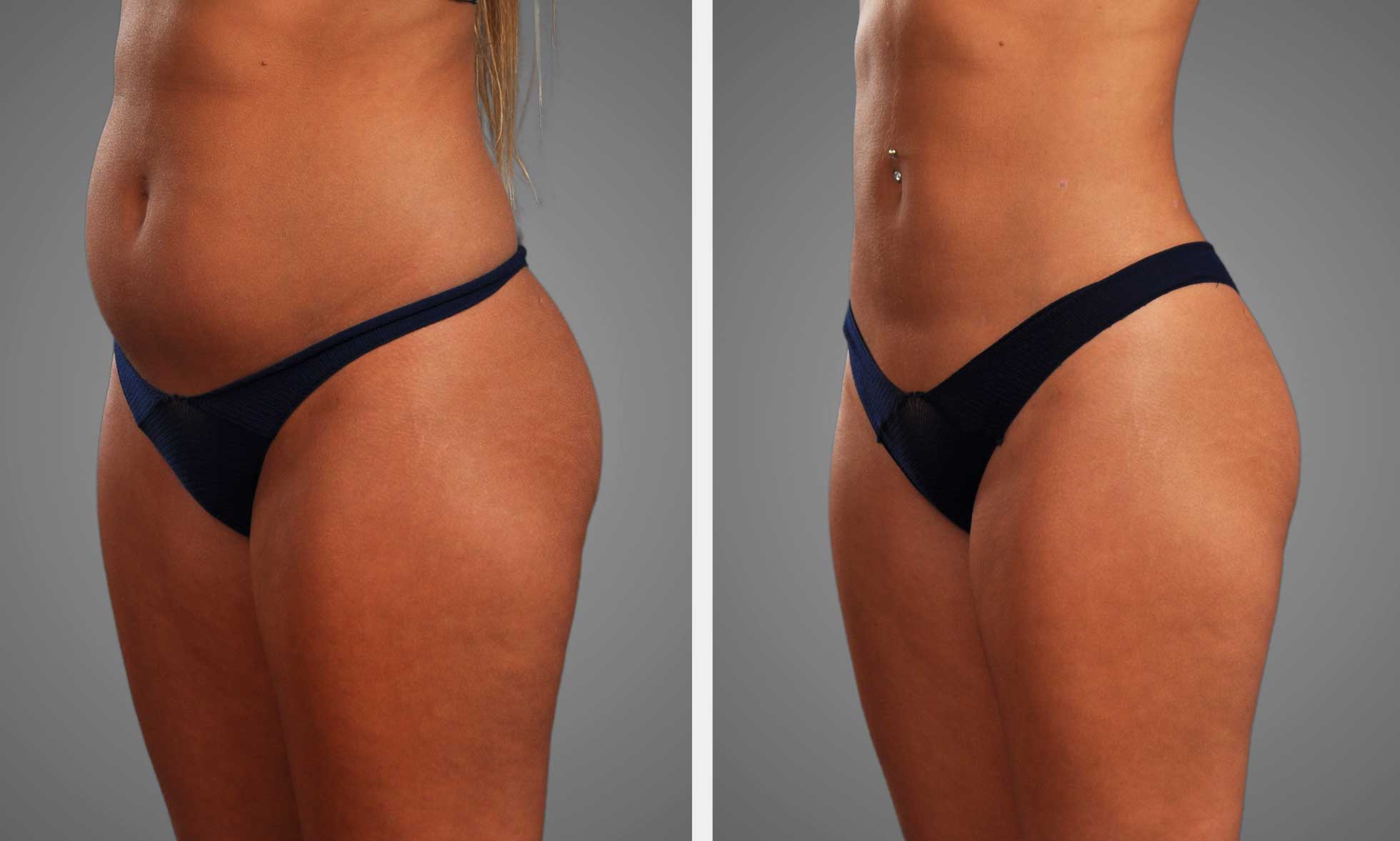
Scouring before and after pictures assists in capturing a surgeon’s consistency to create a smooth tone and small scars. Counseling should include that visible improvement is often six to twelve months.
Procedure Aggressiveness
Aggressive fat extraction increases the risk of internal scarring, contour irregularities, and discoloration. Big, single-stage surgeries amplify trauma to the tissues, extend operative time, and may exacerbate inflammation, which are elements associated with hyperpigmentation. Increased surgery time can result in increased swelling and an extended healing period.
Balance desired contour against skin preservation. If you’re covering large areas, a staged approach minimizes trauma and helps you better keep an eye on changing skin tone. Post-op care is equally important. Proper use of compression garments, early detection and drainage of seromas, and the avoidance of vigorous activity for about two weeks all speed healing.
As long as the technique and care are sound, infection rates are low, less than one percent, but infection can exacerbate discoloration if it does happen. Even a year post-surgery, scars are faint with a bit of lingering redness.
Proactive Prevention
Proactively preventing skin discoloration after liposuction begins with pre- and post-care planning. Smart planning reduces hazards and provides more definite anticipation of recovery and color shifts.
Pre-Operative Care
Maximize skin health for weeks leading up to surgery. Try gentle cleansers and a moisturizer formulated for your skin type. Products with ceramides or hyaluronic acid are great choices.
If you have prescribed topical agents, discuss timing with your surgeon so you do not halt or resume them in a manner that interferes with healing. Discontinue medications and supplements that increase bleeding risk as recommended by your surgeon.
Typical culprits to hold are aspirin, NSAIDS, vitamin E, fish oil, and some herbal supplements. Adhere to an explicit list from your clinician and verify timing. Halting too early or too late can nonetheless increase bruising and subsequent hyperpigmentation.
Optimize repair with better nutrition. Consume protein-based meals and add some vitamin C from citrus or bell peppers and zinc from legumes or lean meat. Stay hydrated and drink about 8 glasses, or around 2 liters, of water a day to retain skin moisture and promote circulation.
Heed all pre-op instructions to the letter. Prep the targeted site as instructed and steer clear of tanning or harsh exfoliation in the weeks leading up to surgery. Good prep minimizes intraoperative trauma to skin and decreases the risk of blood staining that leads to chronic discoloration.
Post-Operative Diligence
About proactive prevention – Stay on top of the site and only apply recommended gentle moisturizers during early recovery. Change dressings as directed and report signs of infection immediately.
Infection adds to inflammation and risk of pigment shift. Wear compression garments every day for the duration recommended, typically a few weeks. Compression prevents swelling, aids in skin redraping, and controls internal bleeding.
These actions can prevent bruises that leave dark marks. Block the sun for a minimum of six months after surgery! Targeted UV rays power melanin production, transforming healing bruises or cuts into permanent discolorations.
Top with broad-spectrum sunscreen that has a high SPF for any healed or healing areas, even on cloudy days, and use physical barriers where possible, such as clothing, a wide-brimmed hat, and so on.
Begin scar treatments only once incisions heal fully, usually 6 to 8 weeks post-op. Early massage or creams on open wounds cause damage. Once healed, silicone sheets, sunscreen, and topicals can be applied on a regular basis to reduce the scar, flatten it, and normalize color.
Patient education and a prevention checklist do wonders. School signs to monitor, a list of medications to steer clear of, hydration and nutrition targets, a compression wear regimen, sun protection measures, and when to schedule scar therapy.
Little daily things accumulate and reduce long-term staining risk.
Corrective Treatments
Post-liposuction skin discoloration corrective treatments focus on diminishing excess pigment, enhancing skin texture, and shielding healing skin. They run the gamut from conservative topical care to in-office procedures. Selection is based on pigmentation depth, skin type, and patient goals.
A hybrid approach with clinician supervision, patient education, and persistent scar care typically works best.
Topical Solutions
Topical lightening agents are typically initial therapies. Dark spots may fade over weeks with prescription or over-the-counter creams containing hydroquinone, azelaic acid, or kojic acid. Over-the-counter products with vitamin C or retinoids assist by slowing pigment production and increasing cell turnover.
Regular application is important, as it may take a few weeks before you notice visible change. Use as recommended and don’t combine treatments without a doctor’s supervision. Sunscreen must be a daily habit to avoid exacerbation.
Light skin creams and emollients help encourage barrier repair and reduce irritation that can aggravate pigmentation. For instance, a treatment regimen might combine a nightly retinoid with a morning antioxidant serum and a broad-spectrum SPF 30+ sunscreen.
Energy-Based Devices
Lasers and other energy devices target melanin or remodel tissue. Narrowband UVB and excimer lasers may be used specifically for pigment control in some cases. The 1,064-nm picosecond-domain Nd:YAG laser has shown good results for persistent pigment changes.
Improvement may require up to ten sessions. These can further resurface the skin, aiding discolored patches in looking more even. Several treatments are common and you should anticipate a handful spaced weeks apart.
Device selection should be consistent with the skin type and depth of pigment to avoid paradoxical darkening, particularly in darker phototypes. So are pre-treatment testing and patch treatments.
Aftercare consists of sun avoidance and mild skincare to reduce the risk of postinflammatory hyperpigmentation.
Chemical Peels
Chemical peels exfoliate the top skin layer to erase surface hyperpigmentation and even tone. Superficial peels, such as glycolic or low-strength TCA, are appropriate for less severe cases. Deeper peels can access more persistent pigment but are riskier.
Choosing the appropriate peel strength involves clinician evaluation of skin type, scarring, and ability to heal. Lighter peels may require multiple treatments to see a change, while deeper peels provide more immediate results with extended downtime.
Check for side effects like irritation, infection, or post-inflammatory hyperpigmentation, which can exacerbate discoloration. Pair peels with topical maintenance and diligent photoprotection for maximum results.
- Topical agents include hydroquinone, azelaic acid, kojic acid, vitamin C, and retinoids. They have a slow onset and low invasiveness.
- Energy-based: Nd:YAG (1,064 nm), excimer, narrowband UVB are effective for deeper pigment and require multiple sessions.
- Chemical peels are superficial to medium depth and they exfoliate pigment. The risk varies by strength.
- Supportive care: sunscreens, barrier creams, and patient education are essential to prevent recurrence.
The Emotional Impact
Skin tone changes after liposuction can overwhelm you with emotions. Patients anticipate physical gains, thus unforeseen bruising or noticeable scarring can feel like a regression. Those feelings are common and have clear roots. The body you saw before surgery now looks different, and the change can challenge how you see yourself.
Recognize the emotional toll of surprise skin tone shifts post-lipo. Up to a third of patients face emotional upheaval after surgery, and that can present itself as mood swings, anxiety, or depression. Mood swings are common: one moment you might feel pleased by a slimmer silhouette, the next you may worry about blotchy or darkened areas. About 30% of patients experience these roller coaster feelings of depression and anxiety, which can make day-to-day life more difficult during those initial weeks.
Understand that apparent scarring and pigmentation could be detrimental to self-esteem and body image. For a lot of us, the face in the mirror is linked to identity. Dark patches or patchy tone can undermine confidence even if results are good. Studies indicate that 70% of people feel more confident post-surgery. That increase largely hinges on both how closely physical results align with expectations and how much support they receive.
Examples: someone who expected smooth, even skin may feel disappointed when hyperpigmentation appears. Another person may accept light bruising quickly and still feel positive about overall contours. Emphasize the importance of having realistic expectations prior to surgery. Transparent, candid preoperative discussions assist. Surgeons should inform patients that discoloration, bruising, and scar variations can occur and often subside over weeks to months.
Research indicates that numerous patients experience increased happiness within weeks and that the incidence of their depression decreases by more than 50% within half a year. Still, most acclimate within weeks, and scheduling for the emotional curve accelerates that acclimation. Talk openly about your emotional concerns around skin. The emotional aspect is significant, as is the support of family and friends.
Family and friends provide support, assistance, and comfort, making the emotional rollercoaster more manageable. If you feel down, overwhelmed, or disinterested for longer than a couple of weeks, reach out to someone you trust, a professional, or a support system. Ongoing emotional aftercare, such as counseling and support groups, assists patients in making this transition more easily and leads to increased long-term satisfaction.
Conclusion
Liposuction can leave dark or blotchy skin. Mini vessel trauma and blood leakage cause most of these issues. Skin tone, age, and health increase the risk. Technique, instrument selection, and post-operative care all influence how the skin recovers. The majority of marks will diminish as time goes on. Simple steps cut the risk: gentle massage, sun shield, and steady follow-up with the surgeon. For persistent scars, laser treatments, topical treatments, and skin grafts provide obvious routes. The anxiety and insecurity that come afterward do as well. Discuss with a reliable physician, provide images, and establish repair and care objectives. Explore your choices, select one that suits your lifestyle, and begin the next step with your care team.
Frequently Asked Questions
What causes skin discoloration after liposuction?
Skin discoloration can frequently arise from bruising, which is blood underneath the skin, and inflammation. The trauma from liposuction causes some of the tiniest blood vessels to break. This results in temporary blue, purple, or brown discoloration that can take weeks to months to fade.
How long does discoloration usually last?
Most discoloration clears in two to twelve weeks. Deeper or older bruises and pigment changes can take a few months to completely dissipate.
Are some people more likely to get discoloration?
Yes. People with darker skin, older adults, smokers, and those on blood thinners are at increased risk. Preexisting skin conditions can raise susceptibility to permanent pigment shifts.
Can anything prevent discoloration after liposuction?
Early compression, blood thinner avoidance, following your surgeon’s care plan, and light movement reduce bruising. Cold compresses immediately might help for 48 hours. Prevention decreases the intensity, but doesn’t guarantee no discoloration.
When should I see a doctor about discoloration?
Visit your surgeon if the discoloration is getting worse after two weeks or you have severe pain or swelling, fever, or signs of infection. See a consult if pigment changes last longer than a couple of months and are worrisome.
What treatments help correct post-liposuction discoloration?
Topical lightening agents, retinoids, chemical peels, laser or IPL therapy, and microneedling can assist. If you’re thinking about laser treatments, consult a board-certified dermatologist or plastic surgeon to determine which option is best for your skin type.
Will discoloration affect the final contour result?
Discoloration per se does not alter the surgical contour. Extended swelling or complications that cause tissue changes can affect outcomes. Early follow-up means problems are dealt with immediately.