Directions
 Call Us
 Email Us


Key Takeaways
- Lymphedema causes swelling in the arms or legs. This happens due to a blockage of the lymphatic system.
- Liposuction actually treats lymphedema. It removes excess fatty tissue that retains fluid, helping to eliminate swelling.
- What are the benefits of liposuction for lymphedema? It improves mobility, decreases discomfort, and increases self-esteem (by reducing limb size).
- Liposuction offers substantial advantages for individuals looking to undergo body contouring. It also carries risks, such as infection, changes in skin sensation, and potential complications from anesthesia.
- It’s important to talk to your doctor first. They can help you determine whether liposuction fits into your lymphedema management plan.
- Before undergoing liposuction, try to make lifestyle changes and consider additional treatments such as compression garments to improve results and assist with recovery.
Lymphedema affects millions, but did you know liposuction offers hope?
Imagine being able to control the swelling and discomfort with something more than the standard options.
Liposuction, although usually a cosmetic procedure, is now seen as a lifesaver for lymphedema. It helps mitigate the build-up in your limbs, providing relief.
Like any treatment, it has its risks. You have to weigh the pros and cons.
Start by seeing a specialist. They will walk you through the journey, making sure it meets your needs.
You deserve to explore every option for a fuller, freer life.
Take that first step today.
What Is Lymphedema
Lymphedema, particularly chronic lymphedema, occurs when protein-rich lymphatic fluid starts to accumulate in the tissues, leading to swelling. Imagine a balloon filling up with water slowly; that’s a similar process happening in your body. This condition can affect any part of your body, but it often impacts the limbs due to lymphatic dysfunction caused by injuries or treatments like radiation.
It’s important to note that lymphedema presents itself in two forms: primary lymphedema, which is often genetic, and secondary lymphedema, which arises from external damage. Those suffering from stage lymphedema may find their mobility significantly restricted, making daily activities a challenge.
The impact of lymphedema on quality of life can be profound, as it disrupts not just physical movement but also emotional well-being. Understanding the nuances of lymphedema treatment, such as surgical interventions or compression therapy, is crucial for effective management.
In advanced lymphedema cases, patients may require comprehensive lymphedema management programs that include therapies like lymphatic drainage massage and proper bandaging techniques. This holistic approach can help improve lymphatic circulation and reduce swelling.
Ultimately, recognizing the symptoms and seeking appropriate lymphedema treatment can lead to better outcomes. Engaging with local lymphedema therapists and exploring surgical options may provide relief and enhance the quality of life for those affected by this challenging condition.
Causes of Lymphedema
Secondary lymphedema often emerges as an unwelcome visitor following cancer treatment or trauma, leading to complications in lymphatic circulation. Infections and certain diseases can also significantly harm the lymphatic system, contributing to chronic lymphedema. Understanding the underlying causes is crucial for effective lymphedema management, allowing patients to utilize various treatment options to maintain control over their condition.
On the other hand, primary lymphedema is primarily a hereditary issue linked to genetic problems. This type of lymphedema can manifest at different stages, making it essential for individuals to recognize the symptoms early. By identifying whether they are experiencing early lymphedema or advanced lymphedema, patients can seek appropriate interventions and therapies.
Figuring out the root causes of lymphedema is vital for developing effective lymphedema treatment strategies. By understanding the condition, patients can engage in ongoing lymphedema management, utilizing resources such as local lymphedema therapists to help control and reduce symptoms. With the right support, individuals can navigate the complexities of lymphedema and improve their quality of life.
- Common Causes:
- Cancer treatments
- Trauma
- Infections
- Genetic dysplasia
Symptoms of Lymphedema
Swelling in your limbs isn’t the only telltale sign of chronic lymphedema. You may also notice your skin thickening or hardening, resembling a suit of armor. This symptom often accompanies advanced lymphedema, where the risk of infections like cellulitis becomes a concern. Symptoms can vary significantly; it’s a bit of a chameleon that changes with the stage of lymphedema, making early lymphedema management crucial.
In addition to swelling, lymphedema patients might experience changes in skin texture and elasticity. The thickening of the skin can indicate the presence of excess adipose tissue, which often accumulates in the affected areas. This accumulation can lead to complications if not addressed promptly through effective lymphedema treatment strategies. Recognizing these signs early is vital for successful intervention.
Moreover, the progression of lymphedema can lead to more severe conditions, such as lymphedematous limbs, where the swelling becomes pronounced and may restrict mobility. Understanding the symptoms associated with different stages of lymphedema is essential for patients and healthcare providers alike. Proper education and awareness can facilitate timely and appropriate surgical interventions, improving overall surgical outcomes.
Finally, the management of lymphedema often requires a comprehensive approach, including lifestyle changes and possibly surgical techniques. Patients may benefit from consulting local lymphedema therapists to develop a tailored management program. By addressing symptoms early and effectively, individuals can mitigate the impact of chronic lymphedema on their daily lives and maintain a better quality of life.
Traditional Treatment Options
Managing lymphedema is a mix-and-match game.
You have complete decongestive therapy and compression garments in your arsenal. Manual lymphatic drainage and really good skincare also prevent symptoms from developing.
If you want a little more, surgical options such as physiologic microsurgery can come into play.
The key is to address lymphedema from all sides to manage it.
- Complete decongestive therapy. Compression garments. Manual lymphatic drainage. Surgical procedures.
How Liposuction Helps Lymphedema
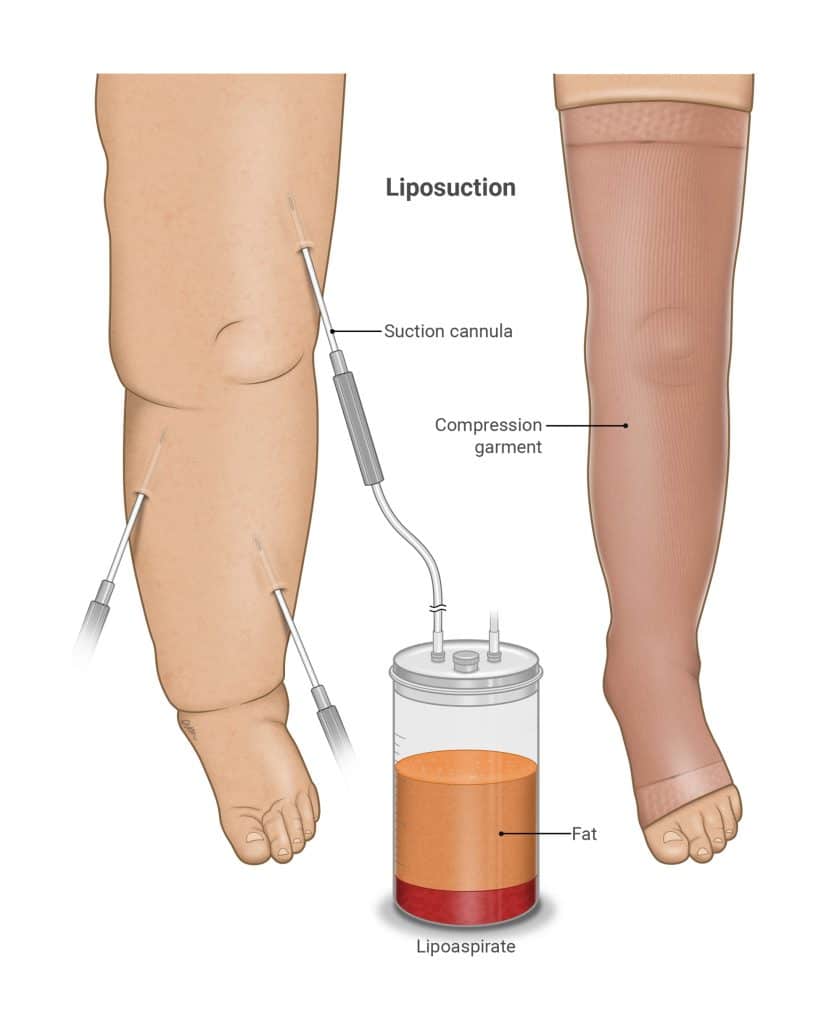
Imagine living with chronic lymphedema, where your limbs feel heavy and swollen with fluid. Cue liposuction to the rescue, which is a way to manage the condition effectively. This surgical technique eliminates excess adipose tissue associated with lymphatic dysfunction, making a significant difference, particularly when combined with other treatments such as compression garments.
Liposuction treatments do more than just reduce swelling; they can drastically improve the function of your lymphatic system. This is especially beneficial for lymphedema patients in advanced stages, where limb volume reduction can lead to enhanced mobility and comfort.
Moreover, the liposuction procedure can help alleviate the burden of chronic lymphedema by addressing the challenges posed by excess lymph fluid. When integrated into a comprehensive lymphedema management program, the surgical outcomes can be transformative for those suffering from this condition.
In conclusion, for individuals dealing with advanced limb lymphedema, the combination of liposuction and traditional lymphedema treatments offers a promising pathway. With proper care and guidance from local lymphedema therapists, patients can experience significant improvements in their quality of life.
Mechanism of Liposuction in Lymphedema
Liposuction works by removing excess adipose tissue and fluid from affected areas, similar to cleaning out a messy room to allow everything to function smoothly again. This surgical technique is particularly beneficial for lymphedema patients, as it can significantly aid in limb volume reduction.
After the liposuction procedure, wearing compression garments is crucial. These garments help keep swelling down, which is essential for maintaining the surgical outcomes achieved through this treatment.
Additionally, liposuction plays a significant role in enhancing lymphatic drainage, making it a powerful warrior against chronic lymphedema. This approach not only addresses the cosmetic aspects but also contributes to improved lymphatic fluid flow.
Ultimately, the combination of the liposuction technique and proper postoperative care can lead to remarkable improvements for individuals with lymphedema, allowing them to regain a healthier limb and quality of life.
Types of Liposuction Techniques
There are various types of liposuction techniques available, including the traditional lymphedema liposuction and tumescent methods. The classic liposuction technique is straightforward, while advanced methods may incorporate skin excision to better manage chronic lymphedema.
Selecting the appropriate lymphedema treatment depends on the individual’s unique case. For some lymphedema patients, a combination of these approaches can effectively address limb volume reduction and swelling while also potentially removing excess skin.
Comparing Liposuction with Other Treatments
Here’s where chronic lymphedema treatment through liposuction shines. Unlike conservative methods that merely target swelling, this surgical technique effectively removes excess adipose tissue. For many lymphedema patients, limb volume is drastically reduced, with some experiencing a remarkable 90% reduction in excess volume within a year.
Over five years, that drop remains considerable, solidifying liposuction as a popular choice for managing advanced lymphedema. This thorough lymphedema liposuction approach not only enhances the surgical outcome but also significantly improves the quality of life for those affected by this condition.
Benefits of Liposuction for Lymphedema
1. Reduction in Swelling
Any type of liposuction is a big deal when it comes to lymphedema.
By targeting and eliminating excess fluid and fat specifically, it provides visible relief.
Imagine waking up one day and seeing a major decrease in the size of your limbs—immediately following the procedure!
Patients often describe it like a weight lifted off them, literally and figuratively.
Over time, this reduction in swelling can lead to healthier skin, for a more comfortable place to live.
Consider Sarah, for example. Her skin didn’t feel as tight or uncomfortable after surgery, she said. Many others have echoed the sentiment.
2. Improved Mobility
Picture this: with decreased limb volume, you’re able to move around with newfound ease.
This isn’t merely about movement; it’s about reclaiming independence and confidence.
A lot of people are doing things that they thought they would never do again.
Reflect on the last time you didn’t take a walk or dance because you felt constrained.
With better mobility, you can make dating an active thing.
All of this activity will lift your spirits and make your brain happier.
The joy of movement can’t be overstated, and it’s an important part of health.
3. Enhanced Quality of Life
After liposuction, most patients experience an increase in self-confidence and a more positive body image. It’s like meeting a more confident version of yourself.
Chronic pain and discomfort don’t need to shadow your every move. With their reduction, you can have more quality social interactions and make better lifestyle choices.
It’s not simply about feeling better physically — it’s about feeling better about life in general.
The ripple effect of enjoying a better quality of life touches every aspect, from personal relationships to daily routines.
Here’s a little list of what liposuction can offer you:
- Up to 30% reduction in lymphedema within three years
- Decreased incidence of cellulitis by 75-87%
- Less reliance on compression garments
- Enhanced lymphatic function and reduced risk of further issues
Risks of Liposuction for Lymphedema
1. Possible Complications
If you’re considering the liposuction procedure for the treatment of chronic lymphedema, it’s important to understand potential complications. Some of the common issues you could experience directly after surgery include swelling and pain. These can be very uncomfortable, but typically they soften over time with proper care and compression bandage techniques.
There’s also the risk of infection, making good wound care super important. Think clean dressings and avoid unnecessary touching to minimize complications. In some cases, the skin may not heal well, resulting in skin necrosis or delayed healing, particularly in patients with advanced lymphedema.
A thorough preoperative check is crucial, as it helps catch any issues before they happen. Ensuring a comprehensive assessment can lead to improved surgical outcomes and better management of lymphedematous limbs post-surgery.
Overall, understanding the risks and preparing adequately will contribute to a smoother recovery process. Engaging with local lymphedema therapists for ongoing management can also enhance healing and reduce the likelihood of complications.
2. Recovery Time Considerations
Recovery after liposuction isn’t simply a matter of resting up for a few days.
Typically, you can expect weeks of recovery before you feel like yourself again.
It’s important to follow the care instructions your doctor provides. This can actually help make a difference in how well you heal.
Factors such as the extent of the surgery can help determine how long you’ll need to heal.
It’s prudent to plan on getting lots of rest and ensure you don’t let any follow-up appointments slip through the cracks.
Preparation helps smooth the transition back to your normal routine.
3. Long-term Effects
Changes in skin texture and elasticity after a liposuction procedure can be a common long-term effect, particularly in lymphedema patients. Ongoing lymphedema management is crucial for maintaining your results and preventing a recurrence of symptoms, especially in cases of chronic lymphedema. Sometimes, additional surgical treatments or interventions may be necessary in the future to address any complications.
Regular follow-ups with your health care provider can help monitor your lymphatic circulation and catch any issues early, ensuring the effectiveness of your lymphedema treatment. This proactive approach is like having a safety net for your health, particularly for those dealing with advanced lymphedema or other related conditions.
Incorporating a comprehensive lymphedema management program can enhance your recovery and improve overall outcomes. By staying engaged with local lymphedema therapists and adhering to recommended practices, you can better navigate the challenges associated with lymphedema and enjoy a healthier, more fulfilling life.
Starting Liposuction for Lymphedema
Consulting a Specialist
So you’re diving into the world of liposuction for chronic lymphedema? First stop: a specialist who knows their stuff in lymphedema treatment. What you want is someone experienced in managing lymphedema because this isn’t just some general surgery; it’s a team sport, really.
Think of a local lymphedema therapist as your coach — they’ll help determine whether you’re a good fit for the liposuction procedure. You should also write down your symptoms and treatments related to your extremity lymphedema. That way, if you get to talking with them, you’ve got your info all set. It’s like telling your story, and every little detail matters.
Remember, don’t hold back. Discuss your hopes, concerns, and what you expect from the treatment. They’ll do an in-depth examination to determine the path forward that’s best for you, possibly involving advanced lymphedema management strategies.
This comprehensive approach ensures that you receive proper care tailored to your specific needs. With the right guidance, you can navigate your journey toward effective limb volume reduction and improved quality of life.
Ultimately, finding the right surgical option is crucial for achieving the desired surgical outcomes in your lymphedema management.
Pre-surgery Preparations
So now before the big day for your lymphedema treatment, there’s a little prep work involved. Think of it as preparing for an epic journey towards managing your chronic lymphedema. You’ve got some tests to do—imaging studies and lab tests—just to ensure your overall health is in tip-top shape for the upcoming surgical procedure.
If you smoke, it’s time to hit pause on that, at least a month before surgery, as this can affect your surgical outcomes. You’ll also learn about the liposuction techniques and what recovery looks like. It’s a lot, but knowledge is power, especially when navigating the complexities of lymphedema management.
If you smoke, it’s time to hit pause on that, at least a month before surgery.
The preparation phase is crucial, as understanding the intricacies of the surgical approach will help alleviate anxiety. Engaging with local lymphedema therapists can provide valuable insights into what to expect during the recovery process and how to manage limb volume reduction effectively.
Ultimately, this journey is about regaining control and improving your quality of life. With the right preparation and support, you can navigate the challenges of lymphedema treatment and emerge stronger.
Post-surgery Care and Follow-up
Post-surgery, there is a game plan to execute. Those instructions are your roadmap to get back stronger.
Regular doctor check-ins help track your healing progress to ensure everything is going in the right direction.
Compression therapy becomes your new best friend; it maintains the results you’ve achieved.
If anything feels off, don’t wait. Ask your healthcare team to reach out.
Here’s a quick glance at what to expect:
| Factors | Details |
|---|---|
| Surgery Duration | A couple of hours, with up to a week in the hospital |
| Volume Reduction | Near-total reduction in excess volume, especially in arms |
| Compression | Garments worn for 6 months post-surgery |
| Success Rate | 91.4% achieve at least 90% reduction in excess volume |
Conclusion
There you have it, folks!
Where it should be much more useful is in managing lymphedema, a condition that can occur after surgery. It helps remove excess fat and fluid. You feel relief and can move better. Sure, there’s some risk, but with the right doctor, you learn how to mitigate that.
Think of it this way: it’s just the right tool for the job. You don’t use a hammer to fix a leaky faucet, right?
Next, what?
Your turn!
If lymphedema cramps your style, maybe it’s time to chat with your doc.
Ask questions. Consider your options.
You deserve to live your best life without lymphedema weighing you down.
Don’t sit there — get out there and put yourself in control of your health.
You’ve got this!
Frequently Asked Questions
What is lymphedema?
Lymphedema is a swelling condition caused by a buildup of lymph fluid, often presenting as extremity lymphedema affecting the arms or legs. This condition can be painful and limit movement significantly.
How does liposuction help manage lymphedema?
Liposuction procedures effectively remove excess adipose tissue and fluid, aiding in the management of chronic lymphedema by decreasing swelling and enhancing limb function.
What are the benefits of using liposuction for lymphedema?
Liposuction procedures significantly improve mobility and ease pain, while also enhancing quality of life by reducing chronic lymphedema swelling.
Are there risks involved with liposuction for lymphedema?
Yes, risks associated with surgical interventions for lymphedema treatment include infection, scarring, and temporary numbness. However, complications are rare when performed by skilled professionals specializing in managing chronic lymphedema.
Who is a good candidate for liposuction to manage lymphedema?
Ideal candidates for lymphedema treatment often experience chronic lymphedema, characterized by swelling of the legs that doesn’t improve with traditional therapies. A consultation with a specialist can help determine if you’re a good candidate for advanced lymphedema management options.
What should I expect when starting liposuction for lymphedema?
Expect a thorough evaluation, pre-surgery prep, and post-surgery recovery plan tailored to lymphedema patients, as the process is customized for each individual.
Is liposuction for lymphedema a permanent solution?
While it provides long-term relief for lymphedema patients, liposuction is not a cure for chronic lymphedema. Ongoing management and follow-up care are key to achieving optimal surgical outcomes.