Directions
 Call Us
 Email Us


Key Takeaways
- Fat grafting rejuvenates and restores volume in the hands using the patient’s own fat. This procedure could be a big win for arthritis sufferers.
- By providing joint cushioning, the technique reduces arthritis symptoms, increases mobility, and enhances the overall appearance of hands.
- This method offers a less invasive option than traditional surgery. You’ll also experience minimal scarring and natural-looking results.
- Ideal candidates are those with hand volume loss due to arthritis and who have sufficient excess fat for transfer.
- The process consists of taking fat from elsewhere, preparing it, and injecting it into the hands.
- There is little to no downtime following the procedure, as there are specific aftercare instructions to follow for the best results.
Ever wondered how fat grafting can support arthritis in hands? Many are finding relief in this surprising hand-rejuvenation solution.
Fat grafting smooths the skin and relieves arthritis pain. The process is simple: transfer fat from one spot to your hands. Recovery is fast, and the results are permanent.
Perfect for those looking for natural and long-lasting relief from arthritis. This treatment is specifically designed to address arthritis and restore a youthful look in hands.
Fat grafting is a viable option for those who are over these arthritis symptoms. Hand of Hope” offers a new solution to hand rejuvenation.
What is Fat Grafting?
Define Fat Grafting
Fat grafting is about using one’s own fat to enhance specific areas of the body.
It’s the process of injecting harvested fat cells into specific areas, such as the hands, to restore volume.
This means using your own fat, from places like the thighs or belly, minimizing any risk of rejection.
It’s like giving your body a helping hand using what’s already yours.
The process isn’t just for decoration, either, but also to relieve arthritis pain.
Precision is paramount here — the fat needs to go in exactly the right way to achieve the best result.
This is the dedication in detail that makes fat grafting a dependable option for both beauty and function.
Purpose of Fat Grafting
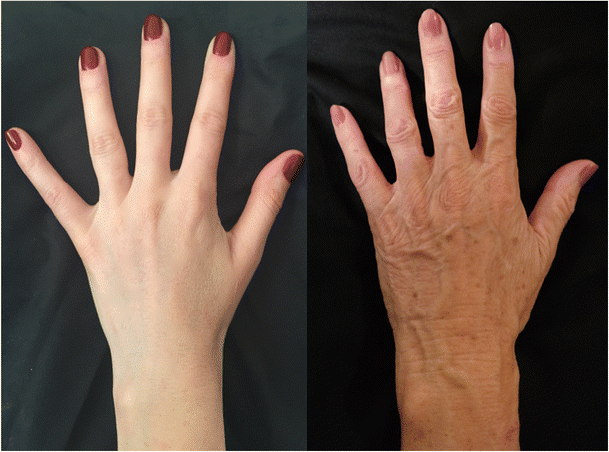
Fat grafting is primarily used to replenish the fullness lost in aging hands. It’s also good for counteracting the effects of arthritis.
By doing so, it diminishes the appearance of veins and tendons, which makes hands look youthful. It also helps alleviate arthritis, giving relief from pain. It’s not just looking good; it’s feeling good too.
With a dual role of appearance and function, this technique greatly improves both. Is it any wonder it’s a favorite for those looking to rejuvenate their hands!
Areas Treated with Fat Grafting
When it comes to areas treated, the dorsal hand and fingers are top picks.
Fat grafting is not limited to cosmetic issues; it’s also used for other conditions, such as arthritis and lipoatrophy.
It does wonders for volume loss on all the different parts of the hand.
Its versatility goes beyond looks. It treats medical concerns, like Dupuytren’s contracture and scleroderma — even helping with Raynaud phenomenon and digital ulcers.
The method, with its low-pressure injection and precise fat placement, ensures a whopping 79% correction of preoperative angles.
Patients say they notice a real lift in their quality of life and most are very happy overall.
How Does Fat Grafting Help Arthritis?
1. Alleviate Arthritis Pain
I’d heard about how fat grafting could actually relieve arthritis pain. This isn’t just hearsay; it’s the regenerative power of the fat cells doing their thing.
Now imagine these cells stepping in to cool down inflammation and play around with what pain feels like.
People who have tried it say their pain scores drop significantly. They report an average score of 2.2 before the procedure, which drops to a mere 1.28 two months later, and 1.4 even three years afterwards.
That’s why it’s no surprise that fat grafting is coming up as a viable alternative to standard pain management techniques.
2. Improve Joint Function
Fat grafting doesn’t only relieve pain — it returns joint function. By restoring the cushion around joints, it assists you in moving and dexterity.
I’ve read studies where patients showed major improvement in grip strength and range of motion after getting the procedure. They went from QuickDASH scores of 52 pre-surgery to 20 two years later.
Arthritis patients find this boost in function makes daily tasks easier. It greatly improves their quality of life overall.
3. Enhance Hand Appearance
Beyond function, fat grafting works wonders on a cosmetic level. It addresses concerns such as volume depletion and tissue laxity, so hands appear youthful and vibrant.
This isn’t just about vanity; better hand aesthetics can have a massive psychological effect, improving self-esteem.
The results look and feel natural because it’s your own fat being used.
4. Promote Tissue Regeneration
The healing potential of adipose tissue is amazing.
Fat grafting jumpstarts collagen production. It also improves skin quality, as the grafts contain mesenchymal stromal cells.
Over time, this regenerative power can result in considerable improvements in tissue quality and, ultimately, long-term benefits for arthritis patients.
For example, in one study, 79% of preoperative joint angles were corrected post-surgery. The average healing time for ulcers was just 4.2 weeks.
Benefits of Fat Grafting for Arthritis
Long-lasting Results
When it comes to fat grafting, results stick around for a long time. We’re talking many years. That’s a big deal for folks dealing with arthritis where lasting relief is like gold.
How long these results hang about can vary. It depends on things like how well the fat cells survive the transfer and where they’re placed. That’s a pro technique because we want those fat cells to really pack in there.
Patients often share stories of long-term satisfaction, feeling the benefits long after the procedure.
Natural Look and Feel
Fat grafting feels right at home because it uses your own fat.
It’s like giving your body a natural touch-up, as opposed to synthetic fillers that may feel artificial. Your own fat blends in, providing a natural look and feel.
Plus, the soft, natural feel of fat grafting is a win for anyone wanting a more organic vibe.
No visible scars like you might get with more invasive surgeries. That’s a huge plus, allowing you to benefit without the marks.
Minimal Side Effects
Highlighting the safety of fat grafting is another highlight.
We’re talking low risks of serious problems. Yes, there could be some swelling and bruising, but these typically resolve quickly.
For many people, fat grafting stands out as a top choice. It helps them avoid the more serious risks of traditional surgery.
Proper aftercare is key, though. Taking care of yourself after the procedure does keep the side effects away so your recovery is smoother.
Ideal Candidates for Hand Fat Transfer
Suitable Patient Profiles
When it comes to discussing the best candidates for hand fat transfer, particularly for those with arthritis, there’s a lot to consider.
All of this adds up to weigh some heavy considerations.
The ideal person typically has moderate to severe volume loss in their hands, which translates to grades 2 or 3. That’s because simple treatments may not be enough for them.
If you have long, slender hands, that might yield the best aesthetic. This trait is often associated with an ectomorphic body type.
Lifestyle matters, too. If you lead a very active life, be mindful of how you’re treating your hands. You have to be very conscious of any stress you may induce.
Another part is your state of mind, or mental preparedness. You do need to be motivated and have a good idea of what the procedure can realistically provide you.
A complete assessment of your hand’s function and condition will identify whether this is the right path for you.
Fat Grafting Procedure Overview
Preparation Steps
Before we get to that, we need to discuss the prep work.
Before getting into fat grafting, there’s a checklist you need to check.
Patients have an initial consultation where they discuss their medical history and goals. This is also the time to discuss avoiding blood thinners and certain medications. Failing to do so may cause problems down the line.
It’s smart for everyone to make plans for how they’ll get home after the procedure. You can’t drive right after that.
Education comes into play a lot here. Patients want to know what they should expect. This knowledge helps alleviate their anxiety and brings them some control over the whole experience.
Fat Harvesting Process
Moving on to harvesting. It almost always involves liposuction, which is performed with gentle suction techniques to smooth it over.
Choosing the right donor site is crucial. In general, this means choosing areas like the belly or thighs, where there’s some extra tissue to work with.
The size of the cannula, the tool used to extract fat, matters a lot. A smaller one helps limit trauma to tissues, preserving those precious fat cells.
Keeping the fat cells alive is important for the grafts to work. That leaves the fat primed and ready for its new home.
Injection Techniques
In terms of injection, there are a few ways to achieve even distribution.
Low-pressure injection is preferred to decrease the likelihood of losing the graft.
Using multiple injection sites aids in restoring volume evenly, especially in areas such as the hands.
Precision is essential; targeting specific layers makes sure the fat sits just so, providing the best result.
You’re extremely versatile with this fat grafting. In addition to improving your look, it also treats burn scars and relieves arthritis.
The technique’s simplicity and biocompatibility make it a handy tool for surgeons.
Recovery and Aftercare
Post-procedure Care Tips
After fat grafting for hand rejuvenation, some discomfort and swelling are normal. To help with this, I learned some useful tips.
First, it’s important to keep the injection sites clean and dry. This prevents any infection and helps with faster healing.
Compression dressings help with swelling as well, so you’ll wear them for a few days. You also want to avoid heavy lifting or strenuous activities.
You may be tempted to jump back into your routine, but taking it easy is essential. Regular hydration and a balanced diet rich in vitamins support the healing process.
Foods such as fruits, veggies, and lean proteins will go a long way.
Expected Recovery Timeline
The recovery journey after this procedure is individual to everyone, but there are general timelines.
Immediately following the procedure, some swelling and tenderness are to be expected. Most people, like me, are able to return to normal activities within a week.
It’s best not to do anything too intense for a few days. Full recovery, where all swelling goes down and results are clear, can take a few weeks.
It’s normal, at least initially, to see changes over the initial months while things settle. I recall reading that in the first patient series, 98.6% said they were very satisfied, which was reassuring.
Regular follow-ups are important to track progress and address any concerns.
Conditions Treated by Hand Fat Transfer
Types of Arthritis Addressed
In terms of arthritis, fat grafting is a huge difference-maker, particularly when it comes to types such as osteoarthritis.
This process is about more than just looks. It’s meant to make daily life just a little bit easier for anyone struggling with joint pain.
By bringing this fat to the hands, we’re not only cushioning those joints but potentially decreasing inflammation.
Imagine your fingers moving with greater freedom, without that painful objection.
Here’s the kicker: having an accurate diagnosis is key.
So the first thing you need to do is figure out what kind of arthritis you have. That way, your treatment can be tailored to your needs.
Fat grafting appears to be a promising method for improving joint health and providing arthritis patients with a higher quality of life.
Who wouldn’t want that?
Other Hand Conditions
Fat grafting isn’t just for arthritis, either. It’s also quite versatile, dealing with a variety of hand conditions.
Take Dupuytren’s disease, for instance. It’s a condition that causes your fingers to bend inwards, and fat grafting could improve flexibility.
There’s lipoatrophy, where fat loss makes your hands look hollow or aged. Here, fat grafting works wonders on aesthetics, plumping up those areas for a more youthful look.
It doesn’t end with that. For people with hand deformities, this technique can improve function to more easily grip or lift things.
They’re a one-stop shop for all your hand problems. It offers an all-in-one approach that enhances both the look and the feel of your hands.
Effectiveness in Managing Arthritis Symptoms
Clinical Success Rates
So when it comes to fat grafting in hand rejuvenation, the clinical success rates are actually pretty good. I discovered some great numbers!
A full 93.3% of patients had high satisfaction after fat grafting for carpometacarpal (CMC) arthritis. That feedback was built up over a solid 23-month period.
That technique itself has a huge part of the role. However, it does matter how the fat is handled and grafted. Don’t even get me started on patient selection. When you choose the right candidates, the success rates go up big time.
Research consistently supports this finding. It shows that fat grafting often leads to better — or at least as good — results as other methods for addressing arthritis symptoms. We’re talking pain reduction, daily activities, even hand strength.
In terms of satisfaction after the procedure, patients seem to be trending upwards.
Patient Testimonials
Hearing what patients have to say is where it gets real.
They often post about how fat grafting offers them sweet releases from pain. They enjoy how it makes their hands look and feel.
These are people who have tried fat grafting for CMC arthritis.
They can’t stop raving about how their pain disappeared much more quickly—1.7 months instead of 5.7 months! That’s a big deal!
Their range of motion improved by, get this, 40 degrees. Now that’s hard to beat!
The emotional boost from this is something else too. Patients really started to enjoy being able to do simple things again without wincing in pain.
It’s these real-world stories that bring home the benefits of fat grafting. They provide a glimpse into how life-altering this option can be for those with arthritis.
Conclusion
I’ve walked through the nuts and bolts of fat grafting for hand rejuvenation.
It’s as clear as day — this method is promising for people with arthritis.
Fat grafting gives arthritis patients that opportunity for relief.
It provides a natural way to alleviate pain and improve hand functionality.
This isn’t just a journey of fighting arthritis; it’s a journey back to what you love to do.
Anyone who wants to talk with a doctor should be encouraged.
When you get the facts, get them all. Grasp the process. Decide if it’s right for you.
Our hands deserve the best care, and for some of us, fat grafting may be the answer.
Want to learn this technique? Let’s have that conversation and see if fat grafting is the right fit for you.
Frequently Asked Questions
What is fat grafting in hand rejuvenation?
Fat grafting is where you take the fat from one area of the body and put it into the hands. It’s deployed to replenish volume and rejuvenate the look of hands, which can be beneficial for patients with arthritis.
How can fat grafting help with arthritis?
Fat grafting can ease arthritis symptoms by cushioning joints, enhancing hand function, and alleviating pain. The injected fat could have anti-inflammatory effects.
Who are ideal candidates for hand fat transfer?
Ideal candidates are those who have arthritis-induced hand volume loss. They need to have sufficient donor fat and be in good health.
What are the benefits of fat grafting for arthritis patients?
Benefits may include less soreness in the joints, improved hand function, and a better aesthetic appearance. It also uses your own body tissue, so there is less chance of rejection.
Is fat grafting effective in managing arthritis symptoms?
Yes, it does, and it works. Fat grafting can ease pain and cause mobility to improve. Results vary, and it’s not a cure for arthritis.