


Key Takeaways
-
Lipedema renders the blood vessels in your legs more fragile, resulting in easy and often symmetrical bruising following minor bumps. Be on the lookout for repeated or extensive bruising and alert your clinician to any changes.
-
Capillary weakness and connective tissue deficiency cause easy, stubborn bruises and delayed healing. Monitoring bruise size, frequency, and healing time can assist in distinguishing lipedema from normal bruising.
-
Chronic inflammation, microvascular pressure, and fluid stagnation all aggravate bruising and swelling. Employ daily self-checks and a bruise log to track patterns and find triggers.
-
Both gentle compression and protective skin care can reduce swelling and bruising. Wear properly fitted medical-grade garments, protect your skin from trauma, and treat minor wounds promptly.
-
Nutritional and hydration support vessel health. Look for vitamin C rich foods, bioflavanoids, antioxidants, and adequate fluids. Consider logging your intake to identify potential shortfalls.
-
Think about holistic alternatives to symptom management in conjunction with medical care, like lymphatic-friendly massage, stress-reduction practices, and complementary therapies. Talk with your medical team prior to beginning them.
Lipedema and easy bruising on the legs is a chronic fat disorder with uneven fat accumulation and fragile blood vessels. It can be very painful, causes swelling, and the legs bruise very easily, even after a light bump. It primarily impacts AFAB adults and gets progressively worse without treatment. There are clear indicators, straightforward diagnostic tests, and customized regimens to soothe symptoms and minimize bruising. The following sections discuss causes, diagnosis, and actionable care.
Vessel Fragility
Vessel fragility in lipedema means that small blood vessels in affected tissues tend to break, leak, or otherwise fail under low stress. This fragility contributes to why individuals with lipedema frequently experience symptoms like easy bruising, swelling, and pain in the legs, hips, and thighs. Hormonal shifts, chronic inflammation, and changed tissue support all contribute. Compression and multimodal care can alleviate symptoms, but it does not undo the vessel fragility.
1. Capillary Weakness
Capillaries in lipedema tissue are thinner or less hardy than usual, making them susceptible to bursting from minor bumps and normal activity. When capillaries rupture, blood leaks out into the nearby fat and connective tissue, creating the characteristic blue-purple stains that may manifest following mild bluntness. These microbleeds occasionally linger as chronic staining since the local tissue processes blood more slowly than healthy tissue.
This capillary fragility can exist even if you don’t remember an injury. For some, bruises emerge around hormonal milestones like puberty or menstruation, hinting at a hormone connection to capillary integrity. Repeated microbleeds also establish cycles of local iron deposition, low-grade inflammation, and additional vessel fragility.
2. Connective Deficiency
Lipedema means weaker support from the connective tissue matrix around vessels, so vessels sit in a less stable scaffold. Weak connective tissue support permits small veins and capillaries to shift and stretch more, making it more likely that they will leak.
This deficit may become exacerbated as the disease advances and adipose tissue hypertrophies. A simple table comparing connective tissue:
-
Lipedema: looser matrix, less collagen support, more vessel mobility
-
Healthy: dense matrix, firm collagen scaffold, stable vessels
Weaker connective tissue means that compression garments frequently enhance comfort by providing it with external support.
3. Chronic Inflammation
Chronic inflammation in lipedema breaks down vessel walls and surrounding tissue. Inflammatory cells secrete enzymes and inflammatory signals that make capillary walls fragile and more permeable.
That increased sensitivity causes bruising more easily and accounts for the swelling and discoloration. Inflammation ties directly to pain. The very processes that allow blood to leak into tissues cause pressure and nerve irritation.
4. Microvascular Pressure
Small-vessel pressure may be elevated in involved regions, burdening capillaries and venules. Elevated microvascular pressure increases the risk of rupture and delays bruise clearance.
Symptoms associated with this pressure are tightness, broken capillaries and lingering bruises. Watching for these signs directs therapy decisions, which may include compression.
5. Fluid Stagnation
Fluid accumulation in lipedema tissue stretches vessel walls and prevents bruises from fading rapidly. Static fluid increases local pressure and oxygen deficiency, which impedes healing.
Daily monitoring of leg swelling, such as measurements or photos, can help identify shifts and demonstrate if treatments like compression or manual lymph drainage reduce fluid and bruising.
Clinical Distinctions
Lipedema is a painful, progressive condition characterized by an abnormal accumulation of fat, primarily in the lower body, that can lead to swelling, easy bruising, and discomfort. This background informs how clinicians distinguish bruising due to lipedema from other causes by considering pattern, symmetry, and related signs prior to recommending testing or treatments such as lymphatic drainage, compression, or leg elevation.
Normal Bruising
Normal bruises come after an obvious injury and manifest where the blow landed. They’re usually small to medium in size, go through a pretty predictable color cycle over the course of approximately two weeks, and heal with no residual skin textural alterations. It is infrequent in healthy adults, and sporadic bruises following known trauma are common. They typically take one to three weeks to heal, depending on size and depth, and they seldom cause ongoing pain or swelling. If bruising is common, massive, or occurs without recalled trauma, that pattern argues against normal bruising and suggests additional evaluation.
Severe Hematoma
Severe hematomas are deep collections of blood beneath the skin or within tissues and are larger and more painful than surface bruises. They often follow major trauma, but in lipedema patients, comparable deep bleeds can take place after mild impacts as tissue fragility and microvascular alterations heighten bleeding tendency. Superficial bruising is flat, diffuse skin staining, whereas hematomas create palpable lumps or swollen areas that can take weeks or months to resolve and can scar. Recording acute, large, or painful hematomas with photographs, location, and timing assists clinicians in making decisions about imaging or hematology referral.
Key clinical signs and checklist
Lipedema demonstrates a number of clinical distinctions that allow it to be differentiated from lymphedema, obesity, or even simple easy bruising.
-
Symmetrical fat deposition on both legs, sparing the feet.
-
Disproportionate lower-body fat compared with the trunk.
-
Easy bruising with minimal or no remembered trauma.
-
Pain, tenderness, and a heavy aching feeling in the affected limbs.
-
Soft, nodular subcutaneous tissue on palpation in later stages.
-
Stages: From mild textural change to pronounced nodularity and reduced mobility.
-
No pitting edema at an early stage. Later, mixed edema may develop.
-
Response to weight loss alone. Stubborn imbalance despite diet.
Consult the checklist while conducting a clinical exam and history. Observe symmetry, pain, frequency or trigger of bruises, progression, and functional limits. Early recognition is important because untreated advancement makes it more painful and harder to move. Proactive steps such as manual lymphatic drainage, compression, specific exercise, and occasional leg elevation go a long way in mitigating symptoms and raising quality of life.
Diagnostic Clues
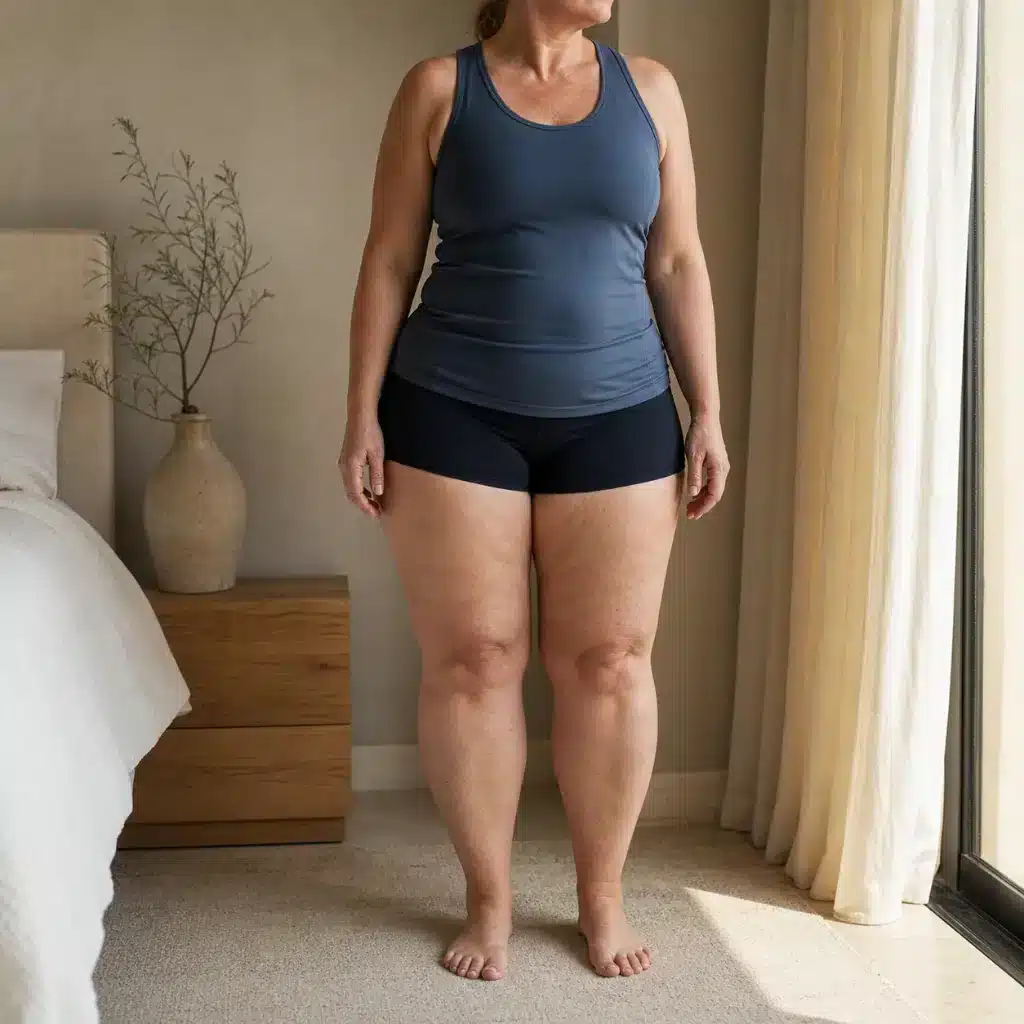
Diagnostic clues for lipedema in easy bruisers mix physical findings with history and functional burden. Consider fat distribution first. Big, out-of-proportion fat deposits centered on the legs and hips, with sparing of the feet, are diagnostic for lipedema and not just obesity. The tissue may feel different from regular fat: lumpy or nodular under the skin, and in later stages it becomes firmer and more hardened. Stage 3 frequently presents with big, overhanging folds of fat on the thighs and knees. These outward changes explain patients’ complaints of clothing fit and range of motion constraints.
Symmetry and bruising are key. Lipedema generally causes both legs to have a symmetrical pattern of fat and bruises. Bruising is frequently easy and widespread compared to uninvolved body areas. Pitting edema that never clears with rest or elevation and recurrent unexplained bruising of the thighs and hips are diagnostic clues toward vascular or tissue fragility linked to lipedema. Severe bruising, pain, and tenderness in combination increase the probability of more advanced disease and frequently complicate activities of daily living such as walking, stair climbing, or standing for extended periods of time.
Family history and hormonal context direct diagnosis. A lot of patients will say that they have family members with the same leg shape or that bruise. Onset or exacerbation frequently tracks hormonal shifts such as puberty, pregnancy, or menopause, so inquire about timing. These diagnostic clues assist in differentiating lipedema from lymphedema, which commonly affects the feet and reveals pitting edema, or obesity, in which fat is more symmetrically distributed and skin is soft.
Evaluate pain, functionality, and psychosocial impact. Measure pain and restricted activity by leg pain or bulk and emotional distress. Stage 3 carries higher risks, including marked pain, severe bruising, reduced mobility, and substantial emotional burden. Early identification is important because earlier-stage patients have more opportunities to control symptoms and slow progression through compression, exercise and weight management, and when indicated, surgery.
Checklist of diagnostic clues for lipedema in patients with easy bruising:
-
Symmetrical enlargement of the legs
-
Painful fat nodules in the affected areas
-
Easy bruising without trauma
-
Presence of a cuffing effect at the ankles
-
Skin that feels cool to the touch
-
Swelling that worsens throughout the day
-
Fat distribution that is disproportionate to the upper body
-
History of weight changes that do not correlate with diet or exercise
-
Disproportionate fat on legs and hips, sparing feet
-
Symmetrical fat distribution and symmetrical bruising
-
Lumpy, nodular, or firm subcutaneous tissue, overhanging folds at stage 3.
-
Persistent swelling not fully relieved by rest or elevation
-
Easy, severe bruising localized to affected areas
-
Pain, tenderness, and reduced mobility impacting daily life
-
Family history of similar leg shape or bruising
-
Onset or worsening linked to hormonal events
-
Absence of signs of common obesity, even fat distribution, or classic lymphedema, such as foot involvement and pitting.
Adding these signs to history and exam decreases misdiagnosis and directs clinicians to additional workup and focused treatment.
Daily Care
Lipedema and easy bruising daily care emphasizes skin-friendly habits that promote healthy skin, aid circulation, and monitor progress. These modest daily care actions, such as gentle compression, skin protection, elevation, movement, diet, and vigilance, all add up to minimizing bruising risk and catching warning signs early.
Gentle Compression
Medical-grade compression garments can assist blood and lymph vessels, minimize swelling, and decrease the risk of new bruises. Select graduated compression with mild to moderate pressure, such as 15 to 30 mmHg, instead of too-firm styles. Begin with a lower level and step up only if comfortable. Proper fit is essential: measure the leg by a trained fitter or follow manufacturer size guides, and try on garments at the end of the day when legs are slightly larger.
Wear schedules differ. Most start during the day, taking garments off at night, and gradually increase wear time to monitor comfort and skin reaction. Compression assists by preventing fluid pooling and decreasing tissue tension that causes capillaries to become fragile. Don’t wear clothes that are tight, numb, or leave imprints. Those tight bands or ill-fitting sizes can exacerbate pain and bruising. Should pain, discoloration, or numbness develop, discontinue use and consult a clinician.
Skin Protection
Skin around lipedema is typically delicate. Wildly protect it with tender, protective attire, such as long sleeves, lightweight leggings, and padded knee socks, to shield it from those knock-you-down bruises. Steer clear of tight bands and restrictive seams that pinch on susceptible sites. Many must eschew specific postures or attire that hold pressure.
TIP # 1: Daily Care — Apply gentle, fragrance-free moisturizers daily to keep skin elastic and maintain the barrier that helps prevent tears. Use post-bath on damp skin to seal in moisture. Replace aggressive soaps and hot water with gentle cleansers and lukewarm showers. Heat and powerful chemicals remove oils and increase scarring potential. For minor cuts or scrapes, wash gently with saline or mild soap, cover with a nonadhesive dressing, and monitor for infection. Get medical treatment for wounds that won’t heal or that seem overly red, warm, or draining.
Monitor daily: Examine legs each day for new bruises, swelling, or skin changes. Maintain a bruise diary noting bruise locations, size, suspected triggers, and activities or clothing worn. Be sure to record timing and if elevation, compression, diet shifts, or stress reduction through meditation or yoga shifted results. Elevate legs throughout the day to drain fluids. Test treatments gradually and individually to observe what aids.
Nutritional Support
Nutritional support assists in controlling symptoms of lipedema by reducing inflammation and promoting tissue repair, but doesn’t on its own reverse the condition. Begin with the nutrients that support blood vessels. Vitamin C is key for collagen production and capillary strength. Target bell peppers, citrus, kiwi, broccoli, and brussels sprouts. Bioflavonoids found in citrus rind, berries, onions, and green teas work with vitamin C to decrease capillary fragility and can reduce a tendency to bruise. Examples include a salad with spinach, orange segments, and sliced almonds or a smoothie with berries and a handful of leafy greens.
Nutritional Support EAT A BALANCED DIET CONTAINING ANTIOXIDANTS TO REDUCE OXIDATIVE STRESS THAT MAY EXACERBATE BRUISING AND INFLAMMATION. Eat a variety of colored vegetables and fruits — dark leafy greens, deep purple berries, sweet potatoes, and red beets. Antioxidant-rich herbs and spices like turmeric, ginger, and rosemary are easy enhancements that can be used in cooking. Practical meals include grilled salmon with turmeric-roasted cauliflower or a quinoa bowl with roasted beets, arugula, and walnuts. These options provide micronutrients that promote vascular health, such as vitamin E, zinc, and manganese.
Monitor nutrition so you can identify deficits that might influence circulation or wound repair. Use a simple food diary or an app to record meals for two to four weeks, then review for patterns such as low fruit and vegetable intake, few protein sources, or little omega-3 fat. Nutritional Support Omega-3s from fatty fish such as salmon and mackerel, chia seeds, flaxseed, and walnuts reduce inflammation. For many, increasing these fats results in visible reductions in swelling and skin comfort. If tracking reveals a persistent deficiency, talk with a clinician about testing and specific supplementation.
Promote healthy hydration to assist with circulation, lymphatic flow, and tissue regeneration. Strive for consistent hydration throughout the day, approximately 30 to 35 milliliters per kilogram of body weight as a rule of thumb, modified for climate and exertion. Hydration goes hand in hand with diet for combating fluid retention. Cutting down on excess sodium and refined carbs can assist. Pair nutritional support with practical steps such as elevating your legs from time to time to keep pooling and fluid accumulation in the lower extremities at bay.
Keep in mind individual variation: lipedema fat does not typically shrink with diet or exercise alone, so nutritional strategies are part of a broader plan. Tremendous nutritional support is typically not far behind as symptoms, mood, and energy tend to improve when diet reduces inflammation and supports the vasculature, which can impact the mind.
Alternative Perspective
Numerous individuals resort to complementary and holistic techniques when conventional treatment cannot completely treat lipedema and easy bruising of the legs. This post describes actionable alternatives, why they might assist, and how to experiment with them safely. It spans bodywork, mind-body techniques, diet and lifestyle changes, and easy tools you can experiment with and customize.
Manual lymphatic drainage and other lymph-centric bodywork seek to shift stagnating fluid and relieve tissue strain. Some lipedema patients have noticed diminished pain and less visible bruising after consistent visits with experienced therapists. Self-massage and certified manual lymphatic drainage can be gentle alternatives. Whether coupled with massage or not, compression garments and wrapping help by supporting tissues, enhancing venous return, and reducing the risk of slow-healing bruises. Experiment with various fabric cuts and binding techniques. Style and relaxation count for everyday wear.
Stress-reduction and mind-body practices can reduce inflammation and increase pain tolerance. Meditation, mindfulness, and breathing exercises affect the nervous system response to pain and inflammation. Some experience symptom relief with the addition of brief daily meditations or body scans. Yoga and light movement ease stiffness without engaging in high-impact activities that could aggravate bruising. Keep track of which motions alleviate and which exacerbate symptoms to inform decisions.
Dietary shifts are often part of a holistic plan. Cutting down on pro-inflammatory foods and introducing omega-3 sources can assist tissue integrity and bruise resilience. Tangible actions include replacing refined carbohydrates with whole grains, incorporating oily fish or flaxseed, and reducing over-processed foods packed with salt and sugar. Others observe flare-ups connected to certain foods. Something as simple as maintaining a food and symptom journal can expose personal no-nos.
Complementary therapies like acupuncture, dry needling, or low-level laser therapy are what some folks try. While they report differently, some patients feel less pain, inflammation, and bruises. Collaborate with licensed practitioners and talk about medical history, medications, and bleeding risk before attempting needling therapies.
Alternative methods need to be customized and tracked. Lipedema can associate with hormones in some cases, so treatments focused on hormonal balance under physician care can be pertinent. Emotional and mental well-being matter. Cognitive-behavior techniques, peer support groups, and therapy help manage chronic stress that can worsen symptoms. Take meticulous notes on therapies, timing, and results. Apply a practical trial of a few weeks to determine effectiveness and discontinue anything that exacerbates bruising or pain.
-
Gentle manual lymphatic drainage and self-massage
-
Properly fitted compression garments and wrapping
-
Meditation, breathwork, and mindfulness practices
-
Low-impact movement: walking, swimming, yoga
-
Anti-inflammatory diet with omega-3s. Food-symptom diary.
-
Acupuncture or low-level laser therapy with vetted providers
-
Hormone-focused care in consultation with clinicians
-
Mental health support and peer groups
Conclusion
Lipedema is frequently associated with easy bruising on the legs. Blood vessels are close to the skin and rupture more readily. Bruises appear on the thighs and lower legs, often following minor impacts. Look for the telltale symmetric pattern, soft, nodular fat pads, and tenderness to touch. Keep a log of bruise timing, size, and any new blood thinning medicines or supplements. Gentle care helps. Cool packs, rest, light compression, and skin-friendly moisturizers reduce symptoms and speed healing. Add vitamin C and bioflavonoid-rich foods to assist vessel health. If bruising worsens or begins with minimal trauma, find a clinician knowledgeable in lipedema and bleeding disorders. For direct action, schedule a targeted checkup and bring photos and a mini bruise diary.
Frequently Asked Questions
What causes easy bruising in people with lipedema?
Easy bruising frequently originates from fragile capillaries and connective tissue alterations in lipedema. Hormones and genetics are at play as well. These factors make capillaries easier to break with light bumps.
How can I tell bruising from lipedema versus other conditions?
Lipedema bruising is frequent and easy on the legs and hips with little trauma. If bruises are generalized, unexplained, or associated with bleeding in other locations, investigate other causes.
Should I get blood tests for easy bruising with lipedema?
If bruising is recent, significant, or accompanied by other bleeding symptoms, blood tests are key. A doctor can monitor platelet count, clotting factors, and liver function to eliminate bleeding disorders.
What daily care reduces bruising in lipedema?
Protective clothing, gentle compression, and avoiding tight straps assist. Soft massage, cold packs right after bumps, and protective footwear help. These steps reduce trauma and strengthen vulnerable veins.
Can nutrition help prevent bruising in lipedema?
Yes. Consume vitamin C, K, zinc, and bioflavonoids to support vessel health. Talk to a clinician before beginning supplements, particularly if you take blood thinners.
Do compression garments stop bruising completely?
While compression can help decrease swelling and support the tissue, it will not completely prevent bruising. Well-fitting and regularly used garments can reduce the size and frequency of bruising.
When should I see a specialist about bruising and lipedema?
Consult a doctor if bruising is abrupt, widespread, painful, or accompanied by other bleeding symptoms. See a vascular specialist, hematologist, or a clinician experienced in lipedema for customized care.
