


Key Takeaways
-
Lipedema creates symmetrical, nodular fat pads around the knees that are tender and diet-resistant. View knee fat as an unusual tissue disorder, not lifestyle weight gain, and get a consultation sooner rather than later.
-
It’s not uncommon to find lipedema patients carrying enlarged knee fat pads that increase joint pressure and alter alignment. Both of these factors can cause pain, limited range of motion, and increase the risk of premature osteoarthritis. Think about referring to orthopedics or physiotherapy when mobility decreases.
-
Conservative care including compression garments, low-impact exercise, and manual lymphatic drainage can reduce swelling and pain. Targeted liposuction may be appropriate for persistent, function-limiting deposits after specialist assessment.
-
Day-to-day practices like supportive shoes, pacing, strengthening, and ergonomic modifications assist in maintaining your mobility and independence. Develop a routine of compression, movement, and rest.
-
Observe for nerve symptoms and variable swelling sparing the feet. Monitor pain, function, and mood changes to inform treatment modifications and identify conversion to lipolymphedema.
-
Early diagnosis, multidisciplinary care, and peer support make things better. Document symptoms, find specialists familiar with lipedema, and connect with support groups.
Lipedema and fat pads around the knees is a chronic fat disorder that results in disproportionate fat deposits, swelling, and sensitivity in the legs. It primarily affects women and can progress to cause mobility limitations and clothing fit issues. Diagnosis may require clinical and differential ruling out lymphedema or obesity-related fat. The below goes over causes, symptoms, diagnosis steps, and treatment options for hands-on care.
The Connection
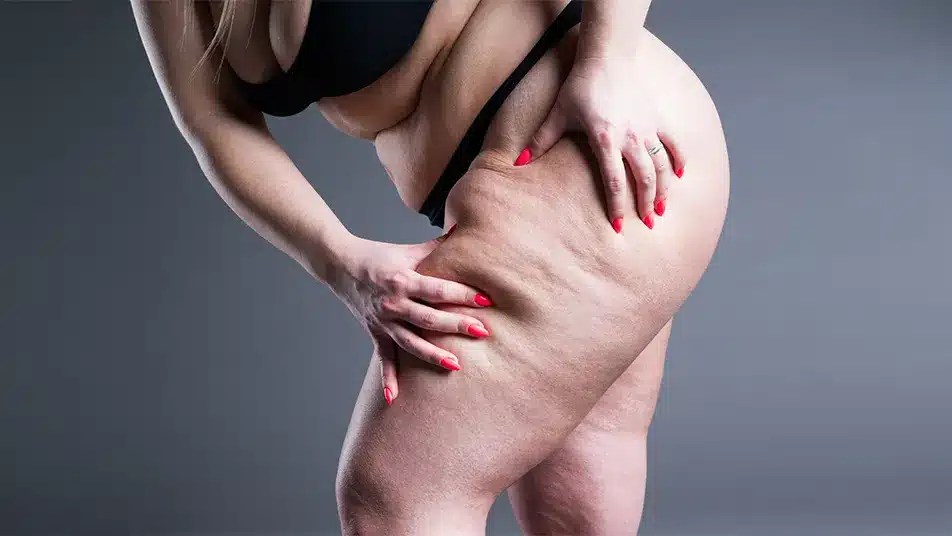
Lipedema induces a particular pattern of fat growth that frequently gathers around the knees, resulting in characteristic fat pads that are both visibly present and tactile. These pads develop as subcutaneous fat grows in a lumpy, irregular fashion. They typically accumulate above and around the kneecap as well as the inner and outer sides of the joint, producing a bulky, rounded appearance that is different from generic weight gain.
1. Tissue Accumulation
Subcutaneous fat accumulates disproportionally in the knees, thighs, and calves in patients suffering from lipedema. The tissue is nodular and soft but may be firm in areas. It is tender to the touch and bruises readily. Skin over the region may appear puckered or bumpy, often compared to a slight cottage cheese consistency. Staging clarifies progression. Stage 1 shows smooth skin with enlarged fatty nodules. Stage 2 brings uneven skin and larger nodules. Stage 3 shows large deforming fat pads. Stage 4, sometimes called lipolymphedema, adds fibrosis and significant limb swelling.
2. Joint Pressure
Oversized fat pads put additional strain on the knee joint and adjacent soft tissues, causing pain when you move. Additional mass redirects load vectors and may alter alignment, sometimes creating a valgus or knock-knee tendency. Over time, this constant pressure encourages cartilage damage and increases the likelihood of premature osteoarthritis. This in turn makes everyday activities like stair climbing or standing desks increasingly painful and restrictive.
3. Gait Changes
Excess fat around knees changes the way you walk and your step length. Some folks try to alleviate the chafing and soreness by taking a wider stance or switching foot positioning. These adaptations produce muscle imbalances. Hip abductors or adductors may strain, and ankle mechanics can change to compensate. Balance and stability may decrease, raising fall risk, particularly on uneven terrain or while lugging a load.
|
Feature |
Normal gait |
Lipedema-related gait |
|---|---|---|
|
Stance width |
Narrow |
Often wider |
|
Knee tracking |
Neutral |
Tends inward or outward |
|
Muscle load |
Even |
Uneven, compensatory |
|
Stability |
Typical |
Often reduced |
4. Pain Triggers
Pain is usually triggered by exertion, activity, or extended standing. Symptoms are tenderness, aching, a feeling of heaviness, and easy bruising. Local inflammation and occasional fluid retention in the fat pads intensify the sensitivity. Pain often appears disproportionate to activity level and is not explained easily by BMI.
5. Swelling Cycles
Swelling in knees and lower limbs may ebb and flow throughout the day or with activity. Lymphatic flow is commonly compromised in lipedema, creating patterns of swelling and some resolution. The swelling is generally symmetrical and legs are usually spared feet, helping differentiate lipedema from other etiologies. Left unchecked, these cycles can advance to chronic lipolymphedema.
Functional Impacts
Fat pads and chronic joint swelling around the knees alter the biomechanics of individuals and our bodies. They have functional impacts on everyday life, exercise capacity, and long-term joint health. The subsections below deconstruct the primary functional impacts of lipedema knee fat and swelling and what that translates to for patients.
Movement Limits
-
Difficulty fully straightening the knee
-
Trouble bending the knee deeply (squatting)
-
Reduced walking speed and stride length
-
Pain when climbing or descending stairs
-
Problems rising from a low chair or floor
-
Trouble with balance on uneven ground
-
Need to stop frequently during walks due to discomfort
As with many functional impacts, an initial small loss of range in the knee often creeps in and then gradually worsens. Chronic swelling and soft tissue tightness result in the joint capsule and adjacent soft tissue becoming stiff. This can slowly restrict both flexion and extension, rendering simple movements less efficient and more fatiguing.
Other patients rely on canes, walkers, or supportive braces to remain independent. These assistive devices lower knee stress and decrease pain while walking. PT can recommend stretches, targeted strengthening, and gait training to keep function as high as possible.
Maintaining a personal log of movement restrictions provides valuable feedback about progression and treatment. Notice when the symptoms began, what activities aggravate them and whether rest, compression or elevation mitigate them. That record facilitates communication with clinicians and frames realistic goals.
Nerve Irritation
Fat tissue swelling by the knee can press upon local sensory nerves. This pressure results in tingling, numbness or sharp, shooting pain down your lower leg. Symptoms can sometimes mimic sciatica or peripheral neuropathy, so careful evaluation is required.
Nerve symptoms tend to flare with more swelling or after prolonged periods of standing and walking. Activity increases tissue pressure and edema, which exacerbates compression. Rest, elevation, and compression tools can lessen the flare but not always completely ease nerve pain.
Nerve involvement presents an additional component of disability. Once sensation is compromised, equilibrium and proprioception are affected. Patients may avoid movements due to fear of pain, which encourages muscle disuse and additional functional decline.
Functional impacts: Nerve compression is more common in advanced lipedema stages with large fat pads. In these instances, clinicians might pursue imaging, nerve conduction studies, or surgery that debulks fat to alleviate compression and return function.
Clinical Solutions
Clinical solutions focus on minimizing pain, slowing progression, preserving function, and enhancing quality of life for individuals with lipedema and standout knee fat pads. Below are the key treatment objectives, a conservative versus surgical treatment comparison, and deep dives on Targeted Surgery and Compression Therapy.
-
Reduce pain and tenderness: Use measures that lower inflammation and pressure around the knee so daily tasks and exercise become easier.
-
Minimize swelling and fluid build-up. Manage interstitial fluid to prevent increased limb volume and skin changes.
-
Limit fat pad growth by slowing or removing abnormal adipose that contributes to joint strain and altered biomechanics.
-
Preserve lymphatic function: avoid treatments that damage lymph vessels. Choose methods that protect or restore drainage.
-
Improve mobility and joint alignment. Reduce bulk around the knee to ease walking and reduce compensatory gait patterns.
-
Prevent secondary complications by lowering the risk of skin breakdown, recurrent infections, and progressive fibrosis.
-
Support long-term self-care: combine medical, physical, and lifestyle steps that patients can maintain.
Conservative management versus surgery: Conservative options include compression, targeted exercise, weight-friendly activity, and manual lymphatic drainage (MLD). They alleviate symptoms, prevent further fat pad growth, and increase comfort without excision. Compression and MLD frequently provide good short-term relief but do not decrease established adipose long-term. Exercise, specifically low-impact strength and range-of-motion programs, helps joint mechanics and pain. Surgical options, primarily liposuction tailored for lipedema, eliminate pathological fat and may provide permanent volume reduction. Surgery often provides more dramatic and quicker improvement in knee circumference and mobility than conservative care alone. It can be risky and necessitate a recovery period. Combining both paths is common. Conservative care before and after surgery improves safety and outcomes.
Early diagnosis and intervention reset the trajectory. If treatment is initiated prior to advanced fibrosis or lymphatic destruction, conservative therapies are more effective and surgical interventions are safer with enhanced recovery. Delays tend to cause more complex surgery and slower functional return.
Targeted Surgery
Liposuction for lipedema addresses the pathological fat layer while attempting to preserve lymphatic vessels. Surgeons employ precise mapping and petite cannulas to extract tissue in layers corresponding to the knee pad anatomy. We favor water-assisted and tumescent methods as they minimize trauma, blood loss, and preserve lymphatics compared to dry techniques. Numerous patients experience significant decreases in knee circumference, reduced pain with movement, and improved gait. Recovery involves swelling and bruising for weeks. Risks encompass infection, seroma, temporary numbness, and infrequently fibrosis or contour irregularities. Long-term follow-up and post-op compression keep the gains.
Compression Therapy
Compression stockings put graded pressure to assist venous and lymphatic flow around the knee and lower limb. Daily use reduces pain, relieves heaviness, and when worn all the time can even decelerate additional fat pad growth. For best effect, custom-fit stockings or sleeves are needed to accommodate knee shape and provide even pressure. The most effective results stem from pairing compression with MLD, exercise, and if applicable, surgical intervention. This comprehensive approach alleviates symptoms beyond what any one treatment could on its own.
Daily Living
Lipedema that focuses on the knees generates everyday issues impacting mobility, comfort, and grooming. Controlling pain, swelling, and limited mobility requires constant recalibration of habits, gear, and attitude. Practical strategies emphasize minimizing joint stress, maintaining function, and keeping life as normal as possible while dealing with emotional impact.
Physical Relief
-
Compression items from the knee down.
-
Manual lymphatic drainage and professional lymphatic massage sessions shift fluid and relax constriction.
-
Low-impact aerobic exercise like swimming and cycling increases circulation without pounding the joints.
-
Specific strength training for quads, hamstrings, glutes, and hips helps to hold the knee in alignment.
-
Aquatic therapy for buoyant movement and pain relief.
-
Pain control with topical agents and NSAIDs where safe and short-term medications guided by a physician.
-
Cold packs post-activity prevent acute swelling and heat packs relieve chronic stiffness.
-
Orthotic insoles and other supportive shoes modify your gait and reduce uneven pressure on your knees.
-
Assistive devices include walking poles, lightweight ankle braces, or a cane during flare-ups.
-
Dietary pivots to support anti-inflammatory aspirations, like omega-3s and less ultra-processed stuff.
-
Seeking specialist advice for liposuction or other surgeries when conservative care falls short.
These low-impact activities maintain joint mobility and muscle mass with less pain. Soft surface walking, lap swimming, elliptical, and controlled strength work with bands aid in keeping muscles engaged. Progress is gradual. Start with short sessions, build frequency, and focus on form to avoid compensatory movement that stresses the knee.
Weight loss alone seldom shrinks lipedema fat pads because the tissue reacts differently than standard adipose. A healthy diet and daily movement decrease systemic inflammation, support cardiovascular health, and alleviate joint load. All of these can translate into reduced pain and increased mobility.
Supplements and anti-inflammatory stuff can help. There’s evidence behind omega-3s for inflammation, vitamin D for muscle function when deficient, and cautious use of herbal anti-inflammatories with a clinician’s input. Compression and massage will continue to be first for swelling control.
Mental Burden
These visible fat pads, chronic pain, and loss of function frequently lead to emotional and social stress. Frustration, shame, and isolation are common experiences when mobility confines your daily roles.
Depression, anxiety, and body-image issues are all around and they can exacerbate physical symptoms by decreasing activity and interrupting sleep. Mental health screening ought to be standard in lipedema care.
Peer support groups and online communities provide shared experience, practical advice, and a sense of community that can help combat stigma. Local support or moderated forums let you swap information about compression brands, therapists, and movement routines.
Follow mood, pain, and activity in an easy daily log to identify patterns and inform treatment adjustments. Share records with clinicians to make care more nimble and personal.
Fresh Perspectives
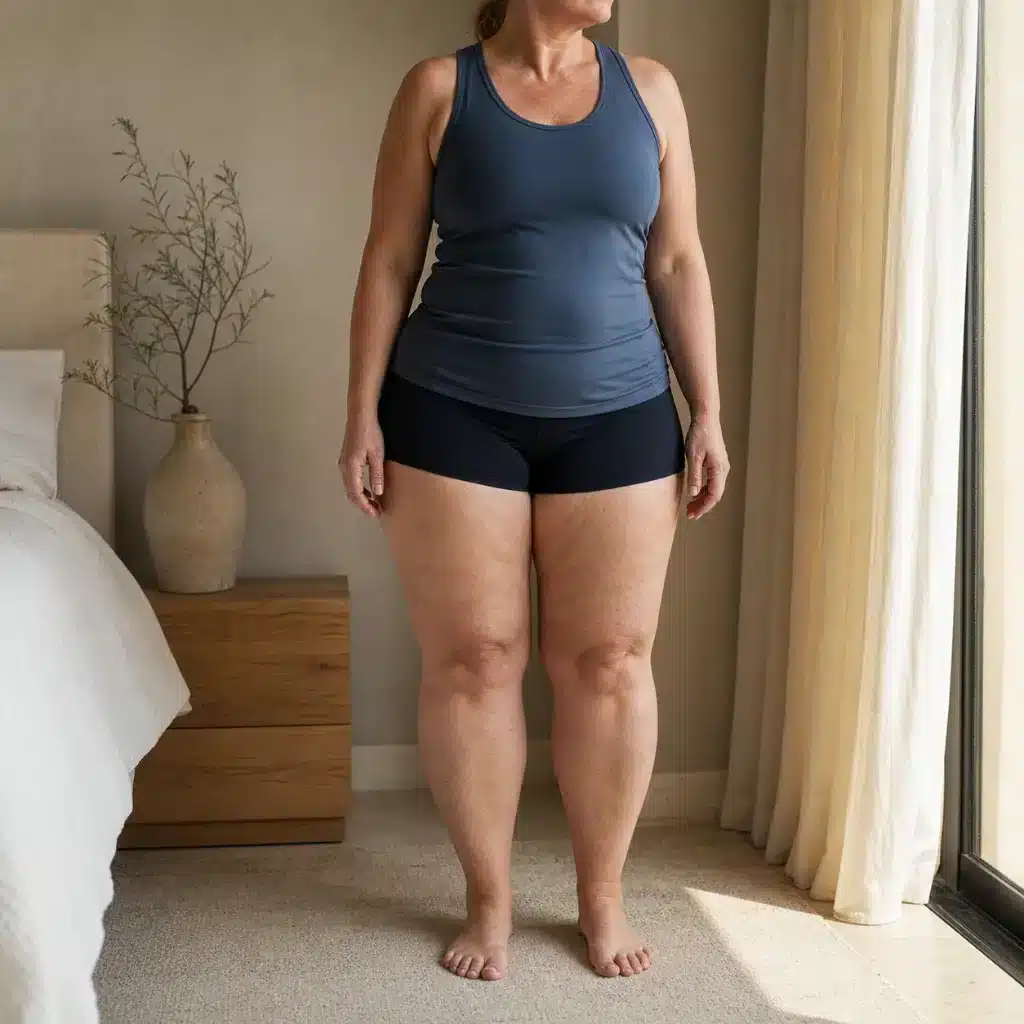
Lipedema around the knees can present as soft, symmetrical pads of fat above and below the joint. This segment encapsulates honest experiences, actionable solutions, and the greater call for awareness. The knee pads restrict what you can wear, make walking uncomfortable, and dig into you, causing pain and bruises. Having insight into patient experiences allows doctors and colleagues to better support and give clearer guidance.
Patient Voices and Varied Experiences
One such patient, a 38-year-old teacher, reported frustrating knee and thigh bruising and aching that no diet or exercise could quell. She observed that compression garments quelled pooling on long days but didn’t alter shape. Another patient, a 52-year-old engineer, said he’d been misdiagnosed as being merely obese for years. Liposuction directed to the knee fat pads provided him significant relief in mobility and bruised skin. A recreational runner who mixed cushioned shoes with low-impact cross training cut knee pain in half as she sought out manual lymphatic drainage sessions. These brief testimonials illustrate that knee-involved lipedema can encompass pain, aesthetic issues, and functional restriction.
Treatment Paths and Everyday Adjustments
Conservative measures attempt to encompass customized compression surrounding the knee, which promotes fluid circulation and reduces pain, and targeted physical therapy to develop hip and thigh strength that alters knee tracking. Manual lymphatic drainage and easy at-home self-massage can often assist with tenderness and temporary size reduction. Surgical options, for instance, targeted liposuction performed by surgeons experienced in lymph-sparing techniques, can reduce fat pads and restore contour. Recovery varies, and risks and benefits should be considered alongside a specialist. Practical daily adjustments might include selecting trousers with additional give at the knee, utilizing longer socks to prevent pressure marks, or trading out those long runs for cycling to preserve the joint.
Advocacy, Documentation, and Community Impact
When patients record photos, symptom logs, and notes on how their clothes fit, they build a valuable record that can accelerate diagnosis and fine-tune treatment. Sharing these records with advocacy groups has resulted in improved patient resources and more clinicians identifying lipedema’s knee patterns. Community voices convince insurers and clinics to support coverage for treatments other than weight loss programs. Local support networks and e-forums provide advice on brands of clothing, post-op recovery schedules, and how to negotiate with your boss about mobility. Transparent patient narratives and information assist in defining research priorities and clinical recommendations.
Future Outlook
Imaging breakthroughs will transform the way clinicians detect and monitor lipedema and knee fat pads. MRIs will probably become faster and more tissue character-focused than structure-focused. Higher-resolution sequences and standardized protocols may help distinguish lipedema fat from simple obesity or lymphedema. For instance, fat fraction mapping and T2-weighted measures could detect initial fluid shifts or fibrosis surrounding the knee prior to the onset of swelling. Ultrasound will explode as a bedside tool because it’s less expensive and more accessible. Enhanced elastography software can quantify tissue stiffness, which assists in detecting subcutaneous fibrotic nodules adjacent to the knee. These tools will make diagnosis earlier and more objective, underpinning clearer staging and treatment decisions.
New therapies will aim at the root processes of lipedema: inflammation, fibrosis, and abnormal fat cell behavior. Anti-inflammatory strategies could use locally delivered or repurposed systemic agents that alleviate chronic low-grade inflammation without general immunosuppression. Antifibrotics, like inhibitors of collagen deposition or scar-remodeling enzymes, could soften fibrotic pads behind the knee and ease mobility. Cell-targeted treatments could instead target fat cell signaling. For example, compounds that modify adipocyte growth or fat absorption could prevent excessive fat accumulation. Practical examples range from injectable drugs targeting local inflammation to topical agents to reduce fibrosis to device-based options such as low-level laser or focused ultrasound for breaking up fibrotic tissue.
Research will deepen on genetic, hormonal, and vascular contributors. Larger genomic studies may uncover gene variants that raise lipedema risk or affect disease speed. Hormone-focused work will sort out how estrogen and other sex hormones shape fat distribution and fluid handling, especially around knee fat pads which often change with life events like pregnancy or menopause. Vascular research will refine understanding of microvascular leak and lymphatic dysfunction in affected tissues. Studies that combine genetics, hormone profiles, and vascular imaging will help predict who will progress rapidly and who will remain stable, enabling more tailored monitoring and early intervention.
More awareness of lipedema as a standalone condition is going to shift treatment avenues and resources available. We do need formal diagnostic criteria and coding so that insurance will cover treatment and rehab. Multidisciplinary clinics combining vascular specialists with endocrinologists, physical therapists, and surgeons will provide integrated plans spanning exercise, compression, medical therapies, and surgical interventions such as liposuction where indicated. Patient education and worldwide advocacy will grow, facilitating support groups and specialist referrals to become more accessible in more places.
Conclusion
Lipedema can cause fat pads around the knees that are soft, bulge with activity, and don’t respond to diet or exercise. Obvious indicators are side-by-side disproportionate fat, pain, and quick bruising. These knee pads can restrict walking, cause clothes to hang weirdly, and increase joint stress. Medical care extends from diagnosis and conservative measures such as compression and targeted movement to liposuction for permanent change. These minor adjustments in your daily routine can significantly reduce this pain and increase function. New research targets improved tools and care pathways, so possibilities can expand.
If you need next steps, schedule a consultation with a specialist, test fit some compression gear, or track your symptoms for a week and bring it to your clinician.
Frequently Asked Questions
What is the link between lipedema and fat pads around the knees?
Lipedema leads to unusual, symmetrical fat deposits in the legs, frequently resulting in doughnut-shaped fat pads over or surrounding the knees. These pads are a telltale sign particularly in AFAB individuals.
How can I tell if knee fat pads are lipedema or simple weight gain?
Lipedema fat is symmetrical, painful to touch, and can’t be dieted or exercised away. It tends to begin at puberty or other hormonal shifts and notably spares the feet. Weight gain is more evenly distributed and typically gets better with weight loss.
Do fat pads around the knees affect mobility?
Yes. They can lead to chafing, restricted knee bending, discomfort, and exhaustion. Eventually, they can alter gait and increase joint stress, decreasing mobility and tolerance for daily activities.
What medical treatments help knee fat pads from lipedema?
Conservative care encompasses compression therapy, manual lymphatic drainage, exercise, and weight management. In stubborn or advanced cases, specialized liposuction, either tumescent or water-assisted, can decrease painful fat pads and restore function.
Are there home strategies to reduce pain and swelling near the knees?
Yes. Treat with compression garments, low-impact exercise such as swimming and cycling, elevation, and gentle lymphatic massage. These alleviate pain, swelling, and friction and enhance comfort and mobility.
Will lipedema around the knees come back after treatment?
Lipedema is chronic. Conservative care controls symptoms. Surgical liposuction is a long lasting reduction if conducted properly. Maintenance, including compression, exercise, and follow-up, is still needed.
When should I see a specialist about knee fat pads?
Consult a doctor if pads are painful, symmetric, diet resistant, or impact mobility. Get diagnosed by a lipedema-savvy clinician such as a vascular medicine specialist, lymphologist, or a lipedema-trained surgeon.
